Prep time: 20 minutes
Cook time: 30 minutes
Total time: 50 minutes
Servings: 4
When you think of comfort food, what comes to mind? For many, it might be a bowl of rich, creamy curry that warms you from the inside out. If you love exploring different cuisines, then you are in for a treat with this **Authentic Thai Panang Curry**. This dish is a glorious blend of fragrant spices, creamy coconut milk, and vibrant ingredients that will make your tastebuds dance.
This recipe stands out not only for its **creamy texture** but also for its bold flavors that tickle the palate. You’ll learn how to create this delightful dish in your kitchen, making it perfect for a family dinner, meal prep, or a cozy date night at home. Plus, we’ll cover tips, variations, and common mistakes to ensure your Panang Curry turns out perfectly every time.
What Is 🍛 Authentic Thai Panang Curry (Rich, Creamy & Flavorful)?
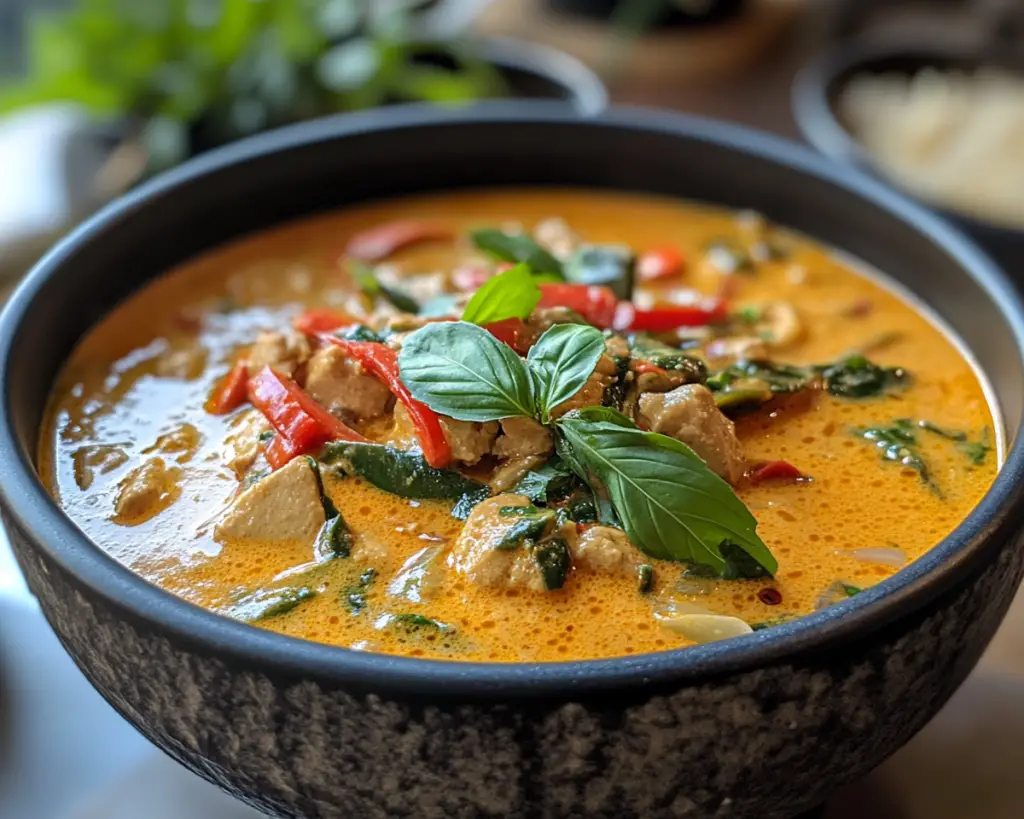
*Authentic Thai Panang Curry* is a traditional Thai dish that derives its name from the city of Penang in Malaysia, although it is customized in Thai cuisine with its unique touch. The dish is characterized by its **rich and creamy** consistency, owing largely to coconut milk, which envelops the palate in a velvety texture. The underlying **flavors** come from a blend of aromatic spices that create a **wonderful balance** of sweet, spicy, and salty profiles.
At its core, Panang Curry is made with **Panang curry paste**, which includes key ingredients like lemongrass, galangal, and kaffir lime leaves. The addition of proteins such as chicken, beef, or tofu adds a satisfying heft to the dish. When served over rice, this dish transforms a simple meal into an indulgent experience. Whether you’re a cooking novice or an experienced chef, mastering this recipe will allow you to bring a taste of Thailand right into your home.
Why You’ll Love This
You will love this recipe for several reasons. First and foremost, it’s incredibly **delicious**; each spoonful offers a burst of flavor that keeps you coming back for more. The combination of **coconut milk** with the curry paste creates an inviting aroma that fills your kitchen, making it the perfect meal for gatherings or cozy nights in.
This dish is also surprisingly **easy** to prepare, requiring just a few simple steps that even beginners can master. And if you’re concerned about your budget, Panang Curry can be adapted to suit your needs using affordable ingredients and proteins. Plus, it’s versatile! You can easily swap out ingredients as per your dietary requirements or personal preferences, making this recipe suitable for everyone.
Common misconceptions about Thai curries often include the belief that they are overly spicy or complicated. This recipe debunks those myths; the **spiciness** can be adjusted to your comfort level, and with just a little bit of preparation, you’ll feel like a pro in the kitchen.
Ingredients You’ll Need
- 1 lb (450g) chicken breast – or beef/tofu for a vegetarian option. This will be the main protein, but feel free to experiment with your preferred choice!
- 1 tbsp vegetable oil – used for sautéing the curry paste and proteins.
- 3-4 tbsp Panang curry paste – the flavor base. You can purchase this pre-made or make your own. Look for a good quality brand!
- 1 can (400ml) coconut milk – for a creamy texture and rich flavor.
- 1 tbsp fish sauce – adds umami flavor; you can substitute with soy sauce for a vegetarian option.
- 1 tbsp palm sugar – balances the spiciness with its sweetness; you can use brown sugar as a substitute.
- 1 red bell pepper – sliced; adds sweetness and crunch.
- 2 kaffir lime leaves – enhances aroma and flavor; optional but highly recommended.
- Fresh basil leaves – for garnish and added freshness.
- Cooked jasmine rice – essential for serving, as it soaks up all the delicious curry.
Each ingredient has a specific role: the chicken is your protein; the curry paste is where the magic begins with flavors; coconut milk creates the signature creamy texture; and the vegetables add color, nutrition, and crunch.
How to Make
- Start by preparing your ingredients. Chop the chicken, slice the red bell pepper, and get your remaining items ready. Having everything at your fingertips simplifies the cooking process.
- In a large skillet or wok, heat the vegetable oil over medium heat. Once hot, add the Panang curry paste. Cook it for about 2-3 minutes until you can smell the wonderful aroma, stirring frequently. Avoid letting it burn; this step is crucial for releasing the flavors.
- Add the chicken pieces into the skillet, cooking them until they are fully coated in the curry paste. This should take around 5-7 minutes. Stir occasionally, ensuring that the chicken develops a lovely color and absorbs the flavors.
- Pour in the coconut milk, giving it a good stir to combine everything. Add the fish sauce and palm sugar at this step. Allow the mixture to come to a gentle simmer; you don’t want it boiling too hard, as this can cause the coconut milk to separate.
- Once simmering, add the sliced bell pepper and kaffir lime leaves. These will enhance the dish’s freshness and complexity. Allow it to simmer for another 10-12 minutes, allowing the flavors to meld together beautifully.
- Taste and adjust seasoning if necessary. You might want a little more fish sauce for saltiness or sugar for sweetness. Once you’re satisfied, remove the skillet from heat.
- Serve the curry hot over a bed of fluffy jasmine rice, garnished with freshly torn basil leaves for an aromatic touch. The combination of the creamy curry with the fragrant rice is simply irresistible.
Each step should be approached with care; this will help you create a **truly authentic** experience that resonates with the essence of Thai cuisine.
Variations & Substitutions
Vegetarian Variation:
For those looking for a meat-free option, simply replace chicken with **tofu** or **tempeh**. Both options soak up the flavors beautifully and lend a hearty texture. You might also consider adding vegetables like broccoli, snap peas, or even eggplant for added nutrition and flavor. The cooking process remains the same, but tofu may require a few extra minutes to get crispy if you choose to pan-fry it beforehand.
Low-Carb Option:
If you’re watching your carbohydrate intake, consider serving the Panang Curry with **cauliflower rice** instead of jasmine rice. Cauliflower rice is an excellent low-carb substitute that still provides a foundational element to the dish without compromising on taste. Additionally, you can skip the sugar for a more keto-friendly dish.
Spicy Twist:
If you’re someone who enjoys a kick, feel free to add chopped **fresh Thai chilies** or a dash of chili flakes to your curry paste while it cooks. This variation can elevate the heat level significantly and give the dish an extra layer of flavor. Just remember to taste as you go to reach your desired level of spice.
Coconut-Free Version:
Should you have an allergy to coconut, you can substitute coconut milk with **almond milk** or another dairy-free alternative, but be aware that this will slightly change the flavor profile. To mimic some of the creaminess, you may want to add a tablespoon of cornstarch mixed with water to thicken the sauce.
Common Mistakes to Avoid
When making Panang Curry, there are a few common pitfalls that you can easily sidestep with a little guidance. One of the most frequent mistakes is using too much heat when cooking the curry paste. If you burn the paste, it will impart a bitter flavor to your dish. To avoid this, keep your heat at medium and stir regularly until the fragrance fills your kitchen.
Another issue many face is not balancing the flavors of the curry. You may find it too salty or too sweet. Don’t hesitate to taste the curry during cooking and adjust the fish sauce or sugar accordingly. Remember, the balance is key!
Lastly, always ensure the coconut milk is stirred well. If left unmixed, the thick cream can separate from the liquid, creating an unappealing texture. A good stir ensures a smooth, creamy sauce that clings beautifully to your protein and vegetables.
Storage, Freezing & Reheating Tips
When it comes to storing *Authentic Thai Panang Curry,* make sure it has fully cooled down before placing it in an airtight container. It should last in the refrigerator for about 3-4 days. When reheating, you can use either a microwave or a stovetop; just make sure to heat it gently on low heat to avoid splitting the coconut milk.
If you have leftovers or want to make a big batch, this curry freezes incredibly well! Portion it out into freezer-safe containers, leaving some space for expansion, and it can be stored for up to 2-3 months. When you’re ready to enjoy it, defrost it overnight in the fridge and reheat thoroughly before serving.
For food safety, it’s essential never to refreeze curry that has been previously thawed, as this can lead to unwanted bacteria growth.
Frequently Asked Questions
Can I make Panang Curry in advance?
Absolutely! Making your curry in advance can actually enhance the flavors, as they have time to meld together. Just make sure to store it in the refrigerator and reheat it gently before serving.
Is Panang Curry gluten-free?
Yes! As long as you use gluten-free soy sauce or fish sauce, this dish remains gluten-free. Check labels carefully to ensure no hidden gluten in sauces or pastes.
What type of rice is best for serving?
While jasmine rice is the classic choice for this dish, basmati rice would also work well. Both types complement the creamy Panang Curry perfectly.
Can I use different proteins?
Absolutely! You can use a variety of proteins such as shrimp, beef, or even seitan for a vegan option. Just be mindful of the cooking times as they can vary.
What if I can’t find Panang curry paste?
If you don’t have access to Panang curry paste, you can create a homemade blend using red curry paste with added ingredients like lime zest, ginger, and a bit of cinnamon for the authentic taste.
Conclusion:
This *Authentic Thai Panang Curry* encapsulates the warm and inviting flavors of Thailand, proving to be more than just a meal—it’s a culinary experience that invites you to savor each bite. With the ability to customize this dish to fit your personal preferences and dietary needs, it becomes a staple in any kitchen. Try making this recipe today, and don’t hesitate to put your spin on it! Share your experience with friends and family, and inspire them to dive into this incredible dish as well. Happy cooking!