Prep time: 30 minutes
Cook time: 15 minutes
Total time: 45 minutes
Servings: 4
Spring is here, and with it comes the perfect opportunity to embrace vibrant colors and fresh flavors in the kitchen. There’s something truly special about crafting a delicious platter brimming with seasonal ingredients. This guide will walk you through five delightful spring platter ideas, each one celebrating the freshness and vibrancy of spring produce. Whether you’re hosting a brunch, picnic, or just looking to elevate your family meals, these platter ideas will impress and satisfy everyone at the table.
What Is 5 Vibrant Spring Platter Ideas to Celebrate Freshness?
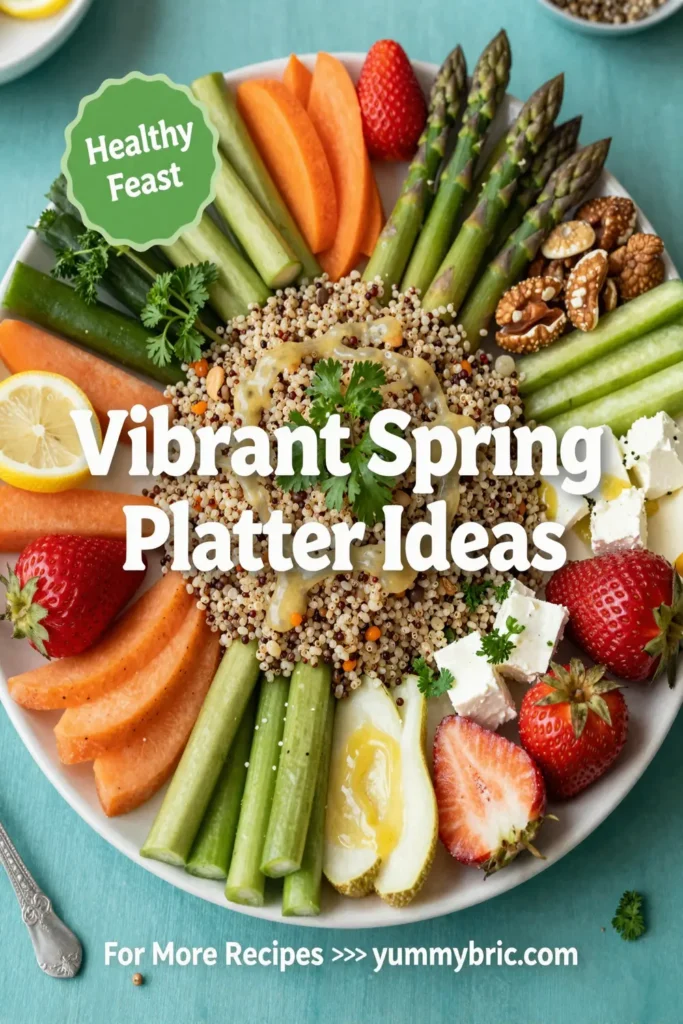
This collection of spring platters focuses on utilizing a variety of fresh, colorful ingredients that are not only visually appealing but also packed with flavor. Each platter consists of carefully chosen elements that complement one another, providing a delicious array of tastes and textures. Ideal for gatherings or even simple family dinners, these platters showcase the beauty and health benefits of spring ingredients.
Why You’ll Love This
The appeal of these spring platters goes beyond their stunning visuals. Each platter is designed to be versatile and accommodate a range of dietary needs, making them perfect for guests with different preferences. You can enjoy them as appetizers, side dishes, or even as a light main course. The freshness of the ingredients is sure to invigorate your taste buds and leave everyone feeling satisfied without the heaviness that often accompanies larger meals.
Ingredients You’ll Need
Creating these vibrant spring platters involves fresh ingredients that are easily accessible during spring. Below is a bullet list with measurements and explanations for each key ingredient used in these recipes:
- Spring Peas (1 cup): Sweet and tender, these peas add a burst of freshness and a pop of color. They can be used raw or lightly blanched.
- Radishes (1 bunch): Crisp and spicy, radishes add a delightful crunch and beautiful hue to your platter. Slicing them thinly showcases their vibrant color.
- Carrots (2 large): Bright orange in color, these add sweetness to contrast with the other ingredients. Use baby carrots for convenience or slice large carrots into sticks.
- Feta Cheese (½ cup, crumbled): Creamy and tangy, feta provides a perfect balance to the fresh veggies. Use a dairy-free alternative for a vegan option.
- Fresh Herbs (1 cup mixed: parsley, mint, basil): Herbs enhance flavor and add a fragrant aroma. Chop them finely to sprinkle over the platter for an refreshing finish.
How to Make
Creating your spring platters is an engaging and enjoyable process. Follow these step-by-step instructions for each platter idea:
- Begin by washing and prepping all your vegetables. Remove any dirt from the spring peas and rinse them thoroughly, then set aside. Trim the radishes by cutting off the greens and root, and slice them thinly to showcase their vibrant color.
- Next, peel and cut the carrots into sticks or rounds, depending on your preference. Aim for uniform sizes so they are visually appealing and easy to pick up. If using baby carrots, simply wash and dry them.
- In a mixing bowl, combine the prepared veggies. Toss in the fresh herbs that you’ve chopped finely. This will infuse the platter with aromatic scents and flavors.
- Gently fold in the crumbled feta cheese, ensuring an even distribution throughout the veggies. Be careful not to crush the feta too much; you want to maintain its crumbly texture.
- Arrange your colorful mixture artfully on a large serving platter. Make sure to display it in a way that highlights the beautiful colors and shapes of each ingredient.
- As a final touch, drizzle a light olive oil dressing or balsamic glaze over the top for added flavor and sheen. Feel free to sprinkle some additional fresh herbs or lemon zest for an extra burst of freshness.
Variations & Substitutions
Now that you have the basics of creating a spring platter, let’s explore some variations that can cater to different tastes:
Grilled Vegetable Platter
For a smoky twist, consider grilling your vegetables instead of serving them raw. Grilling brings out an intense flavor and softens the texture of vegetables like zucchini and asparagus. Simply toss sliced vegetables in olive oil, season with salt and pepper, and grill until tender. Combine your grilled veggies on the platter with the same feta and herbs for a delightful spring experience.
Vegan Spring Platter
For a vegan version, eliminate the feta and replace it with nut-based cheese or a simple avocado spread. Start with a base of crisp lettuce or spinach, then add in your fresh vegetables topped with seeds like sunflower or pumpkin for a crunchy finish.
Fruit & Cheese Platter
To create a fruit-centric platter, replace the vegetables with seasonal fruits such as strawberries, blueberries, and figs. Add in your favorite cheeses (goat cheese works beautifully) and some cracker varieties for a delightful seasonal mix.
Spreadable Platter
If you want more of a spread, consider including a variety of dips alongside the veggies, such as hummus, tzatziki, or a yogurt-based dip. This transforms your platter into a fun DIY experience where guests can create their combinations.
Common Mistakes to Avoid
When preparing your spring platter, keep the following considerations in mind to ensure success:
Improper Ingredient Preparation: Always wash your vegetables thoroughly to remove any pesticides or soil residue. Avoid cutting them too far in advance, as they can lose crispy texture and freshness.
Overcrowded Platter: Resist the temptation to cram too many ingredients onto your platter. A well-arranged platter allows each ingredient to shine. Leave space for empty spots to give a sense of balance.
Lack of Color Variety: The beauty of a spring platter comes from its colors. Ensure you have a mix of hues to create visual interest. If something feels too bland, consider adding in brightly colored herbs or warmer-toned vegetables to elevate it.
Storage, Freezing & Reheating Tips
It’s best to prepare your spring platters fresh for the best flavor and texture. However, if you have leftovers, follow these storage tips:
– **Refrigeration:** Store leftover vegetables in an airtight container. They should maintain their crunch for about two to three days in the fridge. Keep any dips separate to prevent sogginess.
– **Freezing:** While freezing is not typically advisable for fresh vegetables as they lose their crispness, you can freeze grilled veggies if prepared for another dish later on. Place them in freezer-safe bags, removing as much air as possible.
– **Reheating:** If you’ve grilled or roasted your vegetables, you can reheat them in the oven. Distribute them on a baking sheet and warm at a low temperature (around 300°F) just until heated through, making sure not to dry them out.
Frequently Asked Questions
Can I prepare the spring platter in advance?
Yes, but it’s best to prepare the vegetables just before serving to maintain their freshness and crunch. If you want to save time, chop all your ingredients a few hours ahead and store them separately in airtight containers in the refrigerator, then assemble just before serving.
What can I serve with the spring platter?
Consider complementary items such as crusty bread, crackers, or even a refreshing drink. Light wines or herbal iced teas can also enhance the eating experience.
Are these platters healthy?
Absolutely! These platters are packed with fresh vegetables and herbs, making them rich in vitamins and minerals while keeping the calories low. Adding portions of healthy fats from items like feta or avocado can elevate the nutritional value.
How can I make my spring platter stand out visually?
Use a variety of textures and colors. Choosing garnishes such as edible flowers or bright herbs can create a stunning contrast. Layering ingredients and arranging them in shapes (like a rainbow or spiral) can catch the eye and elevate the overall presentation.
What if I have dietary restrictions among my guests?
Always ask your guests about food allergies or dietary restrictions prior to planning your platter. This way, you can adjust the selection based on their needs, ensuring everyone has something delicious to enjoy.
Conclusion:
Creating a vibrant spring platter is a delightful way to celebrate the season’s bounty. With fresh ingredients in hand and a few simple steps, you can serve an impressive platter that not only appeals to the eyes but also tantalizes the taste buds. Whether enjoyed at a family meal or a festive gathering, these ideas are sure to inspire and elevate your spring cuisine. Enjoy the freshness, share with loved ones, and celebrate the joy of cooking!