Prep time: 30 minutes
Cook time: 3 hours
Total time: 3 hours 30 minutes
Servings: 8
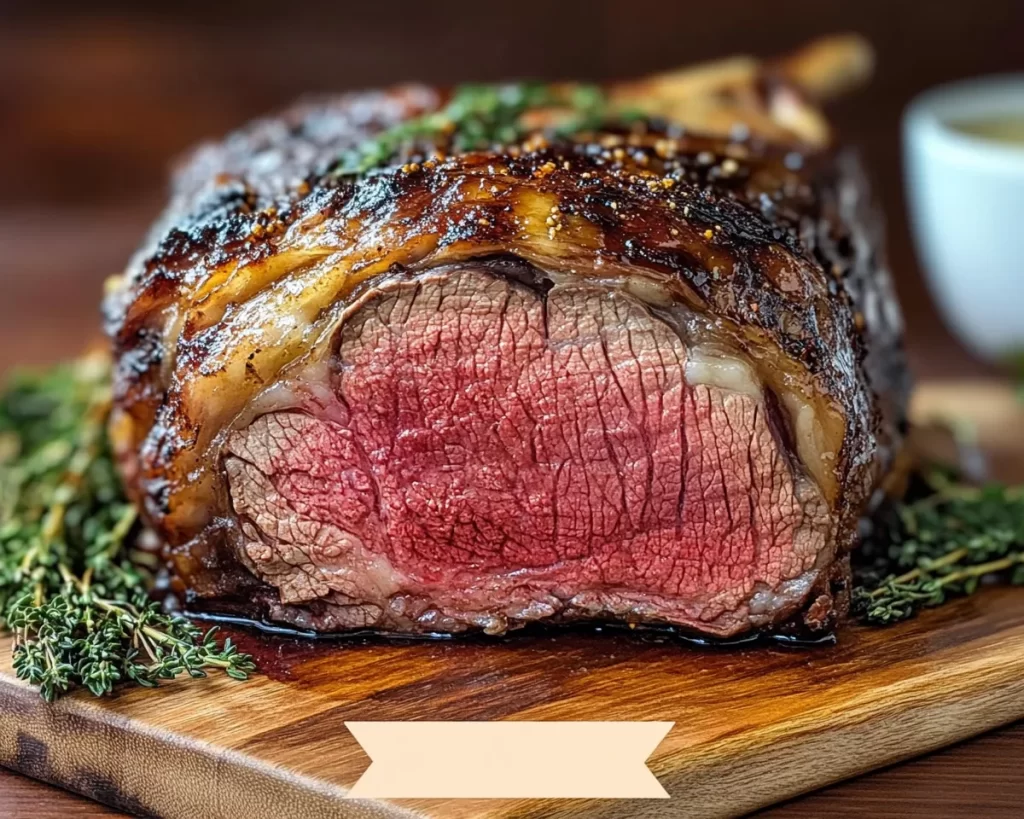
Imagine a table set for a celebration, adorned with a beautifully roasted prime rib that sends tantalizing aromas wafting through the air. The succulent meat, with its perfectly seared crust and pink, juicy interior, is more than just a dish; it’s a centerpiece that brings family and friends together. The Ultimate Prime Rib Roast Recipe is not just about cooking meat; it’s about creating memories and savoring a culinary experience like no other.
In this article, you’ll learn not just how to prepare an extraordinary prime rib roast, but also how to elevate your cooking skills. You’ll discover the ins and outs of selecting the right cut, mastering cooking techniques, and exploring variations to suit different palates and dietary preferences. By the end, you’ll be equipped to tackle this showstopping dish with confidence and finesse.
What Is The Ultimate Prime Rib Roast Recipe?
The Ultimate Prime Rib Roast Recipe celebrates the prime rib, a cut of meat that blends tenderness and flavor. Originating from the rib section of cattle, this cut is well-marbled, which contributes to its rich taste and juicy texture. When cooked correctly, the result is a roast that boasts a perfectly seared outer crust that locks in moisture and a tender, flavorful interior.
The cooking method involves *slow roasting*, which allows the meat to cook evenly while maintaining its inherent juiciness. Added are flavors drawn from simple seasonings like salt, pepper, and perhaps a hint of garlic, allowing the quality of the meat itself to shine through. You can feel the satisfaction that emerges as your kitchen fills with the mouthwatering aroma of meat caramelizing to perfection.
This recipe isn’t just about the unique flavors; it also represents tradition. Many home cooks treasure it as part of holiday or family gatherings, where the experience of cooking, sharing, and enjoying a meal together becomes part of the family’s story. Whether you are preparing it for an intimate dinner or a large celebration, this dish is sure to impress and satisfy everyone around your table.
Why You’ll Love This
You will love this recipe for several compelling reasons. First and foremost, the **taste** is unmatched. With its rich, beefy flavor and enhanced juiciness, prime rib is a cut that pleases even the most discerning of palates. Once you master this technique, you’ll be able to replicate the flavors of a high-end steakhouse right in your own kitchen.
In addition to the incredible taste, this recipe is surprisingly easy to prepare. While it looks elaborate, the steps are straightforward, which means busy parents or beginner cooks can tackle it without feeling overwhelmed. You simply need to season it, sear it, and then let the oven do the work for you.
Cost-effectiveness is another consideration; despite its reputation as a luxurious cut, prime rib can be relatively affordable when bought in larger quantities. Plus, a single roast yields multiple servings, making it a great option for meal prep or feeding a crowd.
Another important aspect to note is that this recipe can be easily adapted to accommodate various dietary preferences. Whether your guests are gluten-free, pescatarian, or simply meat-lovers, everyone will find something to enjoy at the table. Misconceptions about cooking prime rib often point to complexity, but many find it to be far easier than expected.
When you dive into the world of prime rib roasting, remember that the love you put into preparing it will be tasted by everyone gathered around the table.
Ingredients You’ll Need
To create the Ultimate Prime Rib Roast, you’ll need the following ingredients:
- Prime Rib Roast: The star of the dish, this cut should ideally weigh between 4-6 pounds for best results. Look for a well-marbled piece for enhanced flavor and tender texture.
- Salt: A key ingredient for draw out the flavor of the meat. Use kosher salt for better adherence to the surface.
- Black Pepper: Freshly cracked provides a wonderful aroma and enhances the taste profiles.
- Garlic: Fresh cloves can be minced and rubbed onto the meat for added flavor.
- Herbs: Fresh rosemary or thyme can add depth to the dish. They complement the beef beautifully.
- Olive Oil: This helps to create that perfect crust when searing the meat.
Each ingredient plays a crucial role, whether it’s enhancing flavor or contributing to the overall presentation of the dish. You can customize this list to suit your personal taste—perhaps adding your favorite spices or herbs for a unique twist.
How to Make
Follow these step-by-step instructions to create your Ultimate Prime Rib Roast.
- Prepare the Roast: Start by taking your prime rib out of the fridge. Allow it to come to room temperature for at least an hour before cooking. This step ensures even cooking throughout the roast. Pat it dry with paper towels, which will help achieve that beautiful crust during searing.
- Season Generously: Rub the roast with a blend of kosher salt, freshly cracked black pepper, and minced garlic. Massage the seasoning into the meat thoroughly, ensuring it’s not just on the surface. You can also sprinkle fresh herbs, like rosemary or thyme, over the top for added flavor. Let it sit for 30 minutes to absorb the rub.
- Preheat the Oven: Preheat your oven to 450 degrees Fahrenheit (232 degrees Celsius). This initial high temperature will help lock in juices and create that coveted crust.
- Sear the Meat: In a large skillet, heat a couple of tablespoons of olive oil over medium-high heat. Once hot, carefully place the prime rib in the skillet, fat side down. Sear for about 5-7 minutes, rotating until all sides are browned and caramelized. This step is essential for locking in flavor.
- Roast in the Oven: Once seared, transfer the prime rib to a roasting pan, bone side down. Roast at 450 degrees Fahrenheit for the first 20-30 minutes, then reduce the temperature to 325 degrees Fahrenheit (163 degrees Celsius) and continue cooking for approximately 1.5-2 hours. Use a meat thermometer inserted into the thickest part of the meat; aim for an internal temperature of 130 degrees Fahrenheit (54 degrees Celsius) for medium-rare.
- Let it Rest: Once the prime rib reaches your desired internal temperature, remove it from the oven. Tent it with aluminum foil and let it rest for at least 20 minutes. This resting period allows the juices to redistribute within the meat, ensuring each slice will be tender and juicy.
- Slicing and Serving: Use a sharp knife to carve the roast into thick slices. Serve immediately, optionally with a side of horseradish sauce or your favorite side dishes. Enjoy the fruits of your labor!
Each step has been crafted to ensure you achieve the perfect roast every time. Pay close attention to resting your meat, as this is a common step that is often overlooked. Resting is crucial for optimal texture.
Variations & Substitutions
Garlic Herb Crusted Prime Rib: For a more robust flavor, consider incorporating more herbs and spices into your rub. Adding crushed garlic cloves, fresh rosemary, and thyme creates a fragrant crust that is hard to resist. This variation is perfect for family gatherings, where guests can savor an amplified flavor experience.
Smoked Prime Rib: If you’re feeling adventurous, consider preparing your prime rib in a smoker. The process adds a distinct flavor that grilling or roasting cannot replicate. Smoke the roast low and slow at 225 degrees Fahrenheit (107 degrees Celsius) to achieve that delicious smokiness. This variation is ideal for summer cookouts or special occasions.
Herb Butter Rub: Another variation involves creating a herb-infused butter that you can smear under the skin and over the roast. Mixing softened unsalted butter with herbs like rosemary, thyme, and garlic adds both moisture and flavor during cooking. This method works beautifully for those who love rich, buttery flavors.
Asian-Inspired Glaze: If you’re looking to change up the flavor profile, consider an Asian-inspired marinade. A mix of soy sauce, ginger, and sesame oil can bring an exciting twist to your prime rib. Pair this with a side of stir-fried vegetables for a fusion feast that your guests won’t soon forget.
Each variation not only adds a unique flavor but can accommodate different guests’ preferences or dietary needs. Don’t hesitate to mix and match ingredients according to what you have on hand and what flavors you love.
Common Mistakes to Avoid
While the Ultimate Prime Rib Roast is relatively straightforward to prepare, there are a few challenges that can arise if you’re not careful. One common mistake is not allowing the meat to reach room temperature before cooking. Cooking a cold roast can lead to uneven cooking, where the exterior might be overcooked before the interior reaches the proper temperature. Always remember to plan ahead and let your meat rest out of the fridge for about an hour.
Another crucial tip is to resist the urge to slice into the roast too soon. Cutting into the meat before it has had a chance to rest will result in a significant loss of juices, leading to dry slices. Give it at least a 20-minute rest, tented with foil, to allow those juices to redistribute.
Lastly, under-seasoning is a common pitfall. Given the richness of prime rib, it can easily overpower any subtle seasoning. Make sure your seasonings are generous. Taste your rub or seasoning blend before applying to determine whether it has that bold punch you’re aiming for.
Storage, Freezing & Reheating Tips
To ensure you enjoy your leftover prime rib at its best, it’s important to follow proper storage techniques. First, once the roast is completely cooled, store it in an airtight container in the fridge. It can last up to 3-4 days this way. Wrap individual slices in plastic wrap before sealing them in the container to prevent them from drying out.
For long-term storage, consider freezing the prime rib. Wrap the slices tightly in plastic wrap and then place them in a freezer-safe bag. Properly stored, your prime rib can last up to 4-6 months in the freezer. To reheat, use an oven set at a low temperature of about 250 degrees Fahrenheit (121 degrees Celsius) to warm the meat gradually without sacrificing its moisture or flavor.
If you’re reheating from frozen, allow it to thaw in the fridge overnight before warming. The key is to heat gently and avoid overcooking, so keep an eye on the internal temperature.
Following these best practices will allow you to savor every bite, even days after the initial meal.
Frequently Asked Questions
What is the best cut of meat for prime rib?
The best cut for prime rib is the standing rib roast, which contains a portion of the ribeye section. Look for a roast that is well-marbled with fat, as this will yield the juiciest and most flavorful results. Various grades, such as Prime or Choice, will also affect texture and flavor, with Prime being the most desirable.
How do I know when the prime rib is done?
A meat thermometer is essential for determining doneness. For a medium-rare finish, cook until the internal temperature reaches 130 degrees Fahrenheit (54 degrees Celsius). Allow for carryover cooking, where the temperature can rise an additional 5 degrees after removing it from the oven. A thermometer takes the guesswork out of the equation.
Can I cook a prime rib in an air fryer?
Yes, you can cook prime rib in an air fryer! To do this, simply follow similar preparation steps, adjusting the cooking time and temperature according to your air fryer’s guidelines. Typically, you will cook it at around 300 degrees Fahrenheit (149 degrees Celsius) and continuously monitor the internal temperature to ensure it achieves your desired doneness.
Is prime rib gluten-free?
Yes, prime rib is naturally gluten-free as it is a cut of beef. However, if you’re using sauces or rubs, always check ingredients for hidden gluten. Many homemade seasonings and marinades can be easily made gluten-free, making prime rib an excellent option for those with dietary restrictions.
What should I serve with prime rib?
Prime rib pairs beautifully with various sides. Classic options include creamy mashed potatoes or roasted vegetables. For a lighter touch, you might serve it with a fresh salad or steamed asparagus. The key is to select sides that will complement the rich, savory flavors of the roast.
Conclusion:
The Ultimate Prime Rib Roast Recipe is a culinary journey that leads to an unforgettable meal, bursting with flavor and tradition. Your table will not only be graced with a spectacular roast but you’ll also gather friends and family around, creating memories with each slice. Whether you’re celebrating a special occasion or simply enjoying a weekend family meal, this recipe is a surefire way to impress. Try it for your next gathering and watch as smiles fill the room and plates are cleared. Happy cooking!