Prep time: 20 minutes
Cook time: 30 minutes
Total time: 50 minutes
Servings: 6 servings
Easter is a time for celebration, family gatherings, and of course, delicious food that brings everyone together. If you’re looking for a dessert that perfectly embodies the flavors of springtime while pleasing both kids and adults alike, then you need to try these delightful Easter Lemon Meringue Dessert Cups. Bright and tangy lemon curd combined with fluffy meringue creates a taste experience that is both refreshing and indulgent. This recipe is one of those remarkable treats that not only tastes wonderful but also elevates your culinary game without requiring too much effort.
In this article, you will learn how to make these charming dessert cups from scratch, including tips on achieving the perfect meringue and variations that cater to different dietary needs. Each bite will transport you to sunny days filled with warmth and joy, making these cups a must-have on your Easter dessert table. Get ready to delight your family and friends with a dish that is sure to create lasting memories!
What Is Easter Lemon Meringue Dessert Cups?
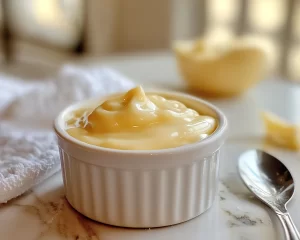
Easter Lemon Meringue Dessert Cups are a modern twist on the traditional lemon meringue pie, elegantly presented in individual servings that make them perfect for gatherings. Originating from classic desserts dating back to the 19th century, they showcase the brilliant contrast between sweet meringue and tart lemon curd. The dessert cups consist of a smooth, creamy lemon filling made from fresh lemons and egg yolks, which offers a vibrant flavor that’s both bright and tart. Topped with a fluffy meringue layer, these cups provide a delightful textural experience—smooth and creamy underneath contrasted with light and airy on top.
The flavor profile of lemon meringue is what draws many to this dessert. The zesty notes of lemon evoke a sense of freshness, perfect for springtime celebrations. The meringue, made from whipped egg whites and sugar, is lightly toasted to create a golden crust that adds a subtle toasted flavor, complementing the citrus filling beautifully. Each dessert cup is not only pleasing to the palate but also a feast for the eyes, showcasing a beautiful, glossy meringue atop a sunny yellow curd.
Making these cups is a fantastic way to create portion-controlled desserts that can easily incorporate personal touches, such as garnishes or flavor variations, making them versatile and fun to serve.
Why You’ll Love This
You’ll absolutely love this recipe for a number of reasons. Firstly, the taste is unparalleled. The sweet-tart flavor of the lemon curd, combined with the airy sweetness of the meringue, creates a mouthwatering experience that is truly irresistible. Secondly, this dessert is surprisingly easy to make! While traditional lemon meringue pie can seem daunting, these dessert cups simplify the process without sacrificing an ounce of flavor or presentation. They are ideal for busy parents or beginner cooks who want to impress without spending hours in the kitchen.
Additionally, the cost of making these delightful cups is relatively low compared to purchasing them from a patisserie. You likely have many of the ingredients on hand, making it a budget-friendly option for those looking to create a special dessert without breaking the bank. Lastly, they are versatile! You can easily adapt the recipe to fit various dietary needs, such as gluten-free or reduced sugar options.
Many people may think that making meringue is a complicated process. However, the key is to take your time and follow the steps carefully. Avoid common mistakes, and soon you’ll be whipping up meringues like a pro, allowing you to craft not only these delicious cups but also various desserts that call for this sweet topping.
Ingredients You’ll Need
- 1 cup granulated sugar: This is the main sweetener for both the lemon curd and the meringue. For a healthier option, consider using coconut sugar for a lower glycemic index.
- 5 large eggs: You will need both egg whites for the meringue and egg yolks for the lemon curd. Fresh eggs yield the best results. If you’re vegan, aquafaba (the liquid from canned chickpeas) can substitute for egg whites.
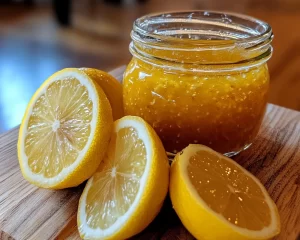
- 1/2 cup fresh lemon juice: Provides that essential tangy flavor. Freshly squeezed lemon juice is recommended for the best taste. You can also try this with key limes for a different citrus kick.
- 1 teaspoon lemon zest: Adds an extra layer of lemon flavor and aroma. Zest the lemons before juicing them for better efficiency.
- 1/4 teaspoon salt: Balances the sweetness of the dessert. Opt for fine sea salt for optimal dissolving.
- 1 tablespoon cornstarch: This helps to thicken the lemon curd, giving it a velvety consistency.
- 1/4 teaspoon cream of tartar: Stabilizes the whipped egg whites and helps to create a fluffier meringue.
Each ingredient plays a crucial role in achieving the perfect balance of flavors and textures in your Easter Lemon Meringue Dessert Cups. Make sure to gather all your components beforehand to streamline the cooking process, especially if you are a beginner in the kitchen.
How to Make
1. **Prepare the lemon curd**: Begin by whisking together the egg yolks, granulated sugar, lemon juice, lemon zest, and cornstarch in a medium saucepan. Place the saucepan over medium heat and stir continuously until the mixture begins to thicken and bubble—approximately 8 to 10 minutes. This step is crucial; you want to avoid scrambling the eggs, so consistent stirring is key. Once thickened, remove it from the heat and allow it to cool for a few minutes before pouring it into dessert cups. This will create a delightful base for your dessert.
2. **Chill the curd**: After the lemon curd has cooled slightly, cover it with plastic wrap, pressing the wrap directly onto the surface to prevent a skin from forming. Place the cups into the refrigerator to chill for at least 30 minutes. This chilling step is essential, as it allows the flavors to meld beautifully and gives the curd a smooth texture.
3. **Make the meringue**: While the lemon curd chills, grab a clean bowl and begin whipping the egg whites. Add the cream of tartar after 1 minute of whipping to help stabilize the meringue. Continue whisking until soft peaks form before gradually adding in the remaining sugar. Whip until you reach stiff peaks—this may take 3 to 5 minutes. Your meringue should be glossy and hold its shape well when you lift the whisk.
4. **Assemble the dessert cups**: Once the lemon curd has set, remove the cups from the refrigerator. Spoon or pipe the meringue over each lemon curd layer, creating peaks and swirls for an elegant look. Aim for a generous layer of meringue to ensure every bite has that delightful contrast between sweet and tart.
5. **Toast the meringue**: Preheat your broiler. Place the assembled cups on a baking sheet and broil them for about 1 to 2 minutes, watching closely to prevent burning. The meringue should become golden brown in color. This extra step not only enhances the flavor but also adds a beautiful visual appeal.
6. **Serve and enjoy**: Let the dessert cups cool for a few minutes before serving. These taste best when enjoyed the same day they are made, as the meringue will gradually lose its crisp texture over time. Impress your guests with these adorable and delicious dessert cups that are bound to make your Easter celebration memorable!
Variations & Substitutions
Vegan Lemon Meringue Dessert Cups: To make these cups vegan-friendly, substitute the egg whites with aquafaba, which is the liquid from a can of chickpeas. Whip the aquafaba using the same method as you normally would, adding sugar and cream of tartar as specified. The lemon filling can be made using a combination of silken tofu, lemon juice, and a sweetener of your choice, creating a tart yet nutritious alternative. This variation allows everyone at the table to enjoy these delightful cups, regardless of their dietary preferences.
Gluten-Free Version: This recipe is naturally gluten-free, but ensure to check that your sugar and cornstarch are certified gluten-free if you’re catering to someone with celiac disease. You could also add a gluten-free crust at the bottom of each dessert cup if desired, using crushed gluten-free cookies mixed with melted dairy-free butter. This will give the dessert a more pie-like feel while maintaining the integrity of the original flavors.
Berry Topped Variation: For a fruity twist, consider adding fresh berries such as raspberries or blueberries on top of the meringue. This not only enhances the aesthetic appeal but also adds a burst of flavor that pairs beautifully with lemon. Simply sprinkle the berries over the toasted meringue just before serving. This variation is perfect for those who enjoy a fruitier dessert.
Reduced Sugar Option: If you’re concerned about sugar intake, you can easily substitute some of the granulated sugar with stevia or erythritol, which has no calories and a negligible effect on blood sugar. Keep in mind that the texture may vary slightly, especially in the meringue, so it may take a bit of experimenting to achieve the desired results.
Common Mistakes to Avoid
When making Easter Lemon Meringue Dessert Cups, it is vital to avoid some common mistakes to ensure your dessert comes out perfectly. One common issue is not achieving the right texture in your meringue. Make sure that the bowl and utensils used for whipping the egg whites are spotless—any oil or residue can prevent the egg whites from whipping up properly. Use a glass or metal bowl instead of plastic, as plastic can sometimes retain oils.
Another essential point to note is the cooking temperature of the lemon curd. If cooked at too high a temperature, the mixture may curdle. Always whisk on medium heat and remove from heat when it thickens to avoid scrambling the egg yolks. Additionally, when broiling the meringue, keep a close eye on it. It can go from beautifully toasted to burnt in a matter of seconds. Lightly golden with some charred peaks is ideal for both appearance and flavor.
Lastly, don’t put the dessert cups together too far in advance. If left for too long, the meringue may become soggy due to the moisture from the lemon curd. Aim to assemble and broil them shortly before serving for that perfect fresh texture.
Storage, Freezing & Reheating Tips
While these Easter Lemon Meringue Dessert Cups are best served the same day, you can store leftovers in an airtight container in the refrigerator for up to 2 days. Be aware that the meringue will lose its crispness as it sits, so it may not retain the same texture after a day.
If you want to prepare the lemon curd ahead of time, you can store it in the refrigerator for up to a week. Just make sure it’s airtight and covered properly. To refresh the meringue, consider whipping a fresh batch to add just before serving. Freezing meringue is not generally recommended, as it can change the texture significantly when thawed.
For dessert cups that you want to keep longer, consider freezing the lemon curd separately from the meringue. The curd can be frozen for up to three months. When ready to serve, thaw it in the refrigerator overnight, then prepare a fresh batch of meringue before assembling.
Frequently Asked Questions
Can I use bottled lemon juice instead of fresh?
While you can use bottled lemon juice in a pinch, the flavor will not be as vibrant and zesty as using fresh lemons. Fresh lemon juice offers a brighter taste, while bottled varieties can often contain preservatives that may affect the overall flavor profile. For optimal results, always use fresh lemons.
Can I make these dessert cups the day before?
You can prepare the lemon curd in advance and store it in the fridge for up to a week. However, it’s best to whip up and assemble the meringue on the day of serving to maintain its texture. If you must prepare it beforehand, store it in an airtight container, but keep in mind the meringue may lose some of its fluffiness over time.
What can I use to replace the eggs in the meringue?
Aquafaba, the liquid from a can of chickpeas, is an excellent substitute for egg whites in meringue. It mimics the properties of egg whites and can be whipped to achieve similar results. You’ll typically need about three tablespoons of aquafaba to replace one egg white.
What should I do if my meringue isn’t holding its shape?
If your meringue isn’t holding its shape, there are a few potential reasons. Ensure your bowl and whisk are clean and free from any grease. Adding a little more cream of tartar can also help stabilize the meringue. If you’re still having trouble, be sure to whip it until you achieve stiff peaks, which means that it should hold its shape and not fall over when the whisk is removed.
Are there any specific lemons that are best for this recipe?
Regular lemons are great for this recipe, but you can also try using Meyer lemons for a sweeter and less acidic flavor. Meyer lemons can give the dessert a unique, subtle twist, making it a great option for those who prefer a sweeter lemon taste. Just ensure you adjust the sugar accordingly if using sweeter varieties.
Conclusion:
To sum it up, these Easter Lemon Meringue Dessert Cups are an exceptional addition to any spring celebration. Their balance of tartness and sweetness pairs perfectly with the bright flavors of lemon, and the elegant presentation will impress your guests. Don’t hesitate to customize the recipe to suit your preferences or dietary needs. Whether you stick to the classic recipe or explore variations, you’ll find that these cups are a delightful treat to make and share. So roll up your sleeves and give this recipe a try! You won’t just be pleasing your taste buds; you’ll also create lasting memories with your loved ones.