Prep time: 15 minutes
Cook time: 10 minutes
Total time: 25 minutes
Servings: 4
Imagine the smell of freshly toasted bread wafting through your kitchen, enticing everyone to the breakfast table. Now imagine that bread is soaked in a luxurious, creamy Irish liqueur infused custard and topped with a sprinkle of powdered sugar! This is what you get with St Patrick’s Day Irish Cream French Toast. It’s not just a breakfast; it’s an experience that brings friends and family together to celebrate the joy of good food.
What makes this recipe truly special is the combination of rich flavors that are both comforting and indulgent. The richness of the **Irish cream liqueur** melds beautifully with the **eggs**, bringing a new level of depth to this otherwise classic dish. If you’re looking to impress your guests or to treat yourself on a lazy Sunday morning, you’ve come to the right place!
In this article, you will learn how to easily prepare this delightful dish, the ingredients you’ll need, and various tips to customize it according to your taste. Whether you’re a culinary novice or a veteran in the kitchen, this recipe is simple enough that you will find success on your first try.
What Is St Patrick’s Day Irish Cream French Toast?
St Patrick’s Day Irish Cream French Toast is a festive twist on the traditional French toast that embraces the flavors of Irish culture, particularly the rich and creamy taste of **Irish cream liqueur**. Originating from France, French toast is essentially bread soaked in a mixture of eggs and milk, then fried until golden brown. This version, however, adds an exciting Irish flair that makes it perfect for St. Patrick’s Day celebrations or any day when you crave something a little more indulgent.
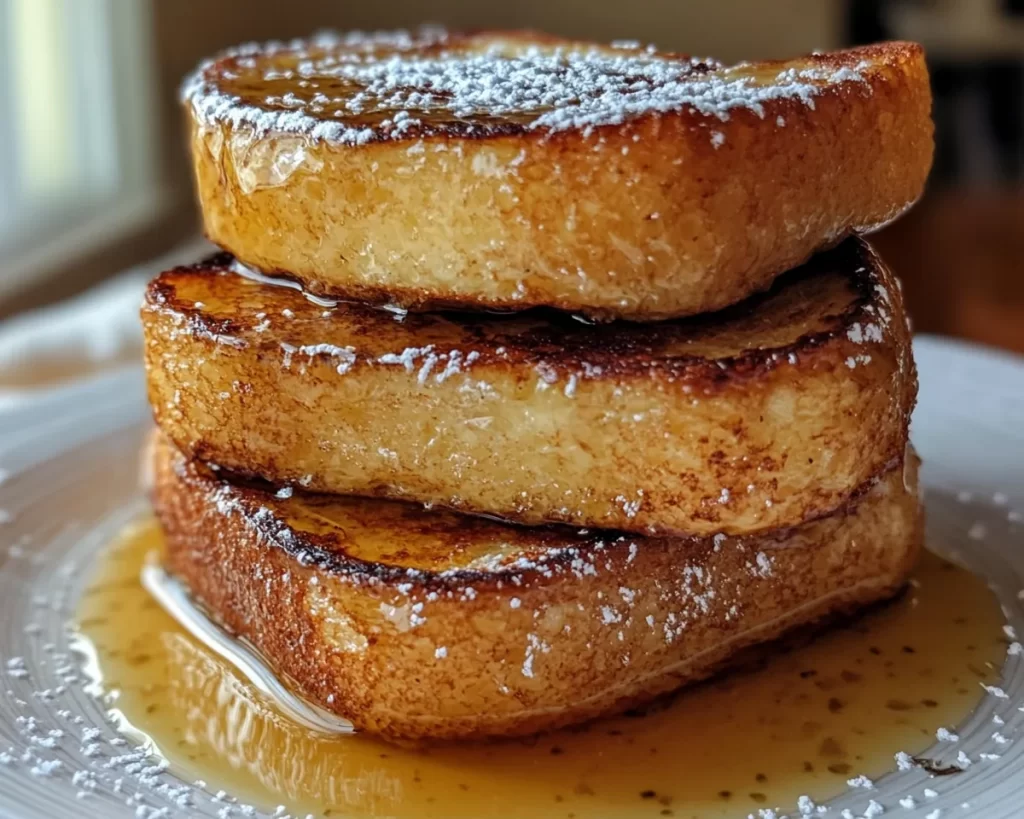
This dish features bread soaked in a custard mixture spiked with Irish cream, which contributes not just flavor but also a creamy texture that sets it apart from other breakfast options. You will find that each slice is light and fluffy on the inside while being perfectly crisp on the outside, creating a delightful contrast to the sweet and creamy topping that you can add. Topped with fresh berries or a drizzle of maple syrup, this dish is not only visually appealing but also a treat for your taste buds.
The flavors are not just rich; they are balanced perfectly with hints of vanilla, subtle coffee notes, and an overall softness that lingers in your mouth long after your last bite. It’s a dish that evokes warmth, comfort, and happiness, making it ideal for lazy brunches or festive celebrations.
Why You’ll Love This
There are countless reasons to love St Patrick’s Day Irish Cream French Toast—not only is it incredibly delicious, but it also caters to various dietary needs and preferences. The outstanding flavor profile comes from easily accessible and relatively inexpensive ingredients, making it an affordable yet luxurious breakfast option. The ease of preparation means that busy parents or individuals with hectic schedules can whip up a delightful meal without spending hours in the kitchen.
One common misconception is that French toast can only be enjoyed as a traditional breakfast item. In reality, this delectable dish can be served at brunches, parties, or even as a comforting dessert. You can enjoy it plain or dress it up with toppings to suit your mood, making it versatile enough for any occasion.
Moreover, you can customize this dish by tweaking ingredients or making substitutions to suit your dietary requirements. For example, you can easily swap the **bread** for gluten-free varieties or use non-dairy milk to make it vegan-friendly. This adaptability ensures that everyone at the table can indulge in the deliciousness of your culinary creation.
Ingredients You’ll Need
- Thick-Cut Bread: It’s recommended to use a firm bread, such as brioche or challah, which can hold up well to soaking. These types will give you a custardy texture without falling apart.
- Eggs: Essential for the custard base, eggs add both richness and protein to the dish. You can opt for organic or free-range eggs if you are looking for higher-quality options.
- Irish Cream Liqueur: The star of this recipe, providing unique flavor and richness. For a non-alcoholic alternative, use a mixture of heavy cream and vanilla extract.
- Milk: You can use whole milk for creaminess, or opt for skim or non-dairy alternatives for a lighter option.
- Vanilla Extract: Enhances the flavor profile beautifully. Use pure vanilla extract for the best results.
- Cinnamon: A popular spice in breakfast recipes, it adds warmth and sweetness. Feel free to adjust the quantity according to your taste preferences.
- Butter: For cooking the French toast, butter facilitates browning and adds a rich flavor.
- Powdered Sugar (optional): For dusting the finished French toast, adding a touch of sweetness and elegance.
- Fresh Berries (optional): Top with strawberries, blueberries, or raspberries for a fruity flavor and added freshness.
Each of these ingredients plays a crucial role in shaping the dish, from the sturdy bread that preserves the custard to the sweet toppings that finish the dish elegantly. Knowing what each ingredient contributes will help you appreciate the complexity of flavors and textures in every bite.
How to Make
1. **Prepare the Custard Mixture:** In a medium mixing bowl, combine the **eggs**, **Irish cream liqueur**, **milk**, **vanilla extract**, and a pinch of **cinnamon**. Whisk until the ingredients are fully incorporated and the mixture is smooth. You want to ensure that there are no lumps, as a well-mixed custard will evenly coat the bread.
2. **Soak the Bread:** Place your slices of thick-cut bread into a shallow dish. Carefully pour the custard mixture over the bread, ensuring all slices are evenly soaked. Allow them to sit for about 5-10 minutes. This step is crucial; if you don’t let it soak long enough, the bread won’t absorb enough custard to become custardy.
3. **Heat the Skillet:** In a non-stick skillet over medium heat, add a tablespoon of **butter** and let it melt. Ensure it coats the bottom of the pan evenly. You can also use a cast-iron skillet for a perfectly crispy texture, but ensure it’s well-seasoned.
4. **Cook the French Toast:** Once the butter is melted and bubbling, carefully place a couple of soaked bread slices in the skillet without overcrowding. Cook for about 3-4 minutes on one side until golden brown before gently flipping them to cook the opposite side for another 3-4 minutes. You want a lovely caramelized exterior while retaining a soft, creamy interior.
5. **Serve Immediately:** Once cooked, remove the French toast from the skillet and allow it to rest on a plate for a moment. Dust with **powdered sugar** and add your choice of toppings, such as fresh **berries** or a drizzle of maple syrup. Serve while warm for the best experience.
Remember, the secret to excellent French toast is the perfect balance between soaking time and cooking time, ensuring your meal is decadent yet structured.
Variations & Substitutions
Classic Irish Cream French Toast
For those who appreciate traditional flavors, sticking to the basic recipe will give you a charmingly rich dish that embodies the essence of Irish cream without any distractions. This version is straightforward yet delicious, allowing the flavor of the liqueur to shine through. Serve it with a dollop of whipped cream or possibly a drizzle of caramel sauce for that extra touch of sweetness.
Nutty Flavored French Toast
If you’re looking to add a nutty twist to your French toast, consider incorporating some finely chopped **walnuts** or **pecans** into the custard mixture. This variation provides an extra layer of texture and flavor, making each bite an adventure. If you prefer, you can blend in some **almond extract** instead of vanilla for another level of nuttiness.
Vegan Irish Cream French Toast
For those adhering to a vegan lifestyle, there are ample ways to adapt this recipe. Instead of regular eggs, consider using **flaxseed meal** (1 tablespoon ground flaxseed mixed with 3 tablespoons of water for each egg) or **silken tofu** blended until smooth. Non-dairy milks such as **almond**, **soy**, or **oat milk** will work wonderfully. For a vegan version of Irish cream, you can concoct a homemade liqueur using coconut cream, coffee, and vanilla to maintain that rich flavor.
Chocolate Delight French Toast
For chocolate lovers, a delightful variation would involve sprinkling chocolate chips into the custard before soaking the bread. Upon cooking, these gooey nuggets will melt, adding a touch of decadence. Top it off with a sprinkle of cocoa powder and perhaps a drizzle of chocolate syrup for a heavenly chocolate breakfast option.
Fruit-Infused French Toast
For a vibrant, fruity French toast, consider adding fresh fruit slices into the soaking mixture. Sliced bananas, diced strawberries, or even **mango** can infuse your dish with a burst of freshness and color. This variation offers seasonal flavors that will certainly bring a smile to anyone’s face while maintaining a beautiful aesthetic on the plate.
Common Mistakes to Avoid
One of the most common pitfalls when making French toast lies in the soaking time. **If you do not let the bread soak long enough**, it will not absorb the custard and will end up dry. Similarly, **over-soaking** can lead to mushy bread, which can ruin the overall texture and taste. Aim for about 5-10 minutes, depending on the bread’s absorption ability.
Another mistake is cooking on too high a heat. **If your pan is too hot,** the outside may brown quickly while the inside remains undercooked. Always use medium heat and keep an eye on the cooking process. Adjust as necessary to ensure even cooking without burning.
Finally, there’s the challenge of choosing the right bread. **Stale bread is preferable,** as it absorbs the custard better without falling apart. If your bread is fresh, consider letting it sit out for a few hours before making this dish to give it a bit of firmness. This makes for a better overall texture in your final product.
Storage, Freezing & Reheating Tips
If you have any leftovers—which rarely happens with a dish this good—store them in an airtight container in the refrigerator for up to 3 days. Ensure they cool completely before sealing to avoid condensation which can make them soggy.
For longer storage, this dish can also be frozen. To do so, allow the cooked French toast to cool completely, then place individual slices on a parchment-lined baking sheet and freeze until solid. Once solid, stack the slices in a freezer-safe container with layers of parchment paper between them to prevent sticking. They can be frozen for up to 2 months.
When you’re ready to enjoy your frozen French toast, simply reheat them in the oven at 350°F (175°C) for about 10-15 minutes or until heated throughout. You can also microwave them for quick reheating, but they may not retain their crisp texture as well.
Food safety is key—always ensure that cooked food is cooled promptly and sealed tightly to avoid contamination.
Frequently Asked Questions
Can I use any type of bread for this recipe?
Yes, while the best choices are thick slices of brioche or challah for their sturdiness and flavor, other varieties can work as well. Just make sure the bread can absorb the custard without falling apart. Stale bread is particularly effective for soaking up the custard mixture.
Can I make St Patrick’s Day Irish Cream French Toast ahead of time?
Absolutely! You can assemble everything the night before, soaking your bread in the custard mixture and storing it covered in the refrigerator. Just remember to allow it to sit at room temperature for a few minutes before cooking to ensure even cooking.
Is there a non-alcoholic version I can make for kids?
Yes! You can easily substitute the Irish cream liqueur with a combination of **heavy cream**, a bit of **vanilla extract**, and some **coffee** (or just chocolate milk, for sweetness). This will still offer a unique flavor without the alcohol content.
What toppings pair well with this dish?
A variety of toppings work splendidly! Fresh fruits such as berries or bananas enhance the dish’s flavor profile. You can also use a drizzle of maple syrup, honey, or a dollop of whipped cream for that extra touch of indulgence. Don’t shy away from adding a sprinkle of **cinnamon** or **nutmeg** for a comforting spiced aroma.
Can I make this recipe gluten-free?
Definitely! Simply substitute regular bread with a gluten-free alternative that has a similar texture. Many gluten-free breads available today work well for French toast and won’t compromise on flavor.
Conclusion:
In summary, St Patrick’s Day Irish Cream French Toast is not just breakfast; it’s a culinary celebration that combines richness, flavor, and a bit of indulgence. With its customizable ingredients and easy preparation, it’s perfect for any occasion, whether you’re celebrating St. Patrick’s Day or just treating yourself on a lazy Sunday morning. I encourage you to embrace this recipe, make it your own, and share it with loved ones. After all, great food has the power to create lasting memories. Enjoy every bite!