Prep time: 15 minutes
Cook time: 25 minutes
Total time: 40 minutes
Servings: 6
When hosting a spring dinner party, the perfect salad can elevate your meal and impress your guests. Imagine a dish that combines the crisp, refreshing taste of fresh asparagus with the nutty crunch of toasted almonds and the zing of a citrus vinaigrette. This Spring Dinner Party Roasted Asparagus Salad is not just visually stunning; it is a delightful symphony of flavors that encapsulates the essence of spring. It’s an easy-to-make dish that offers a perfect balance of health and taste while being adaptable to various dietary needs. What you’re about to discover is not just a recipe; it’s an experience that will transform your gatherings and make them memorable.
This roasted asparagus salad celebrates the beauty of seasonal ingredients. You’ll learn how to perfectly roast asparagus to achieve that elusive caramelized flavor while maintaining a tender, crisp texture. The citrus vinaigrette adds a refreshing zing that complements the earthiness of the asparagus beautifully. You will also find tips for customizations and variations to suit your taste or accommodate dietary restrictions, alongside answers to your pressing questions.
What Is Spring Dinner Party Roasted Asparagus Salad?
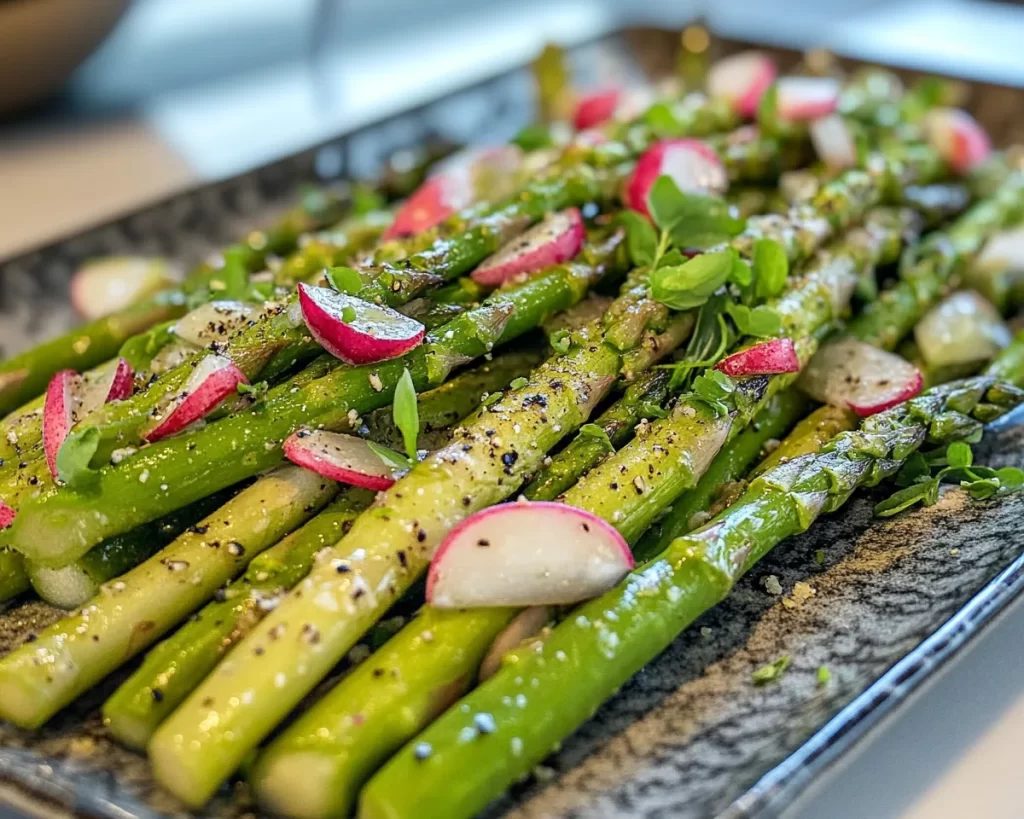
Spring Dinner Party Roasted Asparagus Salad is a delightful dish that showcases seasonal produce, particularly the star ingredient: **asparagus**. Originating from the Mediterranean, asparagus is prized for its unique flavor and health benefits. When roasted, it develops a rich, caramelized exterior while keeping a slight crunch, making it a perfect base for a salad. Combined with complementary ingredients like toasted nuts, cheese, and a vibrant dressing, this salad embodies the flavors of spring.
The **texture** of this salad is as exciting as its flavor. You can expect the crispy edges of the roasted asparagus, the crunchy almonds, and the creamy feta cheese to create a delightful contrast in your mouth. With each bite, you will taste the **freshness** of the ingredients, making it a true highlight of your dinner table. For anyone looking to celebrate spring through food, this salad is a must-try, and it’s ideal for both casual gatherings and elegant dinner parties.
This dish offers flexibility and can be customized to meet various dietary preferences. Whether you’re serving a group of health-conscious eaters, vegetarians, or those who enjoy rich flavors, this roasted asparagus salad can adapt to their needs. It is more than just a side dish; it’s a stunning representation of the freshness and vibrancy that spring has to offer.
Why You’ll Love This
There are several reasons why this Spring Dinner Party Roasted Asparagus Salad should be on your dinner table. For one, the **taste** is unmatched. The combination of earthy roasted asparagus, crunchy nuts, and zesty dressing creates a flavor profile that is both exciting and satisfying. It pairs beautifully with an array of mains, making it a versatile addition to your meal.
Another reason is its ease of preparation. You can whip this salad up in a matter of minutes, especially if you make the dressing ahead of time. Just **roast** the asparagus while you prepare the other ingredients, and you’ll have a stunning dish in no time. It’s perfect for busy parents or anyone looking to spend less time in the kitchen and more time hosting.
Cost-effectiveness is also a plus. Asparagus is often in season during spring, which means you can find it at more affordable prices. Combine it with budget-friendly ingredients like nuts or cheese, and you have a wholesome meal option that doesn’t break the bank.
The health benefits are another advantage. Asparagus is rich in vitamins, minerals, and antioxidants. By incorporating it into your diet, you’re eating something that promotes health while savoring each bite. It’s a great way to add **vegetables** to your meal without sacrificing flavor, making it ideal for those on a health journey. You’ll be surprised how many guests will enjoy eating their veggies when they taste how delicious they can be in this salad.
Ingredients You’ll Need
- Asparagus: The key ingredient, about 1 pound, is essential for bringing flavor and nutrition. Look for vibrant green stalks with firm tips. You can substitute with green beans or broccoli if asparagus is unavailable.
- Olive oil: About 2 tablespoons will help in roasting the asparagus while adding richness. You can use avocado oil for a different flavor profile.
- Salt: Just a pinch of salt to enhance flavors. Use sea salt or Himalayan salt for a gourmet touch.
- Pepper: Freshly cracked black pepper adds heat. White pepper works for a milder flavor.
- Feta cheese: Crumbled feta (about 1 cup) brings creaminess and a tangy flavor to balance the dish. You may substitute it with goat cheese or nutritional yeast for a dairy-free option.
- Almonds: Toasted sliced almonds (½ cup) provide an added crunch. You could replace these with walnuts or pecans, depending on your preference.
- Lemon juice: The juice from one lemon (about 2 tablespoons) gives the dish a refreshing zing. Lime juice is a great alternative if you prefer something different.
- Dijon mustard: One teaspoon for a touch of tanginess. You can omit this if you’re not a fan of mustard.
- Honey or maple syrup: Just a teaspoon for sweetness to balance the acidity. This can be skipped or replaced with agave syrup for a vegan version.
- Garlic: One clove, minced, adds an aromatic depth. You can use garlic powder as a substitute if necessary.
Each ingredient in this salad is not merely filling but plays a critical role in creating a vibrant dish that is satisfying and rich in nutrients.
How to Make
1. **Preheat your oven** to 400°F (200°C). This temperature is ideal for roasting vegetables, leading to perfectly tender and caramelized asparagus. Ensure your oven is hot enough; otherwise, the asparagus may turn mushy rather than crisp. You could also use an air fryer for quicker cooking.
2. **Prepare the asparagus** by rinsing it under cold water and removing the tough ends. To trim, simply bend each stalk gently until it snaps naturally. This ensures you’re eliminating any fibrous ends. Once trimmed, place the asparagus on a baking sheet lined with parchment paper to facilitate easy cleanup.
3. **Drizzle olive oil** over the asparagus. Use about 2 tablespoons to coat them evenly. Toss the asparagus so they’re covered with a light layer of oil. Since you want a **crispy texture**, avoid oversaturating your asparagus with oil.
4. **Season with salt and pepper.** After the olive oil, sprinkle a pinch of salt and a few cracks of black pepper. This is essential for enhancing the natural flavors. An evenly distributed seasoning will yield a more flavorful result.
5. **Roast the asparagus** in the preheated oven for about 15-20 minutes. The ideal time can vary based on the thickness of the asparagus stalks. Toss them halfway through for even cooking and check for doneness by piercing them with a fork; they should be tender yet crisp.
6. **Prepare the dressing** while the asparagus roasts. In a small bowl, whisk together lemon juice, Dijon mustard, honey or maple syrup, minced garlic, and a pinch of salt and pepper. This dressing will provide a beautiful contrast to the roasted asparagus, balancing flavors wonderfully. Adjust the seasoning to your preference.
7. **Toast the almonds** in a small skillet over medium heat for about 3-5 minutes, stirring frequently until they’re golden brown and fragrant. Careful not to burn them; they can go from toasted to charred quickly. This step adds both flavor and a delightful crunch.
8. **Combine all ingredients** in a large bowl after the asparagus is ready. Add the roasted asparagus, toasted almonds, and crumbled feta cheese. Pour the dressing over the top and toss gently to combine. Ensure every piece of asparagus is coated with the dressing. This will amplify the taste and create harmony in the salad.
9. **Serve immediately.** This is best enjoyed fresh. If you’d like, garnish with extra feta and almonds for an appealing presentation. The vibrant colors and textures will make this dish a centerpiece.
From beginning to end, these steps guide you through creating a fresh and delicious roasted asparagus salad that will absolutely impress your guests. The aromas that fill your kitchen as you roast the asparagus will tantalize anyone nearby, creating anticipation for the final dish.
Variations & Substitutions
Vegan Version: If you want to cater to a **vegan** audience, simply replace the feta cheese with **nutritional yeast** or omit it altogether. You can also add various ingredients like roasted chickpeas for additional protein. The difference in flavor will still make it delightful, and the nutritional yeast provides a cheesy savoriness without the dairy.
Grain-Added Salad: For those seeking something heartier, consider adding cooked grains like **quinoa** or farro. This variation not only elevates the salad but also adds a satisfying texture. The nutty flavor from the grains complements the asparagus beautifully. Make sure to season the grains as you cook them to enhance their flavor. This is perfect for a meal prep option since it keeps well in the fridge.
Cheese Lovers: If you adore cheese, add **Parmesan** or **fresh mozzarella** to the dish. While feta provides a tangy profile, a creamy mozzarella or sharp Parmesan adds a different dimension of flavor. Both options contribute to the richness of the dish while pairing well with the roasted asparagus.
Herb-Infused Dressing: Upgrade the dressing by introducing herbs like basil, parsley, or dill. Fresh herbs harmonize beautifully with roasted vegetables and bring a fragrant aroma. Simply chop the herbs finely and mix them into your existing dressing for a burst of freshness that is fitting for spring.
Alternative Nuts: Although almonds add a delightful crunch, you can substitute walnuts, pecans, or even pumpkin seeds. Each nut brings unique flavors and textures. Toasting these alternative nuts will also enhance their natural flavors. This can cater to those with nut allergies by using **seeds** instead.
Each variation offers a new twist, keeping the dish exciting while also accommodating different dietary needs. Feel free to mix and match some of these suggestions to create your personalized version of this Spring Dinner Party Roasted Asparagus Salad.
Common Mistakes to Avoid
One of the most common mistakes when preparing roasted vegetables is **overcrowding** the baking sheet. If the asparagus spears are touching each other, they will steam rather than roast, resulting in a soggy texture. To avoid this, make sure there is enough space between each spear. Use multiple baking sheets if necessary, as proper spacing is crucial.
Another potential issue is using asparagus that’s too thick or too thin. Thick stalks can lead to some being overcooked while others remain tough. Ideally, look for **medium-thin** stalks that are uniform in size. If you only have thick asparagus, you may need to adjust the roasting time to ensure even cooking.
Also, be cautious with the amount of olive oil you use. While a little oil is essential for roasting, too much can result in a greasy salad. Use just enough to coat the asparagus lightly without making them oily. Remember, you can always add more oil after roasting if needed.
Finally, when it comes to seasoning, don’t forget to taste along the way. It’s easy to underestimate how much salt and pepper your dish needs. Start by seasoning lightly, taste as you go, and adjust for the best flavor. A well-seasoned dish will elevate your flavors immensely.
Storage, Freezing & Reheating Tips
Proper storage is key to maintaining the freshness of your Spring Dinner Party Roasted Asparagus Salad. If you have leftovers, store them in an airtight container in the fridge. The salad will last for about 3 days, but the asparagus may lose some of its crispness as time goes on. To keep it fresh, consider storing the dressing separately and adding it just before serving to avoid sogginess.
Freezing this salad is not advisable. The texture of roasted asparagus changes significantly once frozen, often becoming limp and watery. However, you can prepare individual components ahead of time. Roast a large batch of asparagus and keep it in the fridge. When ready to serve, just mix with fresh ingredients.
When reheating, the best approach is to **avoid the microwave**. Instead, gently warm the asparagus in a skillet with a dash of oil over low heat to lightly heat them without losing texture. This method works well for retaining the crispiness of your vegetables while ensuring a delightful eating experience.
For any gatherings, if you plan on making this dish ahead, consider assembling right before serving. This way, your guests experience the salad at its best, full of color and flavor.
Frequently Asked Questions
Can I make this salad in advance? Yes, you can prepare parts of the salad in advance. The roasted asparagus can be stored in the refrigerator for up to three days. However, to maintain freshness, it’s best to combine all components just before serving.
What can I substitute for asparagus in this salad? If you can’t find asparagus, consider substituting green beans, broccoli, or roasted Brussels sprouts. Each of these alternatives offers its unique texture and flavor while complementing the salad beautifully.
Is this salad gluten-free? Yes, this Spring Dinner Party Roasted Asparagus Salad is naturally gluten-free, making it a versatile option for those with gluten sensitivities. Just ensure all additional ingredients, like the mustard and honey, are gluten-free!
Can I use frozen asparagus for this recipe? While it’s technically possible, fresh asparagus works best for roasting, leading to the desired texture. If you use frozen, consider blanching them quickly before roasting, as they tend to release moisture when cooked.
Can I add protein to make it a meal? Absolutely! Adding grilled chicken, shrimp, or chickpeas can elevate this salad into a complete meal. Just ensure you balance the flavors so that the main proteins complement the original flavors of the salad.
Conclusion:
In summary, the Spring Dinner Party Roasted Asparagus Salad is a beautiful amalgamation of flavors, texture, and nutrition, making it an ideal centerpiece for your gatherings. Its versatility allows for various interpretations, making it suitable for many dietary needs and preferences. This dish not only enhances your meals but also tells the story of spring through its fresh ingredients and vibrant colors. I encourage you to try this recipe, experiment with variations, and make it your own. Your guests will surely appreciate the effort and love you put into it, and who knows, it might just become a regular feature on your dinner table!