Prep time: 10 minutes
Cook time: 15 minutes
Total time: 25 minutes
Servings: 4 servings
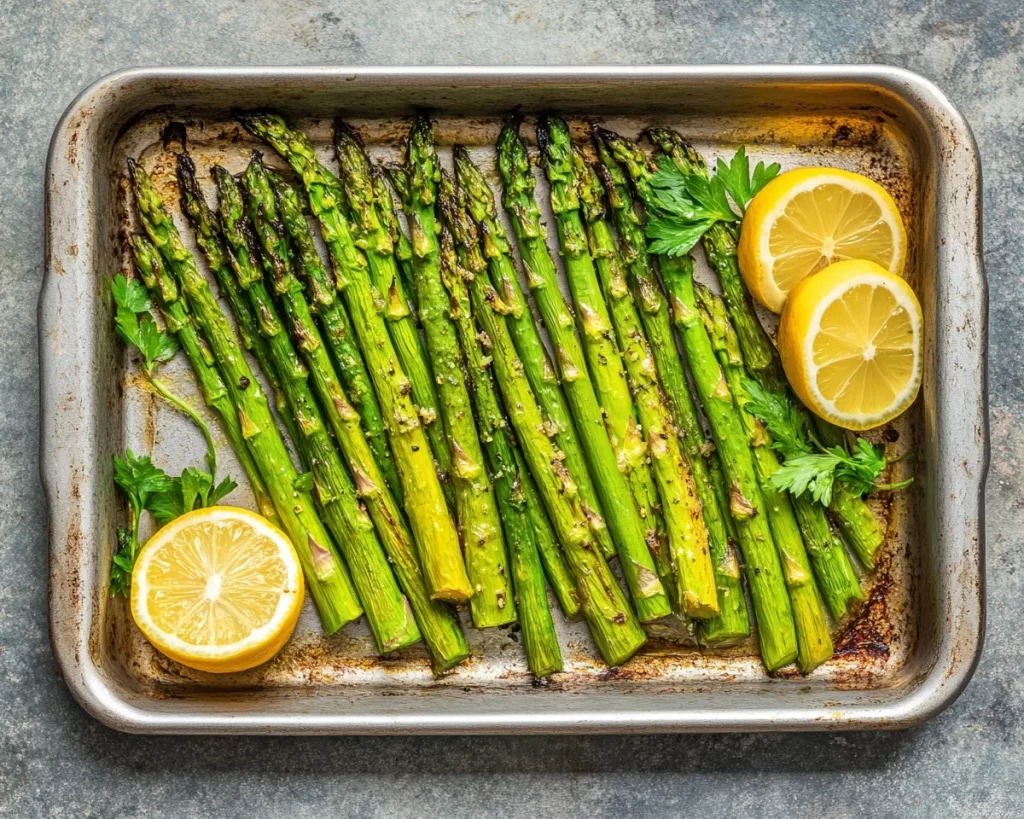
In spring, when fresh asparagus is in season, your kitchen can be the center of delightful flavors and vibrant colors. This dish, **Easter Roasted Asparagus with Lemon**, captures the essence of the season beautifully. Imagine crisp-tender asparagus spears glistening from the oven, lightly charred, and finished with a zesty drizzle of lemon that elevates the dish to new culinary heights. Not only is it visually appealing, but it also provides a fresh, vibrant flavor that’s ideal for Easter meals or any springtime gathering.
This recipe stands out because it combines simplicity and elegance. Roasting asparagus enhances its natural sweetness while providing a slightly crispy texture. Pairing it with lemon brings brightness and acidity that beautifully complements the vegetable’s earthiness. In this article, you will learn how to make the perfect Easter Roasted Asparagus with Lemon, complete with handy tips, possible variations, and answers to frequently asked questions that will empower you to make it a staple in your spring repertoire.
What Is Easter Roasted Asparagus with Lemon?
**Easter Roasted Asparagus with Lemon** is a quintessential spring dish that perfectly embodies the rebirth of flavors and ingredients after the cold winter months. Asparagus, a perennial favorite, finds its peak season during spring, making it the ideal vegetable for festive gatherings like Easter brunch or dinner. The texture of roasted asparagus is sublime; it’s tender yet retains a satisfying crunch. The roasting process caramelizes the edges, imparting a nutty flavor that contrasts beautifully with its bright, grassy notes.
When you add lemon, either as zest or juice, it introduces an element of brightness that lifts the entire dish, making it incredibly refreshing. The bright yellow hue of fresh lemon zest provides not just taste but also visual appeal, catching the eye and complementing the deep green of asparagus. This dish is not only flavorful but also incredibly easy to prepare—perfect for busy parents or anyone wanting to impress guests with minimal effort. Thus, **Easter Roasted Asparagus with Lemon** becomes a must-have on your table this spring.
Why You’ll Love This
There are numerous reasons to adore **Easter Roasted Asparagus with Lemon**. First and foremost, the taste is nothing short of spectacular. The sweet, nutty flavor of the roasted asparagus pairs magnificently with the tartness of lemon, creating a balanced dish that’s both light and satisfying. Additionally, the preparation is hassle-free. It requires minimal ingredients and can be made in just 25 minutes, making it perfect even for the busiest of weeknights or special occasions.
Furthermore, this recipe is cost-effective; asparagus is typically in-season during spring, and it provides an excellent nutritional profile, rich in vitamins A, C, and K, as well as folate. Enjoying this recipe is a healthy choice that brings nutrients to your plate without sacrificing flavor or satisfaction. Misconceptions such as requiring extensive cooking skills or needing a long list of ingredients simply don’t apply here. With this dish, you get the best of all worlds: fast, frugal, healthy, and incredibly delicious. Picture serving it at your Easter brunch, capturing smiles with every beautiful spear!
Ingredients You’ll Need
- Fresh Asparagus: This is the star ingredient. Opt for bright green, firm, and straight spears. If desired, you can substitute with broccolini or green beans.
- Extra Virgin Olive Oil: Essential for roasting, it adds flavor and helps in caramelization. You can substitute with melted butter for a richer taste.
- Lemon: Provides acidity and flavor. You’ll need both zest and juice. If lemons are unavailable, consider using lime or orange for a unique twist.
- Salt: Enhances the natural flavors of asparagus. Sea salt or kosher salt works best. Avoid using table salt as it can be too intense.
- Black Pepper: Offers a hint of spice. Freshly cracked pepper is recommended for a more aromatic flavor.
Each ingredient plays a critical role in the final product. The **fresh asparagus** is the foundation of the dish, while **olive oil** ensures that the spears roast beautifully without drying out. **Lemon** brightens the dish and adds a refreshing twist, while both **salt** and **pepper** are essential for enhancing flavors, making the asparagus irresistible.
How to Make
- Preheat your oven to 425°F (220°C). This temperature is crucial for achieving perfectly roasted asparagus that is crispy on the outside and tender on the inside.
- Wash the asparagus thoroughly under running water. Snap off the tough ends of the asparagus spears, which naturally break where the tender part begins. This technique is straightforward and ensures you’re left with the most flavorful parts.
- In a large mixing bowl, combine the washed asparagus with olive oil. Drizzle about 2 tablespoons over the spears, tossing to ensure they are evenly coated. This step is essential as it promotes even roasting and prevents sticking to the baking tray.
- Add salt, freshly cracked black pepper, and lemon zest to the bowl. Toss again until the spears are fully coated with seasonings. Pay close attention here, as seasoning is vital to enhance the dish’s overall flavor.
- Transfer the asparagus to a baking sheet in a single layer. This spacing allows them to roast rather than steam, ensuring that you achieve that delightful crispy edge.
- Bake in the preheated oven for 12-15 minutes, depending on the thickness of the spears. Asparagus roasts quickly; you’ll know they’re done when they are bright green and fork-tender, with a slight char on the edges.
- Remove the asparagus from the oven and immediately drizzle with fresh lemon juice. Allow it to sit for a minute to absorb the flavors before you serve. The added acidity from the lemon juice elevates the dish further, making each bite refreshing and invigorating.
Following these instructions will yield perfectly roasted asparagus that retains its vibrant colors and nutrients while delivering a burst of flavors.
Variations & Substitutions
Garlic Roasted Asparagus: For an extra layer of flavor, you can add minced garlic to the olive oil before drizzling it over the asparagus. Garlic pairs beautifully with asparagus and adds a lovely aromatic quality. Use about 3 cloves of minced garlic for a robust flavor. Just toss them with the asparagus before roasting, and enjoy the added aromatic depth.
Parmesan Crusted Asparagus: If you’re in the mood for something indulgent, consider adding grated Parmesan cheese halfway through the roasting process. Simply sprinkle about ¼ cup of cheese over the asparagus for the last 5 minutes of cooking. This variation elevates the dish with an extra layer of richness and a delightful cheesy crust.
Herb-Infused Asparagus: For those who love fresh herbs, consider tossing the asparagus with chopped fresh herbs such as thyme or rosemary. These herbs add a fragrant touch that complements the asparagus and lemon excellently. Use 2 tablespoons of finely chopped herbs to infuse the dish with fresh, aromatic flavors.
Spicy Maple Asparagus: If you’re feeling adventurous, try drizzling a bit of maple syrup and a pinch of red pepper flakes over the roasted asparagus before baking. This sweet and spicy combination offers a unique flavor profile that makes for an unforgettable side dish. The sweetness of the maple will caramelize while roasting, creating an incredible flavor contrast.
Each of these variations can tailor your dish to specific dietary needs or personal preferences, allowing you to explore the versatility of asparagus while maintaining the basic framework of roasting it with lemon.
Common Mistakes to Avoid
One of the most common mistakes made when roasting asparagus is overcrowding the baking sheet. When too many spears are piled together, they tend to steam rather than roast, leading to a soggy texture instead of the desired crispness. To achieve that perfect roast, make sure to spread the asparagus evenly in a single layer with space between each spear.
Another frequent issue is overlooking the asparagus in the oven. Because asparagus can go from perfectly tender to overcooked quickly, it is essential to monitor them closely during the last few minutes of cooking. Overroasted asparagus can become mushy and lose its vibrant green color. Always pull them out once they are just tender to ensure they remain deliciously crunchy.
Don’t forget to season adequately. Some cooks underestimate the amount of salt and pepper needed. Remember that asparagus benefits from a good seasoning, so make sure to be generous with salt and pepper to truly enjoy the flavors of the dish.
Storage, Freezing & Reheating Tips
After enjoying your **Easter Roasted Asparagus with Lemon**, you may have some leftovers that need proper storage. To store cooked asparagus, allow it to cool completely, then transfer it to an airtight container. It can stay in the refrigerator for about 3-5 days.
If you’d like to extend their shelf life, consider freezing the roasted asparagus. However, keep in mind that freezing may change the texture slightly. To freeze, lay the asparagus in a single layer on a baking sheet and freeze until solid. Once frozen, transfer them to a ziplock bag, removing as much air as possible, and store them in the freezer for up to three months.
When it comes to reheating, the oven is your best bet for restoring crispiness. Preheat your oven to 350°F (175°C), spread the asparagus out on a baking sheet, and warm for about 10 minutes. Alternatively, you can use a skillet over medium heat to quickly reheat them, adding a small dash of olive oil to help rejuvenate their crispness.
Always remember food safety best practices; if you’re in doubt about how long your leftovers have been stored, it’s best to err on the side of caution and discard them.
Frequently Asked Questions
Can I use frozen asparagus for this recipe?
While fresh asparagus is preferred for its taste and texture, if you only have frozen asparagus, you can use it. However, frozen asparagus often has a softer texture after cooking, which might not deliver the same crispness you’d expect from fresh. If using frozen, simply roast them directly from the freezer, but adjust the cooking time as necessary.
What is the best way to season asparagus?
The best way to season asparagus is to stick to basic flavors, as the vegetable has a delicate taste. A mix of olive oil, salt, and freshly cracked black pepper is sufficient. You can also add fresh lemon juice or zest to elevate the flavors, and consider incorporating optional herbs or spices depending on your taste preferences.
Can I make this dish ahead of time?
Absolutely! You can prepare the asparagus ahead of time by washing, trimming, and coating it with olive oil and seasonings. Store it in the refrigerator until you’re ready to roast it. Roasting right before serving ensures that you get the desired crisp texture.
Is asparagus healthy to eat?
Yes, asparagus is an incredibly healthy vegetable. It’s low in calories while being high in essential vitamins like A, C, E, and K, as well as folate. Additionally, it’s a great source of fiber. This makes it an excellent choice for anyone looking to eat healthily or incorporate more vegetables into their diet.
What dishes pair well with roasted asparagus?
Roasted asparagus pairs wonderfully with a variety of main dishes, such as grilled chicken, fish, or pork. It also complements vegan options like quinoa salads or roasted vegetable platters. The brightness of the lemon and the crisp texture of the asparagus make it a versatile side that elevates any meal.
Conclusion:
In summary, **Easter Roasted Asparagus with Lemon** is a celebration of the season’s fresh flavors and vibrant colors. Its simplicity and elegance make it a standout dish for any gathering or everyday meal. Not only is it easy to prepare, but it also offers numerous opportunities for customization with flavors and seasonings. I encourage you to give this recipe a try; experiment with different variations, have fun in the kitchen, and create a dish that you’ll love sharing with friends and family. Don’t hesitate to share your experiences or adapt the recipe to make it uniquely yours! Enjoy your culinary journey this spring!