Prep time: 30 minutes
Cook time: 45 minutes
Total time: 1 hour 15 minutes
Servings: 12 servings
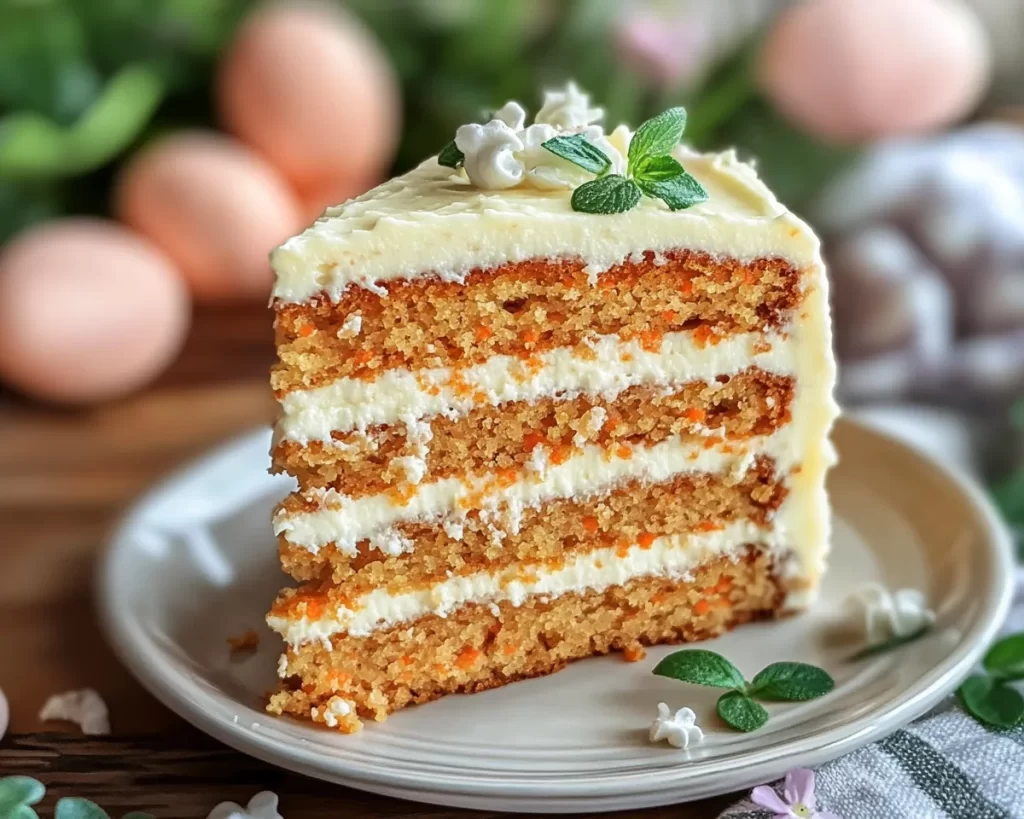
Easter is a time for celebration, family gatherings, and most importantly, delightful desserts that bring joy to the heart. One of the true stars of the Easter table is undoubtedly the Easter Carrot Cake with Cream Cheese Frosting. Imagine a moist, aromatic cake filled with freshly grated carrots, warm spices, and topped with a luscious cream cheese frosting that whispers comfort and festivity. This isn’t just a dessert; it’s a tradition that has been passed down through generations, often treasured for its rich textures and flavors.
In this article, you’ll find everything you need to create the perfect Easter Carrot Cake, from the history of this beloved dessert to ingredients, step-by-step instructions, and even clever variations to suit every palate. Whether you’re a seasoned home cook or just starting your baking journey, this recipe will guide you in creating a cake that not only tastes heavenly but also looks stunning on your Easter table.
What Is Easter Carrot Cake with Cream Cheese Frosting?
The Easter Carrot Cake has its origins rooted deep in culinary traditions that stretch back centuries. In the Middle Ages, carrots were often utilized in desserts due to their natural sweetness, a delightful substitute for sugar, which was not widely accessible. Today, we celebrate the carrot cake for its unique blend of flavors, combining the earthiness of carrots with aromatic spices such as cinnamon and nutmeg.
The cake is typically moist and dense, a texture that allows the flavors to meld beautifully together. With each bite, you experience the soft, tender crumb enriched with the faint crunch of walnuts or pecans and the subtle sweetness of raisins or pineapple. It’s perfectly complemented by a rich cream cheese frosting that adds both sweetness and a tangy contrast, creating a dessert that is irresistible and unforgettable.
You’ll notice that this version is particularly well-suited for Easter celebrations, showcasing the return of spring—vibrant, fresh flavors paired with the warmth of spices. This cake doesn’t just taste good; it tells a story of cultural and culinary heritage, making it a symbol of abundance and joy during the holiday season.
Why You’ll Love This
There are many reasons why you’ll fall head over heels for this Easter Carrot Cake. First and foremost, the taste is absolutely divine. The combination of sweet, earthy carrots and the warm notes of cinnamon and nutmeg makes for a flavor profile that instantly evokes feelings of comfort. Each bite is a celebration of spring, making it a perfect dessert for the Easter season.
Not only is the flavor exemplary, but this cake is also remarkably easy to make, even for beginners. With simple ingredients readily available in most pantries, you won’t have to chase obscure items. Economically, it is versatile too; you can swap out nuts for fruits or even gluten-free alternatives to make it suit various diets, thereby fitting a range of dietary needs.
Many might think carrot cake is overly conventional, but with its ability to be dressed up with different toppings, mix-ins, or even layered to create towering slices, you’ll find that it can also be a showstopper at gatherings. With a few creative variations and personal touches, this cake can easily take center stage at any festive event.
Ingredients You’ll Need
- All-purpose flour: The base for your cake. You can substitute with a gluten-free blend if necessary.
- Sugar: Granulated sugar is ideal to sweeten the batter. You could use brown sugar for a deeper flavor.
- Vegetable oil: Keeps the cake moist and tender. Applesauce can also be used for a lighter option.
- Eggs: These provide structure and moisture. You can use flax eggs for a vegan alternative.
- Carrots: Freshly grated carrots are essential for flavor and texture. Be sure to measure them after grating.
- Spices: A mix of cinnamon, nutmeg, and allspice adds warmth and complexity to the flavor.
- Baking powder and baking soda: These leavening agents help the cake rise and achieve a fluffy texture.
- Salt: Enhances the flavors of the cake.
- Walnuts or pecans (optional): A delightful crunch that complements the moist cake. You can leave these out if you prefer a nut-free version.
- Dried raisins or crushed pineapple (optional): Adds a touch of sweetness and moisture, enhancing the flavor profile.
- Cream cheese: The star ingredient for the frosting, providing richness and a slight tang.
- Butter: Adds creaminess to the frosting; can be substituted with vegan butter for dairy-free options.
- Powdered sugar: To sweeten the frosting without adding grittiness.
- Vanilla extract: A hint of vanilla adds aromatic notes to both the cake and the frosting.
Each ingredient plays a vital role in creating the mouthwatering symphony that is the Easter Carrot Cake. Take a moment to read through the ingredient list and consider any substitutions that would work for your preferences.
How to Make
Follow these step-by-step instructions to bring your Easter Carrot Cake to life.
- Preheat your oven: Begin by preheating your oven to 350°F (175°C). This ensures the cake bakes evenly. Meanwhile, prepare two 9-inch round cake pans by greasing them with margarine or oil and lining the bottoms with parchment paper. This will help the cakes release easily once cooled.
- Prepare the dry ingredients: In a large mixing bowl, combine 2 cups of all-purpose flour, 2 cups of granulated sugar, 1 tablespoon of baking powder, 1 teaspoon of baking soda, 1 teaspoon of salt, 2 teaspoons of ground cinnamon, 1 teaspoon of ground nutmeg, and 1 teaspoon of allspice. Whisk them together until fully incorporated. This whisking is crucial as it aerates the flour while ensuring that the spices are evenly distributed throughout the dry mixture.
- Mix the wet ingredients: In a separate bowl, mix 1 cup of vegetable oil and 4 large eggs. Add 2 cups of freshly grated carrots, and if desired, 1 cup of crushed pineapple. Stir until everything is well moistened. It’s essential to grate fresh carrots, as pre-grated bags can lack flavor and moisture. The oil adds richness while the eggs help the cake rise naturally.
- Combine wet and dry ingredients: Gradually add the wet mixture into the dry ingredients, folding gently until just combined. Be careful not to overmix; it’s just fine if there are a few lumps, as this will yield a lighter cake. Overmixing could lead to a dense cake instead of the desired fluffy texture. If you’re adding nuts or raisins, fold them in now.
- Pour and bake: Divide the batter evenly between the two prepared cake pans. Smooth the tops with a spatula for an even bake. Place the pans in the preheated oven and bake for 30-35 minutes until a toothpick inserted into the center comes out clean. The cakes will turn a lovely golden brown, and your kitchen will be filled with an irresistible aroma!
- Cool the cakes: Remove the cakes from the oven and let them cool in the pans for about 10 minutes. Then, carefully turn them out onto a wire rack to cool completely. This step is crucial because icing a warm cake can cause the frosting to melt, leading to a messier presentation.
- Prepare the cream cheese frosting: While the cakes cool, prepare the frosting by beating 1 cup of softened cream cheese and 1/2 cup of softened butter together in a mixing bowl until smooth and creamy. Gradually add in 4 cups of powdered sugar, beating well after each addition. Finish with 1 teaspoon of vanilla extract to add flavor. Taste and adjust with more sugar or a pinch of salt, as needed for balance.
- Assemble the cake: Once the cakes are completely cool, place one layer on a serving plate. Spread a generous layer of cream cheese frosting over the top, and then gently place the second cake layer on top. Use a spatula to cover the top and sides with the remaining frosting. This step is where you can get creative; if desired, you can sprinkle some finely chopped nuts or decorative carrots atop the cake to make it festive.
- Serve your masterpiece: After decorating, slice the cake and serve it to your eager guests. Enjoy the delightful flavors and moist texture of this Easter Carrot Cake with Cream Cheese Frosting. The combination of spices and sweetness will surely make everyone smile!
Enjoy the process and take pride in creating something special that will be a hit at your Easter gathering!
Variations & Substitutions
Gluten-Free Version: For those following a gluten-free diet, you can easily modify this cake by substituting all-purpose flour with a gluten-free flour blend. Make sure to check the packaging for a 1:1 ratio, as some brands may require additional ingredients like xanthan gum to mimic the texture of traditional flour. You may find that the flavor remains remarkably similar while providing a delicious option for gluten-sensitive guests.
Nut-Free Version: If you are cooking for someone with nut allergies, simply omit the walnuts or pecans from the recipe. In their place, consider adding a handful of shredded coconut or just bumping up the number of raisins for that lovely chewiness without any nuts added. This will ensure your cake remains delicious while accommodating dietary restrictions.
Vegan Option: To create a vegan version of this cake, substitute traditional eggs with flax eggs (1 tablespoon of ground flaxseed mixed with 3 tablespoons of water, resting for a few minutes until gelatinous for each egg). Use the same amount of vegetable oil or swap it with unsweetened applesauce for a healthier take. Ensure that your cream cheese frosting is also vegan; there are plenty of plant-based cream cheeses available that work wonderfully well in this application.
Tropical Twist: To venture away from the classic carrot cake, consider a tropical twist by incorporating some crushed pineapple into the batter and adding toasted coconut flakes. This change not only layers the cake with an additional flavor profile but also gives it a unique texture that transports your taste buds to a tropical paradise.
Spiced Carrot Cake: If you’re someone who loves deeper spice notes, consider elevating your cake by including ground ginger or cardamom into the batter. A teaspoon of each, or less if you prefer milder flavors, will give the cake a unique spin that adds warmth and depth, perfect for those cooler Easter evenings.
Common Mistakes to Avoid
When it comes to baking the perfect Easter Carrot Cake, a few common pitfalls can lead to disappointment. One typical mistake is overmixing the batter. It is crucial to mix mildly, just until the ingredients are combined. Overmixing tends to create a dense cake, countering the fluffy, airy texture you’re aiming for. Remember, a few lumps in your batter are perfectly acceptable.
Another frequent issue can arise from incorrect oven temperatures. Always make sure to preheat your oven fully before placing the cake inside. Investing in an oven thermometer might help, as sometimes ovens can misrepresent their internal temperatures, leading to uneven baking. Undercooked cakes can result in a soggy, undesirable texture.
Additionally, using fresh ingredients is essential. Ensure that your **baking powder** and **soda** aren’t expired, as this can compromise the cake’s rise. Likewise, grated carrots should be fresh and properly squeezed to remove excess moisture, preventing your cake from becoming gummy.
Lastly, don’t forget to let the cake cool adequately. Ice your cakes while still warm, and you’ll witness melted frosting cascading down the sides. Allow the cake layers to cool completely on wire racks for greatest success.
Storage, Freezing & Reheating Tips
Proper storage ensures that your Easter Carrot Cake stays fresh and delicious. If you plan to enjoy it within a few days, simply cover it with plastic wrap or foil and store it in the refrigerator. This cake actually benefits from time in the fridge, as the flavors tend to deepen beautifully.
If you want to make this cake ahead of time, you can freeze it. Wrap each layer in plastic wrap and then in aluminum foil, ensuring it’s tightly sealed to avoid freezer burn. When ready to serve, transfer the cake to the refrigerator to thaw overnight.
For reheating, you can gently warm slices in the microwave for a few seconds if you prefer it served warm. However, be cautious not to overheat, as it could dry out.
Always keep in mind the critical food safety practices; don’t leave baked goods out at room temperature for more than two hours, especially if they’ve been frosted. Proper cooling and storage can prevent harmful bacteria and ensure you enjoy your cake responsibly.
Frequently Asked Questions
Can I make this cake ahead of time?
Absolutely! This cake not only holds up well when made in advance, but allowing it to sit for a day gives the flavors time to meld and deepen. You can bake the cake a day or two ahead of your celebration and store it in the refrigerator until it’s time to frost and serve.
Is it possible to substitute the cream cheese frosting?
Yes, if you’re looking for something different, you can definitely switch the cream cheese frosting for a simple vanilla buttercream or even a whipped coconut cream for a lighter option. Just keep in mind that the flavor dynamics will change, but equally delicious!
How do I know when the cake is done baking?
You can perform a simple toothpick test to determine doneness. Insert a toothpick into the center of the cake, and if it comes out clean or with just a few moist crumbs attached, your cake is done. If there’s wet batter clinging to the toothpick, give it a few more minutes and check again.
Can I use a different frosting for my carrot cake?
Certainly! While the traditional cream cheese frosting is a favorite, options like buttercream, whipped cream, or even a lemon glaze can also elevate your cake. Each brings a different flavor and texture!
What will happen if I use too much flour?
Utilizing too much flour can lead to a dry, dense cake, as it absorbs moisture. To avoid this, make sure to use the spoon-and-level method when measuring your flour. Spoon the flour into the measuring cup and level it off with a knife, instead of scooping directly from the bag.
Conclusion:
The Easter Carrot Cake with Cream Cheese Frosting is a wonderful amalgamation of textures and flavors reminiscent of spring and family gatherings. From the rich, moist cake to the tangy frosting, each bite is a celebration of deliciousness. It’s not just about following the steps; it’s about creating something special that can spark joy and bring smiles to your loved ones’ faces. I encourage you to try this recipe, customize it to match your preference, and share it with friends and family. The memories created around a delicious cake are what will last a lifetime. So roll up your sleeves, enjoy the process, and dive into this flavorful adventure! You won’t regret it.