Prep time: 15 minutes
Cook time: 30 minutes
Total time: 45 minutes
Servings: 8 servings
There’s something profoundly special about baking a cake, especially when it carries the essence of love, care, and celebration. The aroma of a freshly baked cake wafting through your kitchen evokes cherished memories, perhaps reminding you of family gatherings or cozy afternoons spent with loved ones. As we approach Mother’s Day, the time-honored tradition of baking a cake grows especially dear to our hearts. Among these delightful recipes, the Mother’s Day Vanilla Almond Cake truly stands out. With its tender crumb, luscious vanilla flavor intertwined with subtle notes of almond, this cake is not just a dessert; it’s an experience.
Why is this recipe so special? It encapsulates not only flavors that dance on your palate but also the warmth of family traditions. It’s simple enough for beginners while providing a sophisticated touch with refined ingredients that all can appreciate. In this recipe, you will learn the exact steps to create a masterpiece that shines at any celebration: the perfect balance of sweetness and nuttiness, tips for success, and variations to suit different tastes or dietary needs.
What Is Mother’s Day Vanilla Almond Cake?
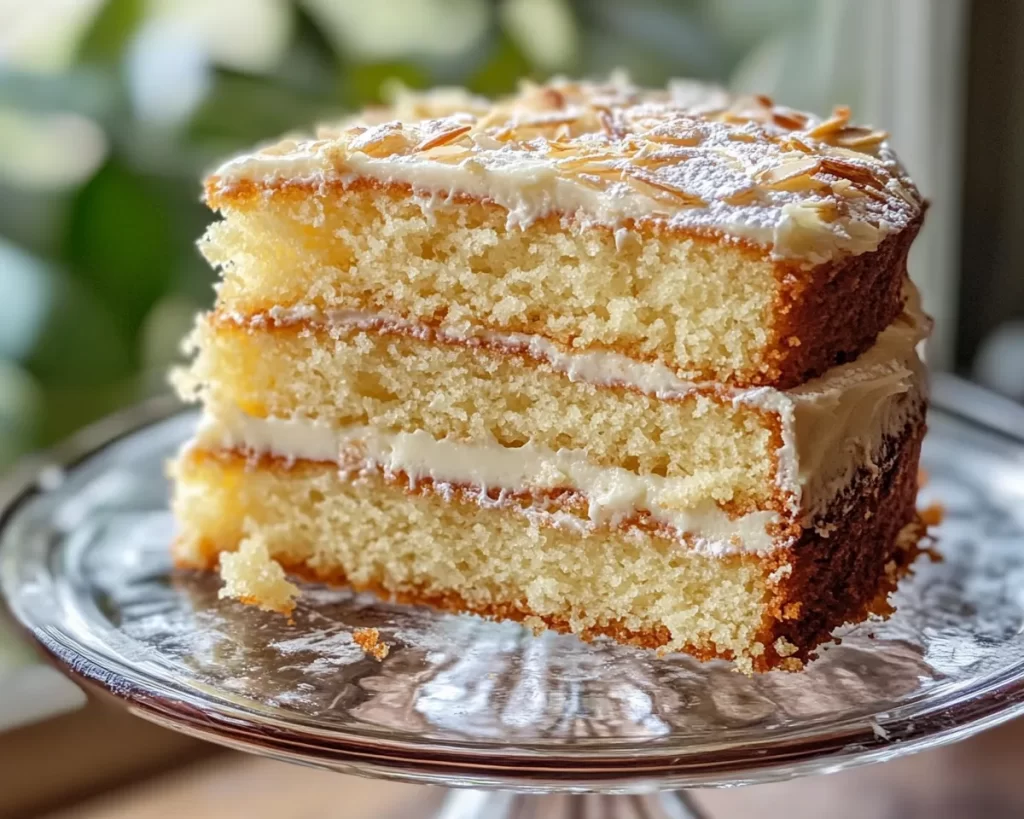
Mother’s Day Vanilla Almond Cake is a sumptuous dessert designed to highlight the classic flavor combinations of vanilla and almond. Originating from traditional cake-making across various cultures, this cake has earned its place as a beloved staple during festive occasions, particularly Mother’s Day. The cake’s fine texture delivers a moist and tender bite, while the flavors blend harmoniously, taking you on a delightful culinary journey.
The base of this cake includes classic ingredients like flour, sugar, eggs, and butter, all working together to create that fluffy yet dense texture. Almond extract adds a layer of richness that elevates the modest vanilla flavor, making it a unique and aromatic treat. When you slice into the cake, the inviting aroma fills the room, and the soft, golden crust offers a promise of the creamy and delightful interior waiting for you.
The versatility of this cake allows it to shine in many settings, whether it’s served during a family brunch or adorned as the centerpiece of a Mother’s Day table. It pairs wonderfully with a variety of toppings, making it not only a treat for the taste buds but also a feast for the eyes, especially when garnished with fruits or a delicate frosting.
Why You’ll Love This
You’ll fall in love with this Mother’s Day Vanilla Almond Cake not just for its flavor but also for its multiple benefits. First and foremost, the taste is unparalleled; the combination of rich, creamy vanilla and the warmth of almond creates a delightful experience. It’s a cake that looks and tastes gourmet, yet it’s incredibly easy to make, which is perfect for busy parents or beginners in the kitchen.
Additionally, this cake is quite economic—simple pantry staples transform into an elegant dessert worthy of a celebration. Some may worry that baking can be a time-consuming ordeal, but this recipe takes less than an hour from start to finish. It’s perfect for those who want to whip something special without the fuss.
It is often disheartening to see cakes turn out flat or dry, which might lead one to believe that homemade cakes are difficult. However, this cake debunks that notion. With a few easy tips and techniques, you’ll have a wonderfully moist cake every time, proving that homemade doesn’t have to mean hard.
Ingredients You’ll Need
- All-purpose flour: This will provide the structure of the cake. You can substitute with cake flour for a lighter texture if desired.
- Granulated sugar: Adds sweetness essential to the cake’s flavor; brown sugar can be used for a richer taste.
- Unsalted butter: At room temperature, it creates a creamy texture; if unavailable, margarine can work, but butter is preferred for richness.
- Large eggs: Essential for binding and moisture; try organic or pasture-raised eggs for better flavor.
- Milk: Whole milk adds richness; feel free to substitute with almond milk for a dairy-free version.
- Vanilla extract: The main flavor in this cake; using pure vanilla extract will enhance the cake’s taste dramatically.
- Almond extract: A key ingredient that provides the unique almond flavor; be cautious with the amount as it can be potent.
- Baking powder: This leavening agent helps the cake rise beautifully.
- Salt: A small amount enhances the flavors of other ingredients, balancing sweetness.
Understanding each ingredient and its role can greatly impact your baking experience. Not only do they contribute to the cake’s flavor and texture, but they can also be substituted based on dietary needs or personal preferences.
How to Make
- Begin by preheating your oven to 350°F (175°C) and greasing a 9-inch round cake pan. Line the bottom with parchment paper for an easy release. This is an important step; if you skip it, you risk the cake sticking to the pan.
- In a mixing bowl, cream the unsalted butter and granulated sugar together using an electric mixer. Beat this mixture on medium speed until it becomes light and fluffy, typically about 2-3 minutes. This step is crucial as it helps incorporate air into the batter, producing a lighter cake.
- Next, add the large eggs, one at a time, mixing well after each addition. This ensures proper emulsification, which helps in achieving an even texture. Then add the vanilla extract and almond extract, continuing to mix until fully combined.
- In a separate bowl, whisk together the all-purpose flour, baking powder, and salt. Gradually add this dry mixture to the wet ingredients, alternating with milk. Begin and end with the flour mixture. Mix it on low speed just until combined; over-mixing can result in a dense cake, which nobody wants.
- Once the batter is ready, pour it into the prepared cake pan, smoothing the top with a spatula. Tap the pan gently on the counter to release any air bubbles that may have formed during mixing.
- Bake the cake in the preheated oven for 25-30 minutes, or until a toothpick inserted into the center comes out clean. Baking times can vary based on your oven, so keep an eye on it. As it bakes, the aroma of vanilla and almond will fill your kitchen, creating an irresistible atmosphere.
- Once baked, allow the cake to cool in the pan for about 10 minutes before transferring it to a wire rack. This helps prevent it from becoming soggy. Let it cool completely before frosting or serving—this is important to maintain the cake’s structure.
Each of these steps is designed to ensure that you achieve a wonderfully fluffy and flavorful cake. Taking the time to properly cream your ingredients and bake at the right temperature makes a remarkable difference in the final product.
Variations & Substitutions
Citrus Zest Variation. For a refreshing twist, consider adding the zest of one orange or lemon to the batter. This will not only brighten the flavors of the cake, but also add a delightful aroma. Citrus zest complements the almond perfectly, providing a burst of freshness. This variation is perfect for those who enjoy a fruity cake or are looking for something lighter. Ensure that you adjust the sugar slightly as the zest can add a different level of sweetness.
Gluten-Free Version. If you’re preparing the cake for someone with a gluten intolerance, you can substitute the all-purpose flour with a gluten-free blend. Make sure it’s a blend that includes xanthan gum, as this will help maintain the cake’s structure. This cake will still be fluffy and delicious, showcasing that gluten-free baking can also shine. One tip: allow the batter to rest for about 15 minutes before baking to improve the texture.
Nut-Free Version. To make a nut-free version of the cake, simply replace the almond extract with an additional amount of vanilla extract. This will keep the cake’s flavor intact while making it suitable for those with nut allergies. Remember, you can also add a hint of cinnamon or nutmeg for depth without the nut components.
Decorative Toppings Variation. For a more festive appearance, consider topping the cooled cake with whipped cream and fresh strawberries or raspberries. This not only adds flavor but also brings a beautiful pop of color. You can even use a light dusting of powdered sugar for an elegant finish. If you’re feeling adventurous, drizzle a simple glaze made from powdered sugar and squeezed lemon juice over the top for added sweetness and tang.
Mocha Almond Variation. If you’re a coffee lover, consider adding cocoa powder to the batter and topping it with a coffee frosting. The mocha flavor complements the almond perfectly, making this a delightful alternative for those craving a more sophisticated dessert. This variation works beautifully for adult gatherings and can be garnished with chocolate shavings for a touch of elegance.
Each variation gives a unique twist to the classic Mother’s Day Vanilla Almond Cake, ensuring that there’s something for everyone. Choose one that resonates with you, or try them all as you continue to perfect this delicious recipe.
Common Mistakes to Avoid
Baking is as much a science as it is an art; understanding common pitfalls can save you from a less-than-desirable cake. One common mistake is not measuring ingredients accurately. Always use measuring cups and spoons to ensure precision, particularly with flour, which can easily be over-packed. This could lead to a dense cake.
Another mistake is skipping the creaming process. Creaming butter and sugar is essential to incorporate air, which contributes to leavening. If you don’t mix thoroughly, you’ll end up with a heavy cake instead of a light, airy one.
Additionally, be cautious about overbaking. Monitor the time closely and do the toothpick test a few minutes before the suggested time. Overbaking can dry out the cake, leaving it crumbly rather than tender. Lastly, do not rush the cooling process; allowing the cake to cool in the pan for at least 10 minutes helps it set properly and makes it easier to transfer to a cooling rack.
Being aware of these common mistakes will ensure your baking experience is smooth, and your cake turns out beautifully every time. With some simple precautions, you can create a cake that is not only visually stunning but also a delight to the taste buds.
Storage, Freezing & Reheating Tips
Proper storage of your cake is important for maintaining its flavor and texture. After the cake has cooled completely, wrap it tightly in plastic wrap or place it in an airtight container. Stored this way, the cake can remain fresh for up to 3 days at room temperature, or up to a week in the refrigerator. Make sure your frosting is also covered to prevent it from drying out.
If you’re planning to enjoy the cake later, freezing is a fantastic option. Wrap slices or the whole cake tightly in plastic wrap and then place it in a freezer-safe bag. This can keep the cake fresh for up to 3 months. When you’re ready to enjoy it, thaw it overnight in the refrigerator and bring it to room temperature before serving. This method preserves the cake’s integrity, allowing you to enjoy a freshly-baked taste even weeks later.
If you have any leftover cake, consider reheating slices in the microwave for about 10-15 seconds. This simple step can enhance the flavor and provide a comforting warmth, especially if you’re serving it with ice cream or hot coffee.
Always remember proper food safety practices when storing and reheating your cake. Avoid leaving it at room temperature for more than 2 hours after baking to prevent spoilage.
Frequently Asked Questions
Can I use cake flour instead of all-purpose flour?
Yes, you can use cake flour instead of all-purpose flour. Using cake flour will yield a lighter texture due to its lower protein content. If you use cake flour, you may need to adjust the quantity slightly since it is finer and can pack differently.
Can I make this cake vegan?
While this recipe is not vegan, you can make substitutions to create a vegan version. Replace the eggs with flax eggs (1 tablespoon of ground flaxseed mixed with 2.5 tablespoons of water per egg) and use a plant-based butter or vegetable oil. Substitute the milk with non-dairy alternatives like almond, oat, or soy milk.
How do I know when my cake is done?
The best way to check if your cake is done is to insert a toothpick into the center; if it comes out clean or with a few moist crumbs, the cake is ready. Additionally, the edges should start to pull away slightly from the pan, and the center should bounce back when lightly pressed.
Can I add fruit to the batter?
Absolutely! You can add fruits like blueberries, bananas, or chopped apples to the batter for added flavor and moisture. Just be cautious with the quantity to prevent altering the cake’s texture. Remember to coat the fruit in a bit of flour before adding it to the batter to help it distribute evenly.
What frosting pairs best with this cake?
This cake pairs beautifully with a variety of frostings. A classic buttercream frosting, cream cheese frosting, or even a simple whipped cream topping can complement the flavors nicely. You can also experiment with a ganache for a chocolatey contrast or a fruit glaze for a more refreshing touch.
Conclusion:
In summary, the Mother’s Day Vanilla Almond Cake is not just any cake; it’s a celebration of flavors, memories, and familial ties. Its delightful combination of almond and vanilla harmonizes beautifully, making it a fantastic dessert choice for any occasion.
Whether you stick to the classic recipe or try out various exciting adaptations, the possibilities are endless. Don’t hesitate to add your personal flair, and share the love by making this cake for your friends and family. Enjoy every step of the process, and don’t forget to savor the final result—you’ve earned it! So roll up your sleeves and get baking; the Mother’s Day Vanilla Almond Cake awaits your creation!