Prep time: 15 minutes
Cook time: 20 minutes
Total time: 35 minutes
Servings: 4 servings
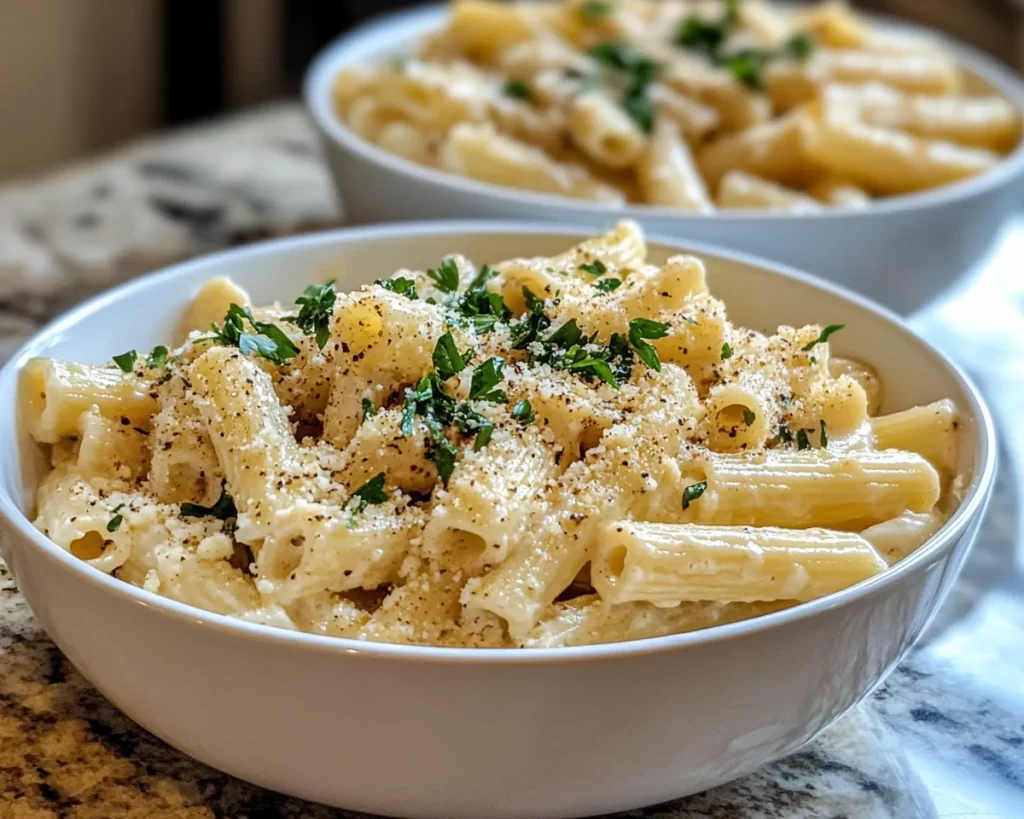
Are you ready for a culinary delight that combines creamy richness with vibrant flavors? Picture this: a delightful dish that not only satisfies your cravings but also impresses your guests with its elegant presentation. Enter the Spring Dinner Party Creamy Goat Cheese Pasta—a dish that encapsulates the essence of spring with its uplifting taste and appealing aesthetics. This creamy pasta is luxurious yet simple enough for a busy weeknight dinner, making it the perfect choice for any occasion.
A delightful medley of fresh ingredients, this dish leverages the distinct flavor of goat cheese, which adds creaminess and depth. The combination of fresh vegetables complements the pasta beautifully, creating a well-rounded meal that feels indulgent yet light. Prepare to explore a recipe that blends taste with nutrition, offering tips and variations that cater to your preferences and dietary needs.
In this article, you will learn everything you need to know about crafting the perfect Spring Dinner Party Creamy Goat Cheese Pasta, with a focus on taste, ease of preparation, and kitchen-friendly tips that make this dish a breeze to whip up. Let’s dive in!
What Is Spring Dinner Party Creamy Goat Cheese Pasta?
Spring Dinner Party Creamy Goat Cheese Pasta is a delightful and refreshing dish that perfectly captures the essence of springtime. Its primary ingredient, goat cheese, is known for its tangy flavor and creamy texture, which lend the dish a rich mouthfeel without overwhelming your palate. Traditionally, pasta dishes can be heavy and rich, but this one elevates the experience by incorporating fresh herbs and seasonal vegetables like asparagus and peas, making it light and vibrant.
The dish draws inspiration from Mediterranean culinary traditions, where pasta is often paired with fresh, local ingredients. The result is a beautifully balanced recipe that perfectly complements the tastes of spring. The contrast between the acidity of the goat cheese and the sweetness of seasonal vegetables creates a tantalizing flavor profile that is both satisfying and refreshing. Not only does it taste delicious, but it also presents beautifully on the dinner table, making it an ideal choice for gatherings and celebrations.
The beauty of this dish lies in its versatility. You can easily adjust ingredients based on what’s in season or your personal preferences, making it simple to customize while still maintaining its core integrity. Whether you’re preparing a weeknight meal for yourself or hosting friends for a dinner party, this creamy goat cheese pasta will surely be a hit.
Why You’ll Love This
There are countless reasons to love Spring Dinner Party Creamy Goat Cheese Pasta. Firstly, the **taste** is simply out of this world. The smooth, creamy goat cheese melds beautifully with al dente pasta, creating an indulgent dish that feels special yet is very approachable. The use of fresh spring vegetables not only enhances the flavor but also adds a splash of color and nutrition, making every bite enticing.
In addition to its appealing **taste**, this recipe is remarkably easy to prepare, even for beginners in the kitchen. With just a handful of ingredients and straightforward cooking steps, you can bring a delightful dish to your table in under 40 minutes. This is particularly beneficial for busy parents or anyone juggling a hectic lifestyle, proving that you can still enjoy gourmet flavors without spending hours in the kitchen.
Moreover, this dish is economical. It makes use of affordable, fresh ingredients that can often be found at local farmers’ markets or grocery stores. By using seasonal vegetables, you maximize both flavor and affordability. Whether you’re cooking on a budget or looking to impress without breaking the bank, this creamy pasta fits the bill perfectly.
Lastly, its versatility allows for numerous adaptations, enabling you to cater to various dietary needs. Whether you’re looking to make it vegan, gluten-free, or simply want to play around with different vegetables, this pasta recipe welcomes creativity and personalization.
Ingredients You’ll Need
- Pasta: Use your choice of pasta such as penne, fettuccine, or spaghetti. Whole wheat or gluten-free options can also work well.
- Goat Cheese: This key ingredient adds creaminess and a unique tang. If you prefer, feta cheese may be a substitute.
- Fresh Asparagus: A wonderful spring vegetable that adds a pop of color and crunch. Snap off the woody ends before cooking.
- Green Peas: Fresh or frozen peas add sweetness and a delightful texture. They’re easy to incorporate and nutrient-rich.
- Garlic: Freshly minced garlic infuses the dish with aromatic flavors. You may also use garlic powder in a pinch, though the flavor won’t be as robust.
- Olive Oil: A quality olive oil enhances flavor and acts as a cooking medium. Extra virgin is a fantastic choice here.
- Fresh Herbs: Basil and parsley are excellent options that inject freshness into the dish. You can substitute with Italian seasoning if you lack fresh herbs.
- Salt and Pepper: Essential for seasoning; adjust to taste for the best flavor profile.
Each of these ingredients plays a specific role, contributing not only to the flavor but also to the texture of the dish. When selecting your produce, remember to choose the freshest options available for the best taste.
How to Make
- Start by cooking the pasta. Bring a large pot of salted water to a boil, then add your chosen pasta. Follow the package instructions for al dente cooking time, usually around 8-10 minutes. Stir occasionally to prevent sticking. Meanwhile, prepare the vegetables.
- While the pasta cooks, heat a large skillet over medium heat and add the olive oil. Once hot, add the minced garlic and sauté for about 30 seconds until fragrant, but be careful not to burn it, as that can impart a bitter taste.
- Next, add the asparagus to the skillet. Cook for about 3-4 minutes, stirring occasionally, until the asparagus is tender but still bright green. If using fresh peas, you can add them now as well; if using frozen, add them slightly later along with the pasta.
- Once the pasta is cooked, reserve about ½ cup of the pasta water, then drain the rest. Add the drained pasta directly to the skillet with the cooked asparagus and garlic. Toss everything together to combine, ensuring the pasta is well-coated.
- Now comes the star ingredient: the goat cheese. Crumble it over the pasta and add a bit of the reserved pasta water to help create a creamy sauce. Toss everything to combine, allowing the cheese to melt slightly and coat the other ingredients. Adjust the creaminess by adding more water if necessary.
- Finish the dish by incorporating your fresh herbs, salt, and pepper. Taste and adjust seasoning as needed. If you prefer a stronger herb flavor, add more fresh herbs or consider a sprinkle of dried Italian seasoning.
- Serve the pasta immediately, garnished with additional herbs if desired. Enjoy this delightful dish hot for maximum flavor and texture.
Each step contributes to building layers of flavor while ensuring that you maintain the freshness of the seasonal ingredients. Through attention to detail, you’ll craft a dish that impresses both in taste and presentation.
Variations & Substitutions
Vegetable-Loaded Version: Want to elevate your dish with even more seasonal vegetables? Consider incorporating zucchini, bell peppers, or spinach. These vegetables not only jazz up the color but also add extra nutrients without overwhelming the dish. Just be sure to adjust cooking times, as softer vegetables like spinach may only need a quick sauté before combining with pasta.
Vegan Alternative: If you’re looking to make this dish suitable for a vegan diet, simply replace the goat cheese with a high-quality dairy-free cream cheese or nutritional yeast for a cheesy flavor without dairy. Additionally, use a plant-based pasta and ensure your olive oil is certified vegan.
Gluten-Free Twist: To create a gluten-free variation, select a gluten-free pasta. The preparation remains the same, ensuring that everyone can enjoy this delicious meal regardless of dietary restrictions.
Protein Boost: To add protein, you could introduce grilled chicken, shrimp, or even chickpeas for a plant-based protein option. Cook the protein separately and integrate it into the pasta during the final mixing stage, ensuring it’s warmed through.
Herb Variations: While basil and parsley work brilliantly, don’t hesitate to experiment with different herbs such as dill, chives, or even arugula. Each herb brings something unique to the dish, allowing you to tailor the flavor profile to your liking.
Common Mistakes to Avoid
When preparing Spring Dinner Party Creamy Goat Cheese Pasta, it’s essential to avoid common pitfalls that could compromise the dish. One critical error is overcooking the pasta. Always follow the cooking guidelines to achieve that perfect al dente texture. Overcooked pasta becomes mushy and doesn’t hold onto the sauce as well.
Another mistake is failing to reserve pasta water. This liquid contains starch, which helps emulsify the sauce, resulting in a creamy texture. If you forget to save some before draining the pasta, you might end up with a dish that lacks that luxurious consistency.
Using cold goat cheese can also lead to uneven melting. It’s best to allow the cheese to come to room temperature before mixing it into the hot pasta. This helps ensure a smoother, creamier sauce.
Lastly, be cautious with the seasoning. Since the flavors build progressively, always taste and adjust as you go. A common oversight is under-seasoning the dish, which may lead to a bland end result. Trust your palate to guide you!
Storage, Freezing & Reheating Tips
If you’re considering making this dish in advance or have leftovers, proper storage is essential. Store any remaining pasta in an airtight container in the refrigerator for up to 3 days. This allows you to enjoy the flavors of your creamy goat cheese pasta another day without compromising quality.
If you prefer to make it ahead of time, you can prepare the ingredients and cook the pasta without adding the goat cheese. Reheat the pasta gently in a skillet, adding a splash of water or olive oil, and mix in the goat cheese just before serving. This prevents the cheese from becoming grainy upon reheating.
For longer-term storage, consider freezing portions of the cooked pasta. However, it’s worth noting that the texture of the vegetables may suffer after freezing. If you choose this route, ensure you cool the pasta completely before transferring it to a freezer-safe bag. It can last for up to two months in the freezer.
When you’re ready to eat, allow it to thaw overnight in the refrigerator and reheating gently on the stove, adding a little extra olive oil or reserved pasta water to revive the creamy sauce. Food safety is paramount: never leave out cooked pasta at room temperature for more than two hours to prevent bacterial growth.
Frequently Asked Questions
Can I use other types of cheese instead of goat cheese?
Absolutely! While goat cheese delivers a unique flavor profile, you can substitute with feta, cream cheese, or even ricotta for a different take. Each cheese will provide its own distinct flavor while still maintaining creaminess. Just remember that varying salt levels may require some adjustment in seasoning.
Is this dish suitable for meal prep?
Yes, this creamy pasta is excellent for meal prepping! Just store it in airtight containers in the refrigerator. Pair it with some quick protein like grilled chicken or chickpeas and a crisp salad for a complete meal that’s easy to grab for lunch or dinner.
Can I make this pasta sauce ahead of time?
Yes, you can prepare the sauce ahead of time and store it in the fridge for a few days. Just be sure to mix the goat cheese before serving fresh pasta to maintain its creaminess. Combine everything just before your meal for the best taste and texture.
What can I serve with Spring Dinner Party Creamy Goat Cheese Pasta?
This pasta pairs wonderfully with a simple side salad, crusty bread, or a light vegetable dish. A Sauvignon Blanc or a crisp rosé can also enhance the meal, making for a well-rounded dining experience.
Can I add meat to this dish?
Definitely! Incorporating grilled chicken, shrimp, or sausage can elevate the dish and add satisfying protein. Just ensure that you cook the meat separately and mix it in after the pasta and the sauce components are combined for even heating and distribution.
Conclusion:
Spring Dinner Party Creamy Goat Cheese Pasta is an extraordinary blend of flavors and textures that encapsulates the freshness of spring dining. The dish not only delights the palate but also offers versatility and convenience, making it ideal for a variety of occasions. Don’t hesitate to experiment with different ingredients and variations to customize it based on your tastes or dietary needs. I encourage you to try this recipe, find your unique twist, and share the vibrant experience with friends and family. Happy cooking!