Prep time: 1 hour
Cook time: 20 minutes
Total time: 1 hour 20 minutes
Servings: 12 rolls
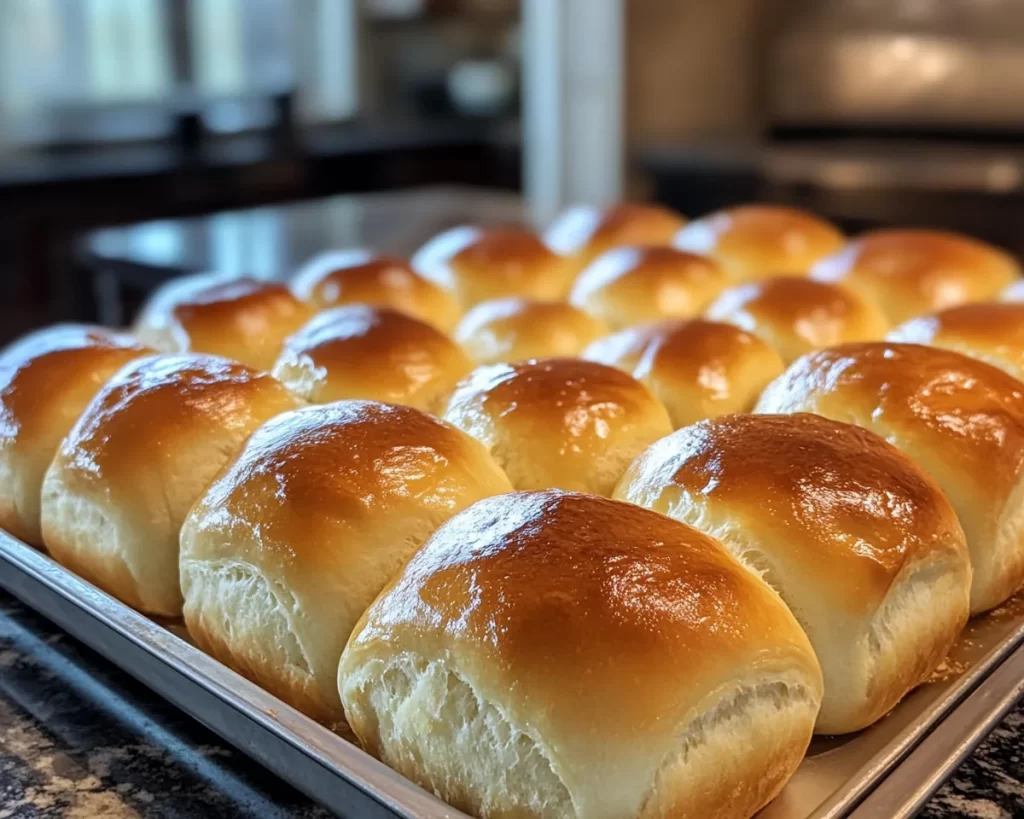
Easter is a time for gathering with family and friends, sharing laughter, and most importantly, enjoying delicious food. One dish that truly enhances the homey atmosphere is **Easter Honey Butter Dinner Rolls**. These fluffy, slightly sweet rolls are a delightful addition to any holiday table, bringing warmth and deliciousness that complements both savory and sweet dishes alike. Imagine sinking your teeth into a warm roll brushed with a rich, golden honey butter, its sweetness melting into a pillow-soft bread. It’s an experience that keeps your loved ones coming back for more.
In this post, you will learn how to create these tender rolls from scratch, how to tweak the recipe to suit your tastes, and some expert tips on achieving that perfect, fluffy texture. Whether you are a cooking novice or an experienced baker, this recipe is designed to guide you through the process and ensure you can serve up gorgeous, golden rolls for your holiday feast.
What Is Easter Honey Butter Dinner Rolls?
Easter Honey Butter Dinner Rolls are a delightful bread roll often served during holiday gatherings and family meals. Inspired by traditional dinner rolls, these treats are enriched with the natural sweetness of honey, which not only adds flavor but also contributes to the moisture and tenderness of the rolls. Typically enjoyed warm, with a flavorful honey butter spread, these rolls can elevate any meal into something truly special.
The origins of dinner rolls can be traced back to various cultures, with innumerable adaptations found worldwide. The addition of honey, however, is what sets these rolls apart. The honey introduces a sweet anise note that contrasts beautifully with the buttery taste of the roll, making each bite a balanced blend of flavors. The texture is soft, pillowy, and slightly chewy, creating an irresistible experience.
Whether you’re preparing for Easter brunch, a springtime gathering, or simply looking to treat your family, these rolls are perfect. Their versatility shines through as they can accompany roasted meats, fresh salads, or even sweet spreads and jams.
Why You’ll Love This
There are so many reasons to love Easter Honey Butter Dinner Rolls. For starters, they are a crowd-pleaser—almost everyone enjoys warm bread, especially when it’s paired with a luscious honey butter spread. Besides their heavenly taste, these rolls are incredibly easy to make, even for beginner bakers. With just a handful of ingredients and some simple steps, you can have a batch of freshly baked rolls in no time.
Moreover, these rolls are economical to make. While store-bought rolls can sometimes weigh heavily on your grocery budget, making your own requires just a few basic pantry staples, making it easy for busy parents or budget-conscious cooks to provide a delightful homemade option without breaking the bank.
You might be thinking that baking requires advanced skills, but the truth is, with the right recipe, even the newest cooks can achieve fantastic results. Common misconceptions about bread-making—like the need for professional equipment or excessive kneading—can make the process seem daunting, but I’m here to help debunk those myths.
In essence, these rolls are not just Easter-centric; they are good for any occasion. You can serve them at family dinners, holiday feasts, or as part of your meal prep. They are incredibly adaptable to any dietary heart, ensuring that everyone at your table can enjoy them.
Ingredients You’ll Need
- All-purpose flour: The base ingredient for the rolls, providing structure. Consider using bread flour for extra chewiness.
- Active dry yeast: Essential for leavening the rolls, making them light and airy.
- Warm milk: Activates the yeast and helps create a tender crumb. Use whole milk for richer results.
- Granulated sugar: Provides sweetness and helps the yeast activate quickly.
- Unsalted butter: Adds flavor and richness. Always use unsalted so you can control the amount of salt in your recipe.
- Honey: The star ingredient in the honey butter, imparting natural sweetness and moisture to the rolls.
- Salt: Enhances flavors and strengthens gluten structure, essential for creating a good texture.
- Egg: Acts as a binding agent and helps create a beautiful golden crust.
Each of these ingredients plays a vital role in creating the iconic Easter Honey Butter Dinner Rolls. When selecting your ingredients, consider organic options or local sources for milk and honey, as they can elevate the flavor and quality of your rolls.
How to Make
To make Easter Honey Butter Dinner Rolls, follow these simple yet detailed instructions:
- Prepare the yeast: In a small bowl, combine warm milk and granulated sugar. Sprinkle the active dry yeast on top and stir gently. Let the mixture sit for about 5-10 minutes, or until it becomes foamy. This indicates that the yeast is active and ready to be used. If it doesn’t foam, try with a new packet of yeast, as using inactive yeast will lead to dense rolls.
- Mix the dough: In a large mixing bowl, whisk together all-purpose flour and salt. Create a well in the center and add the foamy yeast mixture, along with the melted butter, honey, and egg. Stir until a cohesive dough forms. It’s okay if the dough is a bit sticky; this means you have the right moisture level. Avoid adding too much flour.
- Knead the dough: Transfer the dough to a floured surface and knead it for about 8-10 minutes. You will notice its texture change from sticky and loose to smooth and elastic. Kneading is critical for developing gluten, which gives the roll its chewy texture. If the dough sticks to your hands, lightly flour them rather than adding more flour to the dough.
- First rise: Place the kneaded dough in a greased bowl, cover it with a clean kitchen towel or plastic wrap, and let it rise in a warm, draft-free location for about 1 hour, or until it has doubled in size. This rising period is crucial for creating light and airy rolls.
- Shape the rolls: After the dough has risen, punch it down to release any air bubbles formed during the rise. Turn it out onto a lightly floured surface and divide the dough into 12 equal pieces. Shape each piece into a smooth ball by tucking the edges under. Keeping the rolls uniform ensures even baking.
- Second rise: Place the shaped rolls snugly in a greased 9×13-inch baking pan or on a parchment-lined baking sheet, allowing them to touch slightly. Cover and let them rise for another 30-45 minutes, until puffed and doubled.
- Bake:** Preheat your oven to 350°F (175°C) while the rolls are in their second rise. Once ready, bake the rolls for about 20 minutes or until they’re golden brown. If they brown too quickly, cover them loosely with aluminum foil halfway through baking for even cooking.
- Brush with honey butter: While the rolls are still warm from the oven, prepare the honey butter mix by mixing softened butter and honey in a small bowl. Brush this sweet mixture generously over the hot rolls. The warmth will soften the butter and allow it to melt into the rolls.
- Cool slightly: Allow the rolls to cool slightly in the pan before serving. This ensures that they hold their shape and don’t become too soggy.
As you make these rolls, enjoy the wonderful aroma filling your kitchen. Baking is not just about the finished product; it’s also about the experience and memories created along the way.
Variations & Substitutions
Garlic Honey Butter Variation: For those who enjoy a savory twist, you can easily make garlic honey butter by blending in minced garlic into the honey butter mixture. This addition of garlic elevates the flavor profile, making it the perfect accompaniment for grilled meats or as a tasty addition to soups. The sweetness from the honey balances the garlic’s pungency, creating a harmonizing effect on your palate.
Whole Wheat Dinner Rolls Variation: If you’re looking for a healthier spin on this recipe, try substituting half of the all-purpose flour with whole wheat flour. This adjustment increases the fiber content and gives the rolls a nuttier flavor and heartier texture. Remember that whole wheat absorbs more liquid, so you may need to slightly adjust the amount of warm milk or water until you reach the desired dough consistency.
Herb-Infused Rolls Variation: To give your rolls a fresh and fragrant twist, consider adding herbs like rosemary or thyme into the dough. Finely chop the fresh herbs and knead them into the dough during the kneading stage. The herby aroma will infuse while baking, providing an enchanting flavor. These rolls are a delightful pairing with roasted dishes, especially lamb or chicken.
Gluten-Free Dinner Rolls Variation: If you need to cater to a gluten-free diet, using a high-quality gluten-free flour blend can work wonders. Ensure the blend has a good balance of starches and flours to mimic the texture of wheat flour. Note that gluten-free baking often requires additional binding agents (like xanthan gum), so look for a recipe specific to gluten-free rolls for guidance.
Sweet Cinnamon Rolls Variation: For a sweet treat option, take the basic recipe and add in ground cinnamon and a touch of brown sugar into the dough before the first rise. Roll out the dough, sprinkle your cinnamon-sugar mixture, then roll it up into a log and cut into rounds. Bake as instructed but keep an eye on oven times, as they may differ slightly. Top with a standard cream cheese icing for that bakery-style finish.
Common Mistakes to Avoid
While making Easter Honey Butter Dinner Rolls is straightforward, several common mistakes can affect the outcome. One frequent issue is using cold ingredients directly from the refrigerator. Cold butter or milk can slow down the yeast activity, leading to dense rolls. Always use ingredients at room temperature to promote proper fermentation.
Another mistake is not kneading the dough sufficiently. Kneading helps develop the gluten, which is essential for that lovely chewy texture. If you find your dough too tacky, avoid the temptation to add extra flour. Instead, use a bench scraper to help with handling the dough and gradually incorporate more flour as needed.
It’s also crucial to adhere to the specified rising times. Rushing through the rising stage can yield dense rolls that lack the fluffy texture you desire. Allowing the dough to rise sufficiently will ensure your rolls are beautifully light and airy.
Lastly, don’t skip out on the honey butter finish! This is where the magic really happens—adding this glaze enhances not only the flavor but also the appearance, giving the rolls a shiny, inviting glow.
Storage, Freezing & Reheating Tips
Storing your Easter Honey Butter Dinner Rolls properly is essential for maintaining their freshness. If you plan to consume them within a couple of days, store the rolls in an airtight container at room temperature. If you want to keep them for a longer duration, consider freezing them.
To freeze, let the rolls cool completely after baking. Then, individually wrap each roll in plastic wrap, and place them in a freezer-safe bag or container. This method prevents freezer burn and preserves their texture. They can be stored for up to three months.
For reheating, simply place the rolls directly from the freezer into a preheated oven at 350°F (175°C) for about 10-15 minutes or until warm. You can also microwave them for about 15-20 seconds if you prefer a quicker option, although the oven tends to retain the rolls’ fluffy texture better.
When handling leftovers, be mindful of food safety practices. If the rolls have been left out for more than two hours after baking, it’s best to discard them, as this reduces the risk of foodborne illness.
Frequently Asked Questions
Can I make the dough ahead of time? Yes, you can prepare the dough in advance! After the first rise, you can punch it down and place it in the refrigerator for up to 24 hours before shaping and proceeding with the second rise. Just allow it to come back to room temperature before shaping into rolls.
Can I replace honey with sugar? Yes, if you’re not a fan of honey, you can substitute it with brown sugar or maple syrup. However, doing this may alter the final flavor profile, so it’s recommended to adjust the quantities according to your taste preferences.
What can I serve these rolls with? Easter Honey Butter Dinner Rolls pair beautifully with a variety of dishes. They complement roasted meats, salads, or even soups. You can also serve them alongside sweet spreads like jam or whipped cream cheese for a delightful brunch spread.
Do I need special equipment to make these rolls? Not at all! You can make these rolls with just a mixing bowl, wooden spoon, and some basic kitchen tools. If you have a stand mixer with a dough hook, feel free to use it to simplify the kneading process, but it isn’t a requirement.
Can I use instant yeast instead of active yeast? Yes, if you prefer using instant yeast, you can skip the proofing step and directly mix it with the dry ingredients. However, you may need to adjust the amount slightly, using about 25% less compared to active dry yeast for the best results.
Conclusion:
Creating Easter Honey Butter Dinner Rolls can be a delightful culinary journey that yields not only mouthwatering results but also lasting memories around the dinner table. These rolls’ golden, fluffy texture and sweet honey butter finish bring joy to your gatherings. By trying out this recipe, you’ll enjoy the satisfaction of serving homemade goodness to your loved ones, and you’ll likely want to customize the rolls in many delightful ways. Don’t hesitate! Embrace this recipe, make it your own, and share the love of homemade bread with your family and friends!