Prep time: 30 minutes
Cook time: 40 minutes
Total time: 1 hour 10 minutes
Servings: 8
Easter is just around the corner, and with it comes a beautiful opportunity to prepare delightful dishes that celebrate the season. One such dish that never fails to impress is the Easter Lemon Tart, a sweet and tangy dessert that provides a refreshing finish to any festive meal. This recipe not only tantalizes your taste buds with its zesty lemon flavor but also creates a memorable dessert experience. Whether you are tasked with bringing a dessert to a family gathering or simply wish to indulge in something special, this lemon tart is your answer.
In this article, you’ll learn everything you need to know to make a spectacular Easter Lemon Tart. From essential tips for success to variations that cater to different taste preferences, I will guide you through the entire process. By the end, you’ll not only master the art of creating this luscious tart but will also feel confident enough to share it with family and friends.
What Is Easter Lemon Tart?
Easter Lemon Tart is a dessert that beautifully marries a flaky crust with a creamy, tart filling, making it a beloved choice for spring celebrations. Originating from French cuisine, this tart has become a staple in many households across the globe. Its smooth texture and vibrant flavor are achieved using fresh lemons, sugar, eggs, and cream, creating a dessert that is both rich and light at the same time.
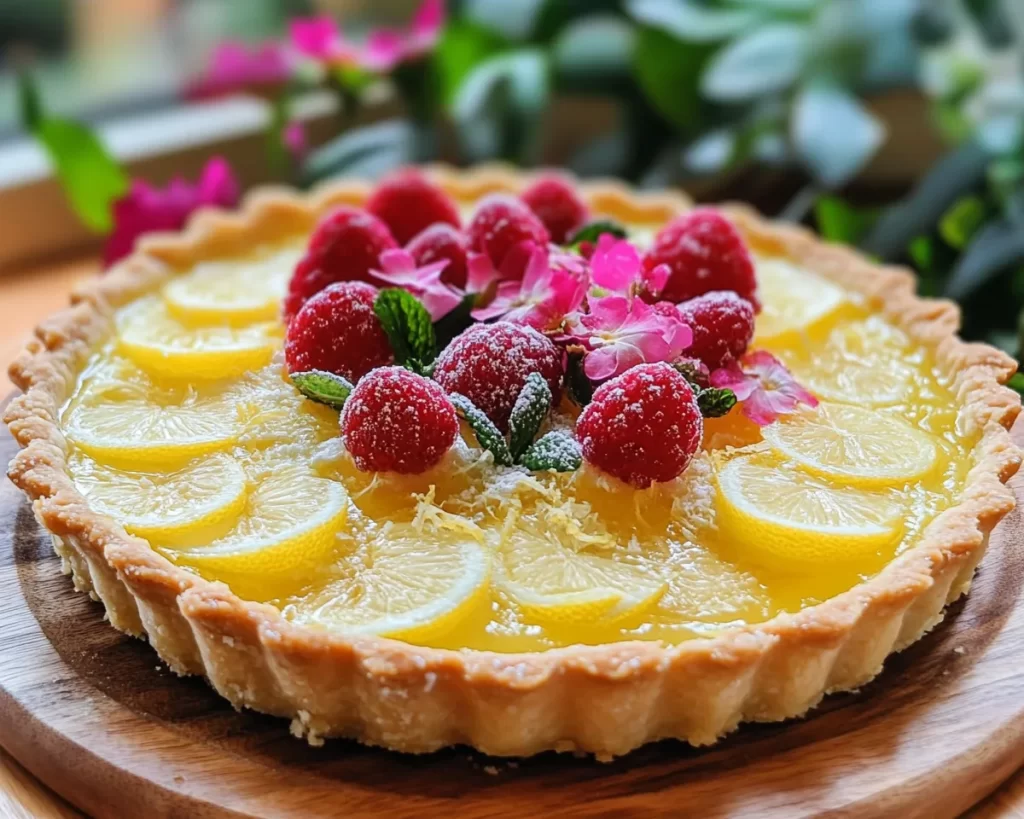
The *crust* is typically made from all-purpose flour, butter, and a hint of sugar, which plays a critical role in balancing the tanginess of the lemon filling. The filling combines the zest and juice of fresh lemons, imparting a bright, citrusy taste that dances on your palate. This combination not only embodies the essence of spring but also adds a touch of elegance to your dessert table. The visual appeal is remarkable, too; a perfectly baked lemon tart shines with a glossy, smooth surface, inviting everyone to dig in.
As you venture through the recipe, you will discover the delightful interplay of textures—the *crispy crust* provides a satisfying crunch, while the creamy filling melts in your mouth. Truly, the Easter Lemon Tart is not just a dish; it’s an experience that evokes the joys of the season.
Why You’ll Love This
There are many reasons to adore this Easter Lemon Tart. Firstly, its *taste* is absolutely divine. The combination of sweet and tangy flavors creates a perfect balance that is refreshing, making it an ideal dessert following a hearty meal. If you have ever found traditional desserts too heavy after dinner, this tart will feel like a breath of fresh air.
Moreover, the *ease* of preparation is another reason you’ll love this tart. With just a handful of ingredients and basic kitchen tools, even beginners can create something truly special. You don’t need advanced baking skills—just the willingness to follow the steps outlined in this guide, and you will have a stunning dessert in no time.
From a cost perspective, most of the ingredients used are pantry staples or readily available at your local grocery store, which makes it a budget-friendly option as well. Additionally, the tart is versatile—it can serve as a refreshing dessert during spring and summer gatherings or become a star at any holiday or celebration.
Common misconceptions often suggest that lemon desserts can be overly tart or difficult to make. However, with the right balance of sugar and the appropriate cooking techniques, you can create a harmonious dessert that everyone will enjoy. This recipe also makes an excellent option for those who may be looking for a lighter dessert without sacrificing flavor or texture.
Ingredients You’ll Need
- All-purpose flour: This forms the base of your tart crust. You can substitute with gluten-free flour if needed.
- Unsalted butter: Use cold unsalted butter for the best flavor in the crust. Margarine can work, but be aware that it alters the taste.
- Sugar: Granulated sugar adds sweetness to both the crust and the filling. You can substitute with coconut sugar for a different flavor.
- Eggs: These are essential for binding the tart filling together. You can use egg substitutes if you follow a vegan diet.
- Lemon juice: Freshly squeezed lemon juice is key for that *bright, tangy flavor*. Bottled juice can be used in a pinch but may sacrifice some freshness.
- Lemon zest: Zesting from fresh lemons intensifies the flavor. Avoid using dried lemon zest as it lacks freshness.
- Heavy cream: This adds richness to the filling. You can replace it with a non-dairy alternative if desired.
- Salt: A pinch of salt enhances the flavors, so don’t skip it!
Understanding what each ingredient contributes will make your baking experience more successful and enjoyable. Each plays a critical role in achieving that perfect tart texture and flavor balance, ensuring that your Easter Lemon Tart turns out to be a showstopper.
How to Make
Creating your own Easter Lemon Tart may seem daunting, but with this step-by-step guide, you’ll find it both *enjoyable* and fulfilling. Follow these numbered instructions to ensure your success in crafting this delectable dessert.
- Prepare the Crust: Start by preheating your oven to 375°F (190°C). In a mixing bowl, combine 1 ¼ cups of all-purpose flour, ½ cup of *cold* unsalted butter (cut into small cubes), 1/4 cup of granulated sugar, and a pinch of salt. Using a pastry cutter or your fingers, mix until the mixture resembles coarse crumbs. Knead the mixture gently until it forms a dough ball. Wrap it in plastic wrap and refrigerate for 30 minutes.
- Roll Out the Dough: Once your dough has chilled, lightly flour your countertop and roll out the dough to fit a 9-inch tart pan. Press it gently into the pan, trimming any excess dough that hangs over the edges. Use a fork to dock the bottom of the crust to prevent bubbling during baking. Chill the crust again for about 15 minutes before baking.
- Bake the Crust: Place the tart shell in the preheated oven and bake for 20-25 minutes or until it is lightly golden brown. Keep an eye on it to avoid over-baking. Once baked, remove it from the oven and allow it to cool while you prepare the filling.
- Mix the Filling: In a large mixing bowl, combine 4 large eggs and 1 cup of granulated sugar. Whisk them together until the mixture is smooth and creamy. Gradually incorporate 1/2 cup of freshly squeezed lemon juice and the zest of two lemons, mixing until fully combined. Finally, add 1 cup of heavy cream and a pinch of salt, whisking to create an even consistency.
- Fill and Bake: Pour the filling into the cooled tart shell, making sure it is evenly distributed. Bake in the oven for an additional 15-20 minutes, or until the filling is set but still slightly jiggly in the center. Be careful not to overbake, as it will firm up as it cools.
- Cool and Chill: After removing the tart from the oven, allow it to cool at room temperature for about 30 minutes. Then, refrigerate it for at least 2 hours to fully set and enhance the flavors. You can even prepare this tart a day ahead to make your Easter preparation smoother.
- Serve: Once chilled, remove the tart from the refrigerator, slice it, and consider dusting it with powdered sugar for an elegant finish. Serve with a dollop of whipped cream or a side of fresh berries for an added touch.
Creating the Easter Lemon Tart is not only about following instructions; it’s about engaging with the ingredients and the process. Enjoy the journey and take pride in your creation as it comes to life.
Variations & Substitutions
Classic Citrus Variation: If you want to elevate your lemon tart, consider adding a blend of citrus fruits like orange or lime. Simply substitute a portion of the lemon juice with freshly squeezed orange juice or lime juice for a unique twist. This not only enhances the tartness but also contributes a lovely complexity in flavor. It’s particularly delightful for those who might find straight lemon a touch too sharp.
Berry Topping Variation: Top your lemon tart with fresh berries such as raspberries, blueberries, or strawberries for a burst of color and flavor. After the tart has fully cooled, arrange the berries on top and gently press them into the filling. Not only does it add visual appeal, but the natural sweetness of the berries complements the tart, balancing the flavors beautifully.
Vegan Variation: If you’re looking to make a vegan version of this delightful dessert, you can replace the eggs with a combination of silken tofu and cornstarch, or try using a commercial egg replacer. Additionally, use coconut cream in place of heavy cream to maintain a rich texture. The flavors will remain vibrant, and you can still achieve that delicious tartness we love.
Gluten-Free Variation: For those who are gluten-sensitive, simply substitute the all-purpose flour with a gluten-free blend. Look for a blend that includes xanthum gum to help bind the crust together. This way, you can still enjoy a delightful lemon tart without worrying about gluten.
Savory Lemon Tart Variation: Embrace a unique approach with a savory twist by adding herbs like basil or thyme to the filling. This variation will result in a more sophisticated dessert that could serve as an appetizer rather than just a sweet treat. Just infuse the cream with herbs during heating for subtle flavors that pair beautifully with the lemon.
Experimenting with variations allows you to create a dessert that is uniquely yours while sharing the spirit of Easter gatherings. Each option brings its delightful twist on the classic lemon tart, ensuring there is something for everyone to enjoy.
Common Mistakes to Avoid
Baking can sometimes feel overwhelming, especially when creating a dessert as classic as the Easter Lemon Tart. To ensure your tart turns out perfectly, avoid these common mistakes:
Overbaking the crust: If you leave the crust in the oven for too long, it can become overly hard and difficult to slice. Keep a close eye on it and opt for a light golden brown color, which indicates a perfectly baked crust.
Using bottled lemon juice: While it might be tempting for convenience, bottled lemon juice can alter the flavor profile of your tart. Always use freshly squeezed lemon juice for the freshest taste and optimal zing.
Skipping the chilling time: Chilling the dough before rolling it out and allowing the baked tart to cool fully are both essential steps. Chilling helps the butter solidify, which results in a flaky crust, while cooling and chilling the filling enhance the flavors and texture.
Overmixing the filling: When mixing the filling ingredients, it’s important to combine them until smooth but avoid overmixing, as this can incorporate excess air and lead to a bubbly filling. Gently whisk just until everything is combined to achieve the desired creamy texture.
By being mindful of these potential pitfalls, you’ll set yourself up for success in creating an exceptional Easter Lemon Tart that you can be proud of sharing with loved ones.
Storage, Freezing & Reheating Tips
Once you’ve baked your Easter Lemon Tart, storing and serving it properly will ensure that it remains delicious for days. Here’s some detailed advice on how to effectively store your tart:
If you have any leftover tart, you can cover it with plastic wrap or place it in an airtight container. Refrigerate it for up to 4-5 days. The cool environment will keep the zestiness of the lemon intact, allowing you to enjoy the flavors as they age together.
If you wish to *freeze* your lemon tart, it’s best to freeze it before adding any toppings. Wrap the tart tightly in plastic wrap and then in aluminum foil to prevent freezer burn. It can be stored in the freezer for up to three months. When you’re ready to enjoy it, simply thaw it in the refrigerator overnight, then serve it chilled.
Reheating is not usually recommended, as it may change the texture of the filling. However, if you choose to warm it slightly, do so in a low-temperature oven (about 300°F or 150°C) for a few minutes, just to take the chill off.
Always prioritize food safety by keeping your tart refrigerated and serving it fresh when possible. Monitoring these practices will allow you to savor your delectable creation longer and share it with more people.
Frequently Asked Questions
Can I make this lemon tart in advance?
Absolutely! The Easter Lemon Tart can be made a day ahead. Once cooled and set, you can cover it and refrigerate it overnight. This not only saves you prep time on the day of your gathering but often allows the flavors to enhance, making it taste even better.
What can I serve with my lemon tart?
You can serve your Easter Lemon Tart with a variety of accompaniments. Consider a dollop of freshly whipped cream, a scoop of vanilla ice cream, or even a fruit coulis made from pureed berries. Fresh fruit like strawberries or blueberries can also add color and flavor.
Can I substitute ingredients in this recipe?
Yes! There are several possible ingredient substitutions for your lemon tart. For instance, if you want a gluten-free option, you can use a gluten-free flour blend for the crust. For a dairy-free version, coconut cream can replace the heavy cream, and silken tofu can serve as an egg substitute.
How do I know when my lemon tart is done baking?
Your lemon tart is done when the edges are set but the middle remains slightly jiggly. It will continue to set as it cools, so be careful not to overbake. The filling should look firm yet still have a little give when gently shaken.
Can I add other flavors to the tart?
Certainly! While lemon is the classic flavor, you can incorporate other elements such as fresh herbs, or mix in some orange or lime juice for a different taste. This allows you to customize the tart to suit your taste preferences.
Conclusion:
To summarize, the Easter Lemon Tart is a spectacular dessert that shines during festive gatherings. The combination of tart and sweet flavors, along with its delightful texture, makes it an unforgettable choice. I encourage you to give this recipe a try, embrace the creative possibilities with the various options, and personalize it to your liking. Gather your loved ones, share the joy of baking, and indulge in a slice of this refreshing tart that embodies the essence of Easter and springtime. Your efforts will surely make a lasting impression!