Prep time: 10 minutes
Cook time: 0 minutes
Total time: 10 minutes
Servings: 4
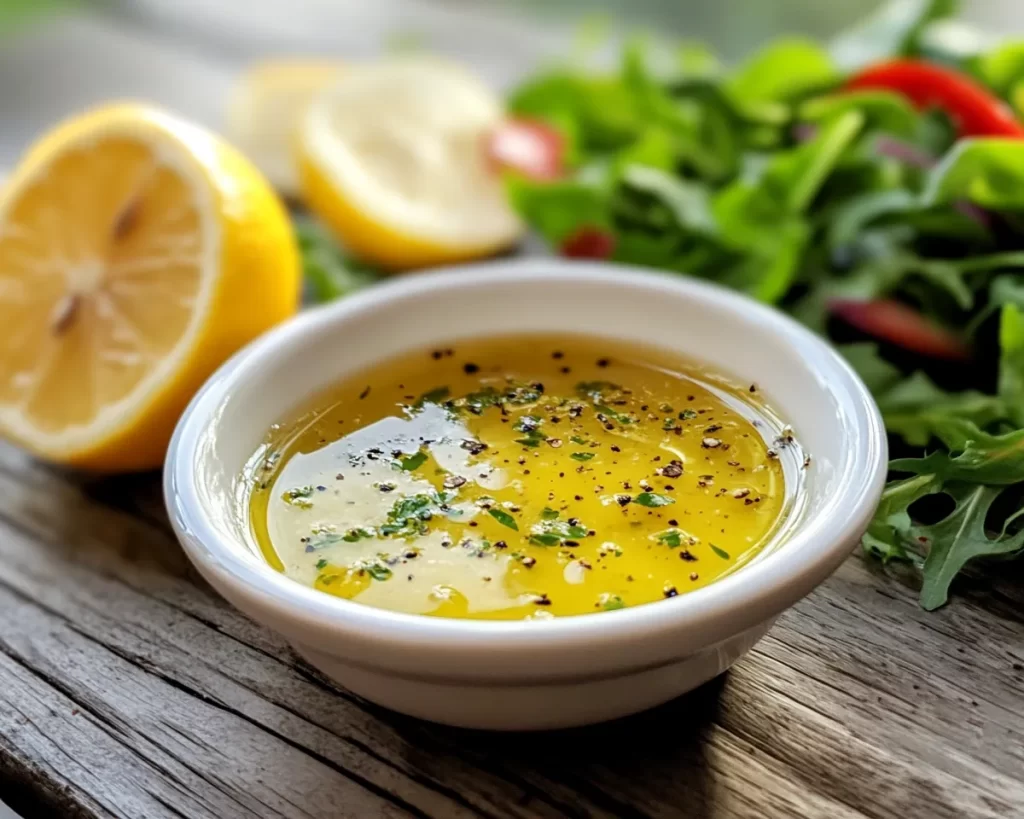
When the sun starts shining and the flowers bloom, it signals the perfect time for fresh salads adorned with – you guessed it – a delightful lemon vinaigrette dressing. This dressing isn’t just any vinaigrette; it’s a light, zesty, and refreshing burst of flavor that brings your spring salads to life. Imagine a tantalizing blend of tart lemon, delicate herbs, and smooth olive oil, drizzling down crisp greens and fresh veggies. It’s a simple recipe that can elevate any dish, making it a staple in your kitchen.
What makes this lemon vinaigrette truly special is its versatility and ease. With just a handful of ingredients, you can whip up a dressing that not only enhances the taste of your salads but also contributes to a healthy lifestyle. Whether you’re tossing together a classic garden salad, a fruit salad, or a quinoa bowl, this vinaigrette serves as the perfect complement. In this article, you will learn how to create this lemon vinaigrette dressing effortlessly, explore variations to suit your taste, and discover common mistakes to avoid.
What Is Lemon Vinegarette Dressing for Spring Salads (Fresh + Light)?
Lemon vinaigrette dressing has its roots deeply embedded in Mediterranean cuisine, where the freshness of lemons is celebrated. This tangy dressing is typically made with a few simple ingredients: fresh lemon juice, olive oil, salt, and pepper, often enhanced with fresh herbs or spices. The result is a smooth and vibrant dressing that dances along your palate, striking the perfect balance between tangy and savory.
The texture is smooth and silky, allowing it to coat your salad greens beautifully without overwhelming them. The flavor is bright and zesty, creating a lovely contrast to the crunchy vegetables in your salad. Each bite feels invigorating and fresh, embodying the essence of spring. This dressing can be adjusted to suit your preferences, making it an inviting choice for anyone looking to enjoy the season’s bounty.
Additionally, the vinaigrette serves not only as a salad dressing but also as a marinade for grilled chicken or fish, or even a flavorful drizzle over roasted vegetables. This multi-faceted application showcases the dressing’s adaptability, ensuring it finds its way into multiple meals throughout the week.
Why You’ll Love This
There are numerous reasons to adore this lemon vinaigrette dressing. First and foremost is its incredible **taste**. The bright acidity from the lemon juice brings a refreshing twist that can uplift even the simplest salad. You will find that it transforms your meals, turning your everyday greens into something you crave. Pairing it with fresh herbs adds an aromatic layer, creating a complex flavor profile that is simply exhilarating.
Another significant benefit of this vinaigrette is its **ease** of preparation. In just ten minutes, you can create a luscious dressing that rivals anything found in stores, all from the comfort of your kitchen. Perfect for busy parents or beginners in the kitchen, this recipe requires no cooking—just whisk the ingredients together, and you’re good to go!
From a **cost perspective**, making your own vinaigrette is budget-friendly. Store-bought dressings often contain preservatives and artificial flavors, while this recipe uses natural ingredients that you likely already have on hand. Lastly, the health benefits associated with using extra virgin olive oil and fresh lemon juice cannot be understated. These ingredients can help improve heart health and boost your Vitamin C intake.
One of the most common mistakes with homemade dressings is overemphasizing oil or not balancing flavors correctly. This recipe guides you in achieving a delightful harmony that ensures each component shines without overpowering the others.
Ingredients You’ll Need
- Fresh lemon juice: 1/4 cup – This is the key ingredient that brings the tangy flavor to the dressing. Freshly squeezed lemon juice is preferable for optimal taste.
- Extra virgin olive oil: 3/4 cup – This rich oil adds creaminess and depth to the dressing. It maintains the health benefits while giving that luscious texture.
- Honey or maple syrup: 1 tablespoon – A touch of sweetness balances the acidity of the lemon. Feel free to substitute with agave if you’re vegan.
- Salt: 1/2 teaspoon – Enhances the overall flavor of the vinaigrette. Adjust based on your taste preference.
- Fresh herbs (optional): 1 tablespoon – Consider using parsley, basil, or dill for added flavor. These herbs brighten the dressing and add an extra layer of freshness.
- Black pepper: to taste – Freshly ground black pepper adds a subtle heat that complements the flavors beautifully.
Each ingredient plays a specific role in creating a balanced and flavorful dressing. You have the core elements of acidity, fat, sweetness, and seasoning—all crucial for that signature vinaigrette taste. Feel free to mix and match herbs based on what you have available or your personal preference; the dressing remains incredibly forgiving and adaptable.
How to Make
- Start by juicing your lemons. You’ll need about 2-3 medium-sized lemons for a 1/4 cup of juice. Using a **fine mesh strainer** helps catch any seeds and pulp, ensuring your dressing remains smooth.
- In a medium-sized bowl, combine the fresh lemon juice and honey or maple syrup. Whisk these ingredients together until well mixed. This is crucial as it helps to dissolve the honey, making it easier to blend with the oil later.
- Now, slowly drizzle in the extra virgin olive oil while continuing to whisk vigorously. This technique incorporates the oil into the lemon juice, creating an emulsion that thickens the vinaigrette. The goal is to achieve a creamy consistency that will cling beautifully to your salad greens.
- Next, sprinkle in the salt and ground black pepper. Taste your dressing at this point to adjust for seasoning. You want a well-balanced flavor where no single ingredient overpowers the others.
- If using herbs, finely chop them before adding them to the bowl. Whisk again to combine everything, allowing the flavors to meld. This final touch provides a vibrant flavor and a touch of green.
- Transfer your lemon vinaigrette into a jar or bottle for easy storage. You can store it in the refrigerator for up to a week – just remember to give it a good shake before each use!
Enjoy your freshly made lemon vinaigrette dressing over a variety of salad combinations. The process is simple and satisfying, and with practice, your confidence in the kitchen will surely grow.
Variations & Substitutions
Creamy Lemon Vinaigrette: If you’re in the mood for something richer, consider adding 1/4 cup of Greek yogurt to the vinaigrette for a creamy texture. This version is great for those who prefer a more decadent dressing. The yogurt not only adds creaminess but also boosts the nutritional profile, making it a hit for health-conscious eaters. This variation works beautifully on salads that contain grains like quinoa or farro, enhancing the overall taste.
Spicy Lemon Vinaigrette: For fans of a little kick, add 1 teaspoon of Dijon mustard and a pinch of red pepper flakes to the original recipe. This dressing not only has a tangy flavor but also packs a spicy punch that complements heartier salads, particularly those with roasted vegetables or grilled chicken. The mustard acts as an emulsifier, helping the oil and lemon juice stick together.
Herb-Infused Lemon Vinaigrette: Experiment with various fresh herbs such as oregano, mint, or cilantro. Using a combination of herbs can dramatically change the flavor profile, making it more aromatic and complex. This is especially delightful in summer salads featuring tomatoes and cucumbers, as the fresh herbs harmonize with the other ingredients, giving a bright appearance and taste.
Ginger Lemon Vinaigrette: Add grated fresh ginger (about a teaspoon) for a vibrant Asian-inspired twist. The ginger adds warm spice notes while the lemon keeps things light and fresh. This is a fantastic option for salads with avocado or Asian ingredients like sesame oil or soy sauce, giving you a unique fusion of flavors.
These variations not only allow customization but also keep your salads exciting and new. Finding the right combination can make a huge impact on your meals, catering to individual tastes and preferences.
Common Mistakes to Avoid
One of the most critical mistakes when making lemon vinaigrette dressing is not balancing the acidity and sweetness properly. Using too much lemon juice can make your dressing overly tangy, while not enough may result in a bland flavor. Start with the suggested measurements and adjust to your taste; remember, you can always add more lemon juice, but it’s hard to take it away.
Another common pitfall is choosing the wrong type of oil. Using a poor-quality oil can ruin the dressing’s flavor. Always opt for **extra virgin olive oil**; it should taste fresh and fruity. If the oil smells rancid or off, it will carry that flavor into your dressing.
Lastly, be cautious about the freshness of your ingredients. Using **stale herbs or aged olive oil** can dull the flavors of the vinaigrette. Always use fresh herbs for the best results; they bring essential oils and freshness that enhance the salad’s overall persona. Remember to mix well after storage, as ingredients can settle and separate, losing that lovely emulsion.
Storage, Freezing & Reheating Tips
Storing your lemon vinaigrette is straightforward. Once prepared, transfer it to a clean glass jar with a tight-fitting lid. Store in the refrigerator for up to a week. The vinaigrette can sometimes thicken when chilled; simply allow it to sit out for a few minutes to come to room temperature, then give it a good shake to re-emulsify.
While you can technically freeze lemon vinaigrette, it’s not highly recommended due to the separation that may occur upon thawing. If you choose to freeze it, pour it into ice cube trays for easy portioning, which can then be transferred to a freezer-safe bag. Just be aware that the texture may not be the same when thawed, though it should still retain its flavors.
When it comes to reheating, there’s no direct need for it since vinaigrette is typically used cold or at room temperature. However, let the vinaigrette sit until it reaches the desired temperature before serving it on salads or any dishes.
Follow these storage tips to maintain the vinaigrette’s fresh flavor and enjoy it in its best state!
Frequently Asked Questions
Can I use bottled lemon juice instead of fresh lemon juice? While it’s possible to use bottled lemon juice for convenience, fresh lemon juice offers a brightness and flavor depth that hard to replicate. If you want a superior taste and aroma, always opt for the freshly squeezed variety when making your lemon vinaigrette.
How do I know if my vinaigrette is emulsified enough? A well-emulsified vinaigrette will have a creamy appearance and stay mixed together rather than separating into oil and vinegar layers. If you notice separation, give it a good shake before using. Utilizing a whisk while adding the oil slowly helps create that stable emulsion.
Is this recipe suitable for vegans? Absolutely! This lemon vinaigrette dressing is naturally vegan-friendly when you use maple syrup as your sweetener. No other animal products are included, making it a perfect condiment for those following a plant-based diet.
Can I add nuts or seeds to the dressing? While not typical, adding finely chopped nuts or seeds can give your vinaigrette an interesting texture. Consider using chopped walnuts or sesame seeds; just be aware that adding solid components may affect the dressing’s ability to coat the salad evenly.
What types of salads pair well with lemon vinaigrette? The versatility of this lemon vinaigrette means it can be used on various salads. It shines brightest in green salads with crisp romaine or spinach, fruit salads balancing sweetness, and grain-based salads with quinoa or farro. It also works well as a healthy drizzle over roasted vegetables, enhancing their flavors with a citrus pop.
Conclusion:
This lemon vinaigrette dressing combines simplicity, flavor, and health benefits into one delightful recipe. With its fresh, zesty taste and versatility, you can easily enhance your meals while enjoying the elements of a wholesome diet. Don’t hesitate to customize the ingredients to make it suit your taste preferences. Try making it today, and watch how it elevates your salads and dishes, keeping things fresh and exciting in the kitchen. Share this recipe with friends and family, and spread the love of homemade dressings!