Prep time: 10 minutes
Cook time: 30 minutes
Total time: 40 minutes
Servings: 4 servings
Imagine a cozy Sunday morning where the aroma of baked eggs and fresh vegetables wafts through your kitchen, inviting you to gather around the table for a warm, satisfying meal. You might have an abundance of leftover veggies sitting in your fridge, begging to not go to waste. This is where the Frittata Recipe with Leftover Veggies shines — not only is it a delightful way to use up those ingredients, but it also offers a perfect balance of flavor and nutrition.
This recipe is exceptional because it boasts simplicity and versatility that any home cook can appreciate. You’ll learn how to craft a delicious frittata using leftover veggies effortlessly, turning yesterday’s meal scraps into a sunrise feast. Get ready to soak in mouthwatering tastes, valuable cooking tips, and innovative variations that will keep your taste buds excited and your kitchen habits sustainable.
What Is Frittata Recipe with Leftover Veggies (No Waste)?
Frittata is a classic Italian dish that features beaten eggs enriched with various internal ingredients, typically including vegetables, cheese, or meats. Its origins stem from regions in Italy where frugality is key; the frittata was born out of the need to use leftover food and reduce waste. In this recipe, leftover veggies take center stage, transforming simple eggs into a vibrant, flavorful dish.
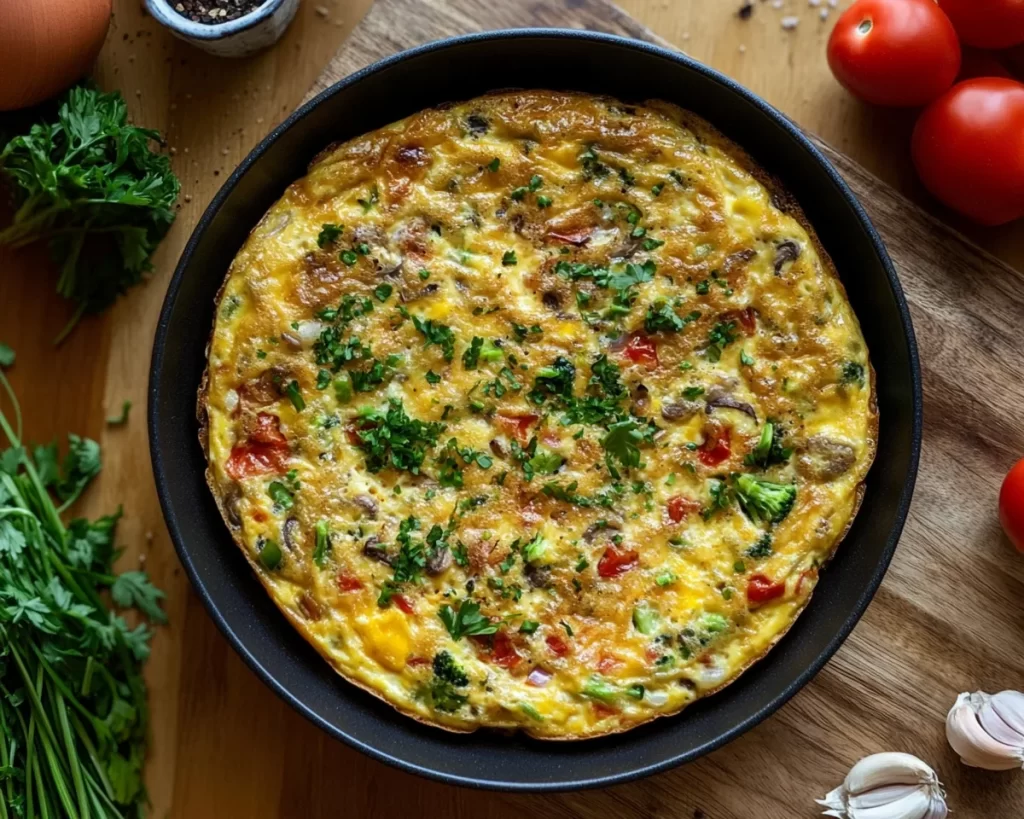
The texture of a frittata is different from an omelet or a quiche; it is thicker, denser, and often served sliced like a pie. You’ll notice a delightful contrast in textures if you incorporate soft vegetables with a slight crunch, creating a delightful bite. With a golden-brown top and a custardy interior, a well-made frittata will have you reaching for seconds.
Adding spices, herbs, and seasonings gives a unique twist to the flavor profile. Imagine the zing of fresh herbs like basil, or perhaps the boldness of smoked paprika melding beautifully with sweet bell peppers and earthy spinach. This dish is as much about showing off your creativity as it is about being resourceful.
Why You’ll Love This
When it comes to meals you’ll adore, this frittata checks all boxes: taste, ease, and versatility. The beauty of this dish is its ability to be modified based on whatever veggies you have on hand, making it a wonderful choice for those on a budget or anyone trying to minimize kitchen waste. No need to plan your grocery shopping rigidly; the frittata allows for spontaneity and encourages you to experiment.
It’s also a confirming dish for busy parents and novice cooks. You can make it ahead of time, store it, and enjoy it throughout the week, giving you nutritious meal options that are easily reheatable. People often think that making an egg-based dish is finicky or complex, but with the right approach, it’s as simple as whisking, pouring, and baking.
Complemented with fresh salad or crusty bread, a slice of veggie frittata makes for an elegant brunch or an easy family dinner. The possibilities are endless, and it promises to be a family favorite!
Ingredients You’ll Need
- 6 large eggs: The base of any frittata, providing protein and structure.
- 1 cup of leftover veggies: Use whatever leftovers you have — bell peppers, zucchini, spinach, tomatoes, or even asparagus work wonderfully.
- 1/2 cup of cheese: Feta, goat cheese, or shredded cheddar add depth and creaminess.
- 1 small onion, diced: Adds sweetness and a wonderful aromatic base.
- 2 cloves garlic, minced: Enhances the flavor profile with its earthy notes.
- 1 tablespoon olive oil: Helps to sauté the vegetables and provides a rich mouthfeel.
- Salt and pepper to taste: Essential for seasoning your dish and enhancing the flavors.
- Fresh herbs (optional): Basil, parsley, or chives add freshness and brightness.
Each ingredient plays a vital role in the overall success of the frittata. Eggs ensure that the frittata is rich and satisfying. The leftover veggies bring their unique textures and flavors, allowing you to celebrate what you already have in your pantry. Cheese melts beautifully to create a creamy finish, and sautéed onions and garlic provide that foundational aromatic boost that will fill your home with warmth.
How to Make
- Preheat the oven: Set your oven to 400°F (200°C). Preheating ensures that your frittata cooks evenly and gets a nice golden finish on top.
- Sauté the vegetables: In an oven-safe skillet, heat the olive oil over medium heat. Add the diced onion and garlic, cooking until the onion is translucent. This should take about 3-4 minutes. Then, add your leftover veggies. Stir occasionally for about 5-7 minutes until they are heated through and slightly softened, which will help to meld the flavors.
- Whisk the eggs: In a mixing bowl, crack the eggs and whisk them until smooth. Season the mixture with salt and pepper to taste. For added flair, you may want to blend in some fresh herbs at this time. If you’re using cheese, fold in about half of it into the egg mixture, leaving some for the top.
- Combine everything: Pour the whisked eggs over the sautéed vegetables in the skillet. Ensure even distribution by lifting some veggies to let the egg mixture flow underneath. Cook without stirring for another 2-3 minutes until the edges start to set, keeping the center runny.
- Bake: Once the edges are set, sprinkle the remaining cheese on top, then transfer the skillet to the preheated oven. Bake for about 15-20 minutes, or until the frittata is puffed up and a toothpick comes out clean from the center. This step ensures that the egg has fully cooked through without becoming rubbery.
- Cool and slice: Once cooked, remove the skillet from the oven (remember, it’s hot!) and allow it to cool for 5 minutes. This resting period makes slicing much easier. Use a spatula to gently loosen the edges before sliding it out or serving directly from the skillet. Cut it into wedges, and serve warm.
Making a frittata is straightforward, especially with these step-by-step instructions. The aroma that fills your kitchen as the frittata bakes is truly rewarding, and the anticipation builds as you wait to slice into that flavorful pie.
Variations & Substitutions
Spinach and Feta Variation: This variation emphasizes the earthy flavor of spinach combined with the tangy and creamy profile of feta cheese. By sautéing fresh spinach alongside your other onions and vegetables until wilted, you infuse the frittata with a beautiful green hue and added nutritional benefits. This version is particularly attractive for vegetarians looking to increase their nutrient intake while enjoying a satisfying meal. If you prefer, swap out feta for cottage cheese, which provides a milder taste but keeps that creamy texture intact.
Southwestern Frittata: For a kick of spice, create a Southwestern-style frittata by adding ingredients like black beans, corn, and jalapeños. Incorporate spices such as cumin and paprika to deepen the flavor profile, giving it a robust taste reminiscent of Mexican cuisine. Topped with avocado or fresh salsa right before serving, this version offers a refreshing twist. This is perfect for those not shy about bold flavors and spicy food.
Mushroom and Asparagus Frittata: For a spring-inspired dish, consider using sautéed mushrooms and fresh asparagus. Slice the mushrooms thinly and cook them down to release their moisture and natural woodsy flavor before adding asparagus for a crisp-tender texture. This combination creates an elegant dish appropriate for brunch gatherings. A sprinkle of fresh tarragon or thyme can elevate the flavor even further, catering to those who appreciate the nuances of herb-infused cooking.
Common Mistakes to Avoid
Even though making a frittata is simple, there are a few pitfalls that can affect your final dish. One common mistake is overcooking the eggs. It’s essential to keep an eye on your frittata in the oven. Cooking time may vary according to your oven and skillet size. You want the interior to be set but moist, as over-baking can lead to a dry texture.
Another issue can arise from using too much moisture-laden vegetables without properly cooking them. Zucchini and mushrooms, for instance, may release water that will result in a soggy frittata. Be sure to sauté these ingredients well before adding them to your egg mixture. If you find your frittata is too runny in the middle even after baking, it may require longer baking time or a lower temperature to set properly.
Lastly, don’t forget to season adequately! Eggs can taste bland without proper seasoning; sprinkle salt and pepper generously throughout the process, especially in the beaten eggs for an overall infused flavor.
Storage, Freezing & Reheating Tips
If you’ve made more frittata than you can eat in one sitting (which is often the case), don’t worry; it stores beautifully! Allow the cooked frittata to cool completely at room temperature, then place it into an airtight container. In the refrigerator, it will stay fresh for up to four days. If needed, you can also freeze slices wrapped tightly in plastic wrap or stored in a freezer-safe bag for up to three months.
When reheating, the best method is to use an oven or toaster oven to maintain its texture — simply preheat to 350°F (175°C) and heat for around 10-15 minutes. Avoid microwaving unless necessary, as it can lead to a rubbery texture.
For food safety, always refrigerate any leftovers promptly and consume them within the mentioned time frame. If you notice any off smells or changes in texture, it’s best to err on the side of caution and discard any questionable portions.
Frequently Asked Questions
Can I use any leftover veggies for this frittata? Absolutely! The beauty of the frittata lies in its adaptability. You can use almost any vegetable you’ve got, such as bell peppers, broccoli, carrots, or even roasted vegetables. Just make sure they are cooked and not overly watery; sautéing them ahead can help with this.
Is it necessary to add cheese? No, cheese is optional. While it adds creaminess and flavor, you can easily opt for a dairy-free version if you’re lactose intolerant or prefer not to add cheese. Simply replace it with nutritional yeast for added umami flavor or avoid it altogether.
Can I make this dish ahead of time? Absolutely! Frittatas are a fantastic make-ahead meal. You can prepare it the night before and simply reheat it in the morning for a quick breakfast. It’s a time-saver for busy weekdays or brunch gatherings.
What kind of pan is best for making a frittata? An oven-safe skillet is ideal, preferably cast iron or non-stick. This ensures even heat distribution and easy release of the frittata. If you don’t have a suitable skillet, you can also bake the frittata in a greased pie dish.
How do I know when the frittata is done? The frittata should be puffed up and golden brown on top. A toothpick inserted into the center should come out clean with no runny egg. The edges may appear set, while the center will remain slightly jiggly before resting.
Conclusion:
The Frittata Recipe with Leftover Veggies is a treasure trove of flavors, textures, and fulfilling goodness crafted from what you already have. Its adaptability allows you to express your creativity, while its simplicity makes it perfect for beginners and busy families alike. Whether you choose to stick with the basic version or branch out into vibrant variations, this frittata is sure to become a staple in your cooking repertoire.
So grab those leftover veggies, whisk those eggs, and embark on a culinary adventure that’s both satisfying and resourceful. Don’t forget to share your delicious results or take a moment to customize it to your palate preferences. This recipe is your new go-to whenever you crave a comforting meal that’s easy to whip up, so enjoy exploring the various ways you can make it your own!