Prep time: 15 minutes
Cook time: 30 minutes
Total time: 45 minutes
Servings: 6
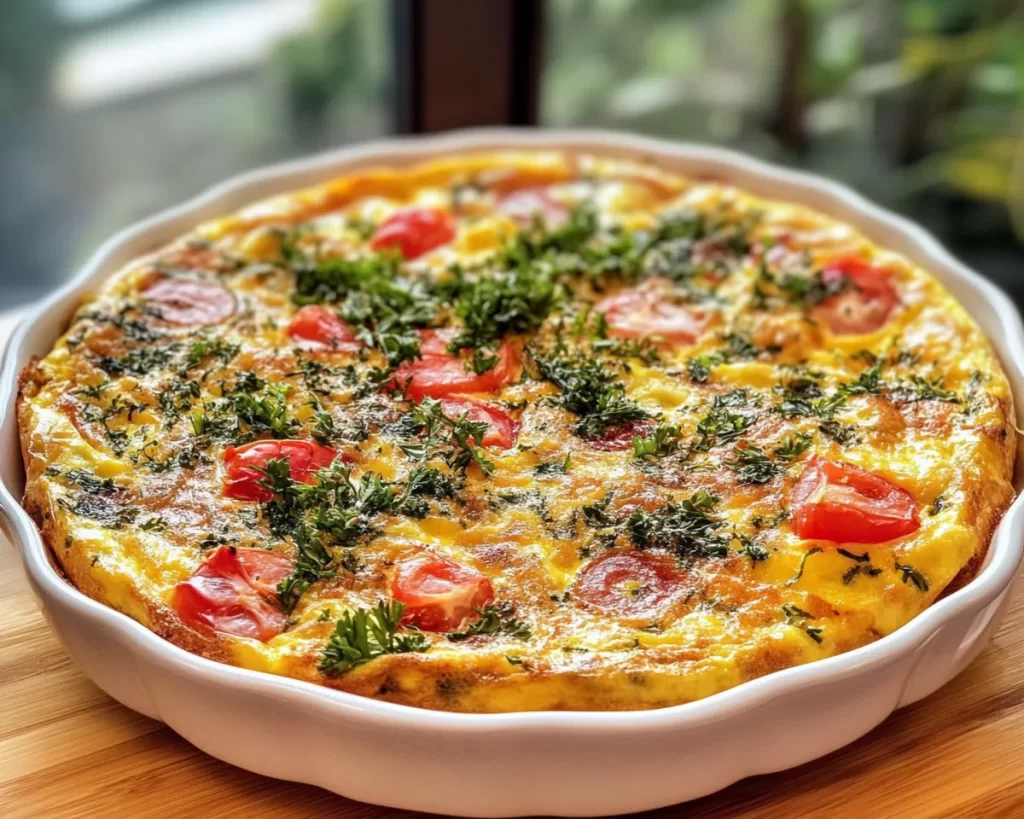
If you’re looking for a delicious and satisfying dish that’s perfect for brunch, look no further than a frittata. This versatile Italian egg dish is not only scrumptious, but it also allows you to get creative with whatever ingredients you have on hand. Imagine gathering your family or friends around the table, everyone eagerly anticipating the aromatic frittata, filled with vibrant vegetables and savory cheese. It’s not just a meal; it’s an experience filled with warmth, connection, and delight.
Frittatas are special because they embody culinary simplicity while providing room for unlimited creativity. Unlike omelets that require flipping, frittatas are baked until set, which makes them perfect for a crowd. This recipe allows you to seamlessly integrate flavors and textures, combining tender vegetables with creamy eggs and your favorite herbs and seasonings. Whether you’re cooking for a special occasion or just want to elevate your usual weekend brunch, you’ll learn how easy it is to whip this up.
You will discover the perfect balance of flavor and texture, tips to enhance your frittata, and creative variations to suit all preferences and dietary considerations.
What Is Frittata Recipe for Brunch (Crowd Favorite)?
A frittata is a traditional Italian dish resembling an omelet, but it has its unique characteristics that set it apart. Originating from Italy, the word “frittata” means “fried,” which is aptly descriptive of its cooking method. Unlike a traditional omelet, which is cooked only on the stovetop, a frittata is started on the stovetop before being finished in the oven, allowing it to puff up beautifully and develop a golden crust. The texture is light and fluffy, while the flavor is a harmonious blend of rich eggs and your chosen mix-ins.
Frittatas can include an array of ingredients such as sautéed vegetables, cheeses, meats, and herbs, making them incredibly versatile. You can adapt your frittata based on seasonal ingredients or what’s left in your fridge. The result is a vibrant canvas of colors and flavors that tantalize the taste buds. With each bite, the combination of fluffy eggs and the various fillings creates a delectable eating experience.
Whether served warm or at room temperature, frittatas are perfect for brunch gatherings or meal prep for busy weekdays. You can slice it into wedges or cubes, making it easy to serve and enjoy. It’s a dish that caters to both casual family breakfasts and elegant brunch spreads.
Why You’ll Love This
This frittata recipe is beloved for several compelling reasons. First and foremost is its **taste**. The combination of eggs with fresh vegetables and spices creates a mouthwatering dish that satisfies any palate. The ingredients meld together in harmony, offering a complex flavor profile in every bite. Moreover, the frittata is a great choice for **easy cooking**; there’s minimal fuss involved. You sauté your ingredients, mix in the eggs, and allow the oven to work its magic. This simplicity is a huge plus for beginners and busy parents who are juggling multiple tasks.
Another appealing aspect is the **cost-efficiency** of making a frittata. Eggs are generally inexpensive, and you can use whatever vegetables or proteins you have lying around. A frittata allows you to be resourceful and create a filling meal without breaking the bank. Additionally, it’s a **healthy choice**; eggs offer high-quality protein while the vegetables provide crucial vitamins and minerals. You can customize it to fit various dietary needs, accommodating vegan, gluten-free, or low-carb diets with some adjustments.
Some might think that making a frittata is challenging or that it requires special techniques. However, this recipe disproves those myths. With clear instructions and helpful tips, even novice cooks can achieve a stunning frittata.
Ingredients You’ll Need
– **8 large eggs**: The star ingredient. Eggs provide the base for the dish. For a lighter option, you can use egg whites or a combination of eggs and egg substitutes.
– **1 cup milk**: This adds creaminess and helps achieve a soft texture. You could substitute dairy with almond milk or oat milk for a dairy-free version.
– **1 cup bell peppers (any color)**: Bell peppers add sweetness and color. You can also use other vegetables like zucchini or mushrooms.
– **1 cup spinach**: Spinach introduces nutrients and a lovely green color. Kale or arugula can also be good substitutes.
– **1 cup cheese (like feta, cheddar, or mozzarella)**: Cheese enhances flavor and adds creaminess. Feel free to experiment with different varieties.
– **1 small onion**: Sautéed onions bring sweetness. Shallots can also be used for a milder flavor.
– **Salt and pepper to taste**: Essential for seasoning. Consider adding herbs like oregano or basil for additional flavor.
– **1 tablespoon olive oil**: For sautéing the vegetables. Any cooking oil will work, but olive oil adds a nice depth of flavor.
Each of these ingredients plays a crucial role, and being aware of their substitutes will help you tailor the frittata to your preferences and dietary needs.
How to Make
1. Preheat your oven to 350°F (175°C). This step is crucial, as a preheated oven ensures even cooking. Skipping this can lead to an undercooked frittata, so don’t skip this step!
2. In a large mixing bowl, crack the **8 large eggs** and pour in **1 cup of milk**. Whisk until well combined and frothy. This will incorporate air into the eggs, which is essential for a light and fluffy texture. Make sure no egg yolk remains unbroken, as that could affect the evenness of the mixture.
3. Heat **1 tablespoon of olive oil** in a large oven-safe skillet over medium heat. Add **1 small chopped onion** and cook for 2-3 minutes until translucent. Stir occasionally to prevent any browning. The cooking process allows the onion flavor to mellow, enhancing its sweetness.
4. Toss in **1 cup of chopped bell peppers** and cook for another 5 minutes until they soften. The vibrant color will begin to brighten your kitchen, and the aroma will surely whet your appetite. Stir frequently to ensure even cooking.
5. Add **1 cup of fresh spinach** to the skillet and cook until it wilts, which should take about 1-2 minutes. The spinach will lose volume significantly but will contribute essential nutrients to the dish.
6. Now, pour the egg and milk mixture over the sautéed vegetables. Make sure the filling is evenly distributed, and give it a gentle stir if necessary. At this point, you can also fold in **1 cup of your choice of cheese**. This step adds creaminess and flavor.
7. Season the mixture with **salt and pepper** to taste. Feel free to include herbs like thyme or parsley for extra flavor.
8. Let the frittata cook on the stove for about 5 minutes until the edges start to set. This allows the base to cook before transferring it to the oven.
9. Transfer the skillet to your preheated oven and bake for 20-25 minutes, or until the center is set and the top is slightly golden. This is the time to relax and breathe in the enticing aroma wafting through your kitchen.
10. Once cooked, remove the frittata from the oven and let it rest for 5 minutes. Carefully slice it into wedges and serve warm, or allow it to reach room temperature for a relaxed brunch. It pairs beautifully with a side salad or crusty bread.
Variations & Substitutions
Vegetable Medley Variation
This variation substitutes the basic vegetables with a mix of seasonal ones. Think about including zucchini, asparagus, or cherry tomatoes. By playing with the ingredients, you not only change the flavor but also add different textures to the dish. This is ideal for individuals looking for a **vegan-friendly** option; simply replace the eggs with a chickpea flour mixture or a plant-based alternative.
Meat Lover’s Frittata Variation
For those who prefer a heartier meal, add cooked bacon, sausage, or ham. The addition of meat introduces a savory, umami flavor that enhances the overall dish. If you’re cooking for a crowd where dietary restrictions may vary, consider cooking meat separately and allow guests to add it to their portions. This maintains flexibility while satisfying the meat-loving crowd.
Spicy Southwest Frittata Variation
Add jalapeños, black beans, and corn for a South-of-the-Border twist. Tossing in spices like cumin and smoked paprika elevates the taste profile to something more vibrant and exciting. Garnish with avocado slices and fresh cilantro for added flavor. This variation is perfect for those who enjoy a kick of heat.
Cheesy Herb Frittata Variation
Using a blend of **aged cheeses** such as feta, goat cheese, or Gruyère can yield a rich and creamy frittata. Adding dried herbs like oregano or rosemary enhances the flavor profile without requiring too much effort. This variation appeals to gourmet tastes while remaining accessible for beginners.
Each version is adaptable to suit dietary restrictions, taste preferences, or seasonal availability. Get creative and don’t hesitate to experiment!
Common Mistakes to Avoid
One common mistake is undercooking the frittata. It’s essential to ensure that the center is fully set before removing it from the oven. An undercooked frittata can be unappetizing and may lead to food safety concerns, as raw eggs can be a health hazard. Always use a toothpick or knife to check if it’s fully cooked; it should come out clean.
Another issue is the addition of too many moist ingredients that can lead to a soggy texture. Be cautious with watery vegetables like tomatoes or zucchini; cook them down first to release excess moisture. This will create a more balanced texture and prevent your frittata from becoming spongy.
Lastly, neglecting seasoning is a common oversight. Eggs are naturally bland, so **make sure to season generously** with salt, pepper, and herbs for flavor. Many home cooks underestimate how seasoning can elevate the dish.
Storage, Freezing & Reheating Tips
Proper storage of your frittata can extend its life span and keep it fresh. Once cooled, if you have leftovers, refrigerate them in an airtight container for up to 3–4 days. For longer storage, frittatas can be frozen for up to 2 months. When freezing, slice the frittata into wedges for easy portioning. Wrap each piece individually in plastic wrap before placing it in an airtight freezer-safe container.
To reheat, you can use the microwave for a quick warm-up, but an oven will yield a better texture. Place your frittata on a baking sheet and warm it at 350°F (175°C) for about 10–15 minutes until heated through. Always check for even heating to ensure that it remains enjoyable. The **food safety best practices** should always be followed: never leave cooked eggs at room temperature for prolonged periods to avoid bacterial growth.
Frequently Asked Questions
Can I add eggs without dairy for a dairy-free frittata?
Absolutely! You can use non-dairy milk alternatives such as almond, oat, or coconut milk for your frittata. They will keep the creamy texture while catering to those who are lactose intolerant or prefer a dairy-free option. Just make sure to choose a flavor that meshes well with your veggies.
How do I know when the frittata is fully cooked?
A perfectly cooked frittata will be set in the center, not runny. You can test it by inserting a toothpick or knife into the center; it should come out clean if fully cooked. If it comes out with gooey egg, give it a few more minutes in the oven.
Can I make a frittata in advance?
Yes, frittatas are an excellent make-ahead dish and can even taste better the next day. You can prepare it the night before and reheat it the next day. It holds up well in the fridge and is great for meal prep.
What’s the best pan to use for making a frittata?
A heavy-bottomed, oven-safe skillet is ideal for making a frittata. Cast iron skillets are a popular choice, as they distribute heat evenly and develop a beautiful golden crust.
Can frittatas be frozen?
Yes, unbaked or baked frittatas can be frozen. Just make sure to slice them into portions for easier serving later. When you’re ready to eat, simply reheat in the oven for the best texture, or microwave for convenience.
Conclusion:
The frittata is a versatile and delightful addition to your brunch repertoire. With its delicious flavors and countless variations, it invites you to experiment while being simple enough to please even the pickiest eaters. Whether you stick to the classic recipe or get adventurous with your mix-ins, you will find yourself yearning for more. I encourage you to try making this crowd-favorite dish, customize it to reflect your taste, and share it with your loved ones. Embrace the warmth and joy that cooking can bring to your home.