Prep time: 20 minutes
Cook time: 30 minutes
Total time: 50 minutes
Servings: 12
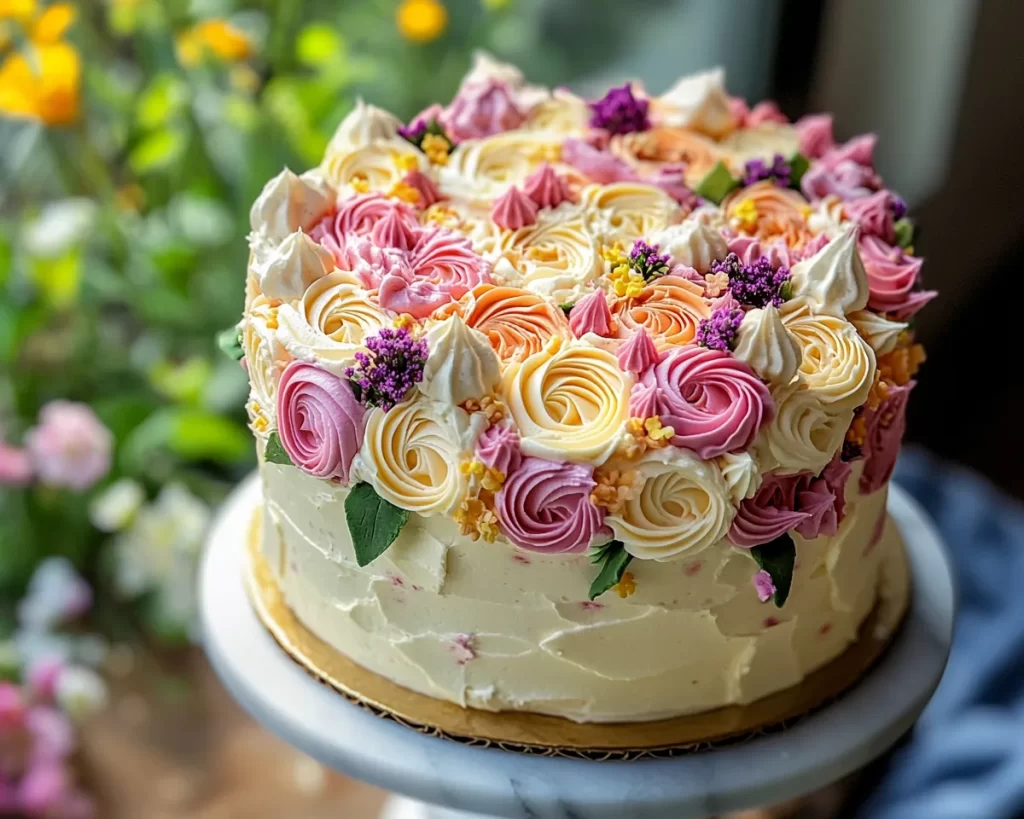
Spring is a time of renewal and refreshment, and there’s no better way to celebrate the season than with a vibrant **Spring Cake Designs: Simple Spring Cake with Buttercream Swirls**. Picture this: you walk into a sunlit kitchen, and the delightful aroma of fresh cake fills the air. The beauty of this cake isn’t just in its taste—though it’s heavenly, too—but in its colorful presentation that captures the essence of spring flowers and fresh greenery.
This recipe is designed for everyone, whether you’re a seasoned baker or just starting your culinary journey. In this article, we will explore the simplicity and joy of creating a stunning spring cake adorned with luscious buttercream swirls. You’ll learn about essential techniques, helpful tips, and variations to make the cake your own. Get ready to impress your family and friends with this delightful spring treat that celebrates both taste and beauty!
What Is Spring Cake Designs: Simple Spring Cake with Buttercream Swirls?
The **Simple Spring Cake with Buttercream Swirls** is a delightful dessert that embodies the freshness of the season. Traditionally, spring cakes are moist, fluffy, and often imbued with flavors that resonate with the warmer months, such as vanilla, fresh fruits, or even floral extracts like lavender. This cake stands out not just for its delectable taste but for its artistic presentation, which invites you to slice into its delicious layers.
At its core, this cake is a classic vanilla sponge cake, layered with a rich and creamy **buttercream frosting**. The frosting is where the magic truly happens—a canvas for your creativity. With a simple piping technique, you can create swirls that mimic blooming flowers, making each slice as visually appealing as it is tasty. If you have kids, this recipe is a great opportunity to get them involved. The swirling and decorating parts are fun for everyone!
The combination of a soft sponge cake with the velvety **buttercream** creates a texture that’s fluffy yet decadently rich. Plus, the toppings can vary to include fresh fruits like strawberries, raspberries, or edible flowers, making it not just a dessert but a centerpiece for your spring gatherings.
Why You’ll Love This
You’re going to love this recipe for several reasons. First, the taste is absolutely divine. The light, airy cake pairs remarkably well with sweet, creamy buttercream, creating a balance that’s hard to resist. Not only does it taste great, but it’s also visually captivating, making it perfect for spring celebrations, birthday parties, or even casual family dinners.
Another significant advantage of this cake is its **ease of preparation**. With straightforward steps and readily available ingredients, even novice bakers can achieve impressive results. You can whip this up on a busy weekend or surprising guests on a whim, saving time without sacrificing taste or presentation. Imagine setting the table, and your guests are amazed at the beautiful cake you baked yourself!
Cost-wise, this cake is budget-friendly! With basic pantry staples for the sponge and affordable ingredients for the frosting and decoration, you can create a stunning dessert without breaking the bank. Moreover, this recipe is versatile; you can customize it to cater to various dietary needs, such as using gluten-free flour or adding vegan alternatives.
Let’s address a common perception: people often view cake-making as something complex, reserved for skilled bakers. This recipe breaks that myth, showing that with a bit of patience and love, anyone can create a showstopper. Always remember that baking is as much about the experience as it is about the end result, so don’t be afraid to have fun along the way!
Ingredients You’ll Need
To create your beautiful **Spring Cake Designs: Simple Spring Cake with Buttercream Swirls**, gather the following key ingredients:
- 2 cups all-purpose flour: This is the base of your cake, providing structure. For gluten-free options, consider a gluten-free flour blend.
- 1 ½ cups granulated sugar: Adds sweetness and helps with the cake’s texture; alternatives like coconut sugar can be used for a healthier option.
- ½ cup unsalted butter: A crucial ingredient for flavour and moisture; ensure it’s softened to room temperature for easy mixing.
- 1 cup milk: This keeps the cake moist. You can substitute with plant-based milk if needed.
- 3 large eggs: Provides richness and helps bind the ingredients. For an egg-free version, consider using chia or flax eggs.
- 2 tsp baking powder: A leavening agent that helps the cake rise; double-check freshness for the best results.
- 1 tsp vanilla extract: This enhances the overall flavour of the cake. Experiment by using different extracts, like almond or lemon.
- Pinch of salt: Balances sweetness and boosts the overall flavours.
- 4 cups powdered sugar: The main ingredient for buttercream. Adjust for consistency and sweetness according to preference.
- ½ cup unsalted butter (for frosting): This gives the buttercream a fluffy texture, so ensure it’s soft.
- Milk (as needed): To achieve your desired buttercream consistency; start with a tablespoon at a time.
- Food coloring (optional): Use to create vibrant buttercream swirls; natural colorings are available for a healthier option.
Each ingredient plays a pivotal role in the final product, contributing not just to taste but to the cake’s structure and appearance. Experimenting with substitutes can also lead to delightful new tastes.
How to Make
Here’s how to create your stunning **Spring Cake Designs: Simple Spring Cake with Buttercream Swirls** in a few straightforward steps:
- Preheat your oven: Start by preheating your oven to 350°F (175°C). This step is essential because a properly preheated oven helps the cake rise evenly, yielding a fluffy texture.
- Prepare your cake pans: Grease two 9-inch round cake pans with butter or cooking spray. You can also line the bottoms with parchment paper to ensure the cakes release easily after baking.
- Mix the dry ingredients: In a mixing bowl, whisk together the all-purpose flour, granulated sugar, baking powder, and salt. This helps ensure that your leavening agent is evenly distributed throughout the batter.
- Combine wet ingredients: In another bowl, beat the softened butter until creamy. Gradually add in the sugar and mix until it becomes light and fluffy. This incorporates air into the mixture, leading to a lighter cake.
- Add eggs and vanilla: Beat in the eggs one at a time, allowing each to fully incorporate before adding the next. Finally, mix in the vanilla extract until combined.
- Combine wet and dry ingredients: Gradually add the dry mixture to the butter mixture, alternating with the milk. Begin and end with the dry ingredients—this method keeps the batter smooth and prevents overmixing.
- Bake the cake: Pour the batter evenly into the prepared pans. Bake for 25-30 minutes, or until a toothpick inserted in the center comes out clean. Be cautious not to open the oven door too soon, as this can cause the cake to collapse.
- Cool down: Let the cakes cool in the pans for about 10 minutes before transferring them to a wire rack. Cooling is pivotal; if served warm, the frosting will melt off instead of sitting beautifully on top.
- Prepare the buttercream: In a bowl, beat together the softened butter and powdered sugar on low speed, gradually increasing speed until it’s smooth and fluffy. Add milk a tablespoon at a time until you achieve your desired consistency. For vibrant colors, divide the frosting into bowls, adding food coloring as desired.
- Assemble the cake: Place one cake layer on a serving platter. Spread a generous layer of buttercream on top, then gently press the second layer on top. Apply a crumb coat (a thin layer of buttercream) around the entire cake to seal in crumbs, then chill briefly to set.
- Decorate: Once chilled, use the remaining buttercream to pipe your decorative swirls on the cake. Feel free to get creative—use different piping tips for unique designs. Top with fresh fruits or edible flowers, adding that delicate spring feel!
With every step, you’re building not just a cake, but a memorable experience. The sensory details—the smell of buttercream, the feel of soft cake—are what make baking a joyful endeavor.
Variations & Substitutions
Citrus Spring Cake Variation: If you’re looking to freshen up the flavor profile, consider a citrus twist. Add the zest of one lemon or orange to your batter for a delightful citrus note. This gives the cake a lighter, more refreshing taste that pairs well with the sweetness of the buttercream. You can even make a citrus-infused buttercream by mixing in the corresponding zest to match. This cake is perfect for those who enjoy a vibrant taste that resonates with spring.
Chocolate Spring Cake Variation: For chocolate lovers, why not swap half of the all-purpose flour for cocoa powder? This modification creates a rich, indulgent chocolate cake that’s just as moist and fluffy. To enhance the chocolatey flavor, you might sprinkle chocolate chips into the batter before baking. A chocolate buttercream frosting can complete this delightful dessert. This variation appeals to everyone who enjoys that rich, satisfying chocolate flavor.
Vegan Spring Cake Variation: If you’re catering to a vegan audience or prefer plant-based options, simply replace the eggs with flax eggs (1 tablespoon of flaxseed meal mixed with 2.5 tablespoons of water per egg). The milk can be swapped with almond or oat milk, while the butter can be substituted with a vegan buttery spread. The resulting cake will remain soft and delicious, ensuring everyone can enjoy it!
Gluten-Free Spring Cake Variation: For those following a gluten-free diet, using a 1:1 gluten-free flour blend in place of the all-purpose flour often yields excellent results. Additionally, make sure that your baking powder is gluten-free. This cake will maintain its light texture while fulfilling gluten-free requirements, making it a delightful option for gatherings!
Common Mistakes to Avoid
When baking a cake, it’s essential to be aware of common pitfalls that can affect your results. One common mistake is **overmixing the batter**. This can lead to a dense cake due to the development of gluten. Aim to mix just until the ingredients are combined. Mix in dry ingredients gently to ensure a light, airy sponge instead.
Another critical warning is not measuring ingredients correctly. Baking is a precise science; even a slight miscalculation can change the outcome. Always use dry measuring cups for flour and sugar and liquid measuring cups for milk and liquids. If your batter seems too thick or too runny, it affects the final cake structure and taste.
Lastly, avoid skipping the **cooling time**. Trying to frost a warm cake can lead to melting frosting and a sloppy result. Cooling cakes gives them time to set, allowing for easier assembly and decorating. Remember, patience is key in baking!
Storage, Freezing & Reheating Tips
If you’ve baked a beautiful **Spring Cake**, you may find yourself needing to store leftovers. Store any uneaten cake in an airtight container at room temperature for up to 3 days. If the weather is warm or humid, it’s best to store it in the refrigerator to maintain freshness, but be aware that this may dry the cake out over time.
For freezing, ensure the cake has completely cooled before wrapping it tightly in plastic wrap, followed by aluminum foil. This helps prevent freezer burn and maintains quality. You can freeze the cake for up to 3 months. Simply thaw it in the refrigerator overnight before enjoying it again.
When it comes to reheating, this cake is best served at room temperature or slightly warmed. If you find that the cake has dried out, consider serving it with a scoop of ice cream or a drizzle of simple syrup to revive its moisture and enhance the flavor. For best results, never microwave the cake if it’s frosted, as this can cause the frosting to melt.
Frequently Asked Questions
Can I use a different frosting instead of buttercream? Yes, there are many alternatives to buttercream! Cream cheese frosting adds a tangy flavor, while whipped cream provides a light and airy topping. You might also explore ganache for a rich chocolate alternative or even a fruit glaze for a fresh fruit-infused experience.
How can I decorate the cake for a special occasion? Decorating your cake can incorporate fresh seasonal fruits, edible flowers, or themed cake toppers to celebrate events. You can also pipe additional buttercream flowers or use decorative sprinkles to personalize the cake. The options are endless!
Can I make this cake ahead of time? Absolutely! You can bake the cake a day or two in advance and store it in an airtight container. You may also frost it ahead, but it’s usually best to frost it on the day you plan to serve to maintain the texture and look.
What do I do if my cake domes in the middle? If your cake domes and doesn’t bake flat, it might be due to an overly hot oven temperature. Ensure your oven is calibrated properly and consider using a cake strip to help it bake evenly. Trimming the domed top afterward can create a flat surface for easier frosting.
How do I ensure my cake does not stick to the pan? Greasing and flouring the cake pans before pouring in the batter is essential. Alternatively, using parchment paper can provide an additional layer of protection. Ensuring the cake cools slightly before attempting to release it from the pans also helps ensure it doesn’t stick.
Conclusion:
In conclusion, the **Spring Cake Designs: Simple Spring Cake with Buttercream Swirls** is more than just a dessert; it’s a celebration of spring captured in delicious layers. From the first mixing to the final decoration, it invites creativity and joy into your kitchen. With countless variations and tips to customize, you can make it uniquely yours. So why not gather your ingredients, roll up your sleeves, and dive into this delightful baking adventure? Embrace the opportunity to share, enjoy, and create wonderful memories with your loved ones. Happy baking!