Prep time: 20 minutes
Cook time: 50 minutes
Total time: 1 hour 10 minutes
Servings: 10
There’s something truly magical about a cake that embodies the freshness of spring. Imagine the sweet, zesty aroma of lemons mixing harmoniously with the comforting warmth of vanilla. This is what you’ll find in the delightful Spring Cake: Lemon Vanilla Bundt Cake. It’s a treat that brings a little sun to any day, whether you’re celebrating a special occasion or simply enjoying a peaceful afternoon with a cup of tea. You will discover how easy it is to whip up this light and fluffy cake, ensure it stays moist, and how to customize it to make it your own.
This recipe stands out because it combines the lightness of a spring dessert with the rich, indulgent flavor of a classic bundt cake. It’s wonderfully versatile, making it perfect for brunches, birthdays, or just as a sweet pick-me-up during the week. In this guide, you’ll learn everything from picking the best lemon to keep your cake moist and tender, to tips on serving it beautifully. So roll up your sleeves, and let’s bake something extraordinary!
What Is Spring Cake: Lemon Vanilla Bundt Cake?
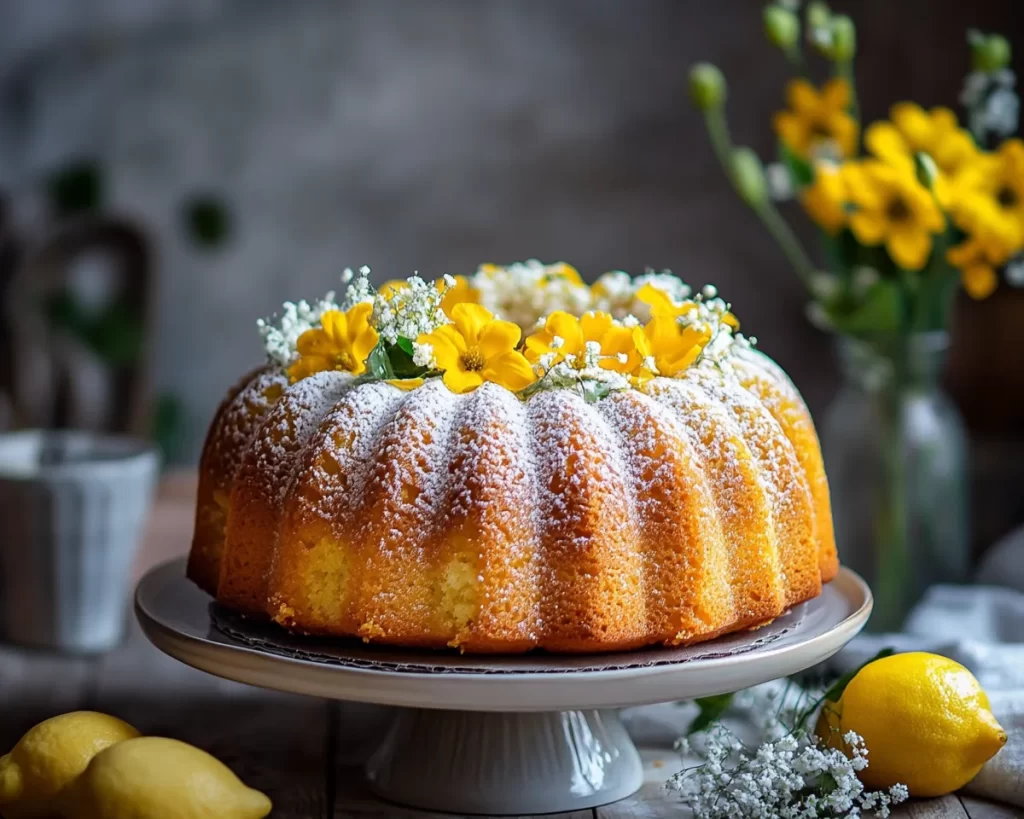
Spring Cake: Lemon Vanilla Bundt Cake is a delightful blend of bright citrus flavors and rich vanilla, all encapsulated in a beautifully designed bundt shape. The origins of bundt cakes trace back to European baking traditions, where cakes were often baked in decorative molds. This artistic touch not only makes the cake look gorgeous but also helps it maintain its moist texture.
When prepared correctly, this cake boasts a tender crumb with a slightly crisp exterior that comes from the bundt mold. The combination of fresh lemon juice and zest intensifies the flavor, ensuring that each bite transports you to a sunny garden in full bloom. Each slice reveals a moist interior with the comforting sweetness of vanilla, creating a beautiful contrast to the tartness of the lemon. This cake is often finished off with a glaze that adds a glossy finish and extra sweetness, making it not only delicious but also visually appealing.
What truly makes this cake a springtime favorite is its versatility. You can serve it plain, dress it up with fresh fruit, or top it with whipped cream for an extra layer of indulgence. It’s a delightful way to pay homage to the season while satisfying your sweet tooth with something that feels light yet fulfilling.
Why You’ll Love This
There are countless reasons to love Spring Cake: Lemon Vanilla Bundt Cake! First, the flavor is absolutely irresistible. The balance of the **tartness** of lemons against the sweet, gentle taste of vanilla creates a unique spectrum of flavors that dance on your palate. Whether you enjoy it for breakfast, as a midday snack, or as a dessert, it never feels out of place.
In addition to taste, this bundt cake is quite easy to make. With straightforward ingredients and minimal preparation time, even beginner bakers can achieve impressive results. The bundt pan does most of the work for you by giving the cake a beautiful design that elevates its presentation without much extra effort. You can enjoy the satisfaction of making something fabulous without spending all day in the kitchen.
Moreover, this cake is cost-effective. With simple pantry staples like flour, sugar, and eggs combined with fresh, inexpensive fruits like lemons, you can create something beautiful and delicious without breaking the bank. Lastly, you can easily customize the cake to fit different dietary needs or personal preferences, making it a go-to recipe for any gathering.
Ingredients You’ll Need
To create the Spring Cake: Lemon Vanilla Bundt Cake, gather the following ingredients:
- 2 cups all-purpose flour – This serves as the foundation of your cake, creating a tender texture.
- 1 ½ cups granulated sugar – Adds sweetness and helps lock in moisture.
- ½ cup unsalted butter (room temperature) – Provides richness and a velvety mouthfeel.
- 3 large eggs – Acts as a binding agent, contributing to structure and moisture.
- 1 cup buttermilk – Helps achieve a light, fluffy crumb and adds tanginess.
- 2 tablespoons fresh lemon juice – This brings bright acidity and enhances lemon flavor.
- 1 tablespoon lemon zest – Provides an additional punch of citrus flavor.
- 2 teaspoons baking powder – Essential for leavening, giving the cake its lift.
- 1 teaspoon baking soda – Works together with the lemon juice for leavening.
- 1 teaspoon vanilla extract – Adds warmth and depth to the flavor.
- ½ teaspoon salt – Balances sweetness and enhances all the flavors.
Each ingredient plays a vital role in ensuring your cake’s success. If you’re out of buttermilk, you can easily make your own by mixing regular milk with a splash of vinegar or lemon juice. This simple adjustment will provide the same tangy effect. If you prefer, coconut oil can replace the butter for a dairy-free version, offering a slightly different flavor and texture while still yielding a moist cake.
How to Make
Ready to bake? Let’s walk through the steps to create this delicious cake.
- Preheat your oven to 350°F (175°C) and generously grease a bundt pan with butter or non-stick cooking spray. Make sure to coat all the nooks and crannies to prevent sticking. For an added measure of assurance, dust the greased pan with a bit of flour, shaking out any excess.
- In a medium mixing bowl, combine the flour, baking powder, baking soda, and salt. Whisk these dry ingredients together until they’re evenly mixed. This helps the leavening agents to distribute evenly throughout the batter, ensuring a uniform rise during baking.
- In a separate large mixing bowl, use an electric mixer to cream the unsalted butter and granulated sugar together until the mixture is light and fluffy. This should take about 3-5 minutes. You want to aerate the mixture to create a light cake texture, so take your time. Scrape down the sides of the bowl as needed to ensure everything is combined.
- Add the eggs to the butter mixture one at a time, beating well after each addition. This step is crucial as it helps to incorporate the air needed for the cake to rise. Then mix in the vanilla extract for added flavor, and blend until fully combined.
- Gradually add the dry ingredients to the wet mixture in three parts, alternating with the buttermilk. Start and finish with the flour mixture. This technique helps maintain the structure of the cake and prevents overmixing, which can lead to a dense texture.
- Finally, mix in the fresh lemon juice and lemon zest until just incorporated. The zest will add bursts of citrusy flavor, making every bite refreshing and vibrant. Be careful not to overmix; just stir until you see no dry flour.
- Pour the batter into your prepared bundt pan, smoothing the top with a spatula. Tap the pan gently on the counter to eliminate any air bubbles that may have formed. Then place it into your preheated oven and let it bake for about 50 minutes, or until a toothpick inserted in the center comes out clean.
- Once baked, remove the cake from the oven and allow it to cool in the pan for about 10-15 minutes before transferring it to a wire rack. This cooling time helps the cake to firm up slightly, reducing the risk of breaking when you invert it.
- After the cake is completely cooled, feel free to glaze it with a simple lemon glaze made from powdered sugar and lemon juice for that extra touch. Use a whisk to mix until smooth, then drizzle it over the cake, letting it cascade down the sides for a beautiful presentation.
Variations & Substitutions
Coconut Lemon Bundt Cake: For a tropical twist, consider adding 1 cup of shredded coconut to the batter. This changes the cake’s texture, giving it a chewier bite that pairs beautifully with the lemon. It’s perfect for coconut lovers or if you’re aiming to transport your taste buds to a sunny beach. When incorporating the coconut, you may want to slightly reduce the flour to maintain the correct batter consistency.
Gluten-Free Lemon Vanilla Bundt Cake: If you’re looking to make this cake gluten-free, substituting all-purpose flour with a gluten-free blend can work well. Just ensure that the blend contains xanthan gum to provide structure. This version is ideal for those with dietary restrictions yet wanting to savor delicious flavors. It’s essential to check the consistency of the batter as gluten-free flour can absorb more liquid.
Lemon Blueberry Bundt Cake: For an extra pop of flavor and color, add 1 cup of fresh blueberries to the batter. This variation introduces juicy bursts of sweetness, balancing the tart lemon perfectly. To prevent the blueberries from sinking, toss them in a bit of flour before folding into the batter. Blueberries not only brighten up the flavor but also add a beautiful touch of summer to your spring cake.
Lemon Poppy Seed Bundt Cake: For a more textured crumb, incorporate 2 tablespoons of poppy seeds into your batter. These tiny seeds contribute not only a delightful crunch but also a unique aesthetic to the cake. It’s a classic combination with lemon, and this variation is especially popular during springtime gatherings and brunches.
Common Mistakes to Avoid
While baking, every cook encounters hiccups from time to time. One common mistake is **not greasing the bundt pan thoroughly**; this can lead to the cake sticking and breaking when inverted. To prevent this, ensure you are generous with the butter or cooking spray and don’t forget that dusting of flour afterwards.
Another **critical mistake** is overmixing the batter. While it might seem necessary to ensure everything is combined well, overmixing can lead to a dense texture and a heavy cake instead of the light, airy crumb we desire. As soon as all ingredients are just mixed together, you should stop.
Lastly, don’t skip cooling the cake in the pan before transferring it. If you try to remove the cake too soon, it can crumble. Be patient and let it cool slightly, allowing the structure to firm up.
Storage, Freezing & Reheating Tips
For optimum freshness, store your Spring Cake at room temperature, covered with plastic wrap or stored in an airtight container. This helps maintain the cake’s moisture. It can last about 3-4 days on the counter.
If you anticipate not finishing the cake within a few days, consider freezing it. Wrap individual slices or the entire cooled cake tightly in plastic wrap, followed by aluminum foil. Properly stored, it can last in the freezer for up to 3 months. When you’re ready to enjoy it, thaw it in the refrigerator overnight, and then allow it to come to room temperature before serving.
Should you need to reheat a slice, the microwave works for a few seconds at a time. You can also warm it in an oven preheated to 300°F for about 5-10 minutes, making sure to check it regularly to avoid drying out.
Frequently Asked Questions
Can I use bottled lemon juice instead of fresh lemon juice?
While bottled lemon juice is convenient, it doesn’t provide the same vibrant flavor as fresh lemon juice. Fresh lemons have aromatic oils in their zest that enhance the cake’s flavor profile. If you must use bottled juice, opt for the highest quality available.
What can I do if my cake sinks in the middle?
A sunken cake typically results from underbaking or overmixing the batter. To ensure the middle cooks properly, always perform the toothpick test, inserting it into the center of the cake. If it comes out clean, the cake is done.
Can I leave out the buttermilk?
Buttermilk adds moisture and tenderizes the cake. If you don’t have buttermilk on hand, you can substitute it with a mixture of plain yogurt and milk or make your own by combining milk and a teaspoon of vinegar or lemon juice.
How can I make my glaze thicker or thinner?
To achieve the desired consistency, add more powdered sugar for a thicker glaze or more lemon juice for a thinner one. Start with small amounts to achieve the perfect texture.
Can I make this cake ahead of time?
Absolutely! This cake actually tastes better the next day as the flavors meld. Just be sure to store it properly to maintain freshness, as mentioned earlier.
Conclusion:
The Spring Cake: Lemon Vanilla Bundt Cake is not just a treat but an experience, capturing the very essence of spring with every bite. Its delightful flavors, easy preparation, and versatility make it a go-to recipe for any occasion. So gather your ingredients, invite friends or family to join in the fun, and create a memorable moment together. Enjoy the bright citrus notes, the silky vanilla undertone, and let the flavors inspire you to get creative in your kitchen! Give it a try, indulge in its deliciousness, and don’t forget to share your baking success with others!