Prep time: 15 minutes
Cook time: 30 minutes
Total time: 45 minutes
Servings: 6
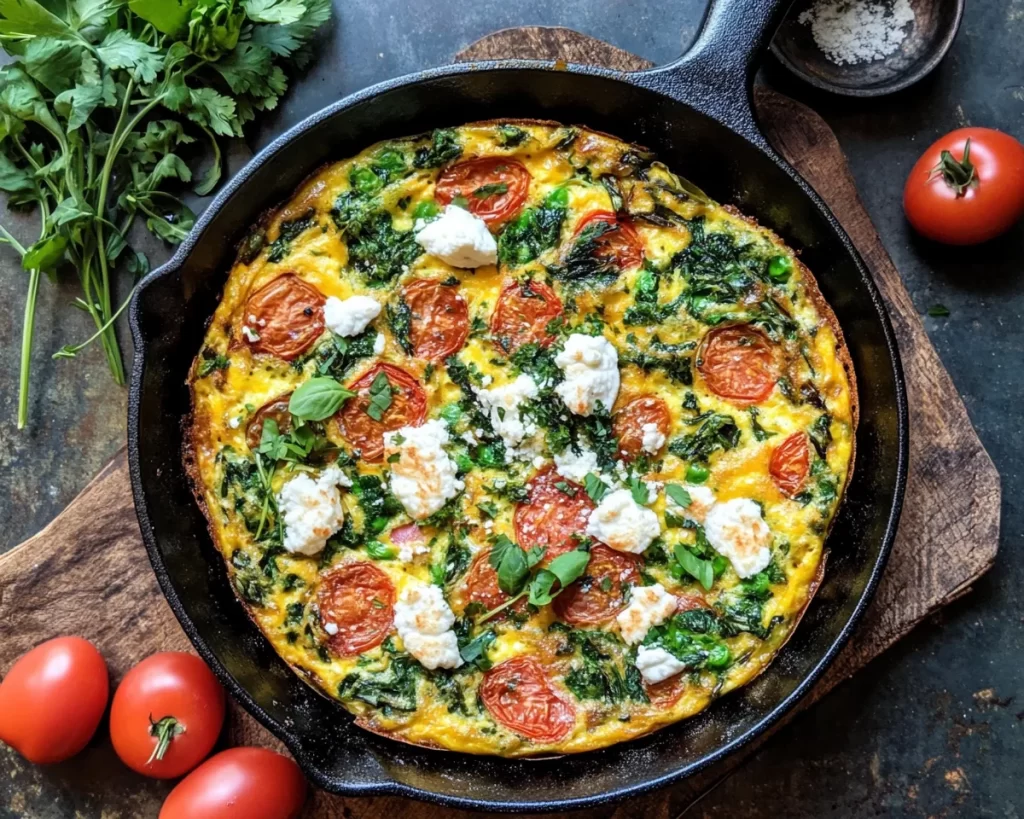
When it comes to delicious and satisfying meals that are also simple to prepare, a frittata often tops the list for many home cooks. Imagine waking up on a sunny spring morning and being greeted by the fragrant aroma of freshly cooked eggs mingling with the earthy notes of herbs and the tangy richness of goat cheese. This Frittata Recipe with Goat Cheese and Herbs is not just a dish; it’s a delightful celebration of seasonal ingredients that brings flavor and comfort to any table.
This recipe is truly special for several reasons. First, it perfectly balances the *creamy richness* of goat cheese with the freshness of various herbs like basil, parsley, and chives. Each bite delivers an incredible combination of textures and flavors, making it a fantastic choice for brunch with friends, a light lunch, or even a simple weeknight dinner. What’s more, frittatas are incredibly versatile and can be easily tailored to suit your preferences or dietary needs. In this article, I’ll guide you through the preparation of this mouthwatering dish, share cooking tips, and explore some exciting variations.
What Is Frittata Recipe with Goat Cheese + Herbs (Spring)?
A frittata is an Italian dish that resembles an open-faced omelet. It’s made primarily from beaten eggs and can be enhanced with a variety of ingredients such as vegetables, meats, and cheeses. The traditional frittata is cooked slowly on the stovetop and can be finished in the oven, ensuring a light and fluffy texture without being overly dry. The defining characteristic of a frittata is its ability to hold together beautifully, allowing for a sliceable form that’s both pleasing to the eye and palate.
The use of goat cheese in this recipe elevates the dish from a simple egg meal to a gourmet experience. Goat cheese has a *distinctive tanginess* that complements the rich flavors of the eggs, creating a harmonious balance. As for the herbs, spring brings a bounty of fresh options, and using a blend allows each flavor to shine while providing a refreshing counterpoint to the richness of the cheese. The combination results in a dish that is not only delicious but also nutrient-rich thanks to the vegetables and herbs.
In terms of flavor, this frittata embodies wholesome and earthy notes, with hints of brightness from the herbs. The method of cooking—slow and steady—ensures even cooking and allows the ingredients to meld beautifully. Whether enjoyed warm or at room temperature, this dish is versatile enough to be served at any time of day, making it a staple in both casual and festive gatherings.
Why You’ll Love This
There are countless reasons to love this frittata recipe. First and foremost is the incredible taste. The *rich creaminess* of goat cheese, combined with the *freshness of spring herbs*, makes every bite a revelation. It’s like bringing a taste of nature to your plate, capturing the very essence of springtime in a single dish.
Another compelling reason to try this recipe is its ease of preparation. You don’t need to be a culinary expert to whip up a tasty frittata. This dish is beginner-friendly, allowing even novice cooks to impress family and friends. Simply whisk the eggs, mix in the ingredients, and let the magic happen in the oven!
Additionally, the frittata is cost-effective, making it a perfect option for budget cooking. Eggs are an inexpensive source of protein, while herbs and seasonal vegetables are often affordable and can be sourced from local farmers’ markets. You can make a substantial meal for a family without breaking the bank.
Moreover, a frittata is versatile and can be easily modified to accommodate various dietary needs or preferences. You can substitute goat cheese with feta or mozzarella, use a different combination of herbs based on what you have on hand, or even add in leftover vegetables or meats for a heartier dish.
It’s also perfect for meal prep! You can make a large batch at once and store it for easy lunches or quick dinners during the week. Just cut it into slices, and you have ready-made meals that are both nutritious and satisfying.
Ingredients You’ll Need
To create this delightful frittata, here is a list of ingredients you’ll need:
- Eggs: 8 large eggs – The base of the frittata; rich in protein and essential vitamins.
- Goat cheese: 4 ounces, crumbled – Adds a tangy flavor and creamy texture.
- Fresh herbs: 1 cup mixed (basil, chives, parsley) – Provides freshness and aromatic qualities.
- Spinach: 2 cups chopped – Adds color and nutrients; can substitute with kale or Swiss chard.
- Onion: 1 small, finely chopped – For sweetness and depth of flavor.
- Garlic: 2 cloves, minced – Adds fragrance and depth to the dish.
- Olive oil: 2 tablespoons – Used for sautéing the vegetables; adds healthy fats.
- Salt and pepper: To taste – Enhances all the flavors.
Each ingredient plays a pivotal role in achieving the perfect frittata. The *eggs* are the heart of the dish, providing structure and nutrition. The *goat cheese* not only lends creaminess but also enriches the dish with its unique flavor. Fresh *herbs* uplift each bite, offering a vibrant and refreshing taste. The addition of *spinach* significantly boosts the nutritional value, making it not just delicious but also wholesome. Meanwhile, the *onion* and *garlic* enhance the overall depth, ensuring that each forkful is packed with layered flavors.
Feel free to make adjustments based on what you have available. For instance, should you be short on fresh herbs, dried herbs can also work—just reduce the amount used since dried herbs are more concentrated.
How to Make
Now that you have your ingredients ready, it’s time to bring everything together. Follow this step-by-step guide to create a perfect frittata.
- Preheat your oven: Preheat your oven to 375°F (190°C). This step ensures the frittata cooks evenly and helps achieve a fluffy texture.
- Sauté the vegetables: In a large oven-safe skillet, heat the olive oil over medium heat. Add the chopped onion and sauté for about 3-4 minutes until translucent. Stir in the minced garlic and cook for an additional minute, just until fragrant—avoid browning.
- Add the spinach: Once the garlic is fragrant, toss in the chopped spinach. Sauté until the spinach wilts, which should take around 2-3 minutes. Remove the skillet from heat and allow it to cool slightly.
- Whisk the eggs: In a medium bowl, crack the eggs and whisk them thoroughly until well combined. Season with salt and pepper according to your taste. This step is crucial for achieving the right texture, so ensure the eggs are mixed well.
- Combine ingredients: Gently fold the sautéed vegetable mixture into the eggs. Then, add in the crumbled goat cheese and the chopped herbs. Mix until all components are evenly distributed.
- Transfer to the oven: Pour the entire egg and vegetable mixture back into the skillet and spread it out into an even layer. Cook the frittata on the stovetop over medium heat for about 3-5 minutes until the edges start to set.
- Bake: Transfer the skillet to your preheated oven and bake for 20-25 minutes until the frittata is puffed, golden, and a toothpick inserted in the center comes out clean.
- Cool and slice: Once done, remove the skillet from the oven and allow the frittata to cool for a few minutes. Slice it into wedges and serve warm or at room temperature. You can garnish with additional fresh herbs for a burst of color and flavor.
This cooking process leads to a beautiful and flavorful frittata that is sure to impress. The *richness of the goat cheese*, combined with the *freshness of the spinach and herbs*, results in an exquisite dish from start to finish.
Variations & Substitutions
Vegetable-Loaded Frittata: If you have a variety of vegetables on hand, feel free to add them to your frittata. Zucchini, bell peppers, or even artichokes work wonderfully, offering different textures and flavors. Just ensure you sauté denser vegetables first to soften them before mixing them with the eggs. This variation is perfect for those looking to maximize nutrition and make use of leftover veggies.
Lower-Calorie Version: For those watching their caloric intake, you can substitute a few of the whole eggs with egg whites. Using 4 whole eggs and 4 egg whites maintains the frittata’s structure while reducing calories. You can boost protein by adding ingredients like cottage cheese or low-fat cheese if desired.
Herb-Free Frittata: If you don’t have fresh herbs available, consider making a simpler version by using dried herbs or simply focusing on the vegetables and cheese. Season well to enhance flavor in the absence of fresh herbs. This variation is great for when you want something quick without compromising taste too much.
Cheesy Variation: If goat cheese isn’t your favorite, try substituting it with *feta* or *shredded cheddar*. Each cheese brings its unique flavor profile. For instance, feta will lend a saltier kick, while cheddar will add a satisfying meltiness and sharpness. This can be especially appealing for kids or those who prefer more traditional flavors.
Spicy Frittata: Add a little heat to your frittata by incorporating diced jalapeños or crushed red pepper flakes into the egg mixture. This variation is perfect for those who love bold flavors and want to spice things up. Just be sure to balance the heat with the creaminess of the cheese to avoid overwhelming the dish.
Common Mistakes to Avoid
When preparing your frittata, there are a few common pitfalls to keep in mind. One of the biggest mistakes is overcooking the eggs. Eggs can easily become rubbery if cooked too long, so make sure to keep an eye on the cooking time both on the stovetop and in the oven.
Another misstep is neglecting to season the eggs. Since eggs serve as the base of the frittata, they should be seasoned adequately with *salt and pepper* to ensure a well-rounded flavor. Taste your egg mixture before baking to make any necessary adjustments.
It’s also important not to overcrowd your frittata with too many ingredients. While it can be tempting to add every vegetable in your fridge, excessive filling can lead to an uneven cook and a soggy frittata. Stick to a balanced ratio of eggs to add-ins for a fluffier result.
Lastly, one must be careful about the type of pan used. A non-stick or well-seasoned cast iron skillet is ideal. Using a regular stainless-steel pan without proper greasing can result in sticking, making serving your frittata a challenge. Always ensure the pan is sufficiently coated with oil or non-stick spray to facilitate easy release after baking.
Storage, Freezing & Reheating Tips
If you find yourself with leftover frittata or if you want to prepare this dish in advance, storage is straightforward. Allow the frittata to cool completely before slicing it into wedges. Place the slices in an airtight container, separating layers with parchment paper to prevent sticking. It can be stored in the refrigerator for up to 4 days.
For longer storage, the frittata can be frozen. Wrap individual slices in plastic wrap and then place them in a freezer-safe bag. This method prevents freezer burn and keeps the frittata fresh for up to 2-3 months. When you’re ready to enjoy it, simply thaw it overnight in the refrigerator and reheat it in the oven at 350°F (175°C) until warmed through.
For quick reheating, you can use a microwave, placing a slice on a microwave-safe plate and covering it with a damp paper towel. Heat in short intervals, checking frequently to avoid overcooking. Aim for about 1-2 minutes, but this varies depending on the wattage of your microwave. The paper towel helps maintain moisture, ensuring the frittata does not dry out.
Always follow proper food safety guidelines when handling cooked eggs and ensure they are fully reheated before consumption.
Frequently Asked Questions
Can I make a frittata ahead of time?
Absolutely! Frittatas are fantastic for meal prep. You can make them ahead of time, cool them, and store them in the refrigerator or freezer. Ideal for busy families, prepping a frittata means you have quick and healthy meals at your fingertips throughout the week.
Can I use different cheeses in this frittata?
Certainly! While goat cheese adds a unique flavor, you can easily substitute it with feta, mozzarella, or even cheddar. Each cheese will bring its own character to the dish, so you can experiment to find your favorite combination.
How do I know when the frittata is done?
A frittata is done when the edges are set and the center is no longer jiggly. A toothpick inserted into the center should come out clean. It’s important to keep an eye on it in the last few minutes of baking to prevent overcooking.
What can I serve with my frittata?
Frittatas are delightful on their own, but you can serve them with a light salad or some roasted vegetables for a more substantial meal. Toast or a side of fresh fruit also makes a lovely complement, especially for brunch.
Could I make a frittata in a muffin tin?
Yes! Making mini frittatas in a muffin tin is a great way to create portable portions. Simply follow the same method but pour the egg mixture into greased muffin cups and adjust the baking time to around 15-20 minutes, or until the eggs are set.
Conclusion:
This delectable Frittata Recipe with Goat Cheese and Herbs is not only easy to prepare but also a wonderful way to embrace the flavors of spring. From its creamy texture to the vibrant colors of fresh herbs and vegetables, it’s a dish that is bound to impress both family and friends. Don’t hesitate to customize this recipe to suit your tastes or dietary needs. Whether it’s your go-to for brunch or a versatile meal prep option, I encourage you to give this frittata a try. You may just find it becoming a beloved staple in your kitchen. Happy cooking!