Prep time: 10 minutes
Cook time: 0 minutes
Total time: 10 minutes
Servings: 1 cup
Homemade mayonnaise, often referred to as Classic French-style mayonnaise, is a luxurious essential in any kitchen. Its creamy texture and rich flavor can elevate a simple sandwich to gourmet status, making it a staple sauce in many cuisines. The beauty of making your own mayonnaise lies not only in the flexibility to personalize it with various flavors but also in knowing exactly what goes into it. This recipe is a lifesaver for busy parents, beginner cooks, and anyone looking to add a bit of flair to their dishes without breaking the bank.
In this guide, you will discover how easy it is to make your own mayonnaise from scratch. You will learn about the primary ingredients involved, the importance of ratios, and some common mistakes to avoid along the way. You will also find helpful tips for making your mayonnaise even more flavorful and some enticing variations to try. By the end of this article, you will be equipped with everything you need to whip up your homemade mayonnaise with confidence.
What Is Homemade Mayonnaise (Classic French Style)?
Homemade mayonnaise is a thick, creamy condiment crafted primarily from oil, egg yolks, and acid, typically vinegar or lemon juice. Originating from French cuisine, this emulsified sauce has a silky texture that melds beautifully with numerous flavors. The process of emulsification involves combining two ingredients that are not naturally soluble, in this case, oil and water-based substances like egg yolks or lemon juice. The result is a rich dressing that can add a velvety touch to salads, sandwiches, and even dips.
The flavor of homemade mayonnaise is significantly more vibrant and fresh compared to its store-bought counterpart. When you take that first bite, the creamy richness balances perfectly with the tartness of the acid, creating a taste that is both indulgent and refreshing. You can even play with the balance of flavors, crafting your mayonnaise to suit your palate perfectly. The experience of making and tasting your own mayonnaise can transform everyday meals into something exquisite.
Why You’ll Love This
There are myriad reasons why making homemade mayonnaise will become a favorite in your kitchen. Firstly, the flavor is unparalleled; you won’t find the same freshness and vibrancy in anything commercial. The texture is creamy and luscious, far superior to anything out of a jar. Plus, you control the ingredients, allowing you to cater to any dietary restrictions or preferences you might have. For instance, if you want to steer clear of preservatives or unwanted additives, homemade mayonnaise is a fantastic option.
Additionally, you can make this delightful condiment in just a matter of minutes. With only a handful of ingredients and minimal effort, you can create a gourmet sauce that elevates any dish. Many people fear the process of emulsification, thinking it is complicated, but it’s remarkably simple once you get the hang of it. Learning how to make mayonnaise will arm you with skill and confidence, preparing you for countless culinary endeavors.
Ingredients You’ll Need
- 1 large egg yolk: The base of the emulsion; it contains lecithin, a natural emulsifier.
- 1 tablespoon Dijon mustard: Adds depth of flavor and helps stabilize the emulsion.
- 1 tablespoon white wine vinegar or lemon juice: Provides acidity to balance the richness.
- 1 cup neutral oil (like canola or grapeseed): Serves as the main body of the mayonnaise, providing creaminess.
- Salt to taste: Enhances flavors.
- Optional spices or herbs (like garlic powder or fresh herbs): Customize your mayonnaise with different flavors.
Each ingredient plays a role in creating this creamy sauce, so it’s crucial to use fresh and high-quality components whenever possible. The egg yolk is particularly important, as it is the backbone you rely on to create that beautiful emulsion. Opt for high-quality oil, as this will significantly impact the taste and mouthfeel. Fresh herbs or spices can elevate the flavors significantly and provide a unique twist on the classic recipe.
How to Make
To get started with your homemade mayonnaise, follow these step-by-step instructions:
- In a mixing bowl, combine the egg yolk, Dijon mustard, and vinegar or lemon juice. Whisk together until the mixture is smooth and well combined. This step is crucial because it sets the stage for a stable emulsion. The acid helps with stability while brightening the flavors.
- Begin to slowly drizzle in the oil while continuously whisking. Start with just a few drops at a time, gradually increasing the oil flow as you see the mixture begin to thicken. You must whisk vigorously to incorporate the oil properly. If the mixture becomes too thick, add a bit of water or more vinegar to loosen it. This part can be a bit physical, but the arm workout is well worth the delicious result!
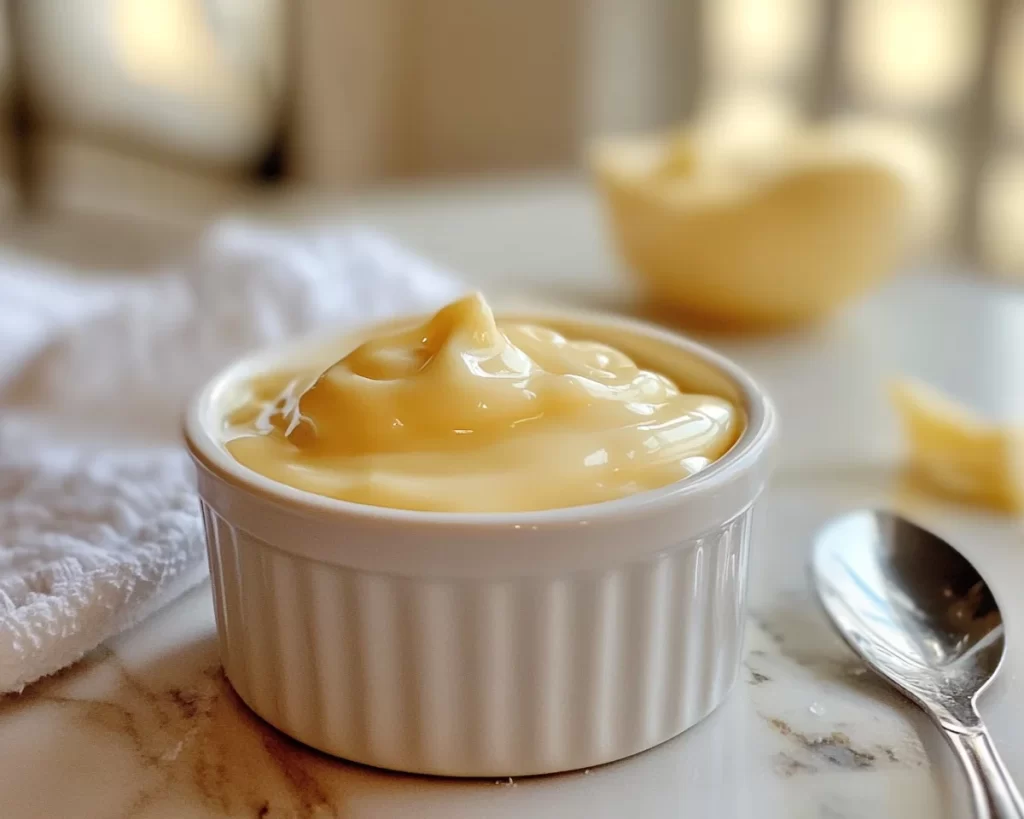
- Continue whisking and adding oil until you’ve reached the desired volume, usually about 1 cup. You want the mayonnaise to be thick, creamy, and spreadable but still smooth. A typical homemade mayonnaise should have a consistency that allows it to cling to the back of a spoon.
- After achieving your desired consistency, taste the mayonnaise and season it with salt. You can also add any optional spices or herbs at this stage to customize the flavor. Feel free to get creative! Garlic powder, fresh herbs, or even a dash of hot sauce can bring your mayonnaise to another level.
- Transfer the mayonnaise to a clean jar or airtight container. It can be kept in the refrigerator for about one week. You should always label the jar with the date you made it, especially if you’re multitasking in the kitchen!
The beauty of this simple process is that once you master the basic method, you can adjust ingredients and flavors to make it your own. The moment you achieve your first silky batch, you’ll be eager to experiment with various flavors, from spicy to herbaceous.
Variations & Substitutions
Garlic Aioli Variation: Adding roasted garlic or minced raw garlic to your homemade mayonnaise transforms it into a delicious garlic aioli. Simply add 1-2 cloves of roasted garlic during the emulsification process. This variation brings a rich, savory depth, making it a perfect accompaniment to grilled meats and veggies. If you find raw garlic too pungent, roasted garlic provides a more mellow and sweet flavor.
Avocado Mayonnaise Variation: For a creamier and healthier version, substitute half of the oil with ripe avocado. The avocado not only adds a creamy texture but also boosts the nutritional profile of your mayonnaise. Blend the ripe avocado with the egg yolk and mustard before slowly adding the oil. This variation is fantastic for those looking for a heart-healthy option and works wonderfully as a sandwich spread or dip.
Spicy Sriracha Variation: If you love heat, adding Sriracha to your homemade mayonnaise can create a delightful spicy condiment. Mix in 1-2 tablespoons of Sriracha during the final seasoning step. This hot take is perfect for dipping fries or spreading on sandwiches that need a little kick. Additionally, you can dollop some on tacos for a spicy twist without any fuss.
Herbaceous Variation: Fresh herbs can inject new life into your mayonnaise. Add chopped fresh dill, parsley, or basil to your mayo after the emulsion has come together. Start with a tablespoon of chopped herbs, increasing if you desire a more herb-forward flavor. This is particularly lovely on seafood dishes and can elevate simple salads.
Lemon Zest Variation: Incorporating lemon zest into your mayonnaise after emulsification will give it a further citrus kick. This addition brightens up the flavor and complements any seafood dish beautifully. Simply zest a lemon and mix in according to your preference.
Each of these variations allows you to adapt the classic recipe to suit different tastes, dietary needs, and occasions. Having a repertoire of mayo variations on hand can make your cooking more versatile and exciting.
Common Mistakes to Avoid
When making mayonnaise, it’s vital to watch out for several common pitfalls that can result in a broken emulsion. One common mistake is adding the oil too quickly when starting to emulsify. If the oil is poured in without giving the egg yolk and mustard mixture enough time to begin emulsifying, you may end up with a separation. The trick is patience—add the oil in a slow, steady stream while whisking energetically.
Another common error is not using room temperature ingredients. Cold ingredients can prevent proper emulsification. Ensure that your egg yolk and any other components are at room temperature. If your mayonnaise does appear to break, don’t despair! You can often rescue it by starting again in a new bowl with a fresh egg yolk and gradually whisking in the broken mayonnaise as you would oil.
Finally, be cautious with seasoning. Adding too much salt or sugar can throw off the balance of flavors, especially if unintentional. Always taste as you go and adjust according to your preference.
Storage, Freezing & Reheating Tips
Once you’ve made your homemade mayonnaise, proper storage is crucial for food safety. Transfer your mayonnaise to an airtight jar and keep it refrigerated. It’s best consumed within a week, as there are no preservatives, and the freshness of the egg is paramount. Always use a clean utensil when scooping out your mayonnaise to prevent contamination.
If you find you’re making too much mayonnaise, consider freezing it. While it can be frozen, the texture may change when thawed. To freeze, pipe the mayonnaise into small amounts in freezer bags, flatten them to remove excess air, and store them flat. When you’re ready to use it, thaw in the refrigerator overnight. However, be cautious of texture changes; it’s often best to make only what you need for the freshest taste.
Unfortunately, reheating mayonnaise is not advisable. Heat will cause it to break and lose its creamy texture. If you need a warm sauce, consider creating a warm emulsion sauce to serve fresh from the kitchen.
Frequently Asked Questions
Can I use eggs that are not organic or free-range?
Yes, you can. However, using organic or free-range eggs is often recommended for better flavor and ethical concerns. It’s all about personal preference; just ensure they’re fresh for the best results.
What if my mayonnaise turns out too thin?
If your mayonnaise is too thin, it likely means the oil was added too quickly. You can try adding a new egg yolk in a separate bowl and very slowly whisking in the thin mayonnaise to create a thicker consistency.
Is homemade mayonnaise safe to eat?
Yes, as long as you use fresh eggs and store the mayonnaise correctly in the refrigerator. However, raw egg consumption may come with risks, so ensure that the eggs are pasteurized if you are concerned.
Can I make mayonnaise without mustard?
Absolutely! While mustard is a great flavor enhancer and emulsifier, you can skip it if you prefer. Just ensure you have a good ratio of egg yolk to oil for proper emulsification.
How can I enhance the flavors of my homemade mayonnaise?
There are several ways to enhance your mayonnaise flavors. Consider adding garlic, fresh herbs, spices like paprika or cayenne, or even citrus zest. Experiment with your favorites to create a signature mayonnaise!
Conclusion:
Incorporating homemade mayonnaise into your culinary repertoire opens up a world of flavor and versatility. Not only is it a straightforward process, but it allows you to infuse your personality into a classic condiment. Whether you decide to create a garlic aioli or a spicy Sriracha version, customizing your mayonnaise can transform ordinary meals into extraordinary ones. Don’t hesitate to share your creations or explore even further into the world of homemade condiments. Your kitchen is your canvas—enjoy every moment of creating delicious flavors!