Prep time: 10 minutes
Cook time: 0 minutes
Total time: 10 minutes
Servings: 1 cup
Making homemade mayonnaise can seem intimidating at first glance, but it’s truly one of the simplest and most rewarding culinary endeavors you can undertake. There’s something incredibly satisfying about creating this creamy, dreamy condiment from scratch. Not only does homemade mayonnaise taste far superior to its store-bought counterpart, but you’ll have complete control over the ingredients.
Imagine the velvety richness of fresh mayonnaise enhancing your sandwiches, salads, and dips. Once you master this quick and easy recipe, you’ll find yourself craving it in your meals, and you can customize it according to your flavor preferences. In this article, you will learn the magic of creating quick and creamy homemade mayonnaise, explore different variations, and discover tips for the best results.
What Is Homemade Mayonnaise (Quick + Creamy)?
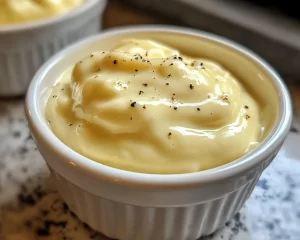
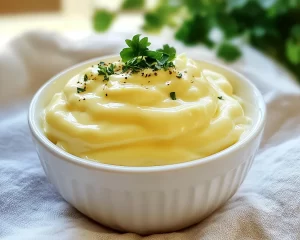
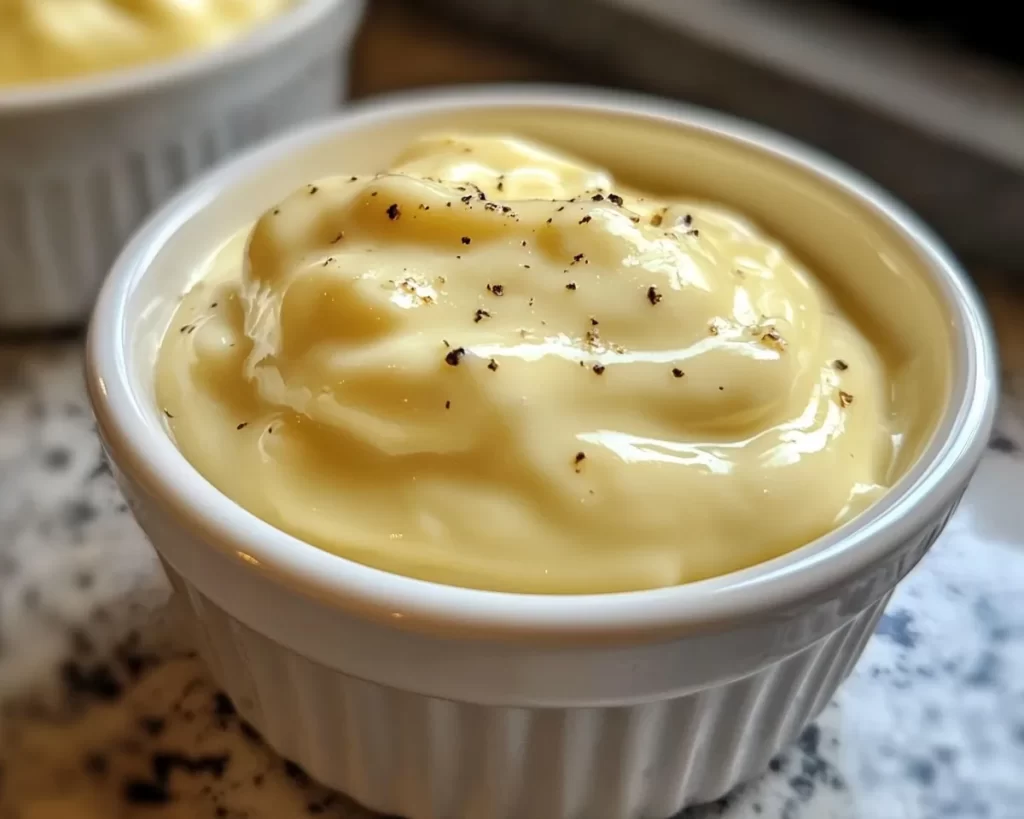
Homemade mayonnaise is a staple sauce, originating from French cuisine, characterized by its creamy texture and rich flavor. The primary ingredients are simple: oil, egg yolks, vinegar or lemon juice, and a pinch of salt. Together, they emulsify through a whisking process, resulting in a luscious, thick condiment that can elevate any dish.
The texture of homemade mayonnaise is smooth, velvety, and can be adjusted to your preference with additional oil or lemon juice. It offers a vibrant, fresh taste that is often lost in commercial versions, which may contain preservatives and artificial flavors. You’ll notice that the flavor is richer and more complex, primarily due to the use of quality ingredients. Furthermore, homemade mayonnaise opens the door for creativity, allowing you to experiment with different flavors and additions.
Why You’ll Love This
There are numerous reasons to fall in love with homemade mayonnaise. First and foremost, the taste is extraordinarily superior to the store-bought versions. Many commercial mayonnaise brands lean heavily on fillers and additives that can mask the true flavor. When you make it yourself, you enjoy a pure, fresh taste that’s perfect for dressings, sandwiches, or as a base for other sauces.
Moreover, homemade mayonnaise is incredibly easy to prepare. You will find that with just a few minutes and minimal equipment, you can whip up this glorious condiment. This simplicity makes it approachable for both seasoned cooks and beginners alike. If you’re on a budget, you’ll also appreciate that you can create an entire cup of mayonnaise at a fraction of the cost of purchasing it pre-made.
Another reason to love homemade mayonnaise is its versatility. The base recipe allows for countless variations, making it suitable for various dietary preferences, allergens, or flavor profiles. Whether you want an herb-infused mayonnaise for a delicate sandwich or a spicy version for a bold dip, the sky is the limit!
Ingredients You’ll Need
To prepare your homemade mayonnaise, gather the following ingredients:
- 1 large egg yolk – Acts as the emulsifier to bring the mixture together.
- 1 tablespoon fresh lemon juice or vinegar – Provides acidity, balancing flavor and ensuring the mayo’s safety.
- 1 cup vegetable or canola oil – The fat component; feel free to experiment with olive oil for a stronger flavor.
- 1 teaspoon Dijon mustard – Adds flavor while further aiding in emulsification.
- Salt to taste – Enhances overall flavor; adjust based on your preference.
While these ingredients create a classic mayonnaise, feel free to substitute them according to your needs. For example, if you prefer a richer flavor, you can use extra virgin olive oil instead of vegetable oil, but be aware that this might create a stronger taste. You may also try apple cider vinegar instead of lemon juice for a slightly different acidity.
How to Make
1. **Prepare Your Ingredients:** Start by gathering all your ingredients. Make sure your egg yolk is at room temperature, as this will help create a stable emulsion. Have a whisk or an immersion blender ready for use.
2. **Combine Egg Yolk and Acid:** In a bowl, combine the egg yolk and lemon juice (or vinegar). Whisk them together until the mixture is slightly frothy. This step is crucial as it helps emulsify the oil.
3. **Incorporate the Oil Slowly:** Begin adding the oil very slowly, just a few drops at first, while constantly whisking. This initial stage is vital for the emulsion to form correctly. As the mixture begins to thicken, you can gradually increase your oil pour.
4. **Whisk Vigorously:** Continue whisking the mixture vigorously as you add the oil. You should notice the mixture becoming much thicker and creamy. If it appears too thick, you can add another teaspoon of lemon juice or vinegar to loosen it up.
5. **Add Mustard and Season:** Once you’ve added all the oil, stir in the Dijon mustard and salt. Taste your mayonnaise to adjust the seasoning if necessary. At this stage, you can add any additional flavorings, like herbs or spices, depending on your desired flavor profile.
6. **Finish and Store:** Transfer your homemade mayonnaise into a clean jar with a tight-fitting lid. It can be stored in the refrigerator for up to a week. Always remember to use clean utensils to scoop out your mayonnaise to prevent spoilage.
Variations & Substitutions
Herbed Mayonnaise: Fresh herbs, like dill, basil, or parsley, can elevate your homemade mayonnaise. Simply chop the herbs finely and mix them in after your mayonnaise has been made. This adds a refreshing kick and is perfect for pairing with seafood or as a sandwich spread.
Chipotle Mayonnaise: For a smoky and spicy twist, blend in a couple of tablespoons of chipotle sauce or adobo sauce into your mayonnaise. This variation is excellent for spicy dips or as a condiment for grilled meats and vegetables.
Garlic Aioli: For a garlic-flavored mayonnaise, incorporate minced garlic at the initial stages of preparation. This flavor will deepen as it sits in the refrigerator, leading to a creamy, aromatic condiment perfect for dipping fries or spreading on burgers.
Avocado Mayonnaise: If you want a healthier alternative, blend ripe avocado into your mayonnaise for a creamy texture. This variation adds healthy fats and a beautiful green hue, making it not only delicious but also visually appealing.
Each of these variations offers a unique flavor profile that allows you to experiment based on your taste buds and those of your family or guests. Feel free to get creative!
Common Mistakes to Avoid
One common mistake when making homemade mayonnaise is failing to ensure that the egg yolk is at room temperature. If the egg yolk is cold, it may not emulsify correctly, leading to a separation of oil and egg. Always bring your egg to room temperature before starting the preparation.
Another frequent issue arises from adding the oil too quickly. You’re aiming for an emulsion, and if you pour in the oil too fast, it won’t combine properly. Start with just a few drops, whisking vigorously, before gradually adding more oil as the mixture thickens.
Lastly, if your mayonnaise doesn’t thicken, don’t panic. You can salvage it by trying to emulsify another egg yolk in a separate bowl, then slowly adding the failed mayonnaise to the fresh yolk while whisking vigorously until you achieve the desired thickness.
Storage, Freezing & Reheating Tips
Homemade mayonnaise can be stored in the refrigerator for up to a week. Always make sure to keep it in an airtight container to maintain its freshness. If you notice any separation, simply give it a good stir before using.
Freezing homemade mayonnaise is typically not recommended, as the texture can change once thawed. The emulsion may break down, resulting in a grainy consistency. Instead, prepare small batches that you can consume within a week to ensure you’re enjoying the freshest flavor possible.
When it comes to reheating, remember that mayonnaise is best served cold. If you’ve made a larger batch that requires warming in some recipes, use it at room temperature instead of reheating to preserve its creamy richness.
Frequently Asked Questions
Can I use any type of oil for homemade mayonnaise?
Yes, you can use various oils, but each one will impart different flavors. Neutral oils like canola or vegetable oil are preferred for a classic mayonnaise taste. However, olive oil provides a delicious, robust flavor, and avocado oil can add healthy fats but will change the taste profile.
Is it safe to use raw eggs in mayonnaise?
While many homemade mayonnaise recipes use raw eggs, there is a potential risk associated with foodborne illness. To mitigate this risk, use pasteurized eggs, which can be found at most grocery stores. This ensures that you are safely enjoying your delicious condiment.
Why did my mayonnaise break?
If your mayonnaise has separated, it means that the emulsion has failed. This can occur if the oil was added too quickly or if the temperature of the ingredients was too cold. To fix it, whisk a new egg yolk in a separate bowl and slowly incorporate the broken mayonnaise into it until emulsified again.
How do I make mayonnaise vegan?
You can create a vegan version of mayonnaise using aquafaba, the liquid from canned chickpeas. Whip aquafaba with vinegar and mustard until frothy, then slowly add your oil until it thickens just like traditional mayonnaise.
Can I customize flavors in my mayonnaise?
Absolutely! One of the beauties of homemade mayonnaise is the ability to customize it with your favorite herbs, spices, or flavorings. Feel free to experiment with garlic, smoked paprika, or different vinegars to find the perfect flavor for your palate.
Conclusion:
Homemade mayonnaise is not only an easy condiment to whip up, but it also brings a richness and freshness that store-bought varieties simply cannot match. With this guide, you have the tools and knowledge to create a quick and creamy mayonnaise that will elevate your sandwiches, salads, and more. Plus, don’t hesitate to customize it to your preference or dietary needs! So gather your ingredients, get whisking, and savor the incredible taste of homemade mayonnaise in your kitchen—and share your delicious creations with friends and family! Try this recipe today and experience the joy of making your own mayonnaise from scratch.