Prep time: 20 minutes
Cook time: 30 minutes
Total time: 50 minutes
Servings: 4
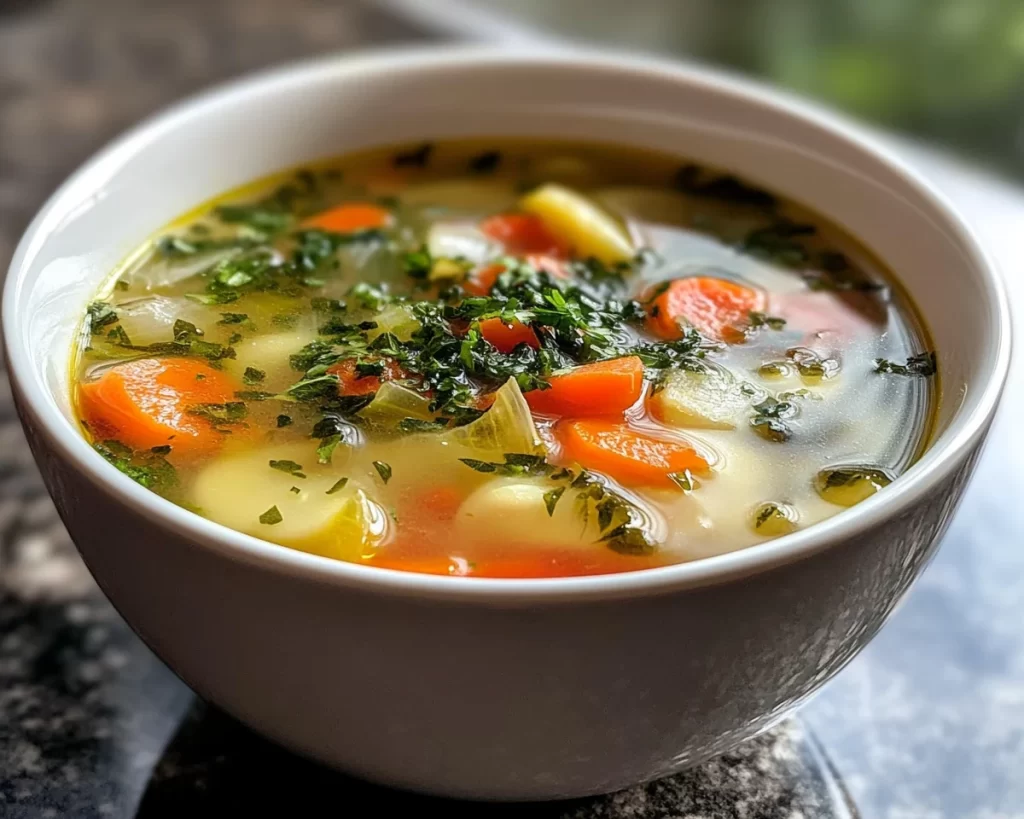
There’s something incredibly comforting about a warm bowl of soup, particularly when it’s brimming with vibrant colors and fresh flavors. Picture this: it’s a crisp spring day, and you’re feeling the urge to bring a bit of sunshine into your kitchen. Enter the delightful Spring Vegetable Soup, a dish that not only captures the essence of the season but is also incredibly easy to make. This recipe is special because it highlights fresh, seasonal produce, making it a perfect pick for busy weeknights or laid-back weekends. You’ll discover how to blend the nutritious elements of spring vegetables into a warming soup that your family will love. What’s even better? It’s versatile and can easily accommodate your personal taste preferences.
Spring soup is a refreshing dish, characterized by its *lightness* and abundance of colorful vegetables. Traditionally, spring soups celebrate the harvest, promoting ingredients that are freshly available in the markets during this season. You’ll find that the *texture* is both creamy and chunky, a delightful combination that keeps your palate interested. The perfect drizzle of olive oil at the end brings the flavors together, creating a dish that is richly satisfying without feeling heavy. Expect a burst of flavors from carrots, asparagus, peas, and herbs that embody everything we love about spring.
This soup is truly a celebration of the season. Spring vegetables like asparagus and snap peas not only bring a beautiful array of colors to the dish but also contribute significantly to your health. Packed with vitamins, fiber, and antioxidants, the ingredients in this soup offer countless health benefits, making this dish not just delicious but also nutritious. Plus, you can tailor the recipe to fit any dietary needs, which is always a win in my book.
What Is Spring Soup: Spring Vegetable Soup (Light)?
Spring Vegetable Soup is a quintessentially seasonal dish that celebrates the fresh produce that bursts onto the scene as winter gives way to warmer temperatures. Originating in various culinary traditions around the world, this soup is marked by its use of *seasonal vegetables* that are at their peak flavor. The texture of Spring Vegetable Soup can be both *earthy* and *refreshing*, thanks to the combination of herbs, spices, and fresh vegetables.
The *flavor profile* of this soup is delicate yet vibrant, featuring the mild sweetness of peas, the tender crunch of asparagus, and the earthiness from carrots. Together, these vegetables create a balanced, harmonious dish that can be enjoyed warm or chilled. The use of vegetable broth enhances the flavor, providing a lush base that showcases the ingredients rather than overwhelms them. Whether served as an appetizer, a light lunch, or a cozy dinner, this soup invites you to relish all that spring has to offer.
Another standout feature is its adaptability. You can customize the recipe based on what’s in season or what you have on hand in your pantry. This flexibility makes it an excellent option for those looking to use up leftover vegetables or those wanting to try something new each time they make it.
Why You’ll Love This
This Spring Vegetable Soup is not only a feast for the senses, but it also comes with a plethora of advantages that make it a go-to recipe in your kitchen. First, its *taste* is unparalleled, offering a delicate blend of *fresh ingredients*. The interplay between the sweetness of the vegetables and the richness of the broth brings a __unique flavor__ experience that is both comforting and satisfying. Additionally, this soup is incredibly *easy to make*—perfect for busy parents or anyone just starting their culinary journey. With only a handful of ingredients and straightforward instructions, you’ll have a wholesome meal ready in under an hour.
Cost-efficiency is another reason to love this soup. Using seasonal vegetables often means lower prices and better flavor. This can be especially beneficial for budget-conscious cooks. Rather than splurging on costly, out-of-season produce, embrace the offerings from local farmers’ markets or grocery stores.
Moreover, this soup is a healthful choice. Filled with vitamins A and C, the vegetables provide numerous health benefits without sacrificing taste. It’s perfect for those looking to incorporate more *nutrient-dense meals* into their diet. Plus, its *versatility* allows you to swap ingredients based on what’s in season. This means every bowl can be a little different, keeping your meals exciting and fresh.
Common misconceptions, such as soup being heavy or time-consuming to make, are easily debunked with this recipe. The lightness of Spring Vegetable Soup is refreshing, making it suitable for any season. It’s perfect served hot in the cooler months or chilled during warm summer days, showcasing its adaptability.
Ingredients You’ll Need
To create this delightful Spring Vegetable Soup, gather the following ingredients:
- 1 tablespoon olive oil – A healthy fat that enhances the flavors of the veggies while adding richness to the broth.
- 1 medium onion, diced – Provides a sweet and savory base for the soup.
- 2 garlic cloves, minced – Adds aromatic depth and flavor.
- 2 medium carrots, sliced – Brings natural sweetness and color to the mix.
- 1 cup asparagus, chopped – Adds a fresh, earthy taste that represents spring perfectly.
- 1 cup snap peas – Delivers a nice crunch and bright flavor to the soup.
- 4 cups vegetable broth – The base of the soup that ties all the flavors together.
- 1 teaspoon dried thyme – An herb that complements the vegetables beautifully.
- Salt and pepper to taste – Essential for enhancing flavors.
- Fresh herbs (like parsley or dill), for garnish – Adds a fresh touch when served.
Each ingredient serves a purpose in this dish. The olive oil not only aids in cooking but also adds a richness that balances the vegetable flavors. Diced onions and minced garlic create an aromatic foundation, while carrots provide both *color* and sweetness. The crunchy asparagus and snap peas highlight the freshness of spring. While vegetable broth serves as the soup base, you can also use homemade stock if available; this allows for a *richer, more pronounced flavor*. Adding dried thyme brings an earthy, subtle note, but feel free to experiment with your favorite herbs.
For those needing substitutions, consider swapping out vegetables based on your preferences. For instance, zucchini can be a splendid alternative to asparagus, or you could include leafy greens, such as spinach, for added nutrients. The beauty of this recipe is its flexibility, allowing you to adapt based on dietary restrictions or what’s available.
How to Make
Creating this vibrant Spring Vegetable Soup is a straightforward and enjoyable process. Follow these step-by-step instructions to ensure success:
- Heat the olive oil: In a large pot, begin by heating the olive oil over medium heat. Wait until it shimmers, which should take about a minute. This is crucial as it helps to build layers of flavor in the dish. Be careful not to let the oil smoke, as this could affect the overall taste. Lower the heat if necessary.
- Sauté onions and garlic: Add the diced onions to the pot, stirring occasionally until they become translucent—this should take about 4 to 5 minutes. Then, add the minced garlic and sauté for an additional minute until fragrant. This step is essential, as it forms the aromatic foundation for your soup.
- Add carrots: Introduce the sliced carrots to the pot and stir to combine. Cook for another 3 to 4 minutes. The warming of the carrots in the oil will bring out their natural sweetness, helping to balance the soup’s flavors.
- Incorporate asparagus and snap peas: Next, add the chopped asparagus and snap peas, stirring them in for about 2 to 3 minutes. This helps to slightly tenderize these vegetables while retaining their vibrant color and crunch, thereby keeping the texture interesting.
- Pour in vegetable broth: Carefully add the vegetable broth to the pot. Turn the heat to high until the mixture reaches a gentle boil. Once boiling, reduce the heat and allow the soup to simmer for about 15 to 20 minutes. This simmering period is essential as it allows the flavors to meld while ensuring that the vegetables do not overcook.
- Season: After the simmering period, season the soup with dried thyme, salt, and pepper. Allow it to simmer for an additional 5 minutes, so that the spices fully integrate. Make sure to taste and adjust the seasonings as necessary—you may desire a bit more salt or a touch of extra herbs.
- Garnish and serve: Once done, remove the pot from the heat. Ladle the steaming soup into bowls, garnishing with fresh herbs such as chopped parsley or dill. This final touch enhances the aroma and visual appeal of the dish. Don’t forget to serve with warm crusty bread or crackers for a satisfying meal!
Remember, cooking is about enjoying the process, so feel free to engage your senses: smell the garlic sizzling, enjoy the colorful vegetables, and relish the comforting experience that comes with each bowl.
Variations & Substitutions
Hearty Addition: If you’re interested in adding bulk and a heartier feel to the soup, consider incorporating cooked grains like quinoa or farro. These additions not only change the texture, making it more filling, but also add nutritional value. Using cooked grains offers protein and fiber, perfect for meal prep or for making the soup more satiating. You can add about 1 cup of cooked grains during the last few minutes of simmering, allowing them to warm through and absorb some of the flavorful broth.
Creamy Version: For a creamier texture, blend a portion of the soup using an immersion blender or transfer it to a regular blender and pulse until smooth. Mixing in some heavy cream or coconut milk at the end will give the soup a rich and velvety feel. This version is particularly appealing for those who enjoy a thicker consistency, as the blend creates a luxurious mouthfeel that feels indulgent while remaining largely healthy.
Spicy Kick: If you love a little heat, try adding a chopped jalapeño or a pinch of red pepper flakes when sautéing the onions and garlic. The heat enhances the overall flavor profile while balancing the natural sweetness of the vegetables. Just be cautious; start with a small amount, as you can always add more if you prefer a spicier finish.
Herb-Heavy Variation: For a more herb-forward profile, consider using fresh herbs like basil, thyme, or cilantro instead of dried spices. Mince these herbs and add them just before serving to maintain their brightness. This variation is especially refreshing during spring and adds complexity without adding many calories.
Protein Boost: To make this soup more protein-rich, you could add cooked chicken, white beans, or chickpeas. Simply toss them in during the final simmering stage so they can warm through. This transformation would make the soup a complete meal, ideal for anyone looking to incorporate more high-protein options into their diet.
Common Mistakes to Avoid
As with any recipe, certain pitfalls can detract from your Spring Vegetable Soup experience. One common mistake is rushing the *sautéing process*. It’s crucial to properly caramelize the onions and garlic; if they are undercooked, the soup will lack depth. Always cook until they are translucent.
Another mistake is neglecting to taste as you cook. Seasoning is vital! Start with a base of salt and pepper but remember that you can always add more. Just a little can drastically change the flavor profile.
Additionally, allow the soup to simmer adequately. Cooking it for too short a time may lead to vegetables that are not tender. Conversely, too long can result in mushy veggies that lose their charm. Eyeing the textures is key; you want them cooked yet firm to offer a nice mouthfeel.
Lastly, don’t forget about the garnishing! Skipping fresh herbs at the end can rob the dish of that bright, fresh flavor. They really elevate the soup and enhance its presentation.
Storage, Freezing & Reheating Tips
If you find yourself with leftover Spring Vegetable Soup, don’t fret—it stores beautifully! Allow the soup to cool completely before transferring it to an airtight container. Store it in the refrigerator for up to 3 to 4 days. When reheating, do so gently on the stove over low heat to preserve the integrity of the vegetables. If you find the soup has thickened, simply add a splash of vegetable broth or water to reach your desired consistency.
For longer preservation, you can freeze the soup for up to 3 months. It’s best to freeze in individual portions so you can easily defrost just what you need. When freezing, consider leaving out more delicate vegetables like asparagus and snap peas, which may become mushy during reheating. Instead, add these back in fresh right before serving.
When you’re ready to enjoy your frozen soup, allow it to thaw overnight in the refrigerator. Reheat gently on the stovetop to maintain the flavors and textures.
Frequently Asked Questions
Can I use frozen vegetables for this soup?
Yes, you can absolutely use frozen vegetables if fresh ones aren’t available. They are often picked at peak ripeness and can save time in preparation. However, add them during the last few minutes of cooking to prevent overcooking.
What can I pair with Spring Vegetable Soup for a complete meal?
This soup pairs beautifully with a variety of sides, including crusty bread, grilled cheese sandwiches, or a simple mixed green salad. These dishes complement the flavors of the soup while providing a satisfying meal.
How do I make this soup vegan?
This recipe is already quite friendly for vegan diets, as it uses vegetable broth and does not contain any animal products. Just ensure that any added ingredients, such as crusty bread or toppings, are also vegan.
Can I add more types of vegetables?
Absolutely! This recipe is quite versatile. Feel free to incorporate your favorite vegetables or anything you may have on hand. Just be mindful of cook times since firmer vegetables might require longer to soften.
How can I adjust the seasoning for my taste?
Seasoning is subjective. Start with the recommended amount of salt and pepper, and adjust according to your taste. You can also experiment with additional herbs and spices, such as smoked paprika or crushed red peppers, to personalize your soup.
Conclusion:
In conclusion, this Spring Vegetable Soup is a delightful embrace of seasonal produce that is bursting with flavor, nutrition, and adaptability. You’ve learned how to create a dish that is not only easy to whip up but also opens the door for creativity with variations and substitutions. Whether you’re a seasoned cook or a beginner in the kitchen, this recipe offers a practical approach to wholesome eating that is perfect for your family. I encourage you to give it a go, customize it based on your preferences, and share it with your loved ones. There’s nothing quite like a warm bowl of homemade soup to bring people together. Happy cooking!