Prep time: 20 minutes
Cook time: 10 minutes
Total time: 30 minutes
Servings: 8
Spring is the perfect time to embrace the colorful burst of blooms and fresh flavors, and what better way to celebrate Easter than with a beautifully arranged charcuterie board? A spring charcuterie board can be a delightful centerpiece for your holiday gathering. In this guide, I’ll take you through **5 simple steps** to create an unforgettable Spring Charcuterie Board that is sure to impress your guests.
What Is Spring Charcuterie Board Ideas for Easter in 5 Steps?
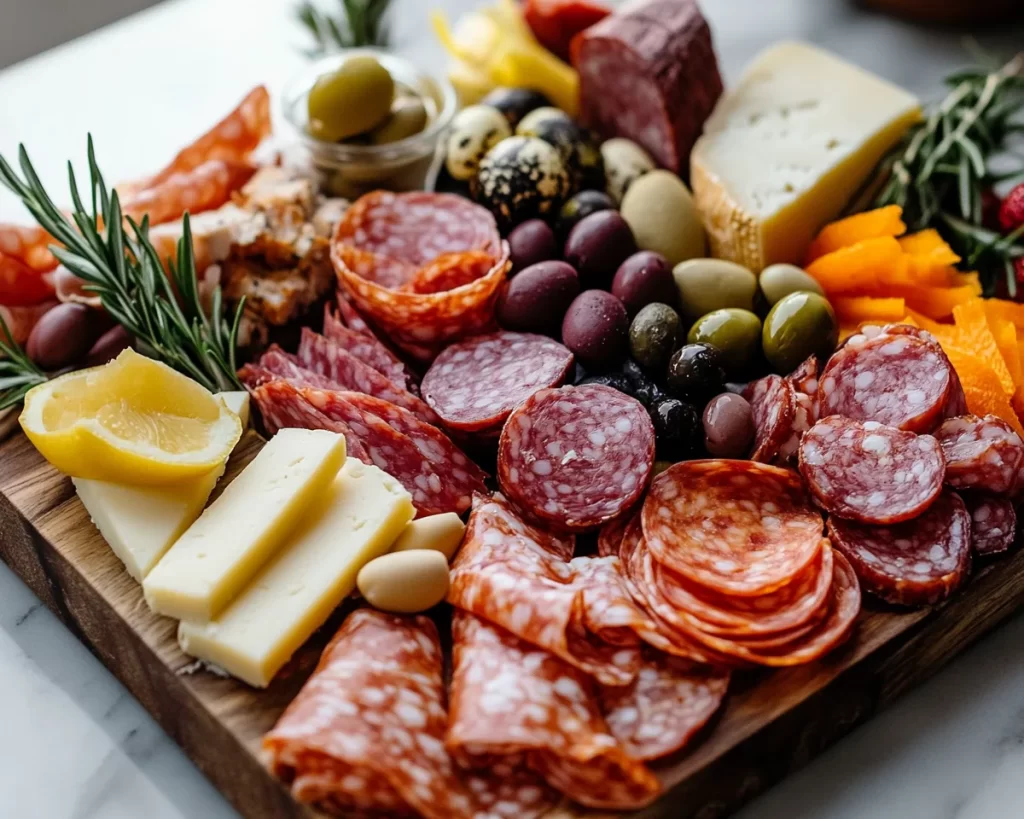
A Spring Charcuterie Board is a vibrant and varied assortment of meats, cheeses, fruits, and accompaniments designed to be shared and enjoyed. Perfect for Easter brunch or as an appetizer for dinner, this board celebrates the season’s bountiful offerings. The idea is to layer colors, textures, and flavors, creating an aesthetically pleasing display that is as delicious as it is beautiful.
You can customize the board to reflect your specific preferences and those of your guests, including options for **vegetarians** or those with dietary restrictions. Whether you’re a seasoned pro or a beginner in the kitchen, making a charcuterie board is quite straightforward.
Why You’ll Love This
Creating your own Spring Charcuterie Board for Easter offers numerous benefits. First and foremost, it’s **highly customizable**, allowing you to showcase seasonal ingredients that are abundant at this time of year. Additionally, assembling a charcuterie board is a fun and interactive way to entertain guests.
Moreover, this style of serving food promotes conversation, as guests can mingle and curate their bites. This approach not only appeals to the eye but also invites creativity in pairing flavors. Finally, it can cater to various dietary preferences, ensuring that everyone will find something delightful to enjoy.
Ingredients You’ll Need
To create your Spring Charcuterie Board, you’ll want to gather a range of ingredients that reflect the bright flavors and colors of spring. Here’s what to include:
- Meats: Prosciutto, salami, and capicola. These three will provide a range of flavors from salty to savory.
- Cheeses: Soft goat cheese, aged cheddar, and brie. The creamy textures of these cheeses will balance wonderfully with the meats.
- Fresh fruits: Strawberries, grapes, and kiwi. Their natural sweetness will contrast nicely with the saltiness of meats and richness of cheeses.
- Nuts: Marcona almonds and walnuts for a crunchy texture that adds richness.
- Accompaniments: Honey, fig jam, and whole-grain mustard. These will serve as sweet and tangy accents.
- Crackers and bread: A selection of artisan crackers and a baguette sliced thinly for a base to hold your delicious toppings.
How to Make
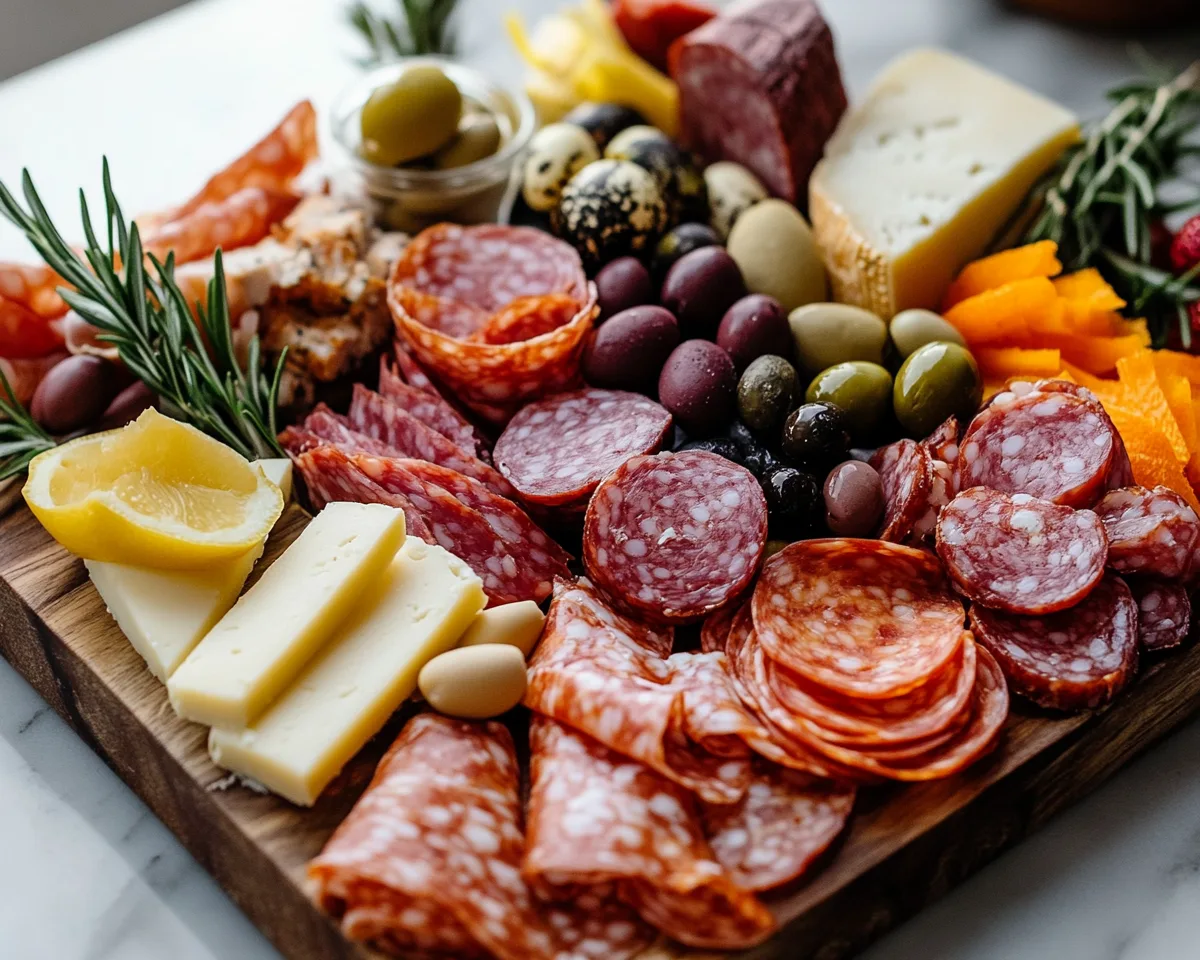
Follow these steps to assemble your stunning Spring Charcuterie Board:
- Start by selecting a large wooden board or a long platter as the base. The surface area will allow for an extensive arrangement of your ingredients.
- Next, create a balance between meats and cheeses, arranging them in clusters. Begin with the cheeses by placing them at different positions on the board—consider using a soft cheese, a semi-soft cheese, and a hard cheese to vary the textures.
- Add your meats next. Fold the slices into quarters to create height and dimension. Place a few pieces close to the cheeses they pair well with to guide your guests in their selections.
- Intersperse fresh fruits around the meats and cheeses. The vibrant red strawberries and bright green kiwi pieces will create a festive appearance and entice your guests. Aim for a mix of colors!
- Add the nuts and accompaniments last. Scatter the nuts in small groups, using bowls for the jams and honey to prevent spills. Add a small spoon for each, allowing guests to serve themselves easily.
- Finally, fill in gaps with crackers and sliced bread. This not only provides a variety of textures but also ensures each bite can either be a great canvas for meats and cheeses or enjoyed on their own.
Variations & Substitutions
Vegetarian Option: For those avoiding meat, you can replace the traditional meats with grilled vegetables such as zucchini, bell peppers, and eggplant. Pair with a selection of hearty cheeses and fruits, providing an equally delightful aesthetic and taste.
Low-Carb Option: If you’re catering to a low-carb diet, consider replacing the crackers with **cucumber slices** or **celery sticks**. These offer an excellent crunch without the carbs while still holding up to toppings like cheese.
Sweet Tooth Addition: For guests who may crave sweets, you can include **dark chocolate squares** or **chocolate-covered pretzels**. The bitterness of dark chocolate pairs beautifully with nuts and cheeses while adding a touch of indulgence.
Italian Inspired: Transform your board into an Italian-themed feast by including items such as **bruschetta, olives**, and **Italian cheeses** like Fontina or Asiago alongside the meats.
Common Mistakes to Avoid
Creating a charcuterie board can seem easy; however, there are common pitfalls to avoid.
Overcrowding: It can be tempting to fill your board to the brim. However, this can overwhelm guests and make it difficult for them to pick items. Aim for a balance between ample offerings and an inviting arrangement.
Not Diversifying Textures: A good charcuterie board should feature a variety of textures. Combining hard cheeses, creamy spreads, crunchy nuts, and soft fruits will enhance the experience.
Ignoring Presentation: Remember, this board is not just about taste but also about visual appeal. Take the time to arrange items thoughtfully, trying varying shapes, colors, and sizes to create a stunning presentation.
Storage, Freezing & Reheating Tips
If you have leftovers from your Spring Charcuterie Board, proper storage is critical to maintaining freshness.
For any meats and cheeses, wrap them tightly in plastic wrap or store them in airtight containers in the refrigerator. Note that cheese can typically last a week or so if stored correctly.
For fruits, avoid washing them until you’re ready to use them. Store any leftover fruits in a closed container, but they are best enjoyed fresh.
If there are leftover crackers or bread, keep them sealed in their original packaging or in a dry container to maintain their crispness.
As for reheating, it’s best to do so in an oven set to a low temperature if you’re warming up bread or leftover cooked items. Avoid microwaving, as this can lead to a chewy texture.
Frequently Asked Questions
What cheeses are best for a charcuterie board?
The best cheeses for a charcuterie board include **creamy brie**, **sharp cheddar**, and **smooth goat cheese**. Each brings unique flavors and textures that can complement meats and fruits. You can also integrate additional varieties like blue cheese for a tangy kick.
How far in advance can I prepare a charcuterie board?
You can prepare your charcuterie board ingredients a few hours ahead of time. To prevent dryness, wrap meats and cheeses in foil or plastic wrap and keep them refrigerated until you’re ready to serve. If possible, wait until just before your gathering to place everything on the board for optimal freshness.
Are there vegan options for a charcuterie board?
Absolutely! A **vegan charcuterie board** can consist of plant-based cheeses, hummus, a variety of seasonal vegetables, fruits, nuts, and edible flowers. This gives a colorful and inviting appearance while catering to vegetarian and vegan guests.
Can I include dips or spreads on my charcuterie board?
Yes, incorporating dips like **hummus**, **tzatziki**, or **guacamole** can add more flavor and variety. They can be served in small bowls on the board, providing a great pairing with crackers and veggies.
How do I cut the meats and cheeses for my board?
When cutting meats, consider **thin slices** for deli-style meats like prosciutto and **larger chunks** for hard cheeses. Presentation is key; using a cheese knife for soft cheeses and presenting a selection of shapes (cubes, slices, and wedges) will enhance the visual look of your board.
Conclusion:
Creating a Spring Charcuterie Board for Easter can be a delightful cooking experience. With fresh ingredients, a bit of creativity, and some careful arrangement, your board will not only look stunning but will also be a delicious spread that your guests will love. Happy hosting!