Blueberry muffins are a delightful treat that can serve as a perfect breakfast, snack, or even dessert. Their moist texture, bursting blueberry flavor, and delightful aroma can brighten anyone’s day. But for those gluten-sensitive individuals or anyone looking to cut down on gluten, making gluten-free blueberry muffins can sometimes seem daunting. Fortunately, today we’ll navigate you through producing a scrumptious batch of gluten-free blueberry muffins that even the most discerning palates will enjoy!
In this article, you will learn everything you need to know about gluten-free blueberry muffins—from understanding the recipe to experimenting with variations. You’ll also find tips for preventing common baking mistakes and answers to frequently asked questions. So, roll up your sleeves, grab your mixing bowls, and let’s create something delicious!
What Are Gluten-Free Blueberry Muffins?
Gluten-free blueberry muffins are a delicious alternative to traditional muffins that have been crafted specially for individuals who have gluten intolerance or for those choosing a gluten-free lifestyle. To be considered gluten-free, the ingredients used in making these muffins will not contain any wheat, barley, or rye.
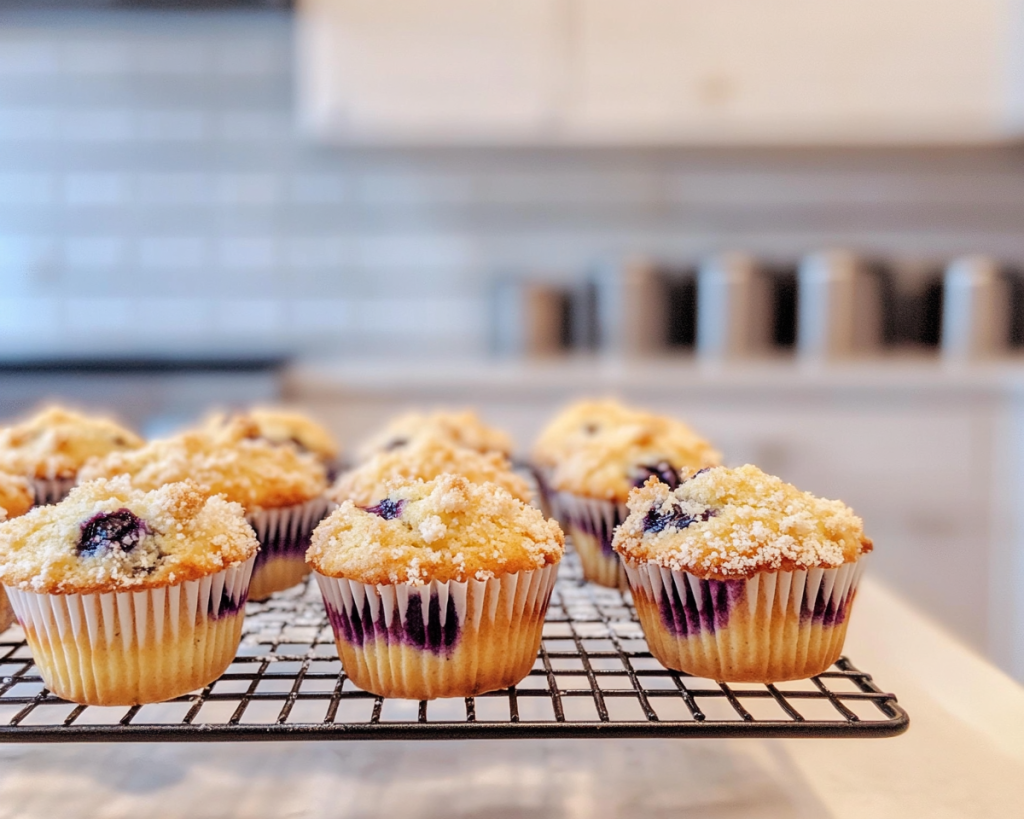
The muffins themselves carry a light, fluffy texture while being wonderfully moist without sacrificing flavor. Traditionally, they are sweetened with sugar and laced with fresh blueberries that create pops of tartness in each bite. The addition of vanilla and possibly a hint of cinnamon enhances their aromatic profile and adds depth to flavor.
For the base, we typically use gluten-free flour blends—these are often a combination of rice flour, almond flour, and tapioca starch, which mimic the properties of all-purpose wheat flour. The resulting baked good offers not only a delightful taste but also a satisfying experience for both gluten-restricted and gluten-loving individuals alike.
Why You’ll Love This Gluten-Free Blueberry Muffin Recipe
There’s a multitude of reasons to cherish this gluten-free blueberry muffin recipe! Firstly, the flavor and texture rival that of traditional blueberry muffins, ensuring satisfaction without compromising health.
Additionally, this recipe is **easy** to follow, making it an approachable choice even for novice bakers. The ingredients are straightforward, commonly found in grocery stores, and the preparation time yields minimal mess.
Importantly, gluten-free blueberry muffins are highly **versatile**; you can tweak the recipe as per dietary needs (like adding nuts or substituting sweeteners) or even cater to preferences (such as varying fruits based on seasonal availability). Want to indulge a bit more? You could also add a crumb topping for a sweet crunch!
One common misconception about gluten-free baking is that it results in dense or crumbly baked goods. Through thoughtful ingredient choices and techniques highlighted in this recipe, we will help you avoid that pitfall altogether!
Lastly, they are **cost-effective**. While gluten-free specialty products can come with a premium price, many ingredients called for in this recipe are relatively affordable, making it suitable for meal prepping or budget cooking.
Ingredients You’ll Need
Here’s a simple list of the primary ingredients that you will need to create these delightful gluten-free blueberry muffins:
– **Gluten-Free All-Purpose Flour (2 cups)**: This is the backbone of your muffins. Look for a blend that includes xanthan gum for better texture.
– **Baking Powder (2 teaspoons)**: This acts as your leavening agent, helping the muffins rise and providing that soft, fluffy texture.
– **Baking Soda (½ teaspoon)**: Adds additional leavening and contributes to a tender crumb.
– **Salt (½ teaspoon)**: Balances the sweetness and enhances the overall flavor profile.
– **Granulated Sugar (¾ cup)**: The key sweetener that makes these muffins enjoyable. You might opt for coconut sugar or a substitute if desired.
– **Egg (1 large)**: Acts as a binding agent and contributes to the moisture of the muffins. For a vegan alternative, you can use a ground flaxseed egg.
– **Milk (1 cup)**: Use any milk you prefer—dairy milk, almond milk, oat milk—all work well to create moist muffins.
– **Vegetable Oil (⅓ cup)**: Adds fat for richness. Melted coconut oil or unsalted butter are also delicious alternatives.
– **Vanilla Extract (1 teaspoon)**: A must-have flavor enhancer for that delectable aroma.
– **Fresh Blueberries (1 to 1½ cups)**: Feel free to adjust the quantity based on your love for blueberries! Frozen blueberries can also be used; just ensure they are thawed and drained well.
How to Make Gluten-Free Blueberry Muffins
The process of making these gluten-free blueberry muffins is straightforward and results in beautifully golden muffins. Let’s break it down into simple steps:
1. **Preheat Your Oven**: Start by preheating your oven to 375°F (190°C). This temperature is perfect for getting the muffins to rise well while resulting in a soft, fluffy interior.
2. **Prepare Your Muffin Tin**: Line a standard muffin tin with paper liners or lightly grease with cooking spray. This will ensure that the muffins come out easily once baked.
3. **Combine Your Dry Ingredients**: In a large mixing bowl, whisk together the gluten-free flour, baking powder, baking soda, salt, and granular sugar. Ensure everything is mixed thoroughly to avoid clumping, as this is crucial for an even rise when baking.
4. **Mix the Wet Ingredients**: In another bowl, beat the egg (or egg substitute) until frothy, then add in the milk, oil, and vanilla extract. Mix until well combined.
5. **Combine Wet and Dry Ingredients**: Pour the wet ingredients into the dry flour mixture. Gently stir until just combined. Over-mixing can lead to dense muffins, so aim for a few strokes until you no longer see dry flour.
6. **Fold In the Blueberries**: Delicately fold in your fresh blueberries, being careful not to crush them—this will help to keep your batter light and fluffy.
7. **Fill Muffin Tins**: Use an ice cream scoop or spoon to fill the muffin cups about halfway to three-quarters full. This allows space for the muffins to rise without overflowing.
8. **Bake**: Place the muffin tin in the preheated oven and bake for about **20 to 25 minutes** or until a toothpick inserted into the center of a muffin comes out clean. The edges should be lightly golden, and the muffins should spring back when touched.
9. **Cool**: Once baked, remove them from the oven and allow them to cool in the pan for about 5 minutes before transferring to a wire rack to cool completely. This step helps the muffins set nicely while preventing them from becoming soggy.
5 Variations & Substitutions
**1. Lemon Blueberry Muffins**: Add a splash of fresh lemon juice and the zest of one lemon to the wet ingredients for a refreshing citrus twist. Lemon complements blueberries beautifully.
**2. Almond Flour Variation**: Substitute half of the gluten-free flour with almond flour to add a nutty flavor and increase the nutritional value. Be cautious, as almond flour tends to hold more moisture, so you might need to reduce the liquid slightly.
**3. Mixed Berry Muffins**: Swap fresh blueberries for raspberries, strawberries, or blackberries, or mix several types of berries for a bursting flavor experience. Keep in mind that this will slightly vary the sweetness.
**4. Vegan Blueberry Muffins**: For a vegan option, use almond milk instead of regular milk, replace the egg with a flaxseed egg made from one tablespoon of ground flaxseed mixed with three tablespoons of water, and use a plant-based oil.
**5. Oatmeal Blueberry Muffins**: For a heartier texture, blend in rolled oats into the batter. You might want to add an additional splash of milk if the batter becomes too thick. This will offer a chewy texture and added fiber.
Common Mistakes to Avoid
When baking gluten-free blueberry muffins, there are a few pitfalls to steer clear of to ensure success.
**1. Overmixing the Batter**: It’s enticing to keep stirring, but overmixing the batter can lead to tough muffins. Mix until just combined.
**2. Wrong Oven Temperature**: An oven that is too hot can cause the muffins to rise rapidly and then collapse, while a temperature that is too low results in dense muffins. Invest in an oven thermometer to ensure accurate readings.
**3. Not Measuring Flour Correctly**: Gluten-free flours can vary widely in density. Use the spoon-and-level method for measuring flour to avoid packing it tightly, which can result in overly dry muffins.
**4. Skipping Xanthan Gum**: If you are using homemade gluten-free flour mixes that do not contain xanthan gum, be sure to add it yourself to improve texture and binding.
**5. Not Preheating the Oven**: Always preheat your oven, as starting with a hot oven helps to create perfect rise, resulting in a light texture.
Storage, Freezing & Reheating Tips
Storing your gluten-free blueberry muffins properly will help to retain moisture and freshness:
**Storage**: Allow muffins to cool completely before storing them in an airtight container at room temperature for up to 3 days. For longer storage, refrigerate them in a sealed bag or container, and they can last up to a week.
**Freezing**: To freeze, wrap the cooled muffins individually in plastic wrap, then place them in a freezer-safe bag. This method will keep them fresh for up to 3 months.
**Reheating**: When ready to enjoy, remove the desired number of muffins from the freezer and allow them to thaw at room temperature. For a quick warm-up, pop them in a microwave for about 15-20 seconds, or heat them in an oven at 350°F (177°C) for about 10 minutes until warm.
Following these guidelines will help you get the best possible flavor and texture from your muffins even after storage.
Frequently Asked Questions
**1. Can I use frozen blueberries in this recipe?**
Absolutely! Frozen blueberries work wonderfully in gluten-free blueberry muffins. However, be sure to thaw them beforehand and drain off any excess liquid. This will prevent your batter from becoming too wet. If you find that thawed blueberries are a bit mushy, don’t worry; they’ll still offer that delicious flavor.
**2. Can I use a different type of flour?**
You can substitute gluten-free all-purpose flour with other gluten-free flours, but results may vary. Almond flour and coconut flour can be used, though you will need to adjust the other ingredients and possibly add a binding agent, like xanthan gum, for better texture.
**3. How can I sweeten my muffins without sugar?**
For lower-sugar options, consider using natural sweeteners like honey or maple syrup. Keep in mind that liquid sweeteners may require you to reduce other liquids in the recipe slightly to maintain the right batter consistency.
**4. What can I do with leftover muffins?**
Leftover muffins can be creatively repurposed! Crumble them over yogurt or ice cream for a delicious topping, blend them into a smoothie for added fiber, or turn them into a bread pudding by soaking in an egg-and-milk mixture before baking.
**5. Can I add nuts or seeds for extra nutrition?**
Yes! Chopped walnuts, pecans, or pumpkin seeds will add a nice crunch and nutritional benefits. Just fold them into the batter with the blueberries. Make sure you do not exceed the total quantity of ingredients to avoid overly dense muffins.
As you can see, these gluten-free blueberry muffins come together easily and are packed with versatility so you can make them your own. Their fluffy, tender texture and sweet, fruity flavor make them an unbeatable snack for everybody. So gather your ingredients, and don’t hesitate to dive into this gluten-free baking adventure. You’re one step closer to rewarding yourself with a tasty treat that truly stands out.
Conclusion: There’s nothing quite like the joy of pulling warm, fragrant blueberry muffins from the oven. Whether you’re baking for a special occasion or simply because you’re craving homemade goodness, this recipe guarantees satisfaction. Try it, enjoy its delightful taste, and don’t forget to share your delightful creations with family and friends. Baking is an art made more enjoyable when shared! Happy baking!