**Prep time:** 15 minutes
**Cook time:** 25 minutes
**Total time:** 40 minutes
**Servings:** 4 (makes approximately 20 meatballs)
When you think of hearty, comforting meals, meatballs often come to mind. Traditionally, they are rich and indulgent, but they don’t have to be! Imagine biting into a juicy turkey meatball that is packed with flavors yet low in fat. These Low-Fat Turkey Meatballs are the perfect solution for busy parents, health-conscious eaters, or anyone looking for an easy meal prep option.
In this article, we will explore everything you need to know about making these delightful, guilt-free meatballs. From their origins to benefits, cooking tips, and various delicious variations, you’ll soon understand why this dish should find a permanent spot on your meal planning calendar. So let’s get started on your journey to make these mouthwatering low-fat turkey meatballs!
What Are Low-Fat Turkey Meatballs?
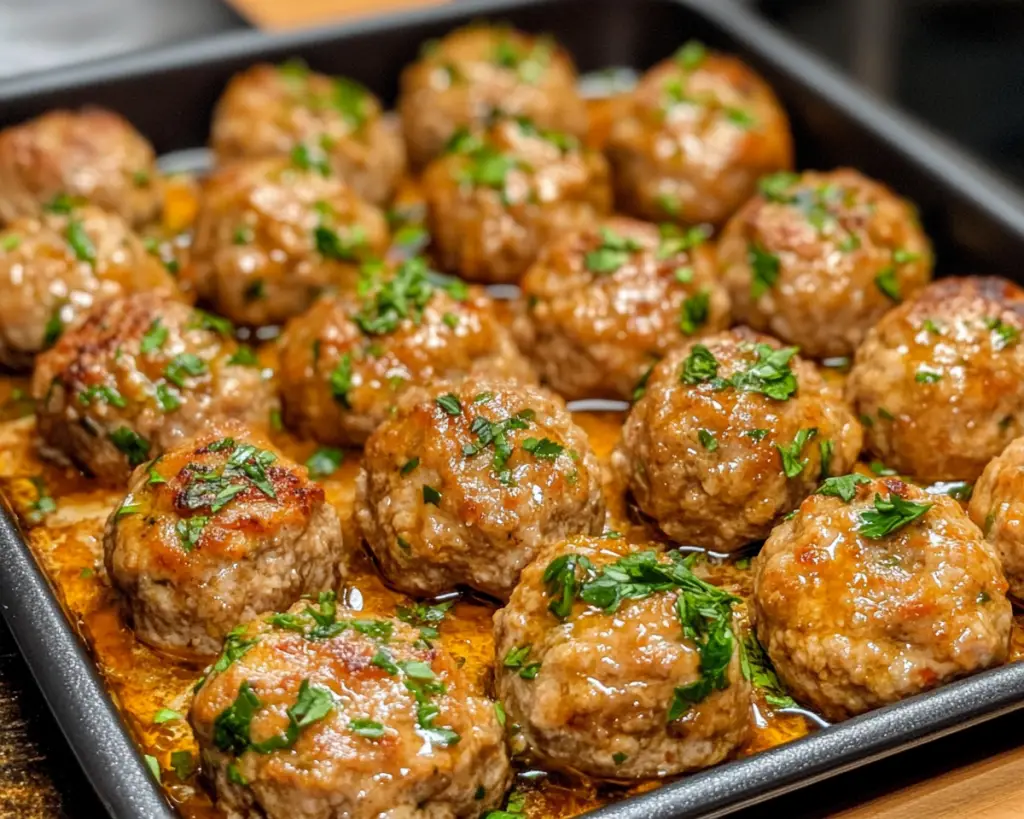
Low-Fat Turkey Meatballs are a healthier twist on the classic meatball dish, using **ground turkey** instead of higher-fat meats like beef or pork. This swap results in juicy, tender meatballs that are rich in protein yet significantly lower in fat and calories. The use of fresh herbs, spices, and simple binders enhances the flavor without adding unnecessary calories.
Originating from various culinary traditions, meatballs have been a beloved dish around the world. However, these turkey meatballs have gained popularity due to their versatility and health benefits. Juicy and packed with flavor, they provide a satisfying meal or snack to keep you fueled throughout the day. Plus, they’re incredibly easy to prepare, making them an ideal choice for meal prep.
The texture of these turkey meatballs is key; they are moist, fluffy, and tender on the inside, thanks to the addition of **breadcrumbs and egg**. Similar to traditional meatballs, they can be enjoyed with pasta, in a sandwich, or on their own as a protein-packed snack.
Why You’ll Love This Low-Fat Turkey Meatballs Recipe
There are countless reasons why you will fall in love with Low-Fat Turkey Meatballs. First and foremost, they are absolutely delicious, bursting with savory flavors thanks to the mixture of seasoning. You can easily customize the seasoning to suit your palate, adding garlic, onion, or even some heat with chili flakes—a culinary adventure awaits!
Additionally, the ease of preparation is a significant advantage. If you’re a busy parent rushing through weeknight dinners, these meatballs can be made in just 40 minutes. With minimal prep work and simple steps, they are perfect for beginners or seasoned cooks alike.
Cost-effectiveness is another reason these meatballs deserve a place in your recipe box. Ground turkey is typically more affordable than its beef counterpart, and when combined with staple pantry ingredients, you have a satisfying meal without breaking the bank.
Health-wise, these meatballs are lower in saturated fat and calories, making them heart-friendly. They are high in protein, which is essential for muscle maintenance, weight management, and overall health. Versatile and adaptable, turkey meatballs can easily fit into many dietary preferences, including low-carb, gluten-free, or even dairy-free options.
Don’t worry about traditional mistakes when it comes to cooking meatballs. Let’s face it—nobody wants dry or tough meatballs! Our recipe avoids these common pitfalls and will ensure that your dinner is full of bursts of flavor!
Ingredients You’ll Need
To make these delightful Low-Fat Turkey Meatballs, you will need the following ingredients:
– 1 pound ground turkey (lean)
– 1/2 cup breadcrumbs (whole wheat or gluten-free)
– 1 large egg
– 2 cloves garlic (minced)
– 1/4 cup onion (finely chopped)
– 1/4 cup fresh parsley (chopped)
– 1 teaspoon dried oregano
– 1 teaspoon salt
– 1/4 teaspoon black pepper
– 1/4 teaspoon crushed red pepper flakes (optional)
– 1 tablespoon olive oil (for greasing)
– Your favorite pasta sauce (for serving)
**Ingredient breakdown:**
– **Ground Turkey**: The star of the dish! Lean ground turkey provides the necessary protein while keeping the fat content low. If you can’t find ground turkey, ground chicken can be a suitable alternative as well.
– **Breadcrumbs**: These act as a binder to hold the meatballs together. Whole wheat breadcrumbs are a healthy choice, providing additional fiber. If gluten-free, ensure you use gluten-free breadcrumbs.
– **Egg**: The egg acts as a binder, helping to keep the meatballs moist and cohesive. If you want to make this dish egg-free, consider using a flax egg or chia seed mixture as a substitute.
– **Garlic and Onion**: These aromatics add a wonderful depth of flavor to the meatballs. Freshly chopped garlic and onion yield the best results, but you can use powdered versions if needed.
– **Fresh Parsley**: Parsley adds freshness and a vibrant green color to the meatballs. You can substitute it with fresh basil or cilantro, depending on your taste preferences.
– ** dried Oregano, salt, and black pepper**: These seasonings enhance the savory flavor profile of the meatballs. Feel free to experiment with other herbs and spices such as thyme, rosemary, or smoked paprika to customize the taste further.
– **Crushed Red Pepper Flakes**: These add a bit of heat and spice, which can be adjusted according to your preference.
– **Olive Oil**: A light coating of olive oil on your baking sheet will prevent sticking while using a healthier fat option for cooking.
How to Make Low-Fat Turkey Meatballs
Making Low-Fat Turkey Meatballs is simple and straightforward. Follow these step-by-step instructions for meatball perfection!
1. **Preheat Your Oven**: Start by preheating your oven to **400°F (200°C)**. Preheating ensures that your meatballs will cook evenly and thoroughly, providing that golden exterior we all love.
2. **Prepare Your Baking Sheet**: Lightly grease a baking sheet with olive oil. This will prevent your meatballs from sticking and make for easier cleanup later.
3. **Combine Ingredients**: In a mixing bowl, combine 1 pound of ground turkey, 1/2 cup of breadcrumbs, 1 large egg, 2 cloves of minced garlic, 1/4 cup of finely chopped onion, 1/4 cup of chopped fresh parsley, 1 teaspoon of dried oregano, 1 teaspoon of salt, 1/4 teaspoon of black pepper, and 1/4 teaspoon of crushed red pepper flakes (if using). Using your hands, gently mix the ingredients until just combined—be careful not to overmix, as this can lead to tough meatballs.
4. **Form the Meatballs**: Once your mixture is well combined, it’s time to shape the meatballs. Using your hands, scoop out about 1.5 tablespoons of the mixture and roll it between your palms to form a ball. Repeat this process until all the mixture is shaped into meatballs; you should have about 20 medium-sized meatballs. Make sure they are uniform in size for even cooking.
5. **Arrange on the Baking Sheet**: Place the formed meatballs onto the prepared baking sheet, ensuring they are spaced apart to promote even browning.
6. **Bake**: Once your oven is preheated, pop the baking sheet in and bake for **20-25 minutes**, or until the meatballs are golden brown and cooked through. The internal temperature should reach **165°F (75°C)**. Halfway through, you could gently rotate the meatballs for even cooking, though it’s not strictly necessary.
7. **Serve**: Once baked, remove the meatballs from the oven and allow them to rest for a few minutes. These meatballs can be served with your favorite pasta sauce and whole grain pasta, incorporated into a meatball sub, or enjoyed as a healthy snack with some dipping sauce.
5 Variations & Substitutions
1. **Italian-Style Meatballs**: For an Italian twist, include **Parmesan cheese** in the mixture for added richness. A tablespoon or so is enough to impart that cheesy flavor without compromising on the ‘low-fat’ goal.
2. **Mediterranean Meatballs**: Swap out the parsley for **fresh mint** and add some **feta cheese** into the mix. This gives the meatballs a bright, tangy flavor that pairs fabulously with tzatziki sauce.
3. **Asian-Inspired Meatballs**: Use ground turkey with **ginger**, **green onions**, and a splash of *soy sauce* instead of salt for a refreshing flavor. Serve with a sweet chili sauce or hoisin sauce for dipping.
4. **Spicy Southwest Meatballs**: Mix in **chopped cilantro and diced jalapeños**, along with a sprinkle of **cumin and chili powder**. These will bring a delightful kick, and serve them with salsa for a fun twist!
5. **Zucchini Turkey Meatballs**: For added vegetable goodness, mix in **shredded zucchini** to the turkey mixture. It will keep the meatballs moist while sneaking in some extra nutrients.
Common Mistakes to Avoid
When making Low-Fat Turkey Meatballs, there are some common pitfalls to be aware of to ensure success:
1. **Overmixing the Meat**: Overmixing the turkey mixture can make your meatballs dense and tough. Always mix just until combined to keep them light and fluffy.
2. **Not Using Enough Seasoning**: Since turkey can be quite mild, ensure you adequately season your mixture. Taste testing before forming the meatballs is essential to achieving that delicious flavor.
3. **Uneven Sizing**: If your meatballs are varying in size, they will cook unevenly. Strive for uniformity in size to guarantee that every meatball reaches the perfect doneness at the same time.
4. **Skipping the Binding Agents**: An egg and breadcrumbs are crucial for holding meatballs together. Omitting these ingredients can lead to meatballs that crumble rather than hold their shape.
5. **Underbaking**: Always use a meat thermometer to check for doneness. Aim for an internal temperature of 165°F (75°C) to ensure food safety and delicious results.
Storage, Freezing & Reheating Tips
These Low-Fat Turkey Meatballs are perfect for meal prep and can be stored in the refrigerator for up to **4 days** after cooking. Here’s how to best store and reheat them:
– **Storage**: Once cooled, transfer meatballs to an airtight container and refrigerate. Keep a layer of parchment paper between layers if stacking to avoid sticking.
– **Freezing**: For longer storage, you can freeze meatballs. Place them in a single layer on a baking sheet to freeze individually for about 2 hours. Then transfer to a freezer-safe bag or container. They can last for up to 3 months in the freezer.
– **Reheating**: To reheat, bake in the oven at **350°F (175°C)** for about 15-20 minutes, or until heated through. If using the microwave, place them on a microwave-safe plate, cover, and heat in 30-second intervals until warm. For best results, reheat from frozen in the oven.
Ensure you do not leave meatball leftovers out for extended periods for food safety. Always store them promptly and reheat to an internal temperature of 165°F (75°C) when serving.
Frequently Asked Questions
1. **Can I use a different meat instead of turkey?**
Absolutely! While turkey is a healthier choice, you can substitute it with ground chicken or lean beef. Keep in mind that the fat and calorie count will differ, so adjust your seasonings as necessary.
2. **Can I make meatballs without bread crumbs?**
Yes! If you want to avoid breadcrumbs, try using gluten-free alternatives like ground oats, almond flour, or even grated vegetables like zucchini, which can also help maintain moisture.
3. **How do I know if the meatballs are cooked?**
The best way to confirm is by using a meat thermometer. Insert it into the center of a meatball, and it should read 165°F (75°C). You can also cut one open and check that it’s no longer pink inside.
4. **Can I bake these meatballs in sauce?**
Yes! For a different flavor experience, you can place the raw meatballs in your sauce in a baking dish and bake them directly in the sauce. This can help infuse the meatballs with flavor, but be sure to account for a few extra minutes of cooking time.
5. **What’s the best way to serve these?**
There are many delicious ways to serve Low-Fat Turkey Meatballs. Enjoy them with classic spaghetti and marinara sauce, as a meatball sub, with a veggie-packed stir-fry, or simply on a platter as an appetizer with dipping sauces.
In summary, these Low-Fat Turkey Meatballs are an excellent choice for anyone looking to eat healthier without sacrificing taste. Not only are they easy to make, but they’re also versatile and budget-friendly. I encourage you to give this recipe a try, share it with family and friends, and put your own spin on it. Happy cooking!