### Prep Time
20 minutes
### Cook Time
40 minutes
### Total Time
1 hour
### Servings
6-8 servings
When the new year rolls in, many of us find ourselves thinking about weight loss, detoxing after the holiday indulgence, and resetting our eating habits. Enter the January Weight Loss Soup, a warm, nourishing, and vibrant dish brimming with fresh vegetables, lean proteins, and detoxifying herbs and spices. Not only is this soup nutritious, but it’s also incredibly delicious, easy to prepare, and perfect for batch cooking. Whether you’re looking to shed a few pounds, kickstart a detox plan, or simply enjoy a healthy meal that warms the soul, this soup is a fantastic choice.
In this guide, you’ll learn about the origin of the January Weight Loss Soup, why it’s beneficial for your health, the list of wholesome ingredients needed, and step-by-step instructions for making this delightful dish. You will also discover variations and substitutions to suit your taste, tips for avoiding common pitfalls, and storage tips to keep your soup fresh. Let’s dive deep into the world of delicious detox soups!
What Is January Weight Loss Soup?
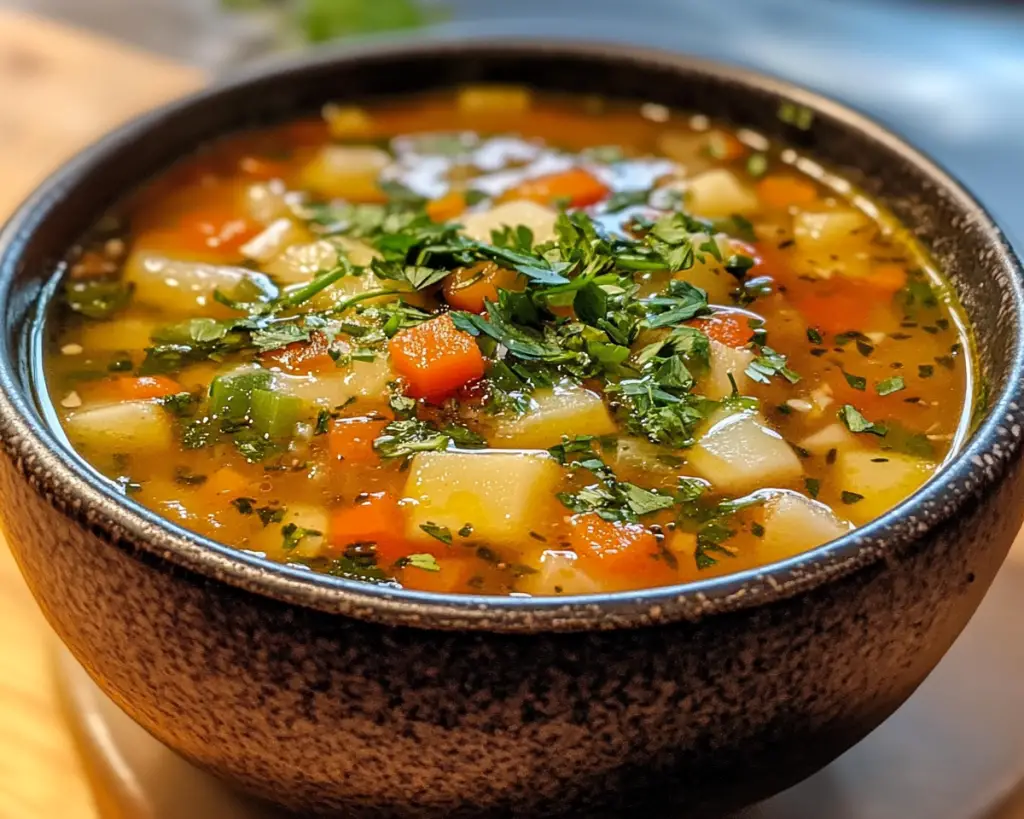
January Weight Loss Soup is a vibrant and nutrient-dense dish designed specifically for those looking to support their weight loss goals and detoxify their bodies after the heavy meals of the holiday season. This soup combines an array of colorful vegetables, which not only provide essential vitamins and minerals but also contribute to a hearty and satisfying texture. The key ingredients typically include ingredients like carrots, celery, onions, and leafy greens, all simmered to perfection in a rich broth.
The origins of this soup can often be linked to variations of detox soups that are popular during the new year as people seek fresh starts with their health. The flavor profile ranges from savory to slightly sweet, with spices adding warmth and depth. Its robust texture is complemented by crunchy vegetables and aromatic herbs, making it a comforting yet guilt-free meal option. This soup yields a delectable flavor, designed to be enjoyed at any time while still aligning with your health goals.
Primarily, this soup functions as a **detox meal**, rich in fiber and low in calories. The combination of vegetables used not only aids digestion but also energizes and revitalizes your body after holiday indulgences. You’ll savor the earthy goodness with every sip and feel good knowing you are nurturing your body.
Why You’ll Love This January Weight Loss Soup
There are several reasons why the January Weight Loss Soup has become a go-to recipe for many, especially as the new year starts. First, the **taste** is surprisingly rich and satisfying, despite being low in calories. You’ll find that ingredients like tomatoes and herbs lend a savory depth to the broth, making it far more interesting than a simple vegetable soup.
Moreover, it is **easy to make**! With just one pot required and a short prep time, you can whip up a substantial batch for meal prep purposes, saving time throughout your busy week. This is especially helpful for busy parents and individuals juggling hectic schedules who still want to prioritize healthy eating.
Economically, this soup is also a winner. The ingredients are generally **affordable** and can often be found fresh at your local market or even in your kitchen, making it a budget-friendly choice for families. Best of all, it’s customizable! You can modify it to your liking by adding different proteins or spices based on what you have on hand, ensuring that it always stays exciting.
In terms of health benefits, this soup is packed with high-fiber vegetables and ample vitamins and antioxidants. The ingredients contribute to improved digestion and can help maintain a healthy weight, providing you with energy rather than heaviness post-meal. Additionally, it could speed up your metabolism with the right spices like cayenne pepper or ginger.
Ingredients You’ll Need
Here’s a complete list of the ingredients necessary to create this delicious soup:
– **1 tablespoon olive oil**: For sautéing vegetables and adding healthy fats.
– **1 medium onion, diced**: Offers a rich base flavor and sweetness.
– **2 cloves garlic, minced**: Adds aromatic depth and health benefits.
– **2 carrots, sliced**: Brings natural sweetness and vibrant color.
– **2 celery stalks, chopped**: Axes a crisp texture and contributes to the soup base.
– **1 bell pepper, diced**: Enhances texture and adds vitamins.
– **2 zucchinis, diced**: Low-calorie addition full of fiber and water content.
– **1 cup green beans, chopped**: Provides fiber and a slight crunch.
– **6 cups vegetable broth**: A flavorful base that serves as the soup’s heart.
– **1 can diced tomatoes (14 oz)**: Adds acidity and flavor enhancement.
– **1 tablespoon soy sauce or tamari**: For deepening flavors, ideal for an umami kick.
– **1 teaspoon dried oregano**: An aromatic herb that uplifts the overall flavor.
– **1 teaspoon cumin**: Introduces warmth and a hint of earthiness to the soup.
– **Salt and pepper to taste**: Essential seasonings for balancing flavors.
– **Fresh parsley or cilantro for garnish**: Adds a pop of color and freshness at the end.
**Substitutes and Tips**:
– If you’re avoiding soy, you can replace soy sauce with a splash of **coconut aminos**.
– For a heartier soup, consider adding **cooked lentils or beans**, which can enhance both protein content and texture.
– Any vegetables you have on hand can be replaced with the listed ingredients, as soup is all about flexibility.
How to Make January Weight Loss Soup
Making the January Weight Loss Soup is a straightforward process that anyone can master, even if you’re a beginner in the kitchen. Just follow these step-by-step instructions for delicious results!
1. **Heat the Olive Oil**: In a large pot over medium heat, add 1 tablespoon of **olive oil**. Allow the oil to warm for about 1 minute; you’ll know it’s ready when it shimmers slightly.
2. **Sauté the Aromatics**: Once the oil is hot, add the diced **onion** and sauté for about 3-4 minutes until it becomes translucent. Next, add the minced **garlic** and stir, allowing it to cook for an additional minute until fragrant.
3. **Add Vegetables**: Incorporate the **carrots**, **celery**, and **bell pepper** into the sautéed mixture. Stir frequently for about 5 minutes until they start to soften. The goal is to enrich their flavors before adding the broth.
4. **Introduce Other Veggies**: After the initial vegetables have softened, add the **zucchini** and **green beans**. For a burst of flavor, toss in a pinch of **salt** and **pepper**. Continue stirring for about 4-5 minutes, allowing the zucchini to start releasing some of its moisture.
5. **Pour in Broth and Tomatoes**: Next, it’s time to pour in the **vegetable broth** and the can of **diced tomatoes**. Stir everything together well. The soup should start to smell aromatic and inviting.
6. **Season Wisely**: Add the **soy sauce**, **oregano**, and **cumin** to the pot. Bring the soup to a gentle boil, adjusting the heat as needed. Once it reaches a boil, lower the heat and let it simmer uncovered for about 20-30 minutes, allowing flavors to meld beautifully.
7. **Final Touches**: Taste your soup and adjust any seasonings, adding more salt and pepper if necessary. If you desire a little kick, sprinkle in some **cayenne pepper** or **red pepper flakes** to taste.
8. **Garnish and Serve**: Once the soup is cooked to your liking, ladle it into bowls and garnish with **fresh parsley** or **cilantro**. Enjoy your hearty, healthy soup warm, as it will nourish both body and soul!
5 Variations & Substitutions
1. **Protein-Packed Version**: For those looking to increase the protein content of the January Weight Loss Soup, consider adding shredded rotisserie chicken or cooked quinoa. Simply stir in the protein after the simmering stage, allowing it to warm through. This version is perfect for individuals needing a post-workout meal or busy parents looking to fill their families with good energy.
2. **Creamy Version**: If you crave a more decadent texture without significantly impacting the health factor, add **coconut milk** or **plant-based crema** during the last 5 minutes of cooking. The coconut will lend a natural sweetness and creaminess that transforms the flavor, making the soup feel indulgent while remaining wholesome.
3. **Spicy Kick**: For spice enthusiasts, add sliced jalapeños or a few dashes of hot sauce when you add the broth. This variation is perfect for anyone who enjoys bold flavors and heat. It will also amp up the metabolism-boosting effect of your soup!
4. **Herb-Infused Version**: Experiment with fresh herbs like **basil**, **thyme**, or **rosemary**. Add them towards the end of cooking for a burst of freshness. This variation can be particularly enjoyable during the summer months when herbs are abundant and yield a garden-fresh taste.
5. **Vegetalian Version**: If you’re following a vegetarian or vegan diet, simply use vegetable broth as your base and ensure your proteins are plant-based, such as **lentils** or **tofu**. This version is packed with nutritional benefits and caters perfectly to power-packed meals that are still light and healthy.
Common Mistakes to Avoid
Making January Weight Loss Soup is generally straightforward, but there are common blunders you’ll want to avoid to ensure maximum flavor and health benefits:
1. **Overcooking Vegetables**: A common mistake is overcooking the vegetables, which can lead to mushy textures and lost nutrients. To achieve the best flavor and texture, aim for tender-crisp vegetables. They should still retain their vibrant color and slight bite when you add them to the pot.
2. **Underseasoning**: It’s vital to season your soup properly. Since vegetables naturally contain a lot of water, they can dilute the flavors considerably. Always taste as you go, adjusting with salt, pepper, and spices multiple times throughout the cooking process for the best results.
3. **Not Using Enough Broth**: The broth is the foundation of the soup’s flavor. If you find the soup too thick at the end, you can always add additional vegetable broth to thin it out, but it’s best to start with the right amount from the start.
4. **Skipping the Garnishes**: Garnishes like fresh herbs can take an otherwise delicious soup to the next level by adding a burst of fresh flavor and brightening up the overall presentation. Don’t skip them!
5. **Lack of Variety**: Sticking to only a few vegetables can lead to a boring soup. Feel free to mix and match several seasonal vegetables, keeping each batch exciting. Include both leafy greens and root vegetables for varied textures and nutrients.
Storage, Freezing & Reheating Tips
To make your January Weight Loss Soup last longer, proper storage is crucial. Here’s how to keep it fresh:
– **Refrigeration**: Allow the soup to cool completely before transferring it to an airtight container. It can be stored in the fridge for up to 4-5 days. Reheat using the stove or microwave, adding a little extra broth or water to maintain the desired consistency.
– **Freezing**: This soup freezes exceptionally well! Portion it into freezer bags or airtight containers when it has cooled down. Make sure to leave some space at the top in case it expands when frozen. January Weight Loss Soup can be frozen for up to 3 months.
– **Thawing**: For the best results, let your frozen soup thaw in the refrigerator overnight before heating it up. You can also use the microwave to defrost, but be sure to reduce the power level to prevent uneven warming.
– **Reheating Tips**: When reheating, whether from the fridge or freezer, ensure the soup is brought to a simmer so that any potential bacteria are killed. Adjust seasonings and add fresh herbs just before serving for the best flavor.
Frequently Asked Questions
**1. Can I use frozen vegetables in this soup?**
Yes, absolutely! Frozen vegetables are perfect for this soup, especially if you’re short on time or fresh produce. They are often picked at their peak ripeness and frozen immediately, preserving their nutritional value. When using frozen veggies, simply add them to the soup directly during the cooking process; they typically require a few extra minutes to cook through.
**2. How can I make this soup more filling?**
To make the January Weight Loss Soup more filling, consider adding **whole grains** like brown rice, farro, or quinoa. These ingredients not only add heartiness but also increase the fiber and protein content, keeping you satisfied for a longer time. Alternatively, you could add more legumes, like chickpeas or black beans, which are also fantastic options for increased satiety.
**3. Is this soup low in calories?**
Yes, the January Weight Loss Soup is low in calories, making it an excellent option for those seeking to lose weight. Most vegetables are low in calories and high in fiber, promoting fullness without the calorie load. Counting the nutrient-dense ingredients, you’ll notice that each serving is satisfying yet light, perfect for a health-conscious diet.
**4. Can I make this soup in a slow cooker?**
Yes! You can easily adapt this soup recipe for a slow cooker. Start by sautéing the onions and garlic on the stove, then transfer them to the slow cooker with all other ingredients. Let it cook on low for 6-8 hours or high for 3-4 hours. The long cooking time allows all flavors to develop nicely, ensuring a hearty and delicious meal.
**5. Can I serve this soup cold?**
While this soup is traditionally served hot, it can be enjoyed chilled as well! If you’re seeking a lighter meal during the warmer months, let it cool and then serve over ice or as a gazpacho-like dish. The fresh vegetables and herbs will still shine through, providing a refreshing option.
In conclusion, the January Weight Loss Soup is an incredibly versatile and delightful dish that can kickstart your healthy journey as the new year begins. With its goodness-packed ingredients, customizable nature, and easy preparation, you’ve got a wholesome meal that can be enjoyed throughout the week. Whether you’re aiming for a lighter diet or simply want to nourish yourself with the fresh, colorful flavors of nature, this soup is here to meet your needs. Don’t hesitate to try it out, personalize it, and enjoy the many health benefits it offers! Happy cooking!