**Prep time:** 15 minutes
**Cook time:** 10 minutes
**Total time:** 25 minutes
**Servings:** 4 servings
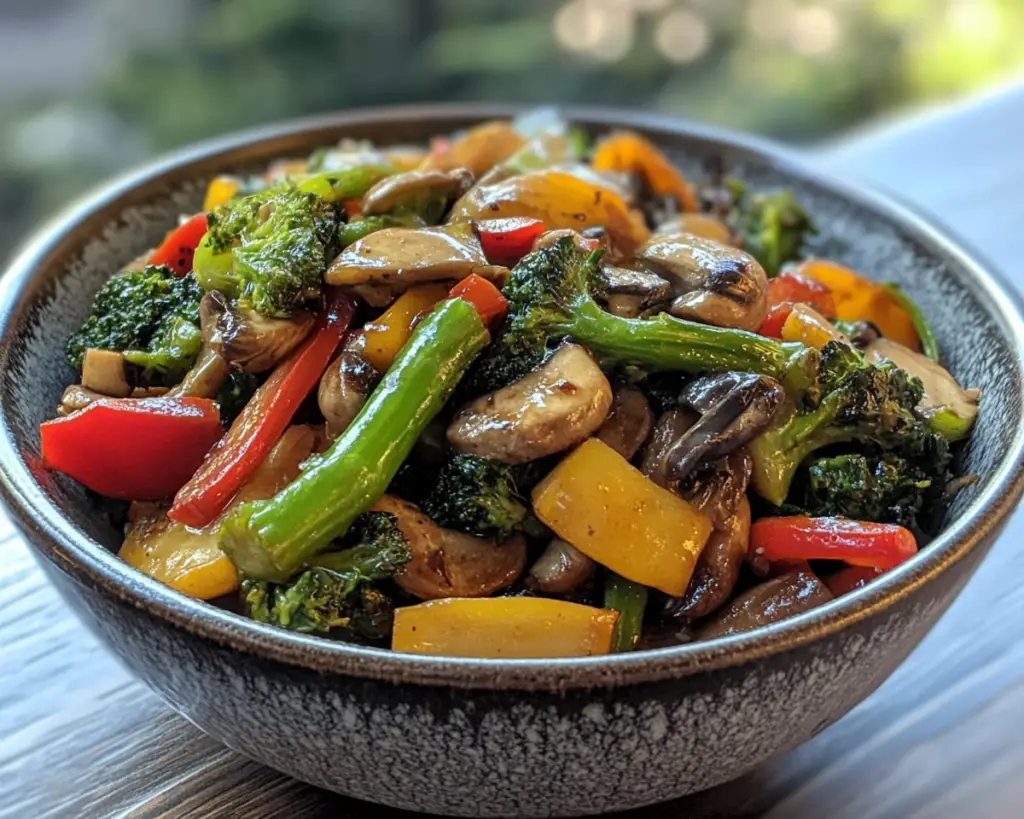
The beauty of a **Low-Calorie Vegetable Stir Fry** lies in its vibrant colors, fresh flavors, and the nutritional benefits packed into every bite. Imagine a plate full of crisp vegetables, glistening in a light soy sauce glaze, with every forkful tantalizing your taste buds and fueling your body. Stir fry dishes have long been a favorite in many households, primarily due to their versatility. You can customize them to whatever vegetables you have on hand, making it one of the most budget-friendly meals.
This stir fry is particularly special because it focuses on wholesome ingredients, keeping the calorie count low while maximizing the nutrients you receive. Eating plenty of vegetables not only supports weight management but also boosts your overall health. In this article, you’ll learn how to create a delicious low-calorie vegetable stir fry that’s quick, easy, and absolutely satisfying. You’ll also discover how to adjust it to your taste and make it a staple in your meal prep.
What Is Low-Calorie Vegetable Stir Fry?
A **Low-Calorie Vegetable Stir Fry** is a type of quick-cooking dish that usually involves sautéing a mix of fresh vegetables over high heat in a wok or a skillet. The primary appeal is that it takes advantage of seasonal and colorful produce, and you can mix and match based on your preferences. Originating from various Asian cuisines, stir frying allows for high-heat cooking using minimal oil, which means you can enjoy your meal without excessive calories.
Textures range from the crunchy snap of carrots to the silky finish of bell peppers, with flavors enhanced by sauces and seasonings. Typically, you’ll find ingredients like broccoli, snow peas, bell peppers, carrots, and even mushrooms, showcasing a palette of flavors. The quick cooking method helps retain the nutrition of the vegetables, meaning you’re getting the most out of your meal.
The beauty of stir fry is that it is so adaptable. You can add in proteins such as chicken, tofu, or shrimp to make it heartier, or keep it strictly veggie for a refreshing, low-calorie option that’s bursting with flavor. Plus, the use of minimal oil means that you can indulge without worrying about heavy calories weighing you down.
Why You’ll Love This Low-Calorie Vegetable Stir Fry
One of the most appealing aspects of this **Low-Calorie Vegetable Stir Fry** is its health benefits. It’s loaded with vitamins and minerals from a variety of fresh vegetables, which can boost your immune system and improve your overall health. Stir frying is also incredibly fast, making it perfect for busy weeknights when you want a nutritious meal without a lot of fuss.
Additionally, this dish is wallet-friendly. So many fresh vegetables are inexpensive, especially when you buy them in season or from local markets. You can easily create a hearty meal without breaking the bank. Many people have the misconception that healthy eating has to be expensive, but with recipes like this, you’ll discover that healthy eating can be both cost-effective and delicious.
Another benefit is versatility. You can customize this recipe to suit your dietary preferences or ingredient availability. This flexibility makes it a great option for meal prepping, as you can create various combinations throughout the week without getting bored.
Lastly, stir frying often accommodates those who are seeking a low-calorie lifestyle. Using fewer oils and opting for fresh produce means you can indulge your palate without compromising on your nutrition goals. If you’re on a diet, this dish allows you to have a filling meal that keeps you on track.
Ingredients You’ll Need
To make this **Low-Calorie Vegetable Stir Fry**, gather the following ingredients:
– **2 tablespoons of extra virgin olive oil or sesame oil**: This will be your primary cooking fat. You can substitute coconut oil or avocado oil if preferred.
– **1 cup of broccoli florets**: Loaded with vitamins A, C, and K, broccoli adds a delightful crunch and nutritious punch. You can replace it with cauliflower if desired.
– **1 cup of bell peppers (mixed colors)**: These add sweetness and color; use a mix of red, yellow, and green for a visual feast. You could also use zucchini or asparagus for a different texture.
– **1 cup of snap peas or green beans**: These provide a crispy contrast. If you can’t find snap peas, try using sliced carrots or bell pepper strips.
– **1 cup of chopped carrots**: They’re naturally sweet and provide crunch. You can substitute with sweet potatoes or parsnips for a different flavor profile.
– **2 cloves of garlic, minced**: This ingredient adds aroma and depth. You could use garlic powder if needed.
– **2 tablespoons of low-sodium soy sauce**: This adds umami flavor to the dish, but consider using coconut aminos for a gluten-free, lower-sodium option.
– **1 tablespoon of fresh ginger, grated**: Ginger adds warmth and a spicy-sweet note. Skip it or use dried ginger for a milder flavor.
– **1 tablespoon of sesame seeds (optional)**: They add a nutty flavor and pretty garnish. You can substitute with crushed peanuts or omit for low-calorie purposes.
Feel free to experiment with other vegetables you have lying around in your fridge — stir fries are all about using what you have!
How to Make Low-Calorie Vegetable Stir Fry
Now that you have your ingredients ready, let’s dive into the step-by-step process to create your delicious **Low-Calorie Vegetable Stir Fry**.
1. **Prep the Ingredients**: Start by washing all your vegetables thoroughly under cold water. Chop your broccoli into small florets, cut your bell peppers into thin strips, and slice your carrots diagonally. Rinse your snap peas and set everything aside. Having all ingredients prepped and ready makes the cooking process seamless and enjoyable.
2. **Heat the Oil**: Place a large wok or non-stick skillet on the stove over medium-high heat. Add the olive or sesame oil and let it heat up for about a minute or until it starts to shimmer. This heat is crucial as it helps; vegetables will cook quickly, retaining their crispness.
3. **Sauté Aromatics**: Add the minced garlic and grated ginger to the hot oil. Stir constantly for about 30 seconds until fragrant — be careful not to let it burn, as it can turn bitter. You’ll notice the aromas releasing, enticing your appetite even before the vegetables hit the pan.
4. **Add the Vegetables**: Toss in the chopped broccoli, bell peppers, snap peas (or green beans), and carrots. Stir them all together for a few moments, allowing them to be coated in the fragrant oil and aromatics. Cook for about 3-5 minutes, stirring frequently. You want the vegetables to be slightly tender yet still crisp.
5. **Stir in the Sauce**: After your veggies have softened a bit, pour the low-sodium soy sauce over the stir-fried veggies. Continue stirring for another 1-2 minutes, letting the sauce coat everything evenly. Here’s where you can adjust the seasoning by adding more soy sauce or any additional seasonings you prefer.
6. **Plate and Serve**: Once everything is cooked to your liking, take the stir-fry off the heat. Drizzle with sesame oil if available for a little extra flavor, and sprinkle sesame seeds on top for that nutty touch. Serve it warm either on its own or over a bed of rice or quinoa.
Enjoy every bite of this wholesome dish that bursts with flavors and nutrition!
5 Variations & Substitutions
1. **Protein-Packed Stir Fry**: Add in some tofu, chicken, or shrimp to elevate your stir fry with protein. For tofu, press it first to remove excess moisture, then cube and sauté until golden before adding vegetables. If using chicken or shrimp, cook them for about 5 minutes before tossing in the vegetables for an engaging, heartier meal.
2. **Spicy Stir Fry**: For those who relish a little heat, incorporate sliced serrano peppers or a tablespoon of chili paste into your stir fry. Mix this in with the garlic and ginger to infuse the oil with a spicy kick. You can also top it with crushed red pepper flakes for an additional layer of flavor.
3. **Saucy Stir Fry**: Want to make it a bit saucier? Increase the amount of soy sauce, or mix in some oyster sauce or teriyaki sauce for a sweeter finish. Change the balance to suit your taste, perhaps adding a splash of vinegar for acidity or a hint of honey to enhance sweetness.
4. **Grain Bowls**: While this recipe is great on its own, try serving it over brown rice, quinoa, or cauliflower rice for added fibers and nutrients. The grains soak up any additional sauce while transforming your stir fry into a delightful and filling grain bowl.
5. **Seasonal Veggie Swap**: Depending on the season, you can swap out the vegetables used based on availability. You can also go for winter veggies like Brussels sprouts or butternut squash for a warming twist or summer zucchini and eggplant for a lighter feel.
Common Mistakes to Avoid
While preparing your **Low-Calorie Vegetable Stir Fry**, there are a few common errors that might lead to something less-than-delicious:
– **Overcrowding the Pan**: When cooking, ensure the pan isn’t overcrowded as this will lead to steaming instead of the desired stir-frying. If you’re cooking a large batch, do so in batches to maintain that delightful crispness.
– **Under-seasoning**: Vegetables can be pretty bland without proper seasoning. Make sure to taste the stir fry as you cook, and adjust the flavors to your liking. Adding a little salt or additional soy sauce can make a huge difference.
– **Not Prepping Ahead**: A common mistake is not prepping your ingredients before heating the pan. Stir-frying occurs quickly, so having all your veggies cut and sauces mixed in advance will ensure you don’t burn your aromatics while you scramble to chop.
– **Cooking at Too Low a Temperature**: Stir frying is meant to happen at high heat. A low temperature can lead to mushy vegetables rather than retaining their beautiful colors and crunch.
– **Ignoring the Vegetables’ Cook Time**: Different vegetables require different cooking times. Leafy greens like spinach wilt down quickly, while root vegetables like carrots need more time. Start with the heartier veggies first, adding softer ones later in the cooking process.
Storage, Freezing & Reheating Tips
To store your **Low-Calorie Vegetable Stir Fry**, let it cool completely before transferring it to an airtight container. It can be stored in the refrigerator for up to 3-4 days. For meal prep, consider making a large batch at once and portioning it out for easy grab-and-go lunches.
If you are looking to freeze it, the texture might change slightly upon reheating, but it can still work. Cool the stir fry completely, then portion it into freezer-safe containers or resealable bags. It can be frozen for up to two months. To reheat, simply microwave it from frozen for about 5-6 minutes, stirring halfway through until it’s hot and steaming; you can also reheat in a skillet on low heat until warmed through.
For safety, avoid reheating multiple times to prevent foodborne illnesses. When you make this dish fresh, enjoy it as leftovers in wraps, on rice, or as part of a salad.
Frequently Asked Questions
**1. Can I use frozen vegetables for stir fry?**
Absolutely! Frozen vegetables can be a great time saver and are often flash-frozen at their peak freshness. Just add them straight to the pan without thawing. Keep in mind that frozen vegetables will release some moisture as they cook, so ensure you stir them frequently to let the water evaporate and achieve that delightful texture.
**2. Can I make a low-carb version of this stir fry?**
Certainly! Simply substitute the rice or grains with cauliflower rice or skip the grains entirely. Adding more vegetables like zucchini noodles or bok choy can keep the plate full and fulfilling while keeping carbs low.
**3. What can I do to enhance the flavors?**
Adding a dash of citrus, like lime or lemon juice at the end, can brighten the flavors significantly. Also, try incorporating fresh herbs such as cilantro or basil for added aroma and freshness.
**4. How can I customize the taste to my liking?**
Experiment with different sauces or seasonings, like hoisin sauce, sriracha, or garlic powder. Don’t hesitate to combine various spices, or even try a pre-made stir-fry sauce from the store for a shortcut option.
**5. Is this stir fry suitable for meal prep?**
Yes! This dish is perfectly suited for meal prep. It holds up well in the fridge and makes for easy lunch or dinner throughout the week. Just ensure your veggies maintain their crunch, and consider adding fresh touches like herbs when serving.
In conclusion, this **Low-Calorie Vegetable Stir Fry** is a fantastic way to load up on veggies while keeping your meal light and satisfying. It’s perfect for anyone looking to embrace healthier eating without sacrificing flavor or enjoyment. Whether you’re a busy parent or a beginner in the kitchen, this stir fry is an excellent choice. Try it for your next meal and embrace the vibrant flavors while creating a delicious, healthy dish that your whole family will love. Don’t forget to share your success and any variations you try! Happy cooking!