**Prep Time: 15 minutes**
**Cook Time: 1 hour 30 minutes**
**Total Time: 1 hour 45 minutes**
**Servings: 4**
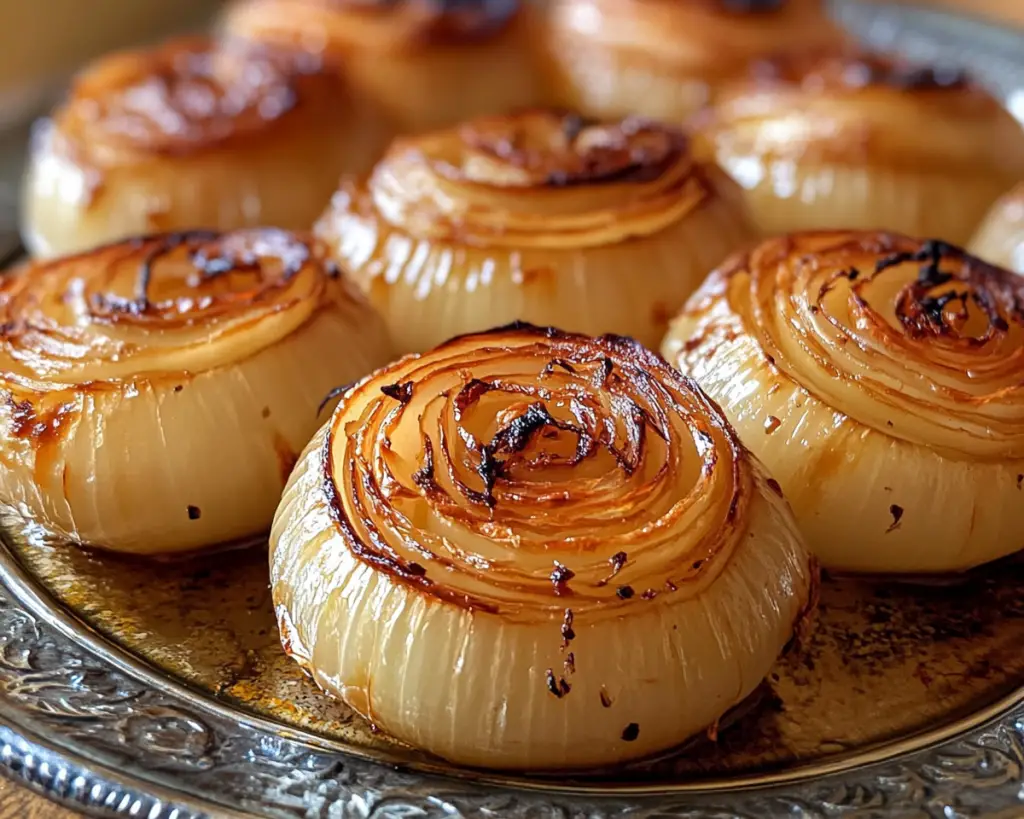
Is there anything more comforting than the aroma of *melting onions* wafting through your kitchen? This delightful side dish, popularly known as French Baked Onions, features sweet onions that are slowly roasted until they achieve a glorious melt-in-your-mouth tenderness. If you’ve ever experienced the joy of buried flavor during a meal, you’ll know exactly what I mean. Picture this: caramelized edges, an aromatic blend of herbs, and a hint of savory goodness all in one delicious, elegant package.
This recipe is a treasure trove of flavor and sophistication. Not only is it incredibly easy to prepare, but it also impresses any guest who finds it on their plate. It’s versatile enough to complement a wide range of main dishes, from grilled meats to vegetarian delicacies. What’s more, this dish can be adapted to your taste with various herbs and toppings, making it the perfect accompaniment that can transform a simple meal into a gourmet experience.
In this comprehensive guide, you will learn not only how to create these beautiful baked onions but also what makes them so special, the ingredients you’ll need, variations to try, and tips to make this dish even better.
What Are Melting Onions?
*Melting onions*, or French Baked Onions, are a culinary revelation. Originating from classic French cuisine, this dish revolves around sweet or yellow onions that are baked slowly to concentrate their natural sugars. You may also hear them called “roasted onions,” yet the long cooking time is what allows the onions to create that *melt-in-your-mouth* texture that culinary enthusiasts rave about.
The process of melting onions involves slicing the onions, seasoning them, and then letting them roast low and slow in the oven. As the onions cook, they become soft and imbibe any added flavors from herbs and broth, resulting in a rich base that can elevate various dishes. They develop a wonderful caramelization, resulting in a sweet, umami-packed experience that practically begs to be tasted.
Texture-wise, you can expect the onions to be exceptionally tender, with a slight crispiness on the outside if baked correctly. The flavor is sweet but balanced, making them an incredible side dish or garnishing ingredient. Their versatility makes them a staple in many kitchens, whether for a festive occasion or a casual weeknight meal.
Why You’ll Love This Melting Onions Recipe
This melting onions recipe is an absolute must-try for several reasons. First, the taste is simply out of this world. As the onions roast, they transform into something so much greater than their raw counterpart. That sweet, buttery flavor combined with earthy undertones makes them the perfect companion for nearly any protein dish or served on a bed of grains and greens for a vegetarian option.
Second, it’s incredibly easy to make. With a little prep time and minimal ingredients, you can create a dish that requires almost no active cooking. Just set your oven, pop the onions in, and let them do their magic. This makes it ideal for busy weeknights when you want something exquisite without the fuss – particularly for busy parents or novice cooks.
Moreover, as a budget-friendly dish, melting onions offer a sophisticated flair without breaking the bank. Onions are inexpensive, and this method makes the most of their natural sweetness, ensuring you enjoy every bite. Whether you’re meal prepping for lunch or hosting a dinner party, this dish can easily accommodate your needs, making it an all-around crowd-pleaser.
Finally, you can customize this recipe to suit your dietary preferences. Whether you’re looking for a vegan-friendly option or exploring flavors from various cuisine, the possibilities are endless.
Ingredients You’ll Need
Here’s a straightforward list of what you need to make melting onions, along with tips and substitutions for each ingredient:
– **Onions (4 medium-sized)**: You can use yellow, white, or sweet onions. Yellow onions are commonly favored for their balance of sweetness and savory flavor. If you’re aiming for a milder flavor, sweet onions like Vidalia work beautifully.
– **Olive Oil (3 tablespoons)**: This adds moisture and flavor to the dish. If you prefer a different flavor profile, you can use melted butter or avocado oil instead.
– **Salt (1 teaspoon)**: Essential for enhancing the onion’s natural sweetness. Sea salt or kosher salt works well. If on a low-sodium diet, consider using a salt substitute.
– **Black Pepper (½ teaspoon)**: Freshly ground pepper provides gentle warmth. You can omit it if you prefer a completely mild dish.
– **Herbs (fresh or dried, about 2 tablespoons)**: Thyme and rosemary pair wonderfully with roasted onions. You can also explore other herbs like parsley or oregano for a different twist.
– **Vegetable or Chicken Broth (1 cup)**: This adds depth of flavor and helps steam the onions as they cook, promoting that melting texture. Feel free to use low-sodium options or replace with water in a pinch.
– **Parmesan cheese (optional, grated, for a savory kick)**: If you’re not vegan, topping the onions with cheese adds a rich umami flavor. Nutritional yeast can be a great vegan substitute for a cheesy flavor.
Each ingredient plays a pivotal role in building the flavor of the dish, so feel free to experiment to find what best suits your taste!
How to Make Melting Onions
Now that you have your ingredients ready, let’s guide you through the process of making melting onions step-by-step:
1. **Preheat the Oven**: Begin by preheating your oven to 375°F (190°C). This temperature is low enough to allow the onions to cook slowly without burning.
2. **Prepare the Onions**: Peel the onions and gently slice off the root ends while leaving the top intact. This ensures that the onion layers remain intact during roasting. You can slice them in half or leave them whole, depending on your preference for presentation.
3. **Season the Onions**: Place the onions in a baking dish. Drizzle with olive oil, ensuring they are well-coated. Sprinkle with salt and black pepper, and use your hands to rub the seasoning into the onions for even distribution.
4. **Add Herbs and Broth**: Scatter the herbs around the onions and pour the vegetable or chicken broth into the bottom of the dish. This liquid will help create steam, which is crucial for that melting texture.
5. **Cover the Dish**: Tightly cover the baking dish with aluminum foil. This traps steam, allowing the onions to soften beautifully over the next hour.
6. **Roast the Onions**: Place the covered baking dish in the preheated oven and roast for 60 minutes. After 60 minutes, carefully remove the foil (watch out for steam!). At this point, the onions should be tender and fragrant.
7. **Add Toppings (Optional)**: If you choose to sprinkle Parmesan cheese, do it now. Return the dish to the oven uncovered and bake for an additional 15-20 minutes, or until the cheese is bubbly and golden brown.
8. **Serve**: Once done, carefully remove the dish from the oven and let it cool for a few minutes. Serve warm, garnish with additional fresh herbs if desired, and enjoy the delightful flavors of your melting onions.
Remember, the key to success lies in patience. The longer you roast the onions, the sweeter and more tender they become.
5 Variations & Substitutions
Now that you have the basic recipe down, explore these variations to suit your taste or dietary preferences:
1. **Vegan Melting Onions**: To keep it vegan, simply skip the cheese. Use vegetable broth and a splash of balsamic vinegar for an extra depth of flavor. You could also sprinkle with nutritional yeast before serving for that cheesy richness without dairy.
2. **Herb Infusions**: Change the flavor profile by using different herbs. Sage or dill can provide a unique twist to the dish. Experiment with dried herbs if fresh ones aren’t available; however, remember to use less, as dried herbs pack a stronger flavor.
3. **Spicy Melting Onions**: Add a teaspoon of red pepper flakes or sliced jalapeños in with the onions for a spicy kick. The heat contrasts wonderfully with the sweet caramelized onions for those who like a bit of spice.
4. **Bacon or Sausage Addition**: For meat lovers, consider adding chopped bacon or sausage to the dish. Simply layer them alongside the onions before roasting. The rendered fat will lend incredible flavor to your dish and enhance the savory elements.
5. **Cheesy Variations**: Experiment with different cheeses. Gouda, Gruyère, or even crumbled feta can elevate the flavor profile. However, consider the melting qualities of each cheese to achieve the desired texture and taste!
With these variations, you can make melting onions your own each time you prepare them.
Common Mistakes to Avoid
As you start cooking melting onions, here are some common pitfalls to watch out for:
– **Using High Heat**: Roasting at too high a temperature can result in burnt edges without ensuring the onions soften properly. Stick to the recommended 375°F to coax out the sugars without burning.
– **Not Covering the Dish**: Covering the onions during the first phase of cooking retains moisture. If left uncovered, the onions may dry out and not achieve that melt-in-your-mouth texture.
– **Over-seasoning**: While it’s tempting to go generous on the salt and herbs, remember that less is often more! You can always add more later, but over-seasoning can overwhelm the natural sweetness of the onions.
– **Not Checking for Doneness**: Cooking times can vary. Always check the onions for tenderness before adding any cheese or final toppings. If they aren’t soft, simply cover and continue roasting until they are.
By being mindful of these factors, you’ll be well on your way to achieving perfect melting onions every time.
Storage, Freezing & Reheating Tips
Storing melting onions is simple and allows you to enjoy them later. Here are some guidelines:
– **Storage**: Once cooled, transfer any leftovers to an airtight container. They can be stored in the refrigerator for up to 5 days. When reheating, you may want to add a splash of broth or water to prevent drying.
– **Freezing**: For long-term storage, melting onions can be frozen! Allow them to cool completely before transferring them into freezer-safe bags. They can be frozen for up to 3 months. Keep in mind that the texture may slightly change upon thawing.
– **Reheating**: To reheat, place the frozen onions in the refrigerator overnight to thaw. Then, heat them gently in a skillet over low heat, adding a bit of broth or water as necessary to maintain moisture. You may also reheat them in the oven covered with foil for about 10-15 minutes at 350°F.
Always remember to follow best practices for food safety when storing and reheating leftovers.
Frequently Asked Questions
**1. Can I use other types of onions?**
Absolutely! While yellow onions are ideal, you can substitute with white, red, or sweet onions like Vidalia. Each will provide a slightly different flavor, so feel free to experiment with personal preference.
**2. Can this dish be made ahead of time?**
Yes! You can prepare melting onions ahead of time by following the recipe up to the point before baking. Simply cover the prepared onions and refrigerate. When ready to serve, allow them to come to room temperature, then bake as directed.
**3. What dishes pair well with melting onions?**
Melting onions complement many dishes! They pair wonderfully with roasted meats, grilled vegetables, or even as a topping for risotto and polenta. They can also serve as a savory addition to salads or grain bowls.
**4. Is there a way to make this dish low-carb?**
Yes! Simply eliminate any high-carb toppings and consider serving the melting onions as a side with grilled proteins or sautéed vegetables. Focus on the flavors of the onions as the main component to satisfy cravings without the carbs.
**5. Can I add different flavors to this recipe?**
Certainly! Consider incorporating garlic, citrus zest, or a splash of balsamic vinegar into your broth for additional flavor dimensions. Just remember to balance the quantities so they complement, rather than overpower, the onions.
In conclusion, these *melting onions* are not only an utterly delicious side dish but also a versatile one that anyone can master. With a few simple ingredients and minimal effort, you’ll impress your family and friends with a dish that speaks of comfort and sophistication. I encourage you to give them a try and discover the warm, tender, and flavorful world of French Baked Onions. Adapt them, transform them, and most importantly, share them with those you love. Happy cooking!
If you’re looking to expand your culinary repertoire, [Read also: Easy Dessert Recipes for Beginners].