### Prep time: 15 minutes
### Cook time: 25 minutes
### Total time: 40 minutes
### Servings: 24 cookies
There’s something undeniably timeless about classic shortbread cookies. Their crumbly, buttery texture and rich flavor make them an instant favorite — whether enjoyed with a cup of tea, gifted in a decorative tin, or served at a spectacular holiday gathering. As a home cook and passionate baker, I believe these cookies deserve a spot in every kitchen’s repertoire, and today I’m excited to share my version of this beloved treat.
In this recipe, you’ll learn not only how to make classic shortbread cookies but also get tips on how to customize and perfect them for your tastes. From variations that incorporate spices and nuts to troubleshooting common issues that arise during baking, this guide will equip you with everything you need to know.
What Is Classic Shortbread Cookies?
Classic shortbread cookies hail from Scotland, where they have been enjoyed for centuries, often made from just three ingredients: flour, sugar, and butter. The beauty of shortbread lies in its simplicity, allowing the rich flavor of quality butter to take center stage. These cookies are known for their delightful crumbly texture that melts in your mouth, providing a melt-in-your-mouth experience without being overly sweet.
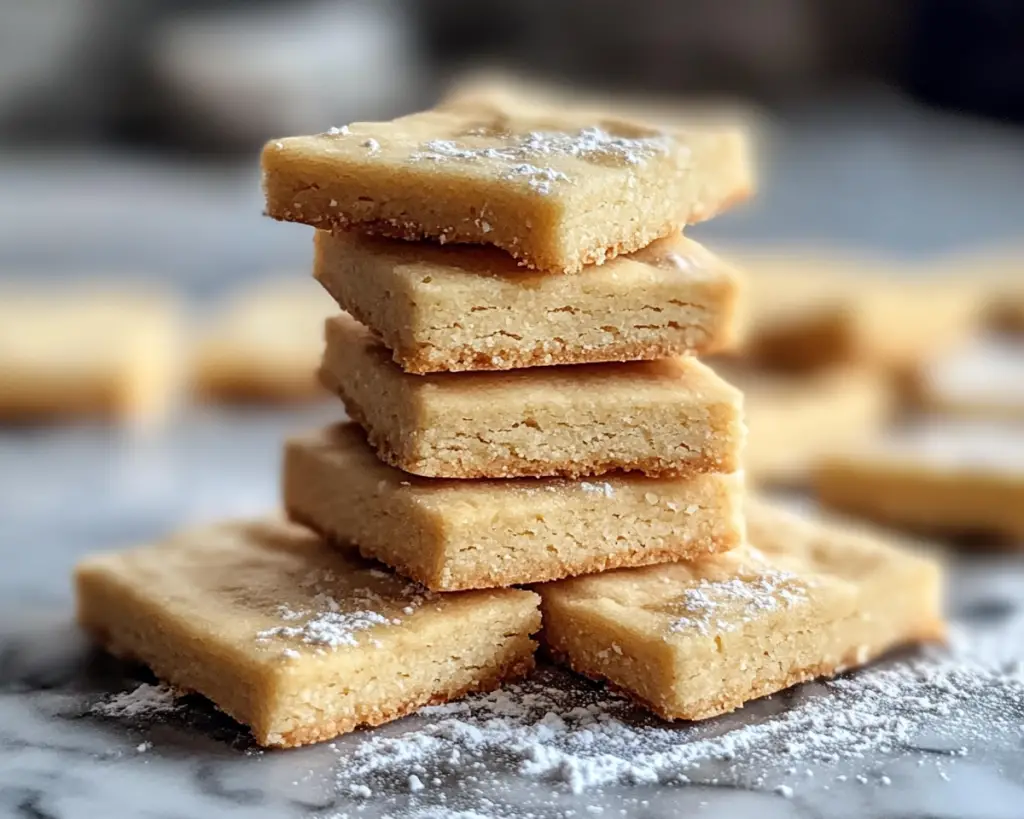
Shortbread can take many shapes and forms, from the traditional wedge to fingers or even rounds. The best shortbread is often cut thicker, resulting in a cookie that’s firm yet has a delicate crunch. When baked, they should achieve a pale golden hue, signaling that they’re perfectly baked and ready for enjoyment. Their simplicity makes them versatile; you can add flavors like vanilla, almond, or even citrus zests to brighten up their classic flavor.
Traditional Scottish shortbread is often enjoyed during holidays or special occasions, and it often comes as no surprise that it makes a perfect treat for children and adults alike. With this easy recipe, you can master the art of shortbread and create delightful batches that fill your home with an irresistible aroma.
Why You’ll Love This Classic Shortbread Cookies
Classic shortbread cookies are a beloved treat for numerous reasons. First and foremost, their taste is simply irresistible. The buttery flavor coupled with the light sweetness makes them profoundly satisfying — they strike that perfect balance, giving you the happiness of a dessert without overwhelming your palate with excess sugar.
Not only are these cookies delicious, but they are incredibly easy to prepare, making them ideal for bakers of all levels, from busy parents to novice home cooks. You only need a handful of ingredients and minimal preparation, making them perfect for a last-minute treat or a baking project with your kids.
Moreover, the cost-effectiveness of this cookie is a huge plus. With fundamental ingredients you likely already have at home — butter, sugar, and flour — shortbread is an excellent choice for those on a budget yet seeking to bake something delightful. It’s a great way to impress guests without spending a fortune.
Another reason you will appreciate these cookies is their versatility. Feel free to experiment with different mixes and flavors or present them differently. You can infuse them with herbs, dip them in chocolate, incorporate nuts or dried fruits, replace white sugar with brown sugar for a deeper flavor — the possibilities are as plentiful as your creativity allows.
Sure, there are misconceptions that shortbread is complicated to make or requires special tools, but these myths couldn’t be further from the truth. In reality, if you have a mixing bowl, a whisk, and a baking tray, you’re all set to go.
Ingredients You’ll Need
To make the perfect classic shortbread cookies, you’ll need only a few basic ingredients. Here’s a breakdown of each component and their role in the recipe:
– **Unsalted Butter (1 cup, at room temperature)**: The star of shortbread, butter contributes richness and moisture. It’s essential to use unsalted butter so you can control the salt level in your cookies. If you want to experiment, try using a high-fat European-style butter for an even richer flavor.
– **Granulated Sugar (½ cup)**: This provides the necessary sweetness while contributing to the cookies’ texture. You can substitute it with powdered sugar if you prefer slightly softer cookies, as it helps make the mixture more tender due to its fine texture.
– **All-Purpose Flour (2 cups)**: The main structure of your shortbread. It creates that signature crumbly texture. For a gluten-free version, try using a 1:1 gluten-free flour blend, but keep in mind that this might alter the taste and texture slightly.
– **Salt (¼ teaspoon)**: A pinch of salt elevates the flavors in sweet baked goods and enhances the natural flavor of the butter. You can leave it out if you’re using salted butter but might prefer keeping it for balance.
– **Vanilla Extract (1 teaspoon, optional)**: Though not a classic ingredient, vanilla extract adds a warm flavor that complements the butter beautifully. You can also experiment with almond extract or lemon zest for different flavor profiles.
To create a little variety, consider additional ingredients such as **chocolate chips, dried fruit, or finely chopped nuts**, which can elevate the traditional shortbread into something uniquely yours.
How to Make Classic Shortbread Cookies
Now, let’s dive into the baking process with this straightforward step-by-step guide:
1. **Preheat Your Oven**: Begin by preheating your oven to 325°F (163°C). This temperature ensures even baking, allowing the cookies to become perfectly golden without burning. It’s best to do this first so that your oven is hot and ready when your dough is formed.
2. **Prepare Your Baking Sheet**: Line a baking sheet with parchment paper. This will prevent the cookies from sticking and make for easier cleanup once they’re baked.
3. **Cream Butter and Sugar**: In a mixing bowl, combine the room temperature unsalted butter and granulated sugar. Using a hand mixer or a stand mixer, beat on medium speed until the mixture is light and fluffy. This should take about 2 to 3 minutes. Make sure to scrape down the sides of the bowl, ensuring even mixing. The fluffy texture you’re aiming for is essential for a tender shortbread.
4. **Add Vanilla (if using)**: Once the butter and sugar are well combined, mix in the vanilla extract. This ephemeral step infuses the mixture with delightful flavor.
5. **Incorporate the Flour and Salt**: Gradually add the all-purpose flour and salt to the butter mixture. You can use a spatula or mix at low speed until everything is just combined. Be careful not to over-mix, as this can lead to tough cookies. Your dough should be crumbly but hold together when pressed.
6. **Shape the Cookies**: At this point, you can shape your cookies. For traditional shortbread, transfer the dough to a lightly floured surface and roll it out to about ½ inch thick. Use a sharp knife or pizza cutter to cut them into fingers or wedges. Alternatively, you can roll the dough into logs, wrap in plastic wrap, refrigerate for about 30 minutes, then cut into rounds.
7. **Place on Baking Sheet**: Carefully place your cut cookies onto the prepared baking sheet, ensuring there is space between each, as they’ll expand slightly as they bake. If you’re feeling creative, you can use a fork to gently prick the tops of the cookies for that classic shortbread appearance.
8. **Bake**: Place the baking sheet in the preheated oven and bake for about 20 to 25 minutes. The edges should turn lightly golden, and the centers should remain pale. Baking times can vary based on your oven, so keep an eye on them during the last few minutes.
9. **Cool**: Once baked, remove the cookies from the oven and allow them to cool on the baking sheet for 5 minutes, then transfer them to a wire rack to cool completely. This cooling step helps them firm up, making them easier to handle.
10. **Enjoy or Store**: Once cooled, enjoy your shortbread cookies fresh or store them in an airtight container. They actually improve in flavor for a day or two after baking, making them a fantastic make-ahead treat for gatherings!
5 Variations & Substitutions
Shortbread is incredibly versatile, and you can easily customize the basic recipe to suit your taste!
1. **Chocolate-Dipped Shortbread**
– *How it changes the flavor/texture*: Dipping shortbread into melted chocolate adds a rich layer of sweetness and elegance. It creates a beautiful contrast between the buttery cookie and the luscious chocolate.
– *Who it’s for*: Chocolate lovers who enjoy a heightened flavor experience.
– *Tips for success*: Ensure your chocolate is finely chopped before melting. You can dip half the cookie or drizzle over the top for a decorative touch. Allow the chocolate to set on a parchment-lined tray.
2. **Citrus Zest**
– *How it changes the flavor/texture*: Adding lemon or orange zest brings a refreshing brightness to the cookies and elevates their flavor profile beyond classic shortbread.
– *Who it’s for*: Anyone looking for a refreshing twist on the traditional cookie.
– *Tips for success*: Use just the zest (the colorful outer rind) to avoid bitterness. Start with 1 teaspoon of zest and adjust according to your taste preference.
3. **Herbed Shortbread**
– *How it changes the flavor/texture*: Incorporating finely chopped fresh herbs (like rosemary or thyme) gives a savory twist, balancing the sweetness with earthy vibrant notes.
– *Who it’s for*: Those looking for a sophisticated and unexpected treat, perfect for cheese boards or savory snacks.
– *Tips for success*: Use about 1 tablespoon of finely minced fresh herbs. Bake for a bit longer to develop the herb flavor.
4. **Spiced Shortbread**
– *How it changes the flavor/texture*: Adding spices like cinnamon or nutmeg can warm the flavor, making these cookies ideal for autumn or winter celebrations.
– *Who it’s for*: Perfect for those who enjoy warm, spiced treats, particularly during the holiday season.
– *Tips for success*: Start with ½ teaspoon of your chosen spice and adjust based on your taste. Just be careful not to overpower the cookies.
5. **Nutty Shortbread**
– *How it changes the flavor/texture*: Finely chopped nuts like almonds, pecans, or walnuts can add a delightful crunch while enhancing the flavor with added richness.
– *Who it’s for*: Nut lovers and those looking for texture in every bite.
– *Tips for success*: Lightly toast the nuts before chopping and adding to the dough for extra flavor. Use about ½ cup of chopped nuts for the perfect balance.
Common Mistakes to Avoid
While making shortbread might seem straightforward, certain pitfalls can lead to disappointing results. Here’s what to avoid:
– **Using Cold Butter**: Starting with cold butter can lead to tough cookies since it won’t cream properly with sugar. Always use room temperature butter for the best results. This will help achieve that light and fluffy texture essential for shortbread.
– **Over-Mixing**: Once you combine the flour and butter, be mindful to stop mixing when just blended. Overmixing can develop gluten, making the cookies chewy rather than crumbly.
– **Not Chilling the Dough**: If your cookies seem too soft before baking, chilling the dough for 30 minutes will help firm it up, leading to cleaner edges and a more defined shape.
– **Baking at Too High of a Temperature**: A higher oven temperature can lead to cookies that darken before they’re fully cooked. Stick to the recommended temperature for even baking.
– **Skipping the Cooling Step**: Allowing your cookies to cool properly is crucial for maintaining structure. Skipping this step can lead to cookies that crumble apart.
Storage, Freezing & Reheating Tips
Your classic shortbread cookies can be stored and enjoyed long after being baked, making them a perfect treat for meal prep.
– **Storage**: Once cooled completely, keep your shortbread in an airtight container at room temperature. They can last for about a week — if they last that long!
– **Freezing**: If you want to prepare your cookies ahead of time, you can freeze the unbaked dough. Roll it into logs, wrap in plastic wrap, and freeze for up to 3 months. Don’t forget to label the date! When you’re ready to bake, slice the frozen dough and bake straight from the freezer, adding a couple of extra minutes to the cooking time.
– **Reheating**: While shortbread is typically best enjoyed fresh or at room temperature, if you do need to reheat them, a quick 5-second wave in the microwave will do the trick. Just be careful not to overheat, or they can become soft.
Frequently Asked Questions
**1. Can I use salted butter instead of unsalted butter?**
Yes! If you prefer to use salted butter, just omit the added salt from the recipe. This will help you control the saltiness of your cookies to achieve the best flavor balance overall.
**2. Why are my shortbread cookies too crumbly?**
If your dough is too crumbly, it could be due to too much flour or not enough moisture. You can try adding a splash of cold water or a bit more butter to the dough until it holds together better.
**3. How can I make my shortbread cookies thicker?**
To achieve thicker shortbread, simply roll out the dough to a thicker layer before cutting. Alternatively, you can create tall shapes with cookie cutters to retain a thicker structure during baking.
**4. Can I make shortbread cookies without sugar?**
While sugar is essential for flavor and texture, if you’re looking for sugar-free alternatives, consider using natural sweeteners like monk fruit or erythritol. However, this may affect the cookies’ texture, so be prepared for some experimentation.
**5. How do I make my cookies more flavorful?**
You can enhance the flavor of your shortbread cookies by incorporating flavorings like vanilla extract, almond extract, zests, or a touch of spices. Additionally, incorporating ingredients like toasted nuts or dried fruit can add delightful bursts of flavor.
In wrapping up this enticing recipe guide, it’s clear that classic shortbread cookies offer an incredible opportunity to create magic in your kitchen. Their buttery richness, delightful crunch, and versatility make them a must-try. Whether you’re looking for a comforting treat, a make-ahead dessert, or something unique to share with friends and family, shortbread is the way to go.
I encourage you to give this recipe a whirl, customize it to your liking, or simply enjoy the timeless beauty of classic shortbread as they are. Whatever path you choose, you’ll find joy in the process of creating this delightful treat that has stood the test of time. Happy baking, and don’t forget to [Read also: Easy Dessert Recipes for Beginners] for more delicious ideas!