Prep time: 10 minutes
Cook time: 15 minutes
Total time: 25 minutes
Servings: 4 servings
There’s something undeniably special about a dish that combines simplicity with explosive flavor. Imagine the bright, refreshing taste of lemons mingling with the briny goodness of capers; it’s a match made in culinary heaven! This Lemon Caper Sauce is not just a dish; it’s a delightful zesty topping that can elevate any pasta or protein you decide to pair it with. Whether you’re whipping up a quick weeknight meal or looking for a show-stopping sauce for a dinner party, this recipe will be your new go-to.
As you dive into this guide, you’ll discover how easy it is to create a sauce that tantalizes the taste buds. You’ll learn about the fantastic flavor profile, how to balance acidity with richness, and even explore a few variations that cater to dietary preferences. This dish is perfect for budding chefs and seasoned cooks alike, providing reliable outcomes with minimal fuss.
What Is Lemon Caper Sauce Recipe: Easy Homemade Zesty Pasta Topping?
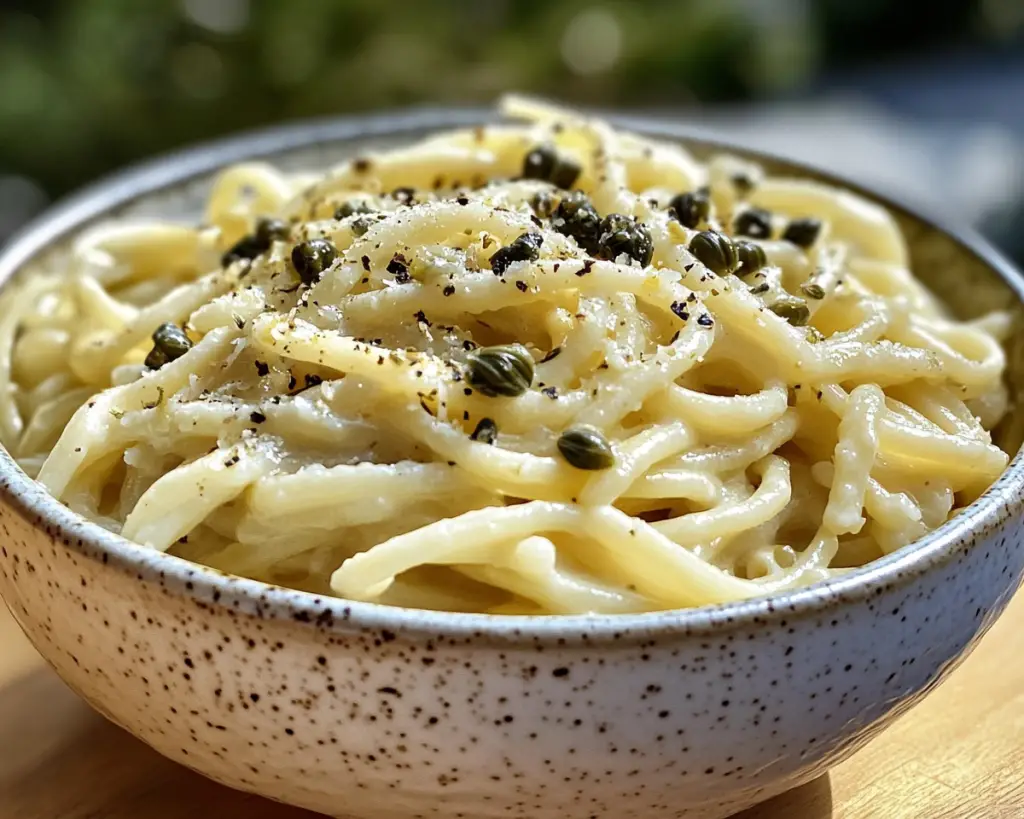
The Lemon Caper Sauce is a classic Italian-inspired topping that has roots in Mediterranean cuisine. The combination of fresh lemon juice and capers provides a delightful zing that is bright and invigorating. This sauce is an ideal way to enhance the flavor of pasta, fish, chicken, or even vegetables, effectively bringing a *kick* to any meal. Its *texture* is silky yet slightly chunky, thanks to the brined capers, adding both visual and textural intrigue.
When you taste this sauce, you’ll immediately experience the *freshness* of the lemon against the slightly salty, tart notes of the capers. The flavors meld together beautifully when sautéed with olive oil and garlic, creating a *smooth*, harmonious blend. The sauce can be made in just about 15 minutes, making it an excellent option for busy weeknights or last-minute gatherings. Cooking it fresh allows the ingredients to shine and guarantees that every dish will be infused with warmth and comfort.
Why You’ll Love This
One of the most compelling reasons to love Lemon Caper Sauce is its phenomenal *taste*. The sauce boasts a vibrant, zesty flavor that transforms even the most mundane meal into something extraordinary. It’s simple enough that after a few tries, you’ll memorize the steps and whip it out whenever you need a flavor boost. Moreover, it’s a *cost-effective solution* that relies on pantry staples, making it accessible for budget-conscious cooks.
Additionally, this sauce is versatile and *health-conscious*. Packed with fresh, wholesome ingredients, it supports a lighter meal while enhancing the flavors infinitely. It’s also a fantastic canvas to experiment with various ingredients, ensuring that it can meet any dietary requirements or personal preferences. If you’ve hesitated in the past due to concerns about anchovies or heavy creams in sauces, rest assured that this dish is light yet fulfilling.
The biggest misconception about sauce making is that it requires extensive culinary knowledge. However, this recipe dispels that assumption. The straightforward preparation and quick cooking time mean that even beginners will find success immediately. You’ll realize that making your own *sauces* can be not only rewarding but also enjoyable.
Ingredients You’ll Need
- 1/4 cup extra virgin olive oil: Provides a rich flavor base and helps carry the other ingredients. Choose high-quality oils for the best taste.
- 3 cloves garlic, minced: Adds aromatic depth to the sauce. Fresh garlic can be adjusted based on your preference.
- 1/4 cup capers: These salty, tangy nuggets are the star of the sauce, providing a pop of flavor.
- Juice from 2 large lemons: Fresh lemon juice brightens up the entire dish. Bottled juice may be used in a pinch, but fresh is best.
- Zest from 1 lemon: A wonderful addition for an extra layer of lemon flavor and aroma.
- Salt and pepper, to taste: Essential for seasoning the dish properly. Adjust based on your preferences.
- Fresh parsley, chopped (optional): Used for garnish, fresh parsley adds a burst of color and flavor.
Each ingredient plays a vital role, and swapping even one can change the outcome. For instance, if capers are not your preference, consider using green olives for a different *yet delicious* flavor. Likewise, if you want to avoid extra fat, replace the olive oil with vegetable broth, though this will alter the richness of the sauce.
How to Make
- Start by gathering all your ingredients so you can work more efficiently. Chop the garlic and parsley (if using) and zest and juice the lemons. This preparation will make the cooking process smoother.
- In a medium-sized skillet, heat the extra virgin olive oil over medium heat. Once the oil shimmers, add the minced garlic. Sauté for about 1-2 minutes until the garlic is fragrant and begins to turn golden. Be careful not to let it burn, as burnt garlic can make your sauce bitter.
- Add the capers to the skillet. Sauté them for an additional 2-3 minutes, allowing them to release their briny flavors into the oil. This technique enhances the overall taste profile of the sauce.
- Next, pour in the fresh lemon juice and add the lemon zest. Stir the mixture well and let it cook for another 2-3 minutes, allowing the sauce to reduce slightly. Taste and adjust the seasoning with salt and pepper as needed.
- If you have chopped parsley, sprinkle it in during the last minute of cooking for a fresh herbal note. Remove the skillet from heat and let the sauce rest for a moment before serving.
- Serve the sauce lavishly over your favorite pasta or grilled fish. The citrus and caper flavors will bring your dish to life. Enjoy immediately for the best experience!
This step-by-step method ensures even novice cooks can confidently create a mouth-watering sauce without much fuss. As the garlic infuses into the oil, you’ll totally transform your kitchen into a fragrant haven, evoking the essence of a Mediterranean bistro.
Variations & Substitutions
Herbed Lemon Caper Sauce: If you’re looking for a more complex flavor profile, consider adding fresh herbs. Basil, thyme, or dill can complement the brightness of the lemon beautifully. Simply chop the herbs finely and stir them in towards the end of cooking. This variation provides a fresh taste that enhances the overall aroma and visual appeal of your dish.
Spicy Lemon Caper Sauce: For those who crave a kick, adding red pepper flakes to the oil while it’s heating can infuse the sauce with just the right amount of heat. This twist is ideal for pasta lovers who enjoy a little extra *zing* in their meals. Be cautious with the amount you add—start small and adjust according to your heat tolerance.
Vegan Lemon Caper Sauce: Looking to make this dish plant-based? Simply substitute the olive oil with avocado oil or vegetable broth. Skip any animal products and you’ll still have a delicious sauce that caters to vegan diets. This version will maintain its refreshing taste while keeping it entirely healthy.
Capers and Olives Medley: If you’re a fan of different briny flavors, consider combining capers with olives. Chopped green or black olives can provide a distinctly different flavor profile and texture. This variation works particularly well for Mediterranean-inspired dishes, like pasta or grilled poultry.
Each variation offers something unique, especially when catering to specific preferences or dietary considerations. Don’t hesitate to experiment; after all, this is your creation!
Common Mistakes to Avoid
One of the most common challenges in creating Lemon Caper Sauce is overcooking the garlic. Garlic can turn bitter quickly if cooked for too long, so keeping a watchful eye is critical. Ensure your skillet is over medium heat, and along with constant stirring, this will help prevent scorching.
Another mistake is not tasting as you go. Without adjusting the seasoning, you may end up with a sauce that lacks depth. Use a spoon to sample your sauce and don’t be afraid to sprinkle in additional salt or pepper to achieve the desired balance.
Make sure you use fresh lemon juice rather than bottled lemon juice. The freshness of the lemons makes a dramatic difference in flavor and aroma, so plan ahead for a quality ingredient.
Lastly, avoid skimping on the zest. The lemon zest adds essential aromatic oils that contribute to the sauce’s overall fragrance and flavor complexity. Incorporating too little might leave you with a lackluster outcome.
Storage, Freezing & Reheating Tips
To store Lemon Caper Sauce, allow it to cool completely before transferring it to an airtight container. It can be kept in the refrigerator for up to five days. When reheating, consider adding a splash of water or vegetable broth to restore its consistency, as it may thicken when refrigerated.
If you plan to make a larger batch, freezing is an option. Store the sauce in ice cube trays, allowing individual portions for future use. This strategy helps in avoiding waste and enables you to have the sauce ready for quick meals. Defrost the desired cubes in the refrigerator the day before use or heat them directly from frozen over low heat on the stove.
Ensure that food safety guidelines are followed: do not refreeze the sauce once it has been thawed, and consume it within a few days for the best flavor and quality.
Frequently Asked Questions
Can I use dried herbs instead of fresh?
Yes, you can use dried herbs if fresh ones are unavailable. However, keep in mind that dried herbs are more concentrated, so you’ll need less. About a third of the amount should suffice, and add them early in the cooking process to allow their flavors to bloom.
Is this sauce suitable for diets like keto or paleo?
Absolutely! Lemon Caper Sauce is inherently low in carbs, making it a great choice for keto diets. The ingredients also fit well within paleo guidelines, focusing on whole, unprocessed foods.
Can I use this sauce on dishes other than pasta?
Definitely! Lemon Caper Sauce is versatile. It’s fantastic on grilled fish, chicken, or even as a drizzle over roasted vegetables. The bright flavors enhance many different types of dishes, making it highly adaptable.
How can I make this sauce gluten-free?
The ingredients used in Lemon Caper Sauce are naturally gluten-free, which means you don’t have to worry about gluten in this recipe. Just ensure that any accompanying dishes, like pasta, are also gluten-free.
What can I do if I find the sauce too salty?
If your sauce has turned out too salty, try adding more lemon juice to balance the flavor. Additionally, a touch of sugar can help to counteract the saltiness if that taste is quite pronounced.
Conclusion:
This Lemon Caper Sauce recipe stands out with its delectable blend of fresh and punchy flavors, ensuring that you can transform home-cooked meals into something extraordinary. The ease of preparation means you can create it on even the busiest weekdays, while the versatility allows you to pair it with a range of ingredients to suit any occasion. Whether you choose to stick to the classic recipe or experiment with various adaptations, I encourage you to explore the delightful culinary world that this sauce opens up.
Try out this recipe, customize it to fit your preferences or the ingredients you have on hand, and don’t forget to share your creations with friends and family. Cooking is best enjoyed together, so gather your loved ones and let this Lemon Caper Sauce add a burst of joy to your dining experience!