Prep time: 10 minutes
Cook time: 10 minutes
Total time: 20 minutes
Servings: 4
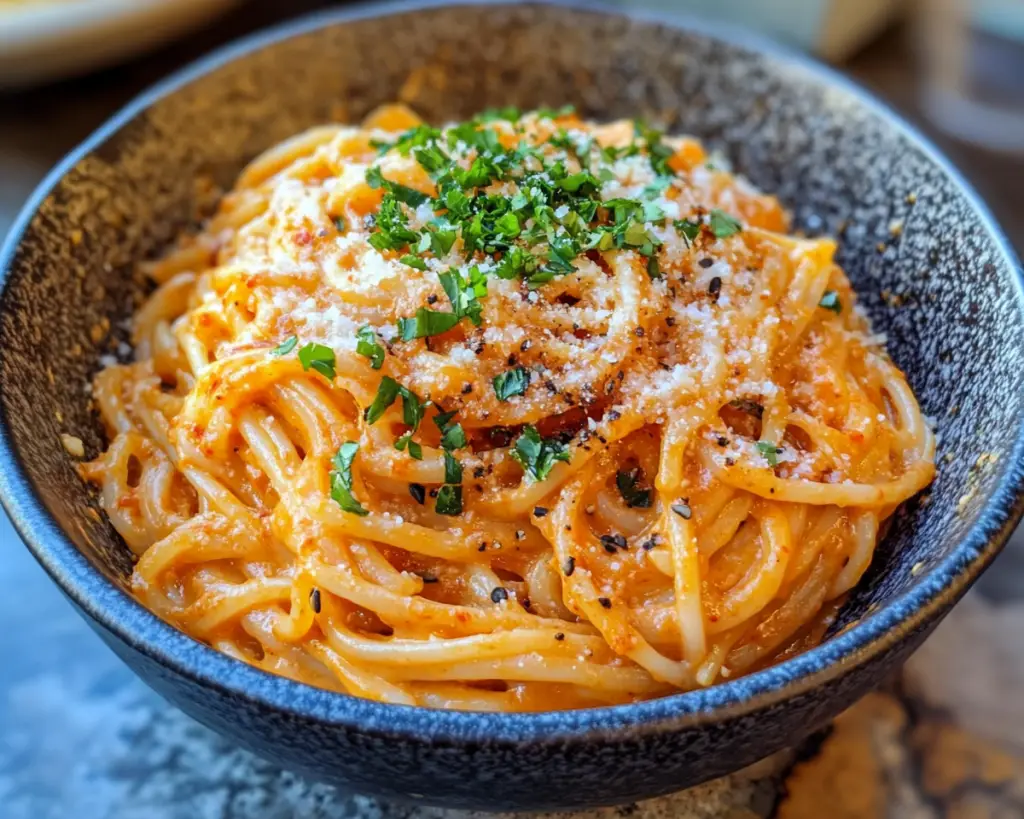
Imagine coming home after a long day, exhausted and ready to unwind. You open the fridge, not quite sure what to make, but a sudden craving for something exciting hits you. You need a dish that delivers on flavor while also being quick and easy, and that’s where **Creamy Gochujang Pasta** comes to the rescue. This delightful dish combines the comforting essence of pasta with the rich, spicy, and umami-driven notes of **gochujang**, a Korean chili paste that transforms an ordinary meal into something extraordinary. It’s creamy, it’s spicy, and it can be on your table in just 20 minutes!
This recipe is particularly special for several reasons. First, it’s incredibly versatile. Whether you’re cooking for a busy family or preparing a romantic dinner for two, **Creamy Gochujang Pasta** adapts perfectly. It is also a fantastic option for meal prep—make a larger batch and enjoy it throughout the week. In this article, you will learn not only how to create this delicious dish but also some variations and tips that can elevate it to your new favorite weeknight dinner.
What Is Creamy Gochujang Pasta – Easy Spicy Dinner in 20 Minutes?
**Creamy Gochujang Pasta** is a dynamic fusion dish that showcases the best of both Eastern and Western cuisine. Born from the culinary waves of Korea, the term **gochujang** refers to a fermented chili paste made from **red chili powder**, **glutinous rice**, **fermented soybeans**, and **salt**. Its complex flavors bring heat, depth, and sweetness that pair well with the creamy base of the pasta.
This dish is built on a foundation of tender pasta, usually spaghetti or fettuccine, enveloped in a rich sauce that is surprisingly simple to prepare. The luxurious texture comes from ingredients like heavy cream or **coconut milk**, which balances the robust flavor of **gochujang**. The contrasting textures of al dente pasta and creamy sauce create a delicious harmony on your palate, while a touch of garlic and optional vegetables add layers of flavor and nutrition. Each bite is a delightful interplay of spice, creaminess, and umami, making it not just a meal, but an experience.
Why You’ll Love This
There are numerous reasons to welcome **Creamy Gochujang Pasta** into your dinner rotation. One of the biggest benefits is its **ease** of preparation. Whether you’re an experienced home cook or just beginning to navigate your way around the kitchen, this dish can be tackled with minimal effort. The ingredients are straightforward and can be found at most grocery stores. You will find that it doesn’t require hours of prep or complicated techniques—just boil, mix, and enjoy!
Another major advantage is the incredible flavor that comes through in such a short time. Many people shy away from incorporating spices like **gochujang** into their cooking due to a fear of overwhelming heat, but here, the creaminess of the sauce helps to tone down the spice, making it approachable for everyone from kids to adults. You’ll find this plate to be cost-effective as well, as essential pantry items transform into a restaurant-worthy meal.
Furthermore, this dish is highly **versatile**; you can make it vegetarian or add protein, such as chicken, shrimp, or tofu. You can even customize it by incorporating seasonal vegetables. It’s all about adapting to your preferences, which makes it a fantastic meal option.
Ingredients You’ll Need
- Pasta: 12 ounces of spaghetti or fettuccine works well. Consider whole wheat, gluten-free, or alternative pasta types based on dietary needs.
- Gochujang: 3 tablespoons adds a rich, spicy flavor. If you prefer less spice, adjust the quantity or consider using a milder chili paste.
- Heavy Cream: 1 cup creates a luxuriously creamy texture. You can substitute coconut milk or a dairy-free cream for lighter or vegan options.
- Garlic: 3 cloves, minced. This adds aromatic depth to the sauce.
- Vegetable or Chicken Broth: 1 cup enhances the sauce’s flavor. Swap with low-sodium broth for a healthier choice.
- Vegetables: Broccoli, bell peppers, carrots—whatever you prefer! These not only add nutrition but also color and texture.
- Green Onions: Chopped, for garnish. These provide a fresh crunch to finish the dish.
- Sesame Seeds: Optional, for garnish. Toasted seeds can add a nutty flavor.
Each ingredient plays a pivotal role in developing the overall taste and texture of the dish. Selecting high-quality items will yield the best results, but you can easily adapt this list based on what you have at home or to meet particular dietary needs.
How to Make
To prepare **Creamy Gochujang Pasta**, follow the simple steps below:
- Start by cooking the pasta according to package instructions. Make sure you salt the water generously for added flavor. Upon finishing, reserve about a cup of pasta water and then drain the pasta, setting it aside to keep warm.
- In a large skillet, over medium heat, add a small drizzle of olive oil. Once the oil is shimmering, add minced garlic, stirring frequently to avoid burning, for about 1-2 minutes until fragrant but not browned.
- Next, introduce the **gochujang** by stirring it into the garlic oil mixture. Allow it to cook for another minute to meld the flavors together. You’ll notice a beautiful aroma wafting through your kitchen.
- Pour in the **heavy cream** and broth, stirring until smooth. Allow the sauce to bubble gently and thicken slightly. If using vegetables, add them to the sauce around this time so they can soften. Keep the heat moderate, as you don’t want the cream to scorch.
- Once the sauce has reached your desired consistency, incorporate the cooked pasta into the skillet. Toss everything together carefully, ensuring that each strand is well-coated with the creamy mixture. If the pasta seems dry, gradually add some reserved pasta water until you achieve your preferred creaminess.
- To finish, taste for seasoning; you can adjust salt and add additional **gochujang** if you wish for more heat. When ready, serve the pasta immediately, garnished with green onions and sesame seeds for an added touch.
The steps outlined may seem simple, but don’t underestimate the power of these techniques. Pay close attention to the sauce as it thickens, keeping a gentle boil to avoid separation.
Variations & Substitutions
Vegan Gochujang Pasta: If you’re following a vegan diet, the cream can be easily substituted with coconut cream or a plant-based heavy cream. This gives you the lush texture without dairy while still providing a delicious flavor. Add just a squeeze of lime for a delightful twist that complements the spices.
Protein-Packed Option: For those looking to amp up the protein content, consider adding grilled chicken, shrimp, or even tofu. Sauté your protein of choice separately and then add it to the sauce once it has thickened. This not only makes the dish heartier but also adds a fantastic complementary flavor and texture.
Spicy Gochujang Pasta: If you are a true spice lover, consider adding diced jalapeños or red pepper flakes along with the **gochujang** to kick things up a notch. This version is not for the faint of heart but is sure to please those who crave heat.
Seasonal Veggie Gochujang Pasta: As fruits and veggies come into season, feel free to customize your pasta dish to include whatever is fresh. Spring peas, zucchini, or even sautéed greens like kale can offer not just a different taste but also nutrition. You can switch up the vegetables depending on what you have available.
Common Mistakes to Avoid
One common mistake when making **Creamy Gochujang Pasta** is cooking the sauce at too high a temperature. This can lead to the cream separating and curdling, ruining the desired smooth texture. Always maintain a medium heat and never rush this step.
Another pitfall can occur if you don’t reserve enough pasta water before draining. This starchy water acts as a binding agent that helps the sauce adhere to the pasta, creating a cohesive dish. Always have a cup of reserved water at your disposal; you can adjust your sauce’s texture as needed.
Finally, perhaps the most crucial note is to taste as you cook. Skipping this step can lead to a bland or unbalanced dish. Be sure to adjust seasoning and spice levels incrementally, so it aligns with your palate.
Storage, Freezing & Reheating Tips
To maximize the longevity of your **Creamy Gochujang Pasta**, store any leftovers in an airtight container and refrigerate. The dish can last up to 3-4 days in the fridge. When you reheat it, use a low heat to avoid curdling the cream. Add a splash of additional broth or cream to help restore its original texture.
Should you want to freeze leftovers for future meals, you can do so, but keep in mind that the sauce may change texture upon thawing. To freeze, pour the pasta into a freezer-safe container, allowing a little room for expansion, and seal tightly. It’s best consumed within 1-2 months. Thaw in the refrigerator before reheating, and again, add a splash of cream or broth to rejuvenate the creamy consistency when warmed.
For best practices, always label your containers with the date prepared to avoid any confusion down the line.
Frequently Asked Questions
Can I make this recipe gluten-free?
Absolutely! To make **Creamy Gochujang Pasta** gluten-free, opt for gluten-free pasta varieties made from rice, chickpeas, or quinoa. These substitutes will work just as well in creating a satisfying dish without compromising on taste.
Can I use other sauces in place of gochujang?
Yes, if you’re unable to find **gochujang**, you can use other types of chili paste like **sriracha** or even a blend of red pepper flakes mixed with some miso paste for a unique flavor. Keep in mind that this may change the dish’s overall profile.
Is this dish kid-friendly? What if my kids don’t like spicy food?
This dish can be made to accommodate picky eaters. Reduce the amount of **gochujang** or substitute it with a milder chili paste. You can also add a bit more cream to tone down the spice level, making it approachable for kids.
How can I add more vegetables to this dish?
Incorporating more veggies is a fantastic idea! You can add thinly sliced bell peppers, spinach, or even zucchini to the sauce as it simmers. Adding veg not only raises the nutrition but also adds color and crunch, making the dish more appealing.
What’s the best way to reheat leftover creamy pasta?
The best approach to reheat leftover **Creamy Gochujang Pasta** is to warm it gently in a skillet over low heat. Add a splash of water or cream and stir occasionally to avoid separation. Ensure it’s perfectly heated through without losing its creamy texture.
Conclusion:
**Creamy Gochujang Pasta** brings together a symphony of flavors that not only satisfies cravings but also encourages creativity in the kitchen. It’s a dish that’s easy to prepare and marvelously adaptable to suit any dietary preferences. Whether you decide to customize it or stick to the original recipe, it’s a fantastic meal that you will want to share with family and friends. So why not give it a try tonight? You might just find that this quick and delightful recipe becomes a regular in your weeknight meal rotation. Don’t hesitate to get creative, and share your delicious results with others!