Prep time: 20 minutes
Cook time: 15 minutes
Total time: 35 minutes
Servings: 4
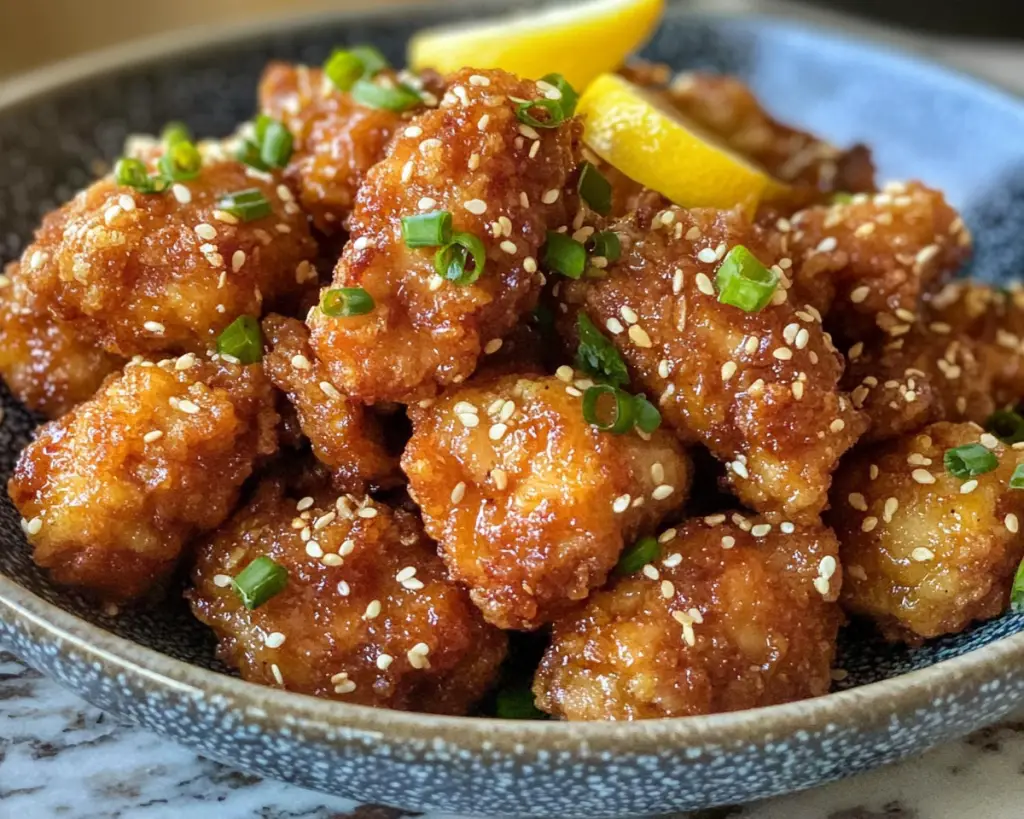
Imagine savoring the delightful crunch of perfectly fried chicken, with a juicy center bursting with flavor. This is precisely what you can expect from Easy Homemade Chicken Karaage, a cherished Japanese dish that has captured the hearts of food lovers worldwide. This recipe is not just a meal; it’s an experience that offers a hearty bite of joy wrapped in a golden crust. You’ll learn how to craft these delectable bites with simple ingredients and straightforward steps, perfect for both beginners and seasoned cooks alike.
Karaage, a cooking technique that involves marinating and frying, is beloved for its crispy texture and savory flavor. The secret lies in the marinade, which usually consists of soy sauce, ginger, and garlic, infusing each piece of chicken with a depth of flavor that is simply irresistible. Not only does this dish embody the essence of Japanese cuisine, but it also serves as a versatile recipe perfect for various occasions, whether as a main dish for dinner, an appetizer for guests, or a tasty snack for movie night.
Whether you’re a busy parent needing quick meal solutions, a beginner looking to impress, or simply someone craving a culinary adventure, this recipe is here to satisfy all your needs. You will learn the art of making crispy chicken karaage, including tips for success, possible variations, and how to store leftovers, all while avoiding common mistakes that may hinder your cooking efforts.
What Is Easy Homemade Chicken Karaage – Crunchy Japanese Chicken Bites?
Karaage roughly translates to “to fry in fat” and is a beloved part of Japanese cuisine. At its core, Easy Homemade Chicken Karaage involves marinating chicken pieces in a mixture that typically includes soy sauce, sake, and ginger. This gives it a unique flavor that distinguishes it from other fried chicken recipes. The chicken is then coated in potato starch before being deep-fried to a crispy golden brown.
The texture of karaage is a delightful contrast between the crunchy exterior and the juicy, tender meat inside. When prepared correctly, the chicken remains moist, making each bite a flavor burst. The aroma that fills your kitchen as you fry the chicken is simply intoxicating, capturing the essence of home-cooked Japanese comfort food.
While chicken is the most common protein used in karaage, the technique can also be applied to other meats or vegetables. The versatility of this dish adds to its charm, giving you the opportunity to experiment with flavors while retaining that satisfying crunch.
Why You’ll Love This
One of the key benefits of this Easy Homemade Chicken Karaage is its taste. The harmonious blend of soy sauce, garlic, and ginger creates a flavor profile that is both savory and subtly sweet, tantalizing your taste buds with every bite.
Another advantage is the ease with which this dish can be prepared. Even if you’re new to cooking, the steps are straightforward so you won’t feel overwhelmed. It’s a quick process from start to finish, making it an excellent option for busy weeknights or spontaneous gatherings.
Another appealing aspect of karaage is its cost-effectiveness. Chicken is generally an inexpensive protein source, and by preparing it at home, you save money compared to dining out. Additionally, you can control the quality of the ingredients.
While some people might think frying at home is complicated, this recipe demystifies that process. Homemade fried chicken restricts unhealthy oils and allows you to enjoy this indulgent dish with confidence.
Eager to impress your family and friends at your next gathering? This dish serves well as an appetizer or main course, and its delightful crunch makes it a crowd favorite. You can compare it to other fried chicken recipes, but its unique marinade sets it apart, delivering a flavor complexity that stands out.
Ingredients You’ll Need
- Chicken thighs: About 2 pounds, skinless and boneless. Thighs are preferred for their juiciness and flavor, but you can use chicken breasts for a leaner option.
- Soy sauce: 1/3 cup. This adds saltiness and depth. Consider using low-sodium soy sauce if you want to control your salt intake.
- Sake: 2 tablespoons. This adds a subtle, rich flavor. If unavailable, you can substitute dry white wine.
- Grated ginger: 1 tablespoon. Fresh ginger elevates the dish with a bit of spice. Ground ginger can be a substitute, but fresh is recommended.
- Garlic: 4 cloves, minced. This brings an aromatic essence that melds beautifully with the other flavors.
- Potato starch: 1 cup. This is essential for the crispy coating. Cornstarch can be used as a substitute if necessary.
- Vegetable oil: For frying. Choose an oil with a high smoke point, such as canola or peanut oil.
- Salt and pepper: To taste. Basic seasonings that enhance the overall flavor.
Each ingredient plays a vital role in the dish’s success. For instance, the chicken thighs contribute to a juicy texture, while soy sauce provides the all-important umami flavor. Grated ginger and garlic add freshness while the potato starch ensures that crispy exterior. With easy substitutions available, this recipe can be adapted according to your pantry and preferences.
How to Make
- Prep the chicken: Begin by cutting the chicken thighs into bite-sized pieces. This helps the marinade to penetrate each piece effectively. Aim for uniform sizes to ensure even cooking. Once cut, place the chicken in a bowl.
- Make the marinade: In a separate bowl, combine soy sauce, sake, grated ginger, and minced garlic. Whisk these ingredients together until well blended. Pour the marinade over the chicken, ensuring that each bite is thoroughly coated. Cover the bowl and let it marinate for at least 30 minutes in the refrigerator, though an hour would deepen the flavors further.
- Coat the chicken: After marinating, remove the chicken from the fridge. Place the potato starch in another bowl and season it with a bit of salt and pepper. Dredge each piece of chicken in the potato starch, allowing the excess to fall off. This coating is key to achieving that crispy texture.
- Heat the oil: In a deep skillet or frying pan, pour enough vegetable oil to cover the bottom by at least an inch. Heat the oil over medium-high heat until it reaches 350°F (175°C). You can test if the oil is hot enough by dropping in a small piece of potato starch; it should sizzle immediately.
- Fry the chicken: Carefully lower a few pieces of chicken into the hot oil, making sure not to overcrowd the pan. Fry the chicken for about 5-7 minutes or until golden brown and crisp. Turn the pieces occasionally to ensure even cooking. Use a slotted spoon to remove them and place them on a plate lined with paper towels to absorb excess oil.
- Repeat: Continue frying the remaining chicken in batches until it’s all cooked. Avoid lowering the oil temperature too much; you may need to adjust the heat between batches to keep it at a steady temperature.
- Serve: Once all the chicken has been fried and rested, plate your karaage, garnishing with lemon wedges or fresh herbs if desired. Serve it hot for the best experience, along with a side of dipping sauce like mayonnaise or tonkatsu sauce for added flavor.
Cooking karaage at home can be a joyful experience, especially when you see the transformation from simple ingredients to spectacular bites. Make sure you keep an eye on the oil temperature during frying; this will affect the outcome significantly.
Variations & Substitutions
Vegetable Karaage: If you’re looking for a vegetarian alternative, try using firm tofu or a mix of vegetables like cauliflower or sweet potatoes. The process remains mostly the same. Marinate the vegetables and coat them in potato starch before frying. The flavor will change to be lighter, allowing the natural sweetness of the vegetables to shine through, making it great for vegetarians or those wanting a healthier option.
Paleo Karaage: For a health-conscious twist, you can easily adapt the ingredients. Replace the soy sauce with coconut aminos to keep it paleo-friendly. Additionally, substitute the potato starch with almond flour for a nutty flavor that still offers crunch. This variation retains the essence of the dish while accommodating certain dietary needs.
Spicy Karaage: If a little heat ignites your taste buds, consider adding chili flakes or sriracha into the marinade. This addition brings a fiery kick that complements the savoriness of the chicken beautifully. It’s perfect for those who love their dishes with a bit of spice!
Sweet and Sour Karaage: For a different flavor twist, integrate a touch of honey or maple syrup into your marinade. This will introduce an interesting contrast between sweet and savory, offering a palatable experience for those who enjoy a sweet profile in their savory dishes.
By incorporating these variations, you not only customize the dish to your liking but also keep your meals exciting and fresh. Each time you prepare chicken karaage, you can explore different flavors and textures, ensuring you never get bored.
Common Mistakes to Avoid
One of the most common mistakes when making karaage is marinating the chicken for too short a time. The flavors won’t fully penetrate, leaving you with less flavorful bites. Aim for at least 30 minutes; longer if possible.
Another mistake is overcrowding the frying pan, which can lead to uneven cooking and soggy chicken. Always fry in batches while keeping the oil temperature consistent. If the temperature drops, the chicken absorbs too much oil, ruining its crispy coating.
Lastly, using the wrong type of starch can yield disappointing results. Potato starch is ideal for that light, crispy texture. If you opt for all-purpose flour, the results won’t be as satisfying.
Taking heed of these points will ensure your chicken karaage comes out perfectly crispy and flavorful every time.
Storage, Freezing & Reheating Tips
If you have leftovers, store them in an airtight container in the refrigerator for up to 3 days. To retain their crispiness, reheat the chicken in the oven or an air fryer rather than a microwave, which can make them soggy. Preheat your oven to 350°F (175°C) and place the chicken on a baking sheet for about 10-15 minutes until heated through.
For longer storage, you can freeze the fried chicken. Lay the chicken pieces in a single layer on a baking sheet and freeze until solid before transferring them to a freezer bag. This way, they’ll keep their shape and texture. When ready to eat, thaw in the refrigerator overnight and reheat as described above.
Be mindful of food safety practices. Always make sure to use cool, dry utensils when handling your chicken and ensure cooked chicken is cooled before refrigeration or freezing to prevent bacterial growth.
Frequently Asked Questions
Can I use chicken breasts instead of thighs?
Absolutely! While chicken thighs are preferred for their juiciness, chicken breasts can work well too. Keep in mind that the breasts may dry out faster, so be cautious with the cooking time.
What can I serve with chicken karaage?
Karaage pairs beautifully with steamed rice, salads, or even a side of pickled vegetables to balance the richness. For a unique touch, try serving it with a citrusy dipping sauce for added flavor.
How do I know when the chicken is fully cooked?
For perfectly cooked chicken, ensure it reaches an internal temperature of 165°F (75°C). If you don’t have a meat thermometer, ensure the chicken is golden brown and juices run clear when cut.
Can I make this recipe gluten-free?
Yes! You can use gluten-free soy sauce or coconut aminos for a gluten-free alternative. Additionally, ensure that any other components are gluten-free as well.
Is it possible to prepare the chicken in advance?
Certainly! You can marinate the chicken the night before. Just ensure you store it properly in the fridge until you’re ready to fry. This extra marination time will deepen the flavor!
Conclusion:
Easy Homemade Chicken Karaage serves as a testament to how a few simple ingredients can create an extraordinary dish. Its delightful crunch, juicy interior, and multifaceted flavor make it a winning recipe for any occasion. I encourage you to try this recipe, customize it to your liking, and share it with friends and family. Your culinary adventure awaits, and I assure you that once you master this favorite, you will crave it time and again! Enjoy the joy of cooking and the delight of good food!