Prep time: 20 minutes
Cook time: 50 minutes
Total time: 1 hour 10 minutes
Servings: 6
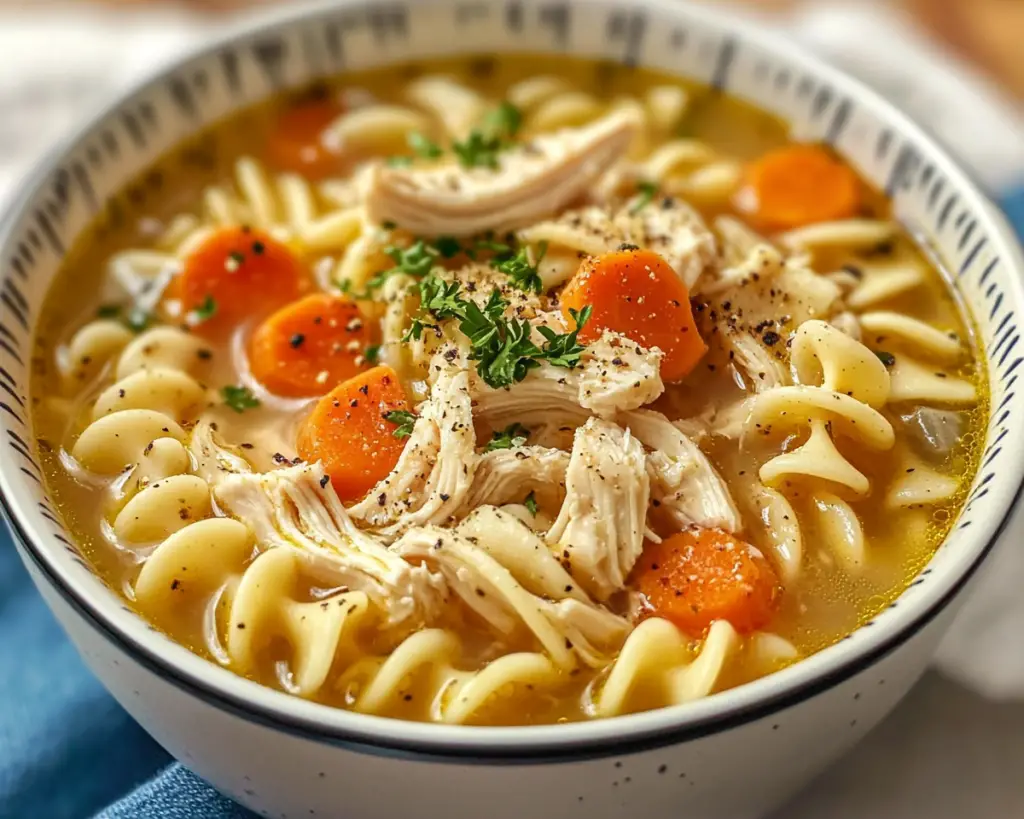
When it comes to comfort food, few dishes are as satisfying as a warm, steaming bowl of chicken noodle soup. The kind that wraps you in warmth, like a cozy blanket on a chilly evening, and that brings back memories of being cared for when you were under the weather. This recipe for Classic Chicken Noodle Soup isn’t just about filling your belly; it’s about bringing people together in a joyful experience, where flavor meets nostalgia in every spoonful. You’ll learn how to conjure a delightful broth, tender chicken, and hearty noodles, while also getting tips on variations and cooking methods you can adapt to suit your taste.
What sets this particular soup apart is not just the savor of home-cooked flavor but the balance of ingredients that come together beautifully. The golden broth kissed by aromatic herbs, the quality of the chicken, and the comforting texture of the noodles are why this dish is a perennial favorite. Whether you are cooking for busy parents, beginners in the kitchen, or even for meal prep purposes, this recipe shines across the board.
What Is What Makes This Classic Chicken Noodle Soup So Comforting?
Classic Chicken Noodle Soup is a nourishing dish that has been around for generations, often considered a staple in households across many cultures. The combination of tender, shredded chicken, hearty noodles, and an aromatic broth creates a delightful texture and flavor profile that is both rich and soothing. It’s as if each ingredient knows its role, working harmoniously to provide an unforgettable experience.
The origins of chicken soup can be traced back to ancient traditions, where it was utilized not only as a meal but also as a remedy for colds and flu. The broth serves as the heart of this dish, absorbing those warm thoughts and storytelling that only home-cooked meals can impart. When you stir in your ingredients, the aroma fills your kitchen, evoking warmth and comfort, making it impossible not to feel a sense of nostalgia. The gentle simmering leads to an enchanting dance of flavors that delights your taste buds, reminding you of simpler times spent with loved ones.
This comforting dish brings a symphony of flavors and textures to the table. You encounter the savory notes of garlic and onion, complemented by the brightness of vegetables like carrots and celery. The noodles provide a satisfying bite, creating a deliciously complete experience, while chunks of tender chicken lend a protein punch that makes this soup so fulfilling. Each bowl becomes a personal memory, a traveler to moments spent around family tables.
Why You’ll Love This
Chicken noodle soup is a recipe that checks all the boxes when it comes to what a meal should be: indulgent yet healthy, simple yet soul-satisfying. The blend of fresh vegetables, lean protein, and hearty noodles offers an excellent nutrient profile, ensuring it’s not only delicious but also nourishing. Chicken noodle soup can be a quick solution for busy weeknights or a complicated feast for a Sunday gathering, making it an incredibly versatile option.
Many people have misconceptions that chicken soup is just for sick days or cold weather, but in reality, it’s suitable year-round. The ease of preparation, coupled with the cost-effectiveness of its ingredients, makes it an ideal dish for home cooks working within tight budgets. You can typically find all the necessary ingredients at your local grocery store, making it an accessible choice for anyone eager to whip up something wholesome.
Moreover, its adaptability allows it to transition from traditional versions to more modern twists, like gluten-free or low-carb options. You’ll find it easy to make this dish your own, whether you’re adding different spices or swapping out standard noodles for alternatives like zoodles or quinoa. This soup is not just a meal; it is a canvas for creativity in the kitchen, allowing anyone to explore and express their culinary skills.
Ingredients You’ll Need
- Bone-in, skin-on chicken thighs or breasts: These cuts provide rich flavor and moisture, creating a tasty broth. For a lighter version, you can use skinless chicken.
- Carrots: They add sweetness and color, and can be swapped for parsnips for a different earthy flavor.
- Celery: A must-have for the aromatic base of the soup, providing crunch and depth. Alternatives include bell peppers for a sweeter touch.
- Onion: This is essential for flavor; consider yellow onions or shallots for a milder taste.
- Garlic: Often regarded as a flavor booster, fresh garlic adds a punch. You can use garlic powder if necessary.
- Chicken broth: The base of your soup; homemade broth is preferable, but store-bought works just fine. Look for low-sodium versions to control salt levels.
- Egg noodles: These traditional noodles are chewy and absorb the broth. Alternatively, you can use whole wheat or gluten-free noodles.
- Fresh herbs (thyme, parsley): They elevate the flavor profile. If unavailable, dried herbs can suffice, but adjust the amounts accordingly.
- Salt and pepper: Essential seasonings that build flavor; don’t be shy about tasting and adjusting throughout cooking.
How to Make
- Start by preparing your ingredients. Dice the onion and celery, slice the carrots, and mince the garlic. Having everything ready to go will streamline the cooking process and help maintain a good flow in the kitchen.
- In a large pot, add about a tablespoon of neutral oil, like canola or olive oil, over medium heat. Once hot, place the skin-on chicken, cooking for about 5-7 minutes on each side until golden brown. This step is crucial as it adds texture and flavor to the broth.
- Next, remove the chicken and set it aside. In the same pot, add the diced onion, garlic, celery, and carrots. Sauté for around 5 minutes, or until the vegetables are softened and aromatic, stirring occasionally. This will build the base for your rich broth.
- Add the chicken broth to the pot and bring it to a gentle boil. Return the chicken to the pot, ensuring it is submerged in the liquid. You may add fresh herbs like thyme at this stage. Cover and reduce to a simmer, cooking for 30 minutes to allow the chicken to become tender and the flavors to meld.
- Once the chicken is cooked, carefully remove it from the pot and shred it using two forks. Return the shredded chicken back into the pot along with the egg noodles. Cook for another 10-15 minutes until the noodles are al dente. Make sure to stir occasionally to prevent sticking.
- Once the noodles are cooked, add salt and pepper to taste. Feel free to add more herbs at this point for extra flavor. Serve immediately while hot, preferably with a sprinkle of fresh parsley on top for added freshness.
Variations & Substitutions
Vegetable-Loaded Chicken Noodle Soup: For those trying to increase their vegetable intake, this variation is perfect. Simply add an array of vegetables such as green beans, peas, or spinach during the final stages of cooking. These not only enhance the nutritional value but also contribute bright colors and flavors, ensuring that every spoonful feels fresh and vibrant. This version is ideal for families that need to encourage eating more greens without compromising the taste of the classic soup.
Creamy Chicken Noodle Soup: If you are looking for something decadent, consider turning your classic soup into a creamy delight. After you’ve cooked the noodles, stir in a cup of heavy cream or a non-dairy substitute like coconut milk. This will add a luxurious texture that transforms the comforting soup into a rich and hearty meal. Perfect for special dinners or when you want to spoil yourself a little!
Low-Carb Chicken Noodle Soup: For anyone maintaining a low-carb diet, you can replace traditional noodles with vegetable noodles made from zucchini or spaghetti squash. This adaptation still provides the warmth and satisfaction of the classic soup while keeping carb counts low. Make sure to lightly sauté the veggie noodles before adding them to the broth to maintain their structure.
Spicy Chicken Noodle Soup: If you enjoy an extra kick, consider adding some red pepper flakes or Sriracha sauce while cooking the broth. This variation gives the classic dish a spicy twist, enhancing its layers of flavor. The heat juxtaposes wonderfully with the sweetness of the carrots and the savoriness of the chicken. This is perfect for those chilly nights when you want a little warmth beyond what the soup provides.
Common Mistakes to Avoid
One of the biggest pitfalls in making chicken noodle soup is overcooking the chicken. Overcooked chicken can become dry and lose its flavor, defeating the purpose of creating tender, flavorful meat. To avoid this, monitor the cooking times closely and remove the chicken when it’s still slightly undercooked, as it will finish cooking once shredded and added back into the broth.
Another common mistake is neglecting to season at every stage of cooking. Basic seasoning, especially with salt, is essential for maximizing flavor. Low-sodium broth can leave the soup tasting flat, so it’s important to taste and adjust as you go. Don’t wait until the end to salt your soup; adding it gradually while sautéing the vegetables enhances the overall dish.
Using too many noodles or not cooking them adequately can also lead to gummy or mushy soup. The noodles should be added towards the end of cooking to avoid absorbing too much broth. Keeping a close eye on them as they cook ensures that they retain a delightful texture and don’t disrupt the overall balance of the dish.
Lastly, make sure to incorporate fresh herbs at the right time. Adding dried herbs too early may cause their flavors to lose potency, while fresh herbs should ideally be added just before serving for maximum fragrance and freshness. A simple shake of dried herbs in the beginning, paired with a sprinkle of fresh herbs at the end, creates a beautiful contrast in flavor.
Storage, Freezing & Reheating Tips
For optimal flavor and texture, store any leftover chicken noodle soup in an airtight container in the refrigerator. It will remain fresh for up to three days. Be sure to let the soup cool completely before placing it in the fridge to prevent excess moisture buildup. If you plan to make a big batch, freezing is a good option too.
Freezing: When freezing chicken noodle soup, you should consider omitting the noodles initially. They tend to become mushy upon reheating, ruining the soup’s texture. Instead, freeze the broth and chicken separately from the noodles. When you’re ready to enjoy your soup, just boil some fresh noodles and add them to the thawed broth for the best experience.
When reheating, do so gradually; use a medium heat on the stovetop or a microwave at lower settings, stirring occasionally. If you find that the soup has thickened too much while in the fridge or freezer, feel free to add a little extra broth or water when reheating. This restores the consistency and prevents it from becoming too concentrated.
Food safety is crucial; always check for signs of spoilage, such as unusual odor or changes in color. If in doubt, throw it out. Keeping these storage, freezing, and reheating tips in mind will help you extend the life of your homemade soup and provide warm, comforting meals on future busy nights.
Frequently Asked Questions
Can I use rotisserie chicken for this recipe? Yes, using rotisserie chicken is a fantastic shortcut if you’re short on time. Simply shred the chicken from the rotisserie and add it in towards the end of the cooking process, allowing it to reheat in the broth. This provides the same flavor with much less prep work, making it ideal for weeknight dinners.
Is it okay to make chicken noodle soup in a slow cooker? Absolutely! This recipe can be adapted for a slow cooker with ease. Simply sauté the vegetables before adding them to the slow cooker with the chicken and broth. Cook on low for 6-7 hours or high for 3-4 hours, and add noodles during the last hour of cooking. This method allows the flavors to meld beautifully while you go about your day.
Can I use frozen vegetables instead of fresh? Yes, frozen vegetables can be used and are a great alternative. They hold onto their nutrients well and can save you preparation time. Just keep in mind to add them later in the cooking process, as they only need a few minutes to become tender before serving.
How can I make this soup ahead of time? You can prepare the soup components ahead of time by chopping your vegetables and cooking & shredding your chicken, storing them separately in the fridge. When ready to serve, simmer the broth, add the veggies, and noodles, and you’ll have a fresh meal in no time.
Can I adjust the seasoning if I’m watching my sodium intake? Yes, you can easily adjust the seasoning to suit your dietary needs. Opt for low-sodium broth and control the salt by only adding it at the end according to your taste. Fresh herbs can enhance flavor without adding sodium, making it easier to keep the dish enjoyable while considering health.
Conclusion:
This Classic Chicken Noodle Soup brings warmth and comfort to any table. From its rich history to modern adaptations, it’s a flexible dish that welcomes customization and creativity. As you gather ingredients and memories to create this soup, I encourage you to try your own variations or adaptations that reflect your personal taste and dietary preferences. Whether for family gatherings or quiet evenings at home, this recipe is here to inspire love and warmth. Make it your own, and share it with those who matter. You won’t regret it!