Prep time: 20 minutes
Cook time: 30 minutes
Total time: 50 minutes
Servings: 4
When was the last time that you treated yourself to a delicious meal from your favorite takeout restaurant? Did you ever find yourself craving that delightful burst of sweetness and tanginess you experience when biting into a piece of chicken coated in luscious orange sauce? If yes, then it’s high time you try making your very own version of orange chicken at home. Not only is it healthier and more satisfying, but it also allows you to customize the flavors to fit your preferences. You can whip this up even on a busy weeknight, turning your kitchen into a culinary haven.
This recipe for orange chicken will not only satiate your taste buds but also become your go-to choice for an easy yet impressive meal. You’ll discover how to achieve that perfect, crispy exterior, complemented by an orange sauce that sings with flavor. Whether you are an experienced cook or a busy parent trying to make a quick meal for your family, this dish offers unparalleled ease and deliciousness. Dive in, and I’ll also share tips, variations, and cooking advice to ensure your orange chicken turns out better than takeout!
What Is Can You Make Orange Chicken That Tastes Better Than Takeout?
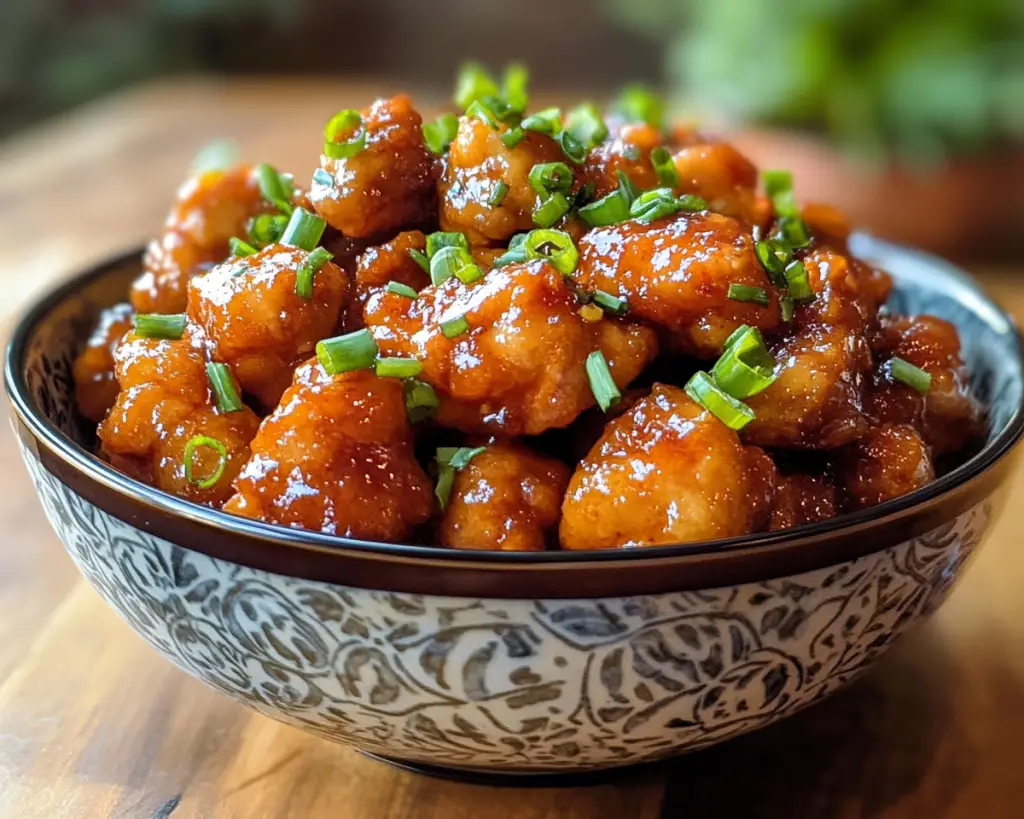
Orange chicken is a beloved Chinese-American dish that has taken its place on menus across the globe. Traditionally, it features pieces of chicken that are battered and fried until golden brown, then tossed in a sticky-sweet sauce made from fresh orange juice, soy sauce, and sugar. The marriage of the crispy chicken and the luscious sauce creates a delightful texture and an explosion of flavors in every bite.
The origins of orange chicken can be traced back to Hunan cuisine, where the sweetness of the orange plays a crucial role in balancing the heat of chilis. In the American adaptation, chefs have embraced the sweetness, making the dish a contrast of flavors between the savory chicken and the zing of citrus. When you make it at home, you have the power to control the sweetness and the spice level, making it as indulgent or as light as you desire.
The first bite of homemade orange chicken will take you on a culinary adventure. The crisp surface gives way to juicy chicken underneath, while the sauce envelops your senses, offering both a comforting and refreshing experience. It’s a dish that evokes memories of happy times, whether it’s a family gathering or a solo night munching on something special.
Why You’ll Love This
This homemade orange chicken offers several enticing benefits. First and foremost, the taste is unrivaled. Homemade allows you to tailor the ingredients, enhancing the flavor profile to suit your palate. You can opt for fresh oranges, minimizing the artificial flavors often found in takeout versions. This dish is also health-conscious; by using less oil and controlling the sugar content, you can make a meal that aligns better with your dietary preferences.
Another reason you will appreciate this recipe is due to its simplicity and ease of preparation. Even if you are a novice in the kitchen, this step-by-step guide will lead you through each process. In no time, you’ll have a gorgeous platter that looks and tastes like you’ve spent hours crafting.
Moreover, this dish is versatile. It can be served over rice, tossed with vegetables, or even added to salads for a unique twist. Common misconceptions about orange chicken often include that it’s too complicated or that it takes too long to prepare. With this recipe, you can confidently overcome those hurdles. The joy of making a delicious meal at home while saving money makes it even more appealing.
Ingredients You’ll Need
- 1 lb boneless, skinless chicken thighs: These provide a tender texture and rich flavor, making them perfect for frying. You can substitute with chicken breasts if you prefer a leaner cut.
- 1 cup all-purpose flour: This will be used for dredging, creating that crispy coating. For a gluten-free option, substitute with almond flour or a gluten-free flour blend.
- 1 cup cornstarch: This is essential for achieving an ultra-crispy texture. Feel free to use potato starch as an alternative.
- 1 tsp baking powder: It helps to lighten the batter, making it crispier.
- 1/2 cup orange juice: Freshly squeezed is best for the most vibrant flavor. For a twist, you can use lemon juice for a different citrus profile.
- 1/4 cup soy sauce: This adds depth and umami; for a gluten-free version, use tamari.
- 1/2 cup sugar: Balance the acidity of the orange juice; feel free to substitute with honey or maple syrup for a healthier option.
- 1 tbsp rice vinegar: It adds a bit of acidity to enhance the sauce. You can also use white vinegar.
- 1 tsp garlic, minced: This adds aromatic flavor to the sauce, elevating the dish. You can try shallots for a milder option.
- 1 tsp ginger, grated: This will impart warmth and freshness; alternatively, ground ginger works in a pinch.
- Green onions: For garnish, providing a fresh and crisp finish.
- Vegetable oil: For frying; canola or peanut oil works well due to their high smoke points.
How to Make
- Start by cutting the chicken thighs into bite-sized pieces. This makes them easier to handle both for cooking and eating. If you’re using chicken breasts, be mindful to keep the pieces uniform so they cook evenly. Pat the chicken dry with paper towels to ensure a good sear when frying.
- In a mixing bowl, combine the all-purpose flour, cornstarch, baking powder, and a pinch of salt. Mixing these dry ingredients well ensures an even coating on each piece of chicken. It’s very important because a great coating will yield an optimal crunch.
- In a separate bowl, prepare the frying batter by whisking together the orange juice, soy sauce, ginger, and garlic. Make sure the ingredients are well mixed, as this will be the flavor cornerstone of the dish. Dip each piece of chicken into this mixture, allowing any excess to drip off before dredging them in the flour and cornstarch mixture.
- Heat about 2 inches of vegetable oil in a deep pan over medium-high heat. To know if the oil is hot enough, use a thermometer to check that it reaches about 350°F (175°C), or drop a small amount of batter into the oil—if it bubbles and rises, it’s ready. Fry the chicken in small batches to avoid overcrowding; each piece should be separated to ensure they cook evenly.
- Fry the chicken pieces for approximately 5-7 minutes, or until golden brown and crispy. Monitor the temperature of the oil and adjust the heat as necessary to maintain a consistent frying temperature. Use a slotted spoon to remove the chicken from the oil, letting any excess oil drain back into the pan.
- Once all the chicken is fried, it’s time to make the sauce. In a medium saucepan, combine the sugar, orange juice, soy sauce, rice vinegar, and any remaining minced garlic and ginger. Bring this mixture to a gentle boil over medium heat, stirring to dissolve the sugarfully.
- Allow the sauce to simmer for about 5-10 minutes until it thickens slightly. For a thicker consistency, you can mix 1 tablespoon of cornstarch with 2 tablespoons of cold water and add it to the simmering sauce. Stir until the sauce is glossy and coats the back of a spoon.
- Add the fried chicken pieces to the sauce, tossing them gently to ensure each piece is well coated. Cook for an additional 2-3 minutes on low heat, letting the chicken absorb the flavors of the sauce. This step enhances the overall taste, making every bite more indulgent and flavorful.
- Finally, plate your homemade orange chicken and garnish with chopped green onions for a fresh touch. Consider serving it alongside jasmine rice or steamed broccoli for a complete meal. Enjoy the wonderful aroma and the satisfying crunch of this satisfying dish!
Variations & Substitutions
Healthier Orange Chicken
If you’re looking to lighten up this dish, you can bake the chicken instead of frying it. After coating the chicken pieces in the batter, place them on a parchment-lined baking sheet and spray them lightly with cooking oil. Bake at 400°F (200°C) for about 20 minutes, or until they are cooked through and crispy. This variation significantly reduces the oil content, making it a healthier option while still delivering delightful flavors.
Spicy Orange Chicken
For those who prefer a little heat, consider adding some crushed red pepper flakes or Sriracha to the sauce. Start with a small amount and adjust according to your heat preferences. This adaptation enhances the flavor complexity and makes the dish more exciting for those who enjoy a spicy kick. Pair it with sweet and cool sides, like cucumber salad, to balance the heat.
Vegetarian Orange Chicken
You can easily transform this dish into a vegetarian option using tofu or tempeh. Marinate the tofu in the sauce for at least half an hour to infuse it with flavor. Make sure to press the tofu beforehand to remove excess moisture, allowing it to absorb the sauce better while enhancing its overall crispiness. This offers the same satisfying crunch while keeping the dish entirely plant-based.
Orange Chicken with Vegetables
For a heartier meal, consider adding vegetables such as bell peppers, broccoli, or snap peas to the pan while tossing the chicken in the sauce. This variation not only adds nutritional benefits but also brings color and texture to the dish. Cooking the vegetables until they’re just tender-crisp retains their vibrant colors, making for a visually appealing and nutritious meal.
Common Mistakes to Avoid
One common mistake people make when frying chicken is overcrowding the pan. This causes the temperature of the oil to drop, leading to soggy, greasy chicken rather than that desired crispiness. It’s essential to fry the chicken in small batches, allowing room for each piece to cook evenly. Additionally, don’t skip the step of patting the chicken dry; excess moisture can also lead to a less crispy result.
Another issue arises with the sauce. If your sauce doesn’t thicken properly, it could be due to not dissolving the sugar thoroughly before adding the cornstarch mix. Make sure to continuously stir while bringing the sauce to a simmer, and don’t hesitate to adjust the cornstarch and water ratio to achieve the desired consistency. Using too little sugar may leave the sauce tasting more acidic, so always taste and adjust as needed.
Finally, be cautious about cooking the chicken at too high a temperature. While it may be tempting to crank up the heat for a quicker cook, doing so could burn the coating before cooking the chicken all the way through. Maintaining a steady medium-high temperature allows for even cooking and ensures your chicken remains moist throughout.
Storage, Freezing & Reheating Tips
After enjoying your delicious homemade orange chicken, you might be left with some leftovers. Proper storage will allow you to enjoy them later without losing quality. Store cooled orange chicken in an airtight container, keeping it in the refrigerator for up to 3-4 days. Allowing it to cool before sealing will prevent condensation from forming, which can make the chicken soggy.
If you wish to keep it longer, you can freeze the chicken. Wrap each piece tightly in plastic wrap and then place them in a freezer-safe container or bag. When properly stored, your orange chicken can last for up to 3 months in the freezer. To reheat, thaw the chicken in the refrigerator overnight before reheating it in a skillet over medium heat, adding a splash of water or more sauce to help restore moisture.
When reheating, opt for the stove rather than the microwave where possible. Microwaving may result in rubbery chicken. Gently heat it through while stirring frequently, to restore its texture. When you’re ready to enjoy the leftovers, they’ll taste almost as good as the first day!
Frequently Asked Questions
Can I use frozen chicken for this recipe?
Using frozen chicken is manageable, but it requires extra steps. First, ensure that it’s fully thawed in the refrigerator or by using the microwave, but never cook it while still frozen. Cooking frozen chicken directly can result in uneven cooking, and the outside may be overdone by the time the inside is cooked properly. Always prioritize freshness for optimal flavor and texture.
Why is my sauce too thick or too thin?
A too-thick sauce can occur if too much cornstarch is added, or if it’s simmered too long without enough liquid. If this happens, simply add a little more orange juice or water to thin it out until the desired consistency is achieved. For a thin sauce, increase heat slightly to let it simmer more, or mix cornstarch with a bit of cold water and add it to the sizzling sauce, stirring until it thickens to your liking.
Can I make orange chicken ahead of time?
Yes, you can prepare the chicken and sauce ahead of time. Fry the chicken and store it separately from the sauce in airtight containers. When ready to enjoy, simply reheat and toss them together. It’s a convenient way to minimize preparation on busy days while still offering a homemade, fresh meal.
What should I serve with orange chicken?
This dish pairs beautifully with steamed jasmine rice or fried rice, which absorbs the sauce wonderfully. You might also consider serving it alongside sautéed vegetables for a nutritious balance. For a fun twist, try it in a wrap with fresh vegetables or in a salad for added flavors and textures.
How do I know when my chicken is fully cooked?
The best way to check if your chicken is fully cooked is by using a meat thermometer. The internal temperature should reach 165°F (75°C). This ensures it’s safe to eat while keeping it juicy and tender. Alternately, cut into a piece to check that the meat is no longer pink and juices run clear.
Conclusion:
This homemade orange chicken recipe not only satisfies your cravings but also empowers you to take charge of your meals in a delightful way. Whether you enjoy it on a quiet night in or share it with family, this dish promises to impress and nourish. I encourage you to make it your own by experimenting with variations and personal touches. Remember, the joy of cooking lies not just in the meal but also in the experience—so go ahead, try your hand at this recipe, and indulge your taste buds today!
[Read also: Easy Dessert Recipes for Beginners]