Prep time: 30 minutes
Cook time: 1 hour
Total time: 1 hour 30 minutes
Servings: 12 beignets
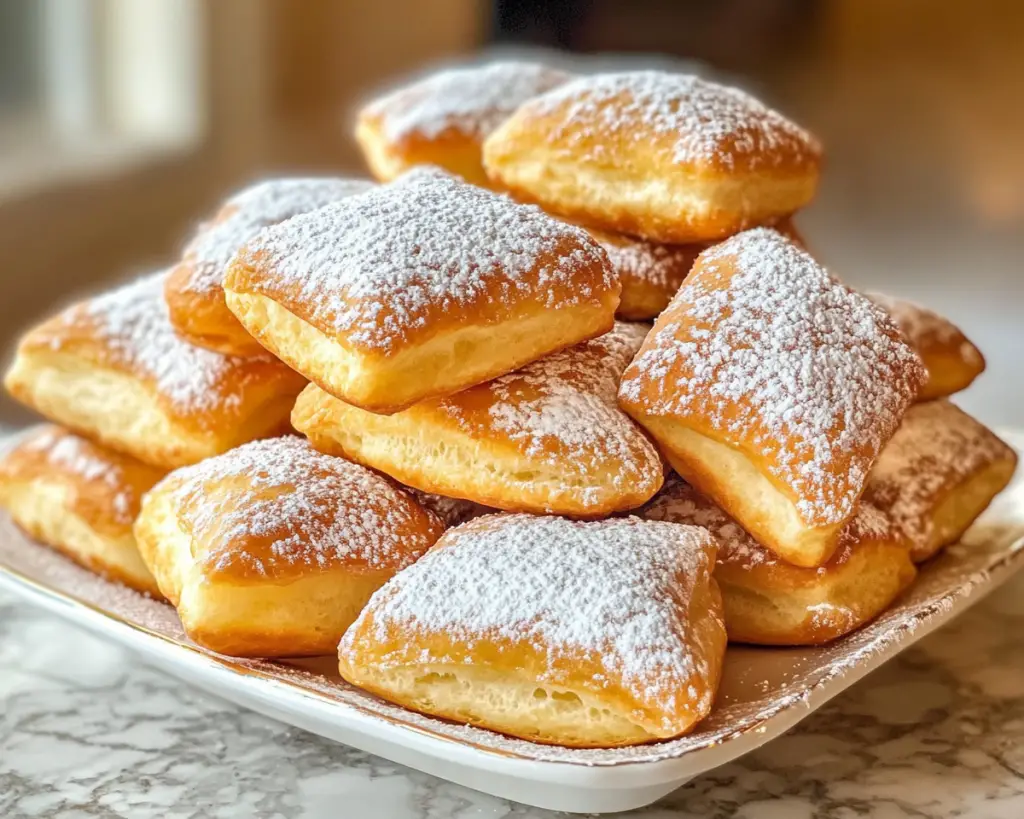
The first bite of a freshly made French beignet is an experience like no other. As you sink your teeth into its crispy, golden exterior, your taste buds are met with a warm and fluffy center that practically melts in your mouth. This delightful pastry, often dusted with powdered sugar, transports you straight to the charming cafés of New Orleans, where beignets are not just a treat but a tradition. In this article, you will discover the secrets behind making these delectable pastries, including tips on achieving the perfect texture, how to customize your beignets, and some common mistakes to avoid. Perfect for busy parents, novice cooks, or anyone craving a sweet indulgence, these beignets are sure to elevate your dessert game.
What Is What Makes These French Beignets Melt In Your Mouth?
French beignets are small, deep-fried pastries that resemble doughnuts but are light and pillowy soft inside. Originally hailing from France, these pastries have found their way into the heart of New Orleans, where they are served hot and covered in powdered sugar. The contrast of the crisp outer layer and the tender inside creates a uniquely satisfying mouthfeel that keeps you coming back for more.
The dough for beignets is enriched with eggs and milk, imparting a richness that enhances the flavor. When fried, they puff up due to the steam trapped inside, resulting in their airy texture. The experience of biting into a beignet is enhanced by the delightful crunch of the exterior giving way to a soft center, often enjoyed with a warm cup of coffee or hot chocolate. Beignets are a comforting treat that bridge the gap between breakfast, dessert, and snacks.
Why You’ll Love This
You may wonder why French beignets should be your next weekend project. For starters, their taste is nothing short of divine; they are sweet without being cloying and have a luxurious texture that makes every bite a delight. Not only are they indulgently delicious, but they are also surprisingly easy to make. With just a handful of basic ingredients, you’ll have delicious homemade beignets that rival any café’s offerings.
Another great aspect of this recipe is its versatility. Whether you prefer classic beignets dusted with powdered sugar or want to get creative with fillings like chocolate or fruit preserves, the possibilities are endless. Cost-wise, making beignets at home can save you money compared to purchasing them from a bakery, all while enjoying the satisfaction of creating something special from scratch.
An important tip to consider is the temperature of the oil; this is a common mistake for both novice and experienced cooks that can significantly affect the outcome of your beignets. Getting this right ensures that your beignets will be perfectly cooked — crispy on the outside and fluffy on the inside.
Ingredients You’ll Need
- 2 ¼ teaspoons active dry yeast – This is essential for leavening the dough. If you don’t have active yeast, you can substitute with instant yeast, adjusting the quantity slightly.
- 1 cup warm milk – This helps activate the yeast and enriches the dough. If you’re lactose intolerant, feel free to use almond or oat milk.
- ¼ cup granulated sugar – This adds sweetness to your beignets. You could use coconut sugar as a healthier alternative.
- 1 large egg – Eggs provide richness and help bind the ingredients. If you’re vegan, consider using a flax egg instead.
- ½ cup unsalted butter, melted – This gives richness and flavor, but you can also use coconut oil for a dairy-free option.
- 3 ½ cups all-purpose flour – The backbone of the dough. Whole wheat flour can be used, though it will alter the texture slightly.
- ½ teaspoon salt – Essential for enhancing flavors. Sea salt is a good option for a bit more complexity.
- Oil for frying – Vegetable oil works best, but any neutral oil like canola or sunflower will do.
- Powdered sugar for dusting – This makes the beignets visually appealing and is a delicious finishing touch.
How to Make
- Start by activating the yeast. In a small bowl, combine the warm milk and active dry yeast. Stir gently and let it sit for about 5-10 minutes until it becomes frothy. This step is crucial; if the mixture doesn’t foam, your yeast may be inactive, and the dough won’t rise properly.
- In a separate large bowl, whisk together the sugar, melted butter, and the egg. Make sure the butter isn’t too hot, as it could cook the egg. Once combined, add the frothy yeast mixture and stir until everything is well incorporated.
- Gradually add the all-purpose flour and salt to the wet ingredients. Begin mixing with a wooden spoon or your hands until the dough starts to come together. It will be slightly sticky; that’s normal!
- Transfer the dough onto a lightly floured surface and knead for about 8-10 minutes. You want the dough to become smooth and elastic. If it’s too sticky, sprinkle a little more flour as needed but avoid over-flouring, which can make your beignets dense.
- After kneading, place the dough in a greased bowl, cover it with a damp cloth, and let it rise in a warm area for about an hour, or until it has doubled in size. This could be the perfect time to clean up the kitchen while eagerly awaiting the delicious reward!
- Once the dough has risen, punch it down gently to release the air. Roll it out on a floured surface to about ½-inch thick. Cut the dough into squares or rectangles, typically about 2-3 inches each side.
- In a large pot or deep fryer, heat your frying oil to 350°F (175°C). You can test the oil by dropping a small piece of dough into it; if it bubbles and rises, it’s ready! Be careful not to overcrowd the pot, as this could lower the oil temperature.
- Fry each beignet for about 2-3 minutes on each side until they are golden brown. Use a slotted spoon to remove them and place them on a paper towel-lined plate to drain excess oil. As you take them out, sprinkle them generously with powdered sugar while they are still warm.
- Enjoy these warm, melt-in-your-mouth beignets immediately for the best texture. Pair them with a cup of coffee or hot chocolate for a truly delightful experience!
Variations & Substitutions
Filled Beignets
These gorgeous creations involve filling your beignets with delicious options like chocolate, jam, or sweetened cream cheese before cooking. This variation transforms the traditional beignet into something even more indulgent and is perfect for those who enjoy surprises in their pastries. To successfully fill your beignets, make a slight indentation after rolling out the dough, add a teaspoon of your chosen filling, and carefully fold the dough over before sealing it. Just ensure the seal is tight to keep the filling from leaking during frying.
Cinnamon Sugar Coating
If you want to take the flavor profile in a more aromatic direction, consider rolling your slightly cooled beignets in a mixture of granulated sugar and cinnamon instead of powdered sugar. The warmth of the cinnamon adds a lovely warmth and depth to the flavor, creating a comforting experience. For example, combine one cup of sugar with two tablespoons of cinnamon, and toss the fried beignets in this blend immediately after frying for a cozy, wintery treat.
Gluten-Free Beignets
For those following a gluten-free diet, it’s absolutely possible to make delicious beignets! Substitute the all-purpose flour with a gluten-free flour blend. Just be cautious; some gluten-free flours absorb moisture differently. You may need to tweak the amount used based on the blend you choose. Add a dash of xanthan gum if your mix doesn’t already include it, as this helps maintain the structure of the beignet.
Vegan Beignets
Want to enjoy beignets without any animal products? You can make a simple vegan version by replacing the egg with a flax egg (1 tablespoon ground flaxseed mixed with 2.5 tablespoons water) and using dairy-free milk and butter alternatives. The texture will still be light and fluffy when executed correctly. You’ll maintain the delightful mouthfeel and have a treat anyone can enjoy!
Seasonal Flavors
Think about infusing your beignets with seasonal flavors. For example, adding a pinch of nutmeg or pumpkin spice for autumn creates a fragrant, festive treat. Around the holidays, you could incorporate peppermint extract into the dough for a minty touch that pairs beautifully with hot cocoa. These seasonal adaptations keep your beignets exciting and align perfectly with various holidays throughout the year.
Common Mistakes to Avoid
A fundamental mishap when making beignets is improper dough rising. If you don’t allow your dough to rise enough, your beignets will be dense rather than light and airy. Always ensure that your dough is covered and placed in a warm environment. If your kitchen is cool, try preheating the oven for 2 minutes, then turning it off, and letting the dough rise in there.
Another common problem is cooking them at an incorrect oil temperature. If the oil is too hot, the outside will brown too quickly while the inside remains undercooked. Conversely, if the heat is too low, the beignets will absorb excess oil, becoming greasy. Use a thermometer to maintain the right frying temperature, keeping it around 350°F (175°C).
Lastly, many inexperienced cooks assume they can skip the dusting of powdered sugar. This finishing touch not only adds sweetness but also helps to balance the richness of the fried dough. If you find powdered sugar clumping or lumpy, it helps to sift it before sprinkling on top.
Storage, Freezing & Reheating Tips
To store leftover beignets, place them in an airtight container or tightly wrap them in plastic wrap. They are best enjoyed fresh, but they can last at room temperature for about 1-2 days. For longer storage, consider freezing them. Arrange the cooled beignets in a single layer on a baking sheet and freeze until solid. Once frozen, transfer them to an airtight freezer bag. They can be stored in the freezer for up to 3 months.
When you’re ready to enjoy your frozen beignets, allow them to thaw at room temperature while preheating your oven to 350°F (175°C). After thawing, it’s best to warm them in the oven for about 10 minutes to restore their lovely crispness. Be careful not to microwave them, as this will make them chewy instead of flaky.
For food safety, always ensure that your beignets cool completely before storing them. Avoid adding powdered sugar until you are ready to serve, as this will prevent them from becoming soggy.
Frequently Asked Questions
Can I make the dough ahead of time?
Yes, you absolutely can! If you want to prepare the dough in advance, you can let it rise and then refrigerate it. Allow the chilled dough to come to room temperature before continuing with the rolling and frying steps. This makes the process easier on busy mornings or when hosting special occasions.
What type of oil is best for frying beignets?
A neutral oil, such as vegetable or canola oil, is ideal for frying beignets. These oils have high smoke points and won’t impart any additional flavors that could distract from the sweet, delightful taste of the beignets. It’s crucial to ensure the oil is sufficiently hot to avoid greasy results.
Can I bake beignets instead of frying them?
While traditional beignets are deep-fried for that unique texture, you can experiment with baking them for a lighter version. Shape your dough and place it on a baking sheet lined with parchment paper. Bake at 375°F (190°C) for about 15-20 minutes until they’re golden. Keep in mind the texture will differ slightly, being more akin to a biscuit than a fried pastry.
How can I tell if the oil is ready for frying?
To check if your oil is ready, carefully drop a small piece of dough into the oil. If it bubbles vigorously and rises to the surface, the oil is at the correct temperature. Another method is to use a thermometer to maintain the desired 350°F (175°C). Always use caution when dealing with hot oil to ensure safety.
Why do my beignets turn out dense?
If your beignets are dense rather than light and airy, this usually means they haven’t risen sufficiently during proofing. Make sure to allow ample time for the dough to double in size. Environmental factors like humidity and temperature can also affect rising, so always keep an eye on your dough!
Conclusion:
French beignets are a fabulous treat that combines texture and flavor, creating a comforting and delightful experience. They are simple enough to make at home yet impressive enough to serve for special occasions. The ability to customize them with various fillings and flavors only adds to their charm. I encourage you to gather your ingredients and try this recipe. I guarantee they will be an enjoyable addition to your baking repertoire — perfect for breakfast, dessert, or whenever that sweet tooth strikes! Share your beignet creations with family and friends; this might just become a beloved family tradition.