Prep time: 15 minutes
Cook time: 30 minutes
Total time: 45 minutes
Servings: 4
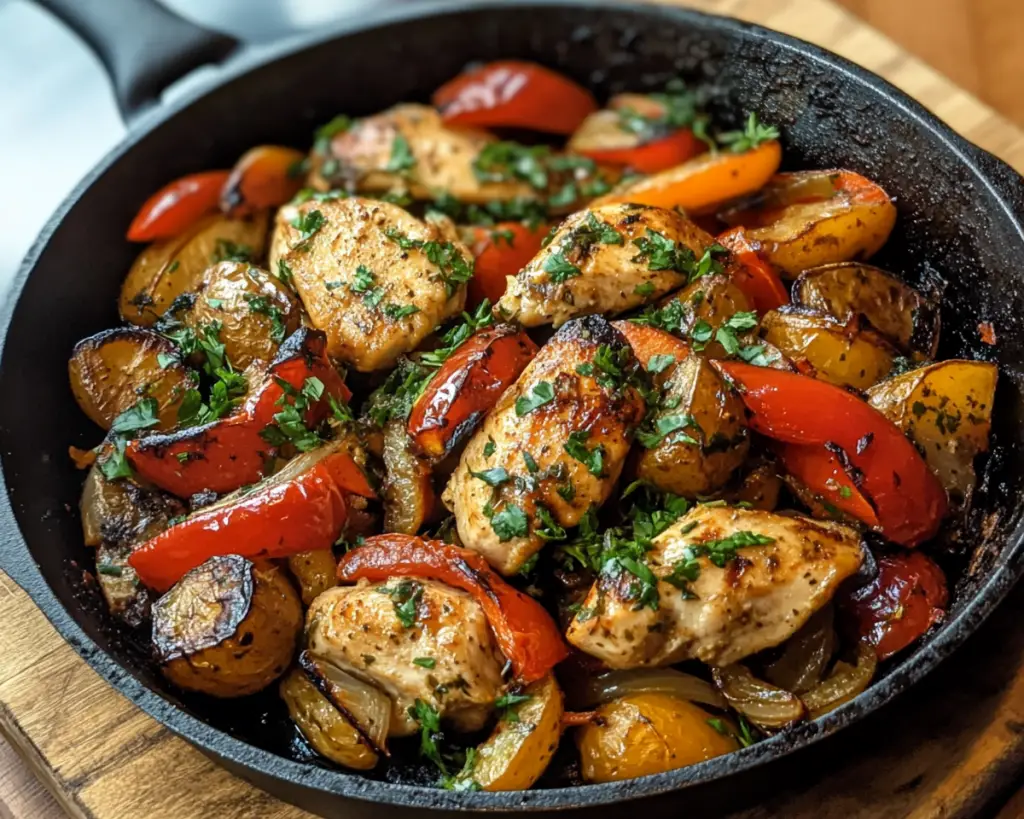
When it comes to quick and nutritious meals, a healthy chicken skillet with veggies is a go-to recipe that everyone can appreciate. Picture this: it’s a busy weeknight, the kids are hungry, and you’ve got limited time to whip up something healthy. This dish not only comes together in under an hour but also delivers wonderful flavors and vibrant colors to your dinner table. Full of lean protein and a medley of fresh vegetables, it promises to satisfy the taste buds while fueling your family’s well-being. Best of all, you’ll learn tips on how to customize it to suit your preferences.
This recipe will guide you to create a mouth-watering chicken dish that balances taste, nutrition, and ease of preparation. You’ll discover how to achieve a perfectly cooked chicken breast while ensuring that your veggies retain their crunch and vibrant colors. You will also learn creative variations and practical tips to streamline your cooking process, making this dish as versatile as it is delicious.
What Is Healthy Chicken Skillet with Veggies?
The healthy chicken skillet with veggies is a one-pan dish that combines juicy chicken breast with a variety of colorful vegetables. This dish traces its roots to the modern American kitchen, where the emphasis on wholesome and easy cooking methods has taken center stage. The chicken breast serves as the primary source of protein, offering a lean option that is low in fat but high in flavor. The resulting meal is not only visually appealing but also loaded with essential nutrients.
The key to this dish lies in the cooking technique. By sautéing the chicken and veggies together, you allow the flavors to meld beautifully. The chicken becomes tender and flavorful, while the vegetables offer a delightful crunch. You can use a mix of seasonal or frozen vegetables, making it adaptable for any time of the year. The dish is seasoned to perfection, allowing the natural flavors of the chicken and vegetables to shine through. It’s an ideal choice for busy families looking for meals that are both quick and nourishing.
Why You’ll Love This
There are numerous reasons to fall in love with this healthy chicken skillet with veggies. First and foremost is the outstanding **taste** you get from the combination of marinated chicken and sautéed vegetables. The seasonings create a flavor profile that caters to all palates — it’s savory, slightly sweet, and subtly herby. The ease of preparation is another major benefit; a single skillet means less cleanup, which is a blessing on chaotic weeknights.
Cost-effectiveness is also a significant feature of this dish. Most of the ingredients are budget-friendly, including chicken breasts, fresh vegetables, and pantry staples for seasoning. Opting for this dish over takeout not only boosts your family’s health but also helps to save money. Furthermore, the versatility of this recipe cannot be overstated — feel free to use whatever seasonal vegetables you have on hand. It’s an excellent way to clean out your fridge while crafting a delightful meal.
Another misconception about healthy meals is that they lack depth of flavor or texture, but that’s far from the truth here. With a bit of creativity, you can create a dish that is not only nutritionally balanced but also appealing. It’s about preserving the quality of ingredients and cooking them in a way that enhances their natural attributes.
Ingredients You’ll Need
- Chicken Breast — 1 pound, boneless and skinless. This is the primary protein source, providing essential amino acids.
- Olive Oil — 2 tablespoons. Used for cooking, it adds healthy fats and aids in flavor absorption.
- Bell Peppers — 2 cups, sliced (any color, such as red, green, and yellow). They add sweetness and vibrant color.
- Zucchini — 1 medium, sliced. This veggie brings moisture and a delicate flavor.
- Carrots — 2 medium, sliced. They lend natural sweetness and a satisfying crunch.
- Garlic — 3 cloves, minced. Essential for depth of flavor; you can use less if you prefer a milder taste.
- Italian Seasoning — 1 teaspoon. A blend of herbs that enhance the dish’s flavor profile.
- Salt and Pepper — to taste. These enhance all the flavors in the dish.
- Lemon Juice — 1 tablespoon, for brightness. It helps bring all the flavors together.
- Fresh Parsley — for garnish, optional. Adds freshness and a pop of color.
Each of these ingredients plays a vital role in the overall flavor and nutritional value of the dish. The chicken provides lean protein, while the vegetables deliver fiber, vitamins, and minerals. You can, of course, customize this ingredient list based on what you have on hand, allowing for flexibility in your meals.
How to Make
- Start by prepping your ingredients. Wash and slice all vegetables into similar-sized pieces to ensure even cooking. Dice the chicken into bite-sized cubes and season with salt, pepper, and half of the Italian seasoning. Let it sit for about 10–15 minutes to absorb these flavors.
- Heat the olive oil in a large skillet over medium heat. Once the oil is hot, add the seasoned chicken pieces. Cook for about 5–7 minutes, stirring occasionally. You want the chicken to brown on all sides and reach an internal temperature of 165°F (75°C). This ensures the meat is fully cooked and safe to eat.
- Once the chicken is cooked through, remove it from the skillet and set it aside on a plate. In the same skillet, add more olive oil if needed and toss in the minced garlic. Sauté for about 30 seconds until the garlic becomes fragrant but not brown, as burnt garlic can impart a bitter flavor.
- Next, add the sliced bell peppers, zucchini, and carrots into the pan. Stir frequently, cooking the vegetables for about 4–5 minutes until they are tender but still slightly crisp. This helps maintain their vibrant color and crunch, which is crucial to the dish’s texture.
- After the vegetables are cooked, return the chicken to the skillet. Sprinkle in the remaining spices and pour the lemon juice over the mixture. Stir everything together and let it cook for an additional 2–3 minutes to marry the flavors. Adjust the seasoning with more salt and pepper as needed.
- Finally, once everything is heated through and well combined, remove the skillet from the heat. Finish with a sprinkle of fresh **parsley** if desired, and serve hot. You can pair this dish with whole grain rice, quinoa, or even enjoy it on its own as a light meal.
This process may seem straightforward, but each step contributes to the final outcome. The key is in balancing the flavors and ensuring that both the chicken and veggies are cooked to their perfect textures for an enjoyable eating experience.
Variations & Substitutions
Low-Carb Option: If you’re watching your carbohydrate intake, consider using cauliflower rice instead of traditional grains. Simply pulse cauliflower florets in a food processor until they resemble rice. Sauté it lightly in the skillet after cooking the chicken and vegetables. This option offers not only lower carbs but also added nutrients. Spice it up with some cumin or paprika for an exciting flavor.
Spicy Version: For those who prefer a bit of heat, add chopped jalapeños or a dash of red pepper flakes to the skillet when sautéing the vegetables. The spicy kick pairs wonderfully with the sweetness of the bell peppers and carrots, creating a more robust flavor profile. Finish it with a drizzle of sriracha for an extra layer of spice.
Pasta Addition: Want to turn your chicken skillet into a hearty pasta dish? Cook your favorite pasta separately and toss it into the skillet just before serving. Make sure to reserve some pasta cooking water to help bind the dish together. The added carbohydrates make it more filling, perfect for a family meal.
Vegetarian Take: If you’re inclined towards a vegetarian version, you can substitute the chicken with chickpeas or firm tofu. Toss the chickpeas directly into the skillet when cooking the vegetables, allowing them to heat through and absorb the flavors. Tofu, on the other hand, should be marinated and sautéed in advance to achieve the desired texture.
Seasonal Variations: Depending on the season, feel free to mix in other vegetables such as broccoli, asparagus, or even sweet potatoes. Each vegetable brings its unique taste and texture, allowing you to customize your healthy chicken skillet for maximum freshness and seasonal enjoyment.
These variations offer opportunities to explore new flavors and textures while remaining with the core concept of the healthy chicken skillet with veggies.
Common Mistakes to Avoid
When preparing your healthy chicken skillet with veggies, there are a few common mistakes you’ll want to avoid. First and foremost, cooking the chicken for too long can lead to a dry texture. Always ensure that the chicken is removed from the skillet as soon as it reaches the safe internal temperature of 165°F (75°C). Use a meat thermometer for accuracy to avoid overcooking.
Another pitfall is overcrowding the pan. If you add too many ingredients at once, they may steam rather than sauté, which affects both texture and flavor. To mitigate this, work in batches if necessary, giving all the ingredients room to breathe while cooking.
Also, avoid under-seasoning. It’s essential to taste as you cook and adjust the seasonings accordingly. While this recipe calls for specific spices, feel free to add more based on your personal preferences. Seasoning enhances flavors; don’t shy away from it.
Lastly, don’t skip on the resting time after cooking. Allowing your dish to sit for a few minutes after cooking helps the flavors meld and allows the moisture to redistribute in the chicken, leading to a juicier bite.
Storage, Freezing & Reheating Tips
To make your healthy chicken skillet with veggies last longer, proper storage methods are crucial. Store any leftovers in an airtight container and refrigerate for up to 3–4 days. For optimal freshness, you can also freeze the dish. Allow it to cool completely before transferring it to freezer-safe containers, ideally in individual portions for easy reheating. This meal can be frozen for up to three months.
When you’re ready to enjoy your skillet again, the best way to reheat it is by thawing it overnight in the refrigerator. Then, warm it in a skillet over medium heat until heated through. If frozen, place it in the refrigerator for a day or two to let it defrost before reheating. Alternatively, if you’re in a hurry, you can use the microwave, but be sure to cover it to avoid drying out the chicken.
For food safety, always ensure that your leftovers are reheated to an internal temperature of 165°F (75°C) before consuming.
Frequently Asked Questions
Can I use frozen vegetables in this recipe?
Absolutely! Frozen vegetables can be a convenient substitute and can cut down on prep time. They are often flash-frozen at their peak freshness, which helps preserve nutrients. Simply adjust the cooking time as needed; you may need to sauté them a bit longer to remove excess moisture.
Is this dish gluten-free?
Yes, this healthy chicken skillet with veggies is gluten-free. All the ingredients utilized in this recipe are free from gluten. However, if you are using additional sauces or condiments, make sure they are gluten-free as well.
How can I make this meal prepping-friendly?
To make this dish more meal prep-friendly, consider cooking large batches at once. The chicken and veggies can be made a few days in advance and stored in separate meal prep containers. They reheat well in the microwave, making it ideal for grab-and-go lunches.
What can I substitute for chicken breast?
If chicken breast isn’t your preference, you can easily swap it out for chicken thighs, which tend to be juicier. Alternatively, for a vegetarian option, chickpeas or tempeh can be excellent substitutes as they both provide a good source of protein.
What other herbs can I use in this dish?
Feel free to explore different herbs based on your taste preferences! Fresh basil, cilantro, or even thyme can elevate the dish. Experimenting with herbs adds another level of freshness and flavor, enriching the overall dish.
Conclusion:
This healthy chicken skillet with veggies offers an easy, nutritious meal option that is versatile enough to fit any family’s tastes. With its quick prep and cooking time, it’s perfect for busy weeknights and can easily be customized to cater to dietary preferences and seasonal produce. Try it out, feel free to adapt the flavors to your style, and be sure to share this delightful recipe with your friends and family. The kitchen is your playground — enjoy the process of creation!