Prep time: 15 minutes
Cook time: 2 hours 30 minutes
Total time: 2 hours 45 minutes
Servings: 8
Best Roasted Leg of Lamb is a dish that embodies the essence of flavor and celebration. This recipe yields a succulent, juicy leg of lamb that is perfect for special occasions or a hearty family dinner. The process is straightforward, allowing for both novice cooks and seasoned chefs to achieve delicious results. As the aroma fills your kitchen, it sets the stage for a memorable meal that will become a staple in your recipe rotation.
What Is Best Roasted Leg of Lamb?
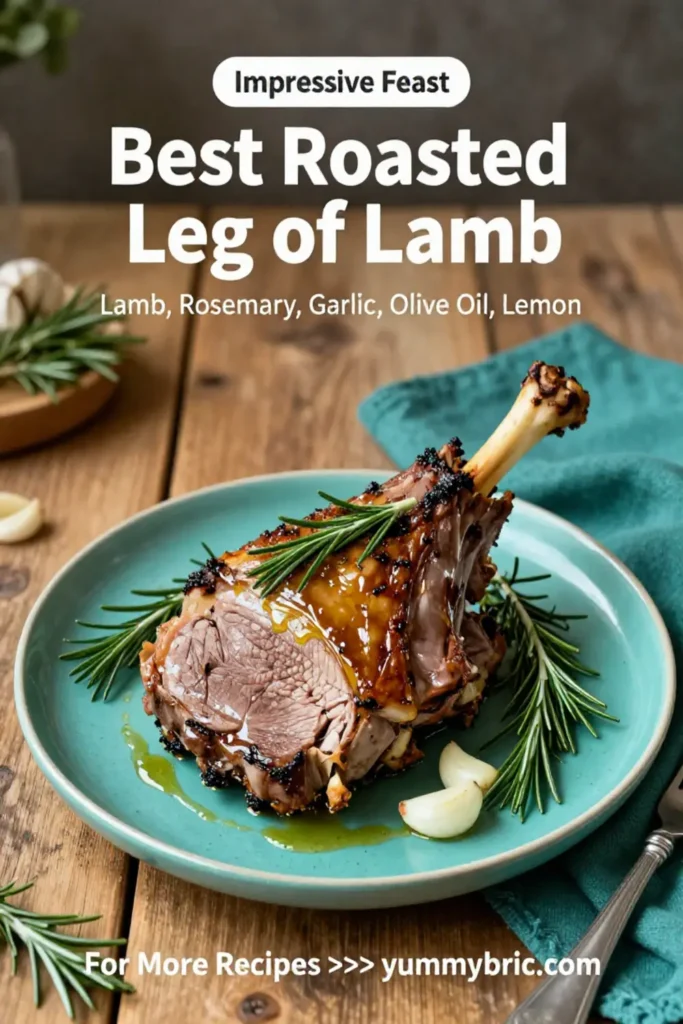
Best Roasted Leg of Lamb is an exquisite and flavorful dish that showcases the natural richness of lamb, complemented by fragrant herbs and spices. Lamb leg is chosen for its tenderness and depth of flavor, making it the perfect centerpiece for any festive gathering. The secret to a perfect roasted leg is not just the seasoning, but also the choice of cooking method, which allows for even cooking and a beautifully browned exterior. When prepared correctly, the meat remains juicy and tender, while the herbs contribute an inviting aroma and character. This dish could very well become your new go-to for family gatherings or holiday feasts.
Why You’ll Love This
You’ll fall in love with this Best Roasted Leg of Lamb for several reasons. Firstly, it’s a showstopper that will impress your guests with its stunning appearance and fantastic flavor. The combination of garlic, rosemary, and a hint of lemon works harmoniously to elevate the taste of the lamb. Additionally, the hands-on time is minimal, allowing you to focus on preparing side dishes or enjoying the company of your loved ones. The leftovers can be used creatively in sandwiches, salads, or even stir-fries, making this recipe not only delicious but versatile as well. These reasons, along with the comforting smell that fills your home, will have your guests asking for seconds.
Ingredients You’ll Need
- Leg of lamb (5-6 pounds): The main ingredient provides a rich, hearty flavor that is the star of the dish.
- Garlic (6 cloves, minced): Adds depth and aromatics; garlic brings a beautiful savoriness.
- Fresh rosemary (2 tablespoons, chopped): Indicates the flavor profile; rosemary complements lamb perfectly.
- Fresh thyme (2 tablespoons, chopped): Enhances the herbal notes; thyme balances beautifully with rosemary.
- Lemon (1, zested and juiced): Offers acidity that brightens the flavors; lemon helps to cut through the richness of the lamb.
- Olive oil (1/4 cup): Used to coat the lamb; it aids in building a delicious crust and locks in moisture.
- Salt (2 teaspoons): Essential for flavor; it enhances all the other ingredients.
- Pepper (1 teaspoon): Adds a touch of heat; freshly cracked pepper gives a more robust flavor.

How to Make
- Preheat your oven to 425°F (220°C). This high temperature will help develop a flavorful crust on the lamb.
- In a bowl, mix together the minced garlic, chopped rosemary, thyme, lemon zest, lemon juice, olive oil, salt, and pepper. This fragrant paste will be used to season the lamb.
- Place the leg of lamb on a sturdy roasting pan. Pat the meat dry with paper towels to ensure a nice sear.
- Rub the herb mixture all over the lamb, making sure to get it into any crevices for maximum flavor. Let the rubbed lamb sit at room temperature for about 30 minutes before cooking.
- Roast the leg of lamb in the preheated oven. Bake for about 20 minutes at the high heat to establish the crust, then reduce the temperature to 350°F (175°C) and continue cooking for an additional 1.5 hours, or until a meat thermometer inserted into the thickest part registers 135°F (57°C) for medium-rare.
- Once done, remove the lamb from the oven and cover it loosely with aluminum foil. Let it rest for at least 15 minutes before carving; this allows the juices to redistribute, ensuring a tender and juicy result.
Variations & Substitutions
Herb-Crusted Variation: You can customize the herb crust by incorporating other herbs like parsley or sage. Mixing in a tablespoon of Dijon mustard into the herb mixture can add a delightful tang that enhances the flavor profile. If you’re a fan of heat, consider adding some crushed red pepper flakes for a spicy kick. This variation not only diversifies the flavor but also allows for creativity based on what you have available.
Marinated Lamb Variation: For a deeper flavor, consider marinating the leg of lamb overnight. Use the same herb paste, but add ingredients like red wine or yogurt to create a marinade that tenderizes the meat and infuses it with extra flavor. The acidity from the wine or yogurt will break down the proteins, resulting in an incredibly tender roast.
Slow-Roasted Variation: If time allows, you can adapt this recipe for low and slow roasting. Cook the lamb in a slow cooker on low for 8 hours or until fork-tender. This method might take longer but delivers an incredibly juicy and fall-off-the-bone result, perfect for busy days when you can set it and forget it.
Influences from Other Cuisines: You can also infuse international flavors by using different spices and marinades. Consider a Moroccan-style roast with cumin, coriander, and cinnamon, served with dried apricots and almonds. When adjusted to different cultural flavors, this dish offers endless culinary possibilities.
Common Mistakes to Avoid
Not allowing the lamb to rest: One common mistake is cutting into the lamb immediately after removing it from the oven. This practice often leads to dry meat because the natural juices do not have a chance to redistribute. Always let it rest for a minimum of 15 minutes before slicing.
Using a dull knife: It’s important to carve the lamb with a sharp knife. A dull knife can shred the meat rather than slice it cleanly, ruining presentation and resulting in uneven pieces. Invest in a good quality carving knife for optimal results.
Ignoring the temperature: Overcooking lamb can lead to tough meat. Always use a meat thermometer to ensure the meat reaches the desired doneness without going beyond it. Keeping an eye on internal temperatures will guarantee a more enjoyable meal.
Storage, Freezing & Reheating Tips
To store leftover roasted leg of lamb, first let it cool to room temperature. Wrap the lamb tightly in plastic wrap or aluminum foil, or place it in an airtight container. It can be safely refrigerated for up to 3 to 4 days. For longer storage, consider freezing the lamb. Slice it before freezing for easier thawing and reheating; wrap individual slices tightly and place them in a freezer-safe bag or container. Frozen lamb can last up to 3 months in the freezer.
When you’re ready to enjoy leftover lamb, thaw it in the refrigerator overnight. To reheat, place it in a preheated oven at 300°F (150°C) for about 20-30 minutes, or until warmed through. Using an oven maintains the moisture level better than the microwave, which can dry out the meat.
Frequently Asked Questions
Can I use a boneless leg of lamb for this recipe? Absolutely! A boneless leg of lamb will cook similarly, and it might even save you some preparation time while carving. Just be aware that boneless cuts may cook a bit faster due to their smaller size; check the internal temperature sooner.
What should I serve with roasted leg of lamb? Pairing side dishes with your leg of lamb is important to create a complete meal. Consider serving it with roasted vegetables like carrots, potatoes, or Brussels sprouts. A fresh salad with a tangy vinaigrette can add a nice contrast to the rich lamb. Don’t forget a glass of red wine to complement the flavors!
How do I know when the lamb is done? Using a meat thermometer is the best way to ensure your leg of lamb is cooked to perfection. For medium-rare, aim for an internal temperature of 135°F (57°C). If you prefer medium, target around 145°F (63°C). Once the lamb is cooked, always remember to let it rest to maintain its juiciness.
Can I make the herb mixture ahead of time? Yes, you can prepare the herb mixture a day in advance. Store it in an airtight container in the fridge until you’re ready to use it. Making it ahead of time allows the flavors to meld together, which can enhance the final dish.
What’s the best way to carve the leg of lamb? Carving can seem daunting, but the process is simpler than it looks. Start by identifying the grain of the meat. Always slice against the grain to ensure tenderness. Begin by removing any bone (if applicable) and slice the meat into even portions with smooth, long strokes for the best presentation.
Conclusion: Serving a Best Roasted Leg of Lamb is about bringing people together around the table. It’s a dish that not only tastes amazing but also creates an atmosphere of warmth and comfort. Serve this alongside your favorite sides, and enjoy the delightful flavors and quality time with loved ones. Whether it’s a casual Sunday dinner or a big family celebration, this recipe will surely be a hit. Enjoy the process, savor the results, and most importantly, relish the memories created over a delicious meal.