Prep time: 20 minutes
Cook time: 50 minutes
Total time: 1 hour 10 minutes
Servings: 6
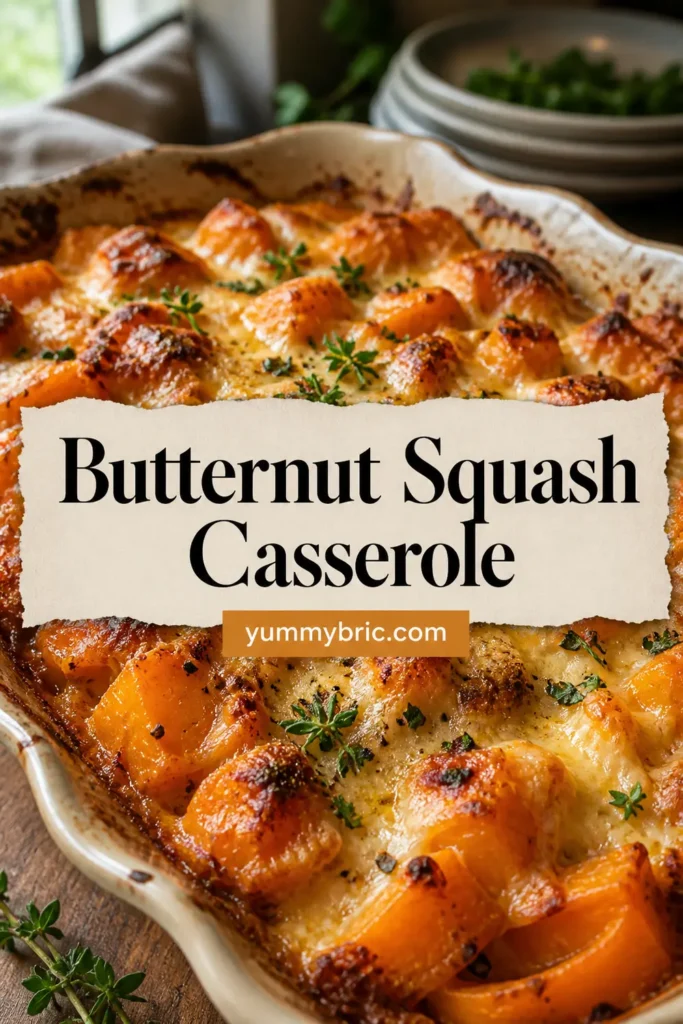
Butternut squash casserole is a comforting dish that brings warmth and nourishment to any table. This delectable casserole features creamy layers of roasted butternut squash, sprinkled with spices and topped with a crunchy, golden brown layer. With its rich flavor and vibrant color, it is an excellent choice for festive dinners, potlucks, or a cozy family meal. Its delightful combination of textures and tastes will have everyone asking for seconds!
What Is Butternut Squash Casserole?
Butternut squash casserole is a baked dish that highlights the sweet, nutty flavor of butternut squash. Traditionally, it includes a creamy base that often features cheese, milk, or cream, mixed with spices that complement the natural sweetness of the squash. The casserole is topped with a layer of breadcrumbs or nuts, providing a satisfying crunch with each bite. This dish not only fills the stomach but also brings a sense of warmth and contentment, making it a delightful centerpiece for gatherings.
Why You’ll Love This
You’ll absolutely love this butternut squash casserole for its versatility and flavor. Here are just a few reasons:
- Deliciously Sweet: The natural sweetness of the roasted squash pairs perfectly with savory spices, creating a dish that appeals to various palates.
- Comforting & Satisfying: With its creamy texture and crunchy topping, it’s the type of warmth that invites you to return for more.
- Perfectly Seasonal: Butternut squash shines in the fall and winter months, making it a seasonal favorite.
- Easy to Prepare: This dish allows for make-ahead convenience, ideal for busy parents or anyone looking to save time in the kitchen.
- Nutritious: Packed with vitamins A and C, butternut squash is as healthy as it is delicious, fitting nicely into a balanced diet.
Ingredients You’ll Need
To prepare this delightful butternut squash casserole, gather the following ingredients:
- 2 medium butternut squash (about 3 to 4 pounds): The star of the dish, offering sweetness and creaminess.
- 1 cup heavy cream: Adds richness and creaminess to the casserole.
- 1 cup grated cheese (cheddar or Gruyère): Provides a gooey, melty texture; choose your favorite cheese!
- 1 teaspoon salt: Enhances flavors; adjust to your taste.
- ½ teaspoon black pepper: Adds a gentle kick; feel free to enhance with more if desired.
- ½ teaspoon ground nutmeg: A warming spice that complements the squash beautifully.
- 1 cup breadcrumbs (or crushed crackers): For a crispy topping; choose whole wheat or seasoned for added flavor.
- 2 tablespoons olive oil: For roasting the squash, bringing out its natural sweetness.
How to Make
Creating butternut squash casserole involves several steps, but the process is easy and worthwhile. Follow these instructions to achieve the perfect casserole:
- Preparing the Squash: Preheat your oven to 400°F (200°C). While the oven heats, carefully peel the butternut squash using a vegetable peeler. Cut it in half to remove the seeds, then slice the squash into 1-inch cubes. Place the cubes in a large bowl, drizzle with 2 tablespoons of olive oil, and sprinkle with a ½ teaspoon of salt and ½ teaspoon of black pepper. Toss until each piece is well-coated.
- Roasting the Squash: Spread the seasoned squash on a baking sheet in a single layer to ensure even cooking. Roast in the preheated oven for about 25 to 30 minutes, or until the squash is tender and lightly caramelized. Stir halfway through to promote even roasting. This step intensifies the flavor.
- Mixing the Base: Once roasted, remove the squash from the oven and let it cool slightly. Transfer the squash into a large mixing bowl. Add 1 cup of heavy cream, 1 cup of grated cheese, ½ teaspoon of ground nutmeg, and an additional ½ teaspoon of salt. Mix gently until all ingredients are well combined, creating a creamy and indulgent mixture.
- Assembling the Casserole: Preheat your oven again to 375°F (190°C). Lightly grease a 2-quart baking dish. Pour the butternut squash mixture into the dish, spreading it evenly. Top with 1 cup of breadcrumbs for that delicious crunch. You may also sprinkle a little extra cheese on top for additional flavor.
- Baking the Casserole: Place the assembled casserole in the oven and bake for about 20 to 25 minutes, or until the top is golden brown and the edges are bubbling. The dish should be fragrant and inviting at this point.
- Serving: Once out of the oven, let it sit for about 10 minutes to cool slightly. This allows the flavors to meld beautifully. Serve warm, garnished with some fresh herbs if desired.
Variations & Substitutions
Vegan Butternut Squash Casserole: To make this casserole vegan, substitute heavy cream with coconut milk and use a dairy-free cheese. Replace breadcrumbs with crushed nuts or seeds to create a crunchy topping. These adjustments keep the dish rich while accommodating dairy-free diets.
Spicy Butternut Squash Casserole: For a spicy kick, add 1 teaspoon of cayenne pepper to the squash mixture! This spicy twist will bring an exciting flavor profile that can ignite your taste buds. Pairing with sharp cheddar cheese complements the heat beautifully.
Protein-Packed Casserole: Incorporate cooked quinoa or lentils into the base for a protein boost. Simply stir in 1 cup of cooked quinoa or lentils before pouring the mixture into the baking dish. These ingredients enhance the nutritional value while keeping the dish filling.
Herb-Infused Butternut Squash Casserole: Elevate flavors by adding fresh herbs like rosemary or thyme. Adding 1 tablespoon of finely chopped fresh herbs to the squash mixture enhances the dish’s aroma and freshness. The herbs pair well with the earthy flavor of the squash.
Common Mistakes to Avoid
Even experienced cooks can run into a few common pitfalls when making butternut squash casserole. Here’s how to avoid them:
Not roasting the squash enough: If the squash is undercooked, it can result in a watery casserole. Always ensure the cubes are tender and caramelized before mixing them into the casserole base.
Using stale breadcrumbs: Fresh breadcrumbs provide the best texture and flavor, while stale ones may not crisp up properly. Make sure your breadcrumbs are fresh or toast them lightly before use.
Skipping the cooling step: Allowing the casserole to cool for a few minutes after baking helps set the layers, making it easier to serve without falling apart.
Storage, Freezing & Reheating Tips
For maximum freshness and flavor, store leftover butternut squash casserole in an airtight container in the refrigerator for up to 3 days. To reheat, place the casserole in the oven at 350°F (175°C) until heated through, which usually takes about 20 minutes.
For longer storage, you can freeze the casserole before baking. Wrap it tightly with aluminum foil and freeze for up to 3 months. When ready to enjoy, thaw overnight in the refrigerator, then bake as directed.
When reheating leftovers, ensure it reaches an internal temperature of 165°F (74°C) for safety. This dish maintains its wonderful flavors even after freezing, allowing you to savor it later!
Frequently Asked Questions
Can I make butternut squash casserole ahead of time?
Yes, you can prepare the casserole a day in advance. Assemble it without baking and store it covered in the refrigerator. When ready to serve, bake it directly from the refrigerator, adding a few extra minutes to the baking time. This makes it a perfect dish for busy weeknights or special occasions!
Can I use frozen butternut squash?
Frozen butternut squash can be used, offering convenience and saving prep time. Just make sure to thaw and drain excess moisture before mixing it with other ingredients. This way, you will prevent the casserole from becoming watery.
What types of cheese work best in this casserole?
Cheddar and Gruyère are popular choices for their melting qualities and sharp flavors. However, feel free to experiment with other cheeses like feta, mozzarella, or even a pepper jack for a spicy twist!
Is butternut squash casserole healthy?
Absolutely! Butternut squash is rich in vitamins A and C and low in calories. The casserole can be made healthier by reducing cream or cheese, or using dairy alternatives without sacrificing flavor.
How can I make butternut squash casserole gluten-free?
To make the casserole gluten-free, substitute traditional breadcrumbs with gluten-free options. You can also use crushed nuts or gluten-free crackers as an alternative for a delightful crunch on top!
Conclusion:
This butternut squash casserole is not just a dish; it’s a delightful experience full of flavor, warmth, and comfort. Whether you’re sharing it with family during a cozy dinner or serving it to guests at a festive gathering, it’s sure to impress. Happy cooking!