Prep time: 20 minutes
Cook time: 45 minutes
Total time: 1 hour 5 minutes
Servings: 6-8
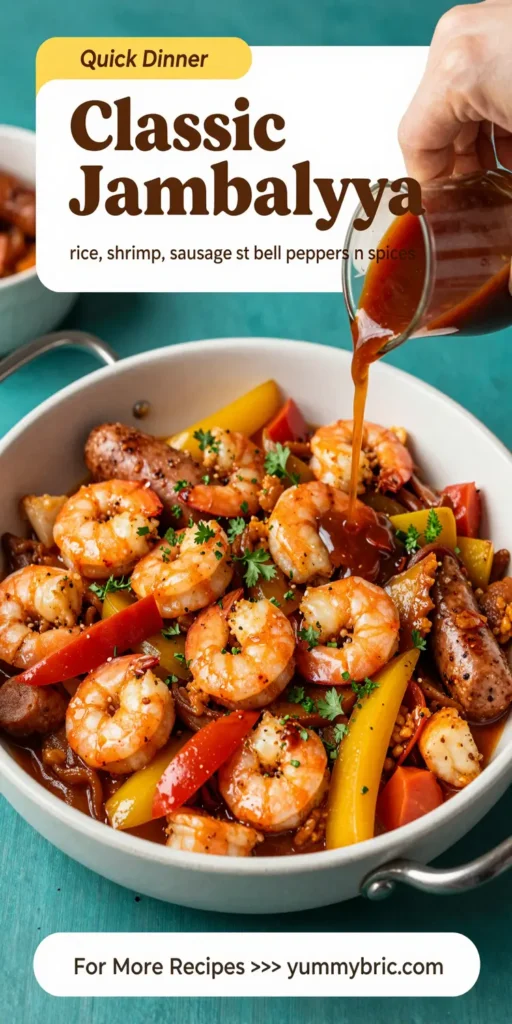
Classic Jambalaya is a beloved dish that originates from the Creole cuisine of Louisiana. This flavorful one-pot meal is a fusion of influences—Spanish, French, and African—resulting in a vibrant explosion of flavors and textures. With tender rice, succulent meats, and a medley of vegetables, Jambalaya is perfect for family dinners or gathering with friends. Unlike its cousin, Cajun Jambalaya, which is typically cooked without tomatoes, the classic version often incorporates tomatoes for added richness and flavor.
What Is Classic Jambalaya?
Classic Jambalaya is a rice dish that is simmered to perfection with a variety of meats, vegetables, and spices. Traditionally, it contains a mixture of chicken, sausage, and seafood, all cooked together in a single pot. Essential to the dish is the holy trinity of Cajun cooking: onions, bell peppers, and celery. This base builds a robust flavor profile while the chicken stock infuses the rice with savory goodness. Whether served at a festive gathering or a cozy weeknight meal, Classic Jambalaya is a dish that brings warmth and comfort to your table.
Why You’ll Love This
There are numerous reasons to love Classic Jambalaya. First, it’s a **versatile dish**—you can customize it based on your favorite ingredients or what you have on hand. It’s also a fantastic way to feed a crowd, making it ideal for parties or family gatherings. Moreover, the **one-pot** nature means minimal cleanup, something any busy parent or kitchen beginner will appreciate. The layers of flavor, rich spices, and colorful presentation will impress even the most discerning palates. Plus, there’s something incredibly satisfying about creating a meal that can be enjoyed with family and friends.
Ingredients You’ll Need
- 1 pound chicken thighs – Cut into bite-sized pieces; juicy and flavorful, chicken thighs add richness to the dish.
- 1 pound smoked sausage – Sliced; it imparts a nice smoky flavor throughout the Jambalaya.
- 1/2 pound shrimp – Peeled and deveined; shrimp delivers a sweet and delicate touch.
- 1 cup rice – Long-grain rice is ideal; it absorbs the flavors and cooks up tender.
- 1 medium onion – Diced; the foundation of flavor that caramelizes beautifully.
- 1 bell pepper (red or green) – Diced; adds crunch and sweetness.
- 2 stalks celery – Diced; contributes a refreshing crispness.
- 3 cloves garlic – Minced; enhances overall aroma and taste.
- 1 can (14.5 ounces) diced tomatoes – Drained; offers acidity and depth.
- 3 cups chicken stock – The liquid base that flavors the dish. Use low-sodium for better control over saltiness.
- 2 tablespoons Cajun seasoning – A blend of spices that brings heat and complexity.
- 2 tablespoons olive oil – For sautéing; adds richness.
- Salt and pepper – To taste; enhances all flavors.
Following this ingredient list will ensure your Classic Jambalaya turns out flavorful and authentic. Now let’s move on to how to bring all these components together!

How to Make
- Start by preparing the ingredients: Dice the onion, bell pepper, and celery. Cut the chicken into bite-sized pieces and slice the sausage. If using fresh shrimp, ensure they are peeled and deveined.
- Heat the olive oil in a large pot over medium heat: Once hot, add the chicken. Cook until browned, about 5-7 minutes, stirring occasionally to ensure even cooking.
- Add the sausage: Cook for another 5 minutes until the sausage is heated through. The oil will soak up the flavors from the meats, creating a fragrant base.
- Incorporate the vegetables: Add the diced onion, bell pepper, celery, and minced garlic. Sauté for about 5 minutes until the vegetables soften and the onion becomes translucent.
- Mix in the tomatoes and Cajun seasoning: Stir well, letting the mixture cook for a minute to allow the flavors to meld together.
- Add the rice: Stir the rice into the pot, ensuring it’s well-coated with the flavorful mixture. This step is crucial as it helps build a strong foundation of taste.
- Pour in the chicken stock: Bring the mixture to a gentle boil. Reduce the heat to low once boiling, cover, and let it simmer for about 20-25 minutes or until the rice is tender and has absorbed most of the liquid.
- Add the shrimp: After the rice has cooked, fold the shrimp into the pot. Cover and cook for an additional 5-7 minutes until the shrimp are pink and opaque.
- Fluff and serve: Remove the pot from heat and let it sit covered for about 5 minutes. Fluff the rice with a fork and serve hot, garnishing with fresh parsley if desired.
Variations & Substitutions
Vegetable Jambalaya: For a meat-free version, replace the chicken and sausage with a variety of vegetables such as zucchini, mushrooms, and carrots. You can enhance the flavors with smoked paprika to maintain that smoky profile. This version is not only healthy but also bursting with vibrant colors and textures, making it visually appealing and nutritious.
Seafood Jambalaya: Opt for a mix of your favorite seafood; crab, scallops, or mussels can elevate this dish to a whole new level. Just be cautious with cooking times, as seafood cooks significantly quicker than meats. Adding fresh herbs such as parsley or dill at the end can brighten the flavors, showcasing the freshness of the seafood.
Spicy Jambalaya: If you love heat, consider using spicy sausage instead of regular sausage. Incorporating diced jalapeños or a dollop of hot sauce can elevate the spice level. Pairing it with a side of cooling sour cream can balance the heat perfectly.
Common Mistakes to Avoid
One common mistake is adding too much liquid, which can lead to mushy rice. Always measure the chicken stock accurately and adjust according to the type of rice you use. Additionally, cooking the rice at too high a temperature can create unevenly cooked grains. To avoid this, keep the heat low and let it simmer gently.
Another mistake is overcrowding the pot with too many ingredients. Stick to the ingredient proportions listed to ensure that everything cooks evenly. If you want to make larger batches, prepare it in multiple pots rather than cramming everything into one.
Lastly, neglecting to let the dish rest after cooking can lead to a less flavorful experience. Allow it to sit for a few minutes before serving; this allows the flavors to meld beautifully.
Storage, Freezing & Reheating Tips
For storage, cool the Jambalaya completely before transferring it to an airtight container. It can last in the refrigerator for up to 3 days. For longer shelf life, consider freezing it in portion-sized containers. Classic Jambalaya can be frozen for up to 3 months. Make sure to label and date your containers for reference.
When it comes to reheating, if you choose the microwave method, place the Jambalaya in a microwave-safe bowl and cover it. Heat on medium power in 1-minute intervals, stirring in between until heated through. Alternatively, if using a stovetop, add a splash of chicken stock to the pot and heat over low heat, stirring occasionally until warm.
Always ensure that it reaches an internal temperature of 165°F before consuming to guarantee food safety.
Frequently Asked Questions
Can I make Jambalaya in advance?
Yes, Jambalaya can be made ahead of time and stored in the refrigerator for up to 3 days. It’s often said that the flavors improve as it sits, making it a fantastic option for meal prep.
What type of rice is best for Jambalaya?
Long-grain rice is typically the best choice for Jambalaya as it holds its shape and absorbs the flavors well. Some recipes also use medium-grain rice, but avoid short-grain varieties as they can become sticky.
Can I use brown rice instead of white rice?
Yes, you can use brown rice, but note that it requires a longer cooking time. Be sure to adjust the liquid amounts and cooking duration accordingly.
Is Jambalaya spicy?
Jambalaya can be adjusted based on your spice preference. Traditional recipes use Cajun seasoning, which may have varying levels of heat. Feel free to add more spicy ingredients if you enjoy a kick!
What can I serve with Jambalaya?
Jambalaya is typically served as a standalone dish, but pairing it with a simple side salad, cornbread, or crusty bread can balance the meal beautifully. Don’t forget a cool beverage like sweet tea or lemonade!
Conclusion: Classic Jambalaya captures the heart of Creole cooking, embracing a harmony of flavors that satisfies the soul. Whether you’re welcoming guests or enjoying a family evening, this dish is sure to become a staple in your kitchen. Embrace the love and comfort this recipe delivers, and get ready to dive into a delightful culinary experience!