Prep time: 15 minutes
Cook time: 25 minutes
Total time: 40 minutes
Servings: 8 servings
There’s something magical about a freshly baked loaf of cornbread that can transform any meal into a celebration. Whether it’s accompanying a bowl of chili, complementing a hearty southern barbecue, or simply enjoying it with a pat of butter, **classic Southern cornbread** is a staple that evokes comforting memories. As a home cook, I appreciate how easy and satisfying it is to whip up this tasty dish with a few simple ingredients. With this recipe, you’ll learn how to create perfectly golden, slightly sweet, and wonderfully moist cornbread that will have everyone reaching for seconds.
Providing just the right balance of crunch and softness, this cornbread carries a rich **corn flavor** that makes it stand out. Unlike some other varieties, Southern cornbread often uses buttermilk, resulting in an incredibly moist texture contrasted with a crisp crust. Whether you’re a seasoned baker or just starting to dip your toes into the kitchen, this recipe is bound to impress. Let’s dive into what makes this cornbread special!
What Is Classic Southern Cornbread?
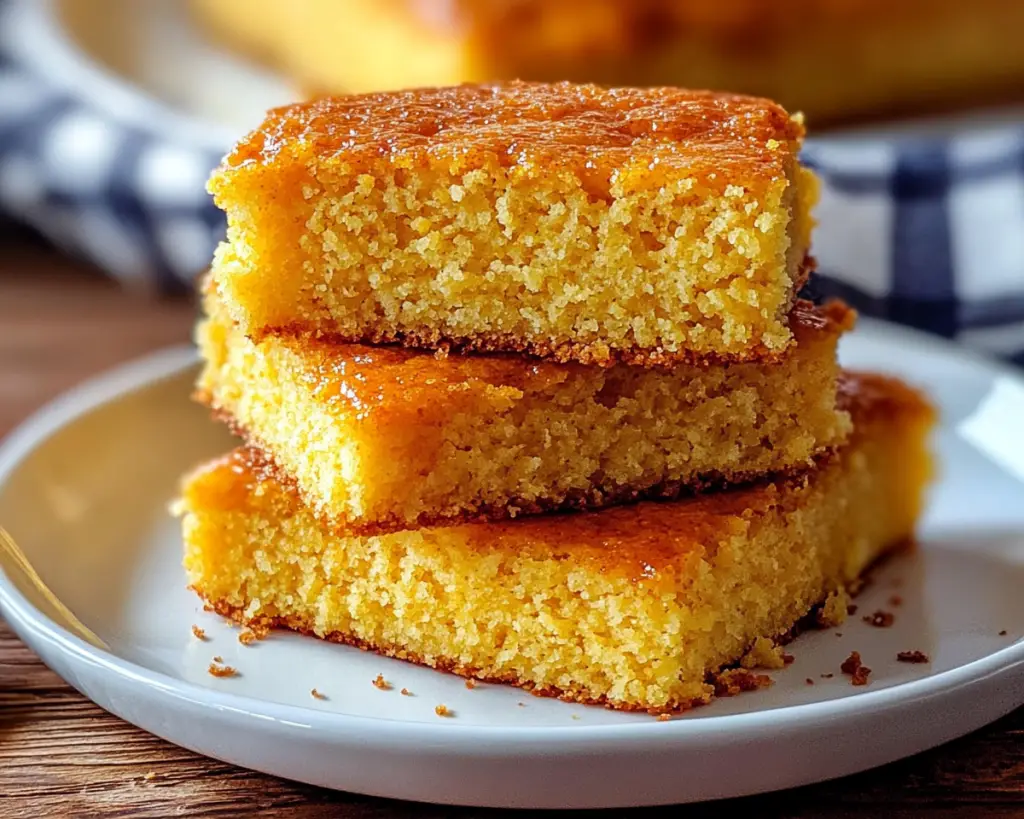
Classic Southern cornbread is a humble yet delicious bread made primarily from cornmeal. It hails from the southeastern United States, where corn is a staple crop. The bread is often characterized by its **golden crust** and tender interior, which is achieved through the use of **cornmeal**, **buttermilk**, and **baking powder**. You might also find variations that incorporate ingredients like sugar, butter, or eggs to enhance flavor and texture.
Traditionally baked in a cast-iron skillet, the cornbread benefits from the skillet’s heat, creating that sought-after crispy edge. The unique flavor of Southern cornbread is not overly sweet—a perfect balance that complements savory dishes beautifully. It’s the kind of dish that brings friends and families together, often served at gatherings and holidays, reminding us of simpler times spent around the dinner table.
Why You’ll Love This Classic Southern Cornbread
This recipe for classic Southern cornbread has multiple reasons to win you over. Firstly, the **taste** is unparalleled—it’s slightly sweet and savory with a deliciously crumbly texture. Whether you’re serving it with a rich soup, stew, or just enjoying it plain, the flavor will satisfy your cravings.
What sets this recipe apart is its **ease**. With just a handful of ingredients and minimal preparation time, even novice cooks can make this delicious bread with confidence. The baking process is straightforward and doesn’t require complicated techniques—a perfect culinary starting point.
Lastly, it’s an exceptionally **budget-friendly** dish. The ingredients involved—cornmeal, flour, milk, eggs, and butter—are often on hand in most kitchens, so you don’t need to break the bank to create a delightful homemade treat. Plus, with the possibilities for customization, whether you want to add cheese, jalapeños, or herbs, the cornbread can cater to various palates and preferences.
Ingredients You’ll Need
- 1 cup cornmeal: The main ingredient that gives cornbread its name, adds texture, and provides that distinctive corn taste.
- 1 cup all-purpose flour: This helps to lighten the texture and ensures the cornbread rises nicely.
- 1 tablespoon baking powder: A key leavening agent that helps the bread rise and become fluffy.
- ½ teaspoon salt: Enhances the flavors of the other ingredients in the cornbread.
- 1 cup buttermilk: Adds moisture and tanginess, which balances well with the sweetness of the cornmeal.
- 2 large eggs: These act as a binding agent and add richness to the cornbread.
- ¼ cup melted butter: Contributes to the moisture and flavor, creating a tender crumb.
Each ingredient in this classic Southern cornbread plays a pivotal role, and they’re easy to swap out if needed. For example, if you don’t have buttermilk on hand, you can make a quick substitute by stirring a tablespoon of vinegar or lemon juice into regular milk and letting it sit for about five minutes.
How to Make Classic Southern Cornbread
Making classic Southern cornbread is quick and straightforward. Follow these steps for the perfect result:
- Preheat the oven: Start by preheating your oven to 425°F (220°C). While waiting, you can prepare the batter.
- Grease the skillet: Use a 9-inch cast-iron skillet or a baking dish, and add a little bit of butter or oil to coat the bottom and sides. Place the skillet in the oven to heat up as well, which will help create a crispy crust on the cornbread.
- Combine dry ingredients: In a large mixing bowl, whisk together the cornmeal, flour, baking powder, and salt until well combined. Make sure there are no lumps as this will help in achieving a uniform texture.
- Mix wet ingredients: In a separate bowl, whisk the buttermilk and eggs together. Then add the melted butter to this mixture, stirring until everything is well-blended.
- Combine mixtures: Pour the wet ingredients into the bowl with the dry ingredients. Gently mix until just combined—be careful not to overmix as this can result in a dense cornbread.
- Pour batter into skillet: Carefully remove the hot skillet from the oven (remember, it’s hot!). Pour the batter into the skillet, smoothing it slightly with a spatula if necessary. You should hear a slight sizzle as the batter hits the hot skillet—this is a sign of good things to come!
- Bake the cornbread: Place the skillet back in the oven and bake for 20-25 minutes, or until the top is golden brown and a toothpick inserted in the center comes out clean. The edges should be crisp and possibly pulling away from the sides of the skillet.
- Let it cool: Once out of the oven, allow the cornbread to cool in the skillet for about 10 minutes. This will help make it easier to remove from the skillet.
- Serve: Carefully invert the skillet onto a plate or, if you prefer, slice the cornbread directly in the skillet. Serve warm with butter or your favorite toppings.
When baked correctly, you will end up with cornbread that has a delightful crunch on the outside and a soft, moist inside. The aroma will fill your kitchen and have everyone eagerly anticipating a slice.
5 Variations & Substitutions
Cheesy Cornbread Variation: For cheese lovers, adding shredded cheddar or pepper jack cheese into the batter before baking elevates the cornbread to new levels of flavor. The gooey cheese will create pleasant pockets of richness throughout the bread, and it pairs wonderfully with chili or barbecue dishes. Use about 1 cup of shredded cheese, which will provide a delightful salty contrast to the slightly sweet corn.
Jalapeño Cornbread Variation: If you enjoy a bit of heat, diced jalapeños are a fantastic addition to your cornbread. Add about ½ cup of finely chopped jalapeños to the batter. This variation brings a kick that elevates the overall profile of the cornbread. Pair it with creamy toppings like sour cream or even serve it with a chunky guacamole.
Sweet Cornbread Variation: For those who prefer a sweeter cornbread, you can increase the sugar content. Adding 1-2 tablespoons of sugar will give the cornbread a sweeter note, making it distinctively delightful. You can complement the added sweetness with honey or maple syrup as a topping, making it perfect for breakfast or brunch.
Herbed Cornbread Variation: Incorporating fresh herbs like rosemary, thyme, or chives into the batter can lend a unique flavor dimension. Start with 2 tablespoons of finely chopped fresh herbs to enhance the savory profile of the cornbread. This version is ideal for pairing with roasted meats or hearty vegetable dishes.
Gluten-Free Cornbread Variation: For a gluten-free option, you can substitute all-purpose flour with a **gluten-free flour blend**. Ensure that the blend contains xanthan gum, which will help mimic the structure that gluten provides. This way, anyone with gluten sensitivities can enjoy this comforting Southern dish without sacrificing taste or texture.
Common Mistakes to Avoid
When it comes to baking cornbread, there are a few pitfalls you’ll want to avoid to ensure perfect results. One common mistake is **overmixing the batter**. Cornbread should be mixed gently until the wet and dry ingredients are just combined. Overmixing can lead to a tough texture rather than a light, fluffy cornbread.
Another issue is not preheating the cast-iron skillet. Skipping this step may prevent that desirable crispness on the edges of the cornbread. Make sure to give your skillet sufficient time to heat in the oven before adding the batter. Always use caution when handling a hot skillet to avoid burns.
Finally, neglecting to check for doneness can leave you with undercooked cornbread. Always test for doneness by inserting a toothpick into the center of the bread—if it comes out clean, your cornbread is ready; if it doesn’t, give it a few more minutes.
Storage, Freezing & Reheating Tips
Properly storing cornbread can help maintain its freshness. If you have leftover cornbread, wrap it in plastic wrap or aluminum foil, or place it in an airtight container. Allow the cornbread to cool completely before wrapping to avoid excess moisture buildup, which can lead to sogginess.
You can keep cornbread at room temperature for up to three days or refrigerate it for up to a week. If you wish to enjoy cornbread later, freezing is a great option. Wrap individual slices in plastic wrap, then place them in a freezer-safe bag. Cornbread can be frozen for up to three months.
To reheat, you can either microwave individual slices for a quick fix or place the entire loaf in the oven. Reheat at 350°F (175°C) for about 10-15 minutes, covered loosely with foil to prevent drying out. Always check for doneness as reheating times may vary based on your oven.
Frequently Asked Questions
Can I use regular milk instead of buttermilk?
Yes, you can use regular milk if you don’t have buttermilk on hand. To mimic the acidity of buttermilk, add a tablespoon of white vinegar or lemon juice to your milk and let it sit for about five minutes before using. This will help create a similar flavor and texture.
How do I know when my cornbread is done baking?
The best way to test if your cornbread is done is by inserting a toothpick into the center. If it comes out clean or with just a few crumbs attached, your cornbread is likely ready. The top should also be golden brown and slightly pulling away from the sides of the pan.
Can I make cornbread ahead of time?
Absolutely! Cornbread can be made ahead of time and stored for later use. Simply make the cornbread as per the recipe, let it cool completely, then wrap it up and store it in a cool, dry place or freeze it for longer storage.
Why does my cornbread stick to the pan?
If your cornbread sticks, it may be due to not greasing the skillet adequately or not preheating it. Always use enough butter or oil to coat the skillet, and make sure it’s hot before adding the batter. This helps to create a non-stick surface.
Can I customize this cornbread recipe easily?
Yes, one of the great things about cornbread is its versatility. You can easily add ingredients like cheese, jalapeños, or herbs for various flavor profiles. Just remember to adjust the wet or dry ingredients, so the ratio remains balanced.
Conclusion:
This classic Southern cornbread recipe is not only simple to make, but it’s also a delightful addition to any meal. With its golden crust, soft crumb, and versatile flavor, it can be customized to meet various tastes and preferences. Don’t hesitate to share this recipe with loved ones, and I encourage you to try it for yourself. Whether it’s for a special occasion or an everyday meal, this cornbread will surely evoke smiles and full bellies. Get that skillet ready and start baking!