Prep time: 20 minutes
Cook time: 15 minutes
Total time: 35 minutes
Servings: 4
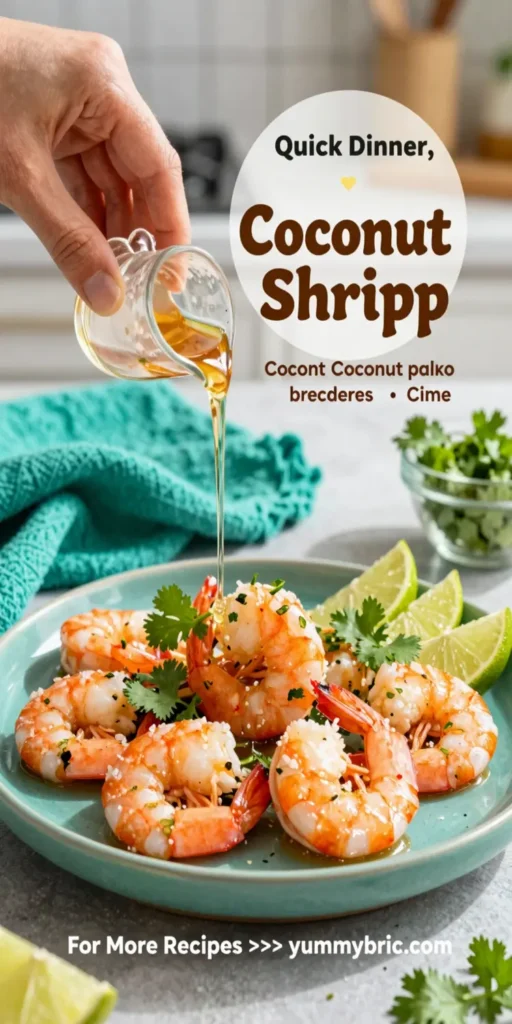
Coconut shrimp is a delectable dish that brings a tropical flair straight from your kitchen to your dinner table. The crunchy texture of the shrimp paired with the luscious sweetness of coconut makes this dish a favorite among seafood lovers and those seeking something a little different. This recipe is simple yet delicious, ideal for both novice cooks and seasoned chefs wanting to impress their guests. Whether for a family dinner or a special occasion, coconut shrimp can steal the show with its delightful flavor and appealing presentation.
What Is Coconut Shrimp?
Coconut shrimp is a popular appetizer that features shrimp coated with a mixture of shredded coconut and breadcrumbs, creating a crispy texture. The shrimp are usually dipped in a batter or egg wash before being coated in the coconut mixture and deep-fried or baked until golden. The tropical coconut flavor, combined with tender shrimp, makes each bite a mini vacation for your taste buds. This dish often pairs well with a sweet chili sauce or a tangy dipping sauce, which adds a wonderful contrast to the coconut’s sweetness.
Why You’ll Love This
There are countless reasons to love coconut shrimp. First, it’s the ultimate combination of flavors and textures: crispy on the outside, juicy on the inside, and with a delightful sweetness that makes it a perfect tantalizing treat. Second, this dish is versatile – it serves beautifully as an appetizer, a party snack, or even a main course alongside rice and veggies. Third, the preparation is straightforward, making it accessible to busy parents or beginners in the kitchen. The fun of creating this dish can often be enriched by enlisting the help of little ones, making it a family activity that yields delicious results.
Ingredients You’ll Need
- Shrimp (1 pound, peeled and deveined): Fresh, large shrimp work best. They should be cleaned and deveined for optimal texture.
- All-purpose flour (1 cup): This will help the coconut adhere to the shrimp.
- Eggs (2 large): They act as a binding agent, ensuring your coating sticks beautifully.
- Shredded coconut (1 cup, unsweetened): Provides that delicious coconut flavor and crunchy texture.
- Breadcrumbs (1 cup): Helps to create a crispy outer layer. You can use panko for extra crunch.
- Salt and pepper: For seasoning; these basic ingredients enhance the flavor of the shrimp.
- Oil (for frying): Canola or vegetable oil works best for frying; it has a high smoke point and imparts no additional flavor.
How to Make
- Begin by preparing the shrimp. If they are not already peeled and deveined, take the time to clean them thoroughly, ensuring they are ready for an amazing coating. Pat them dry with a paper towel to remove excess moisture, which will help the coating stick better.
- Set up a dredging station to create an efficient assembly line. On one plate, add the all-purpose flour mixed with a pinch of salt and pepper. On another plate, crack the eggs and whisk them until well blended. On a third plate, combine the shredded coconut and breadcrumbs, mixing them thoroughly.
- Coat each shrimp in flour, shaking off any excess. Then dip it into the egg wash, ensuring it’s completely covered, before finally rolling it in the coconut-breadcrumb mixture. Press gently to ensure the coating adheres well. Repeat the process for all the shrimp.
- In a large skillet, heat at least half an inch of oil over medium heat until hot (about 350°F). You can test this by dropping in a small piece of the coating; if it sizzles immediately, the oil is ready for frying.
- Carefully place the coated shrimp into the hot oil, being careful not to overcrowd the pan. Fry in batches if necessary. Cook until golden brown, roughly 2-3 minutes on each side. Adjust the heat as needed to maintain the oil’s temperature, avoiding burning.
- Once golden brown, transfer the fried shrimp onto a paper towel-lined plate to drain any excess oil. Let them cool slightly before serving to allow the crispy coating to firm up.
Variations & Substitutions
Spicy Coconut Shrimp: If you’re looking to add a spicy kick to your coconut shrimp, incorporate some cayenne pepper or red pepper flakes into your breadcrumbs. This enhancement complements the sweetness of the coconut, creating a delightful contrast. You can also serve the shrimp with a spicy dipping sauce made from sriracha mixed with mayonnaise for an exciting flavor explosion.
Oven-Baked Coconut Shrimp: For a healthier alternative, consider baking your coconut shrimp instead of frying. Preheat your oven to 425°F. After coating your shrimp, place them on a baking sheet lined with parchment paper and spray them lightly with cooking oil. Bake for about 10-12 minutes, flipping halfway through, until they turn golden and crispy.
Substitutions for Dietary Needs: If you’re looking to make this recipe gluten-free, substitute all-purpose flour with almond flour or gluten-free flour, and use gluten-free breadcrumbs. This ensures everyone can enjoy coconut shrimp without dietary concerns. For those avoiding seafood, this recipe can easily be adapted using chicken tenders or even firm tofu for a vegetarian option.
Common Mistakes to Avoid
One common mistake when making coconut shrimp is **overcrowding the pan**. If you add too many shrimp at once, the oil temperature will drop, resulting in soggy shrimp rather than crispy ones. It’s essential to fry in small batches to maintain the right temperature.
Another issue is **not preparing the shrimp properly**. Ensure the shrimp is thoroughly dried after washing to prevent the coating from becoming soggy instead of crunchy.
Finally, **neglecting to season the flour** can lead to bland tasting shrimp. Always add some salt and pepper into the flour mixture to enhance the overall flavor of your dish.
Storage, Freezing & Reheating Tips
Leftover coconut shrimp can be stored in an airtight container in the refrigerator. To ensure optimal taste, consume within 2-3 days. For longer storage, consider freezing the shrimp. Place the cooled shrimp on a baking tray in a single layer and freeze for a few hours. Once frozen, transfer them to a zip-top bag for up to 3 months.
To reheat, oven-baking is highly recommended to preserve the crispness. Preheat your oven to 375°F, place the shrimp on a baking sheet lined with parchment paper, and heat for about 10-12 minutes or until warmed through. Avoid microwaving, as this can leave the batter not crispy.
Frequently Asked Questions
Can I use frozen shrimp for this recipe? Yes, you can use frozen shrimp. Just make sure to thaw them properly before cooking, ideally overnight in the refrigerator. Make sure to dry them thoroughly to prevent the coating from becoming soggy.
What dipping sauce pairs well with coconut shrimp? A sweet chili sauce is a classic choice that complements the flavor beautifully. Alternatively, a tangy mango salsa or a spicy aioli can add an exciting twist that elevates the overall dish.
Is coconut shrimp healthy? While delicious, coconut shrimp is best enjoyed in moderation. It’s fried, which adds calories and fat. However, by choosing an oven-baked variation, you can make it a healthier option while still enjoying the flavor you crave.
Can I make coconut shrimp ahead of time? Yes, you can prep the shrimp and coat them ahead of time. Store them in the refrigerator for up to a couple of hours before frying or baking. This allows for smooth cooking and serving without much hassle during your meal.
What type of shrimp is best for cooking? Large, fresh shrimp are ideal for this recipe due to their meaty texture and flavor. Look for shrimp labeled as “jumbo” or “large” at your local market. Additionally, wild-caught shrimp are often preferred for sustainability and taste.
Conclusion: Coconut shrimp is an exciting and indulgent treat that can elevate any meal with its tropical flavors and delicious textures. With a few simple steps and well-selected ingredients, you can create a dish that will impress anyone who tries it. Don’t hesitate to experiment with different variations and make this dish your own, adding a personal touch that reflects your unique taste. Enjoy the process of cooking, and relish each delightful bite of your homemade coconut shrimp!