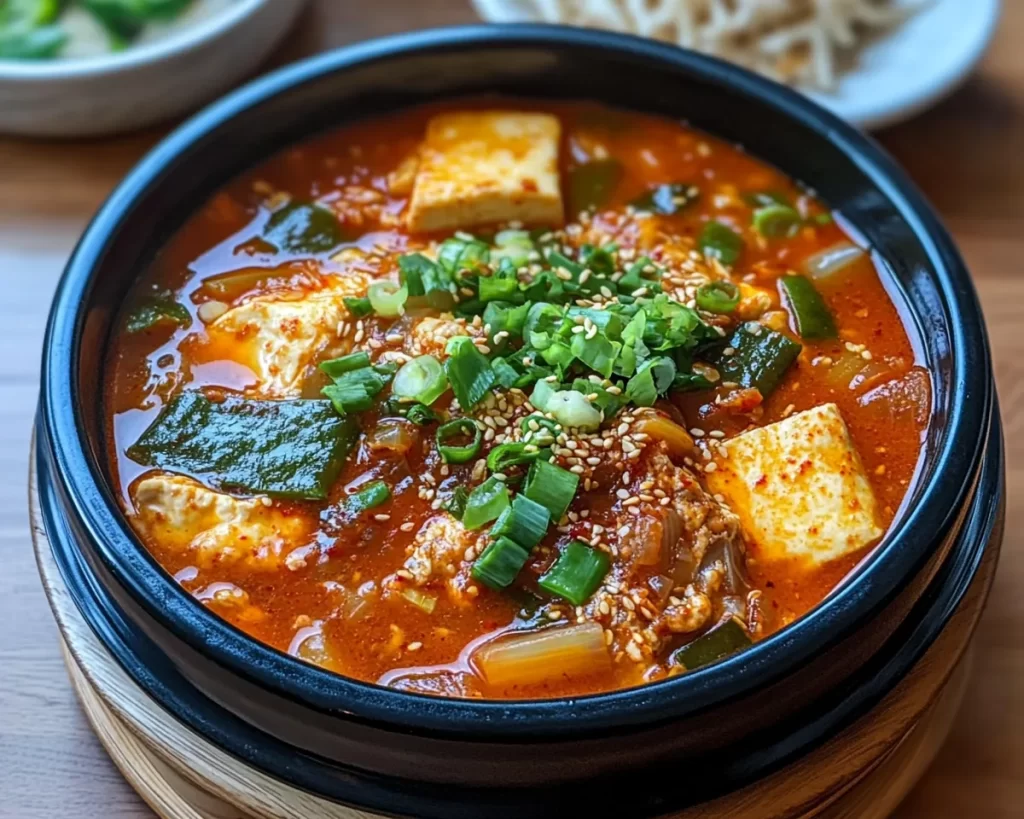
Prep time: 15 minutes
Cook time: 45 minutes
Total time: 1 hour
Servings: 4
There’s something inherently comforting about a warm bowl of stew, especially when it conjures up memories of family and home. For many, Korean jjigae is a beloved staple that embodies the essence of heartwarming meals. Eleven years ago, I first tasted my grandpa’s version of jjigae, enriched with an array of flavors that danced upon my palate. The gentle aroma wafting from the kitchen, combined with its rich, hearty texture, is a memory forever etched in my mind. This easy jjigae recipe offers not just a meal, but a slice of familial love that you can recreate in your own kitchen. In this guide, you’ll discover how to whip up this easy Korean stew, including tips for perfecting your dish, various twists you can try, and even some techniques to avoid common pitfalls.
What Is Comforting Grandpa’s Jjigae: Easy Korean Stew Recipe?
Comforting Grandpa’s Jjigae isn’t just food; it’s an experience, a representation of Korean culture and heritage brick-walled into a single bowl. Traditionally, jjigae is a style of stew that can vary widely based on region, season, and personal preference. The beauty of this dish lies in its versatility, where the base may include ingredients like tofu, vegetables, and various proteins—beef, chicken, or seafood. The key to a delectable jjigae is achieving a harmonious balance of flavors, complemented by a careful layering of ingredients. Expect a medley of spices, rich broth, and an inviting aroma that fills the room.
The texture of grandpa’s jjigae is something to marvel at. When you take a spoonful, you experience tender bites of meat or tofu, accompanied by the slight bite of fresh vegetables and a deliciously velvety broth. The blend of spices offers warmth with a hint of spiciness that lingers pleasantly long after you’ve enjoyed your meal. Each scoop tells a story—of love, of comfort, and of delightful childhood memories spent around the dinner table. This easy Korean stew recipe is perfect for weeknight dinners, yet special enough for gatherings, ensuring it’s a dish you’ll want to bring to your table time and time again.
Why You’ll Love This
Grandpa’s jjigae is not only delightful to the senses, but it is also a dish that checks all the boxes for ease, taste, and budget! One of the main benefits of jjigae is its **versatility**; you can easily customize it based on your preferences or what you have on hand. It cooks quickly, making it a great option for busy parents or anyone needing a hearty meal without the fuss. The rich, savory flavors come together effortlessly while you chop your veggies and protein.
Another aspect you’ll love about this dish is its **cost-effectiveness**. Ingredients are generally affordable and can often be found in your kitchen already. Plus, the **health benefits** are significant; this stew can be packed with nutrients, from fresh vegetables to lean proteins. Eating a bowl of jjigae is not just a delicious choice but a nourishing one as well.
Common misconceptions about jjigae include the idea that it must be complicated to make or require exotic ingredients. Rest assured, this recipe is designed for beginners and seasoned cooks alike. You might find that some people hesitate to try it, thinking it will be time-consuming or labor-intensive, but that’s far from the truth. In reality, making jjigae is as simple as chopping ingredients, allowing them to simmer in a pot, and serving them to loved ones.
Ingredients You’ll Need
- 1 lb (450g) beef, tofu, or chicken – Choose your protein, as it provides the heart of the stew. If you’re looking for a vegetarian option, firm tofu works wonderfully.
- 1 medium onion, sliced – The onion forms the flavor base of the dish, providing sweetness.
- 2 medium carrots, sliced – Carrots add a touch of sweetness and vibrant color.
- 1 zucchini, sliced – The zucchini contributes a lovely texture and absorbs the broth beautifully.
- 1 cup mushrooms, sliced – Savory and earthy, mushrooms enhance the depth of flavor.
- 3-4 cups of broth (vegetable or beef) – The broth is essential as it is the liquid in which the flavors are drawn out.
- 2 tablespoons of gochujang (Korean chili paste) – This ingredient is crucial for adding spice and depth; you can adjust the amount based on your heat preference.
- 1 tablespoon of soy sauce – Soy sauce adds the necessary umami component.
- Salt and pepper to taste – Essential for bringing out all the flavors of the ingredients.
- Sesame oil (for drizzling) – Offers a beautiful aroma and enhances the flavors further.
- Green onions (for garnish) – These add a fresh, zingy finish to the dish.
Each ingredient has its own role in the stew; from providing taste and texture to enriching the broth. For variations, consider using different vegetables or proteins, adapting the recipe to accommodate various dietary needs. Remember that fresh ingredients will yield a more flavorful and aromatic stew.
How to Make
- Prepare the Ingredients: Start by prepping all your ingredients. Chop the beef or tofu into bite-sized pieces and slice all your vegetables. Having everything ready will make the cooking process smooth and enjoyable.
- Sauté the Base: In a large pot, heat a bit of oil over medium heat. Add the sliced onions first, and sauté until they become translucent. This step adds a sweet flavor base to your stew. Next, add your chosen protein to the pot and cook until browned.
- Add Vegetables: Toss in the sliced carrots, zucchini, and mushrooms into the pot after the protein is browned. Let them sauté with the meat for a few minutes; this allows the vegetables to absorb the flavors.
- Pour in the Broth: Carefully pour in the broth until it covers the ingredients. The amount can vary based on how thick you want the jjigae. If you prefer a thicker stew, you can start with only a few cups and then adjust as needed.
- Incorporate Seasoning: Add the gochujang, soy sauce, and a sprinkle of salt and pepper. Stir well to ensure everything is evenly combined. Taste the broth and adjust the seasoning if necessary; this is vital to achieving that rich flavor you’re looking for.
- Simmer: Allow the jjigae to simmer on low heat for about 30 minutes. This slow cooking lets all the flavors meld together. Check occasionally, giving it a gentle stir, and add more broth if it appears to be thickening too much.
- Finish and Serve: Once ready, drizzle a little sesame oil on top and stir in freshly chopped green onions for added flavor. Serve piping hot in deep bowls, perhaps with steamed rice for a balanced meal. Enjoy this Korean comfort food with your loved ones!
Variations & Substitutions
Vegetable Jjigae: For a delightful vegetarian twist, focus this jjigae on using a variety of fresh vegetables. Replace meat with tofu or skip it altogether for a lighter dish. This version allows the natural flavors of vegetables to shine through, bringing a fresh feel to a traditional stew. You can use ingredients such as spinach, cabbage, or bell peppers, ensuring that even the most dedicated meat-eaters will find satisfaction in every spoonful.
Spicy Seafood Jjigae: Switch things up by incorporating assorted fresh seafood such as shrimp, squid, or clams. The seafood cooks quickly, so add it towards the end of the cooking process to maintain tenderness. This variation introduces a briny depth to the jjigae, while also delighting those craving a flavorful seafood experience. Simply adjust the amount of gochujang to accommodate the seafood’s delicate flavors.
Kimchi Jjigae: For an extra kick of flavor and tanginess, add fermented kimchi to your stew. This variant is a favorite among those who enjoy the unique taste of fermented foods. To make kimchi jjigae, simply add diced kimchi to the pot when sautéing the onions; the fermentation adds a bold flavor depth and extra nutrients. Chill the kimchi slightly before using if it’s been in the fridge for a few days to enhance its flavor profile.
Common Mistakes to Avoid
When making jjigae, it’s essential to pay attention to not overcook your vegetables. Overcooked vegetables can lose their texture and color, becoming mushy rather than contributing to the comforting texture of the stew. Always add vegetables in stages, considering their cooking times. Similarly, if you severely under-season, the dish may taste bland. Always remember to taste the broth as it simmers.
Another common mistake is using cold ingredients in the soup. Ensure all your ingredients are at room temperature when you start cooking. This helps the broth come to a boil quickly, enabling flavors to meld effectively. Lastly and most importantly, avoid using too much water, which will dilute the flavors and result in a less satisfying dish. Aim for a balance between broth and ingredients for optimum flavor and warmth.
Storage, Freezing & Reheating Tips
Storing your jjigae is straightforward! After it cools down, you can transfer it into an airtight container and keep it in the fridge for up to 3 days. If you wish to freeze your jjigae, consider leaving out any ingredients that may not freeze well, such as tofu or certain vegetables, and add them fresh when reheating. This allows you to enjoy the dish’s ideal texture and taste.
To freeze, portion it into freezer-safe containers, but ensure that you leave space for expansion. When you are ready to consume, thaw it overnight in the refrigerator before reheating. You can warm jjigae gently on the stove over low heat or in the microwave; just ensure it’s heated throughout for safety. If the stew thickens during refrigeration, you can add a bit of water or broth while reheating to restore the desired consistency.
Frequently Asked Questions
Can I use store-bought broth? Yes, store-bought broth is perfectly fine for making jjigae. You can choose from vegetable, chicken, or beef broth based on your preference or dietary restrictions. Just make sure it’s low-sodium, as this allows you to control how salty your dish becomes.
What can I substitute for gochujang? If you cannot find gochujang in your local grocery store, you can use a mix of chili powder and miso paste as a substitute. While it won’t provide the exact same flavor, it will lend a nice heat and depth to your jjigae. Additionally, you can make a homemade version by mixing chili powder, soy sauce, and a touch of sugar.
How can I make it vegan? To easily turn jjigae into a vegan-friendly meal, simply replace any meat or animal-based broth with vegetable broth and use tofu or a variety of vegetables instead. You can also add legumes like chickpeas for additional protein.
Can I make jjigae in advance? Absolutely! Preparing jjigae in advance allows the flavors to deepen as they sit. However, it’s best not to add delicate vegetables until just before serving to maintain their crunch. Prepping in advance is a time-saving method for busy weeks.
What is the best way to serve jjigae? JJigae is typically served hot in deep bowls, often accompanied by a portion of steamed rice. You can sprinkle fresh green onions on top for a touch of brightness and serve alongside traditional Korean side dishes, known as banchan, to round out your meal.
Conclusion:
In summation, Comforting Grandpa’s Jjigae is not just a dish; it’s a tradition filled with love and warmth. This easy Korean stew recipe will not only tickle your taste buds but also provide you with a comforting embrace after a long day. Whether you decide to stick with the classic ingredients or experiment with various adaptations, you’ll find joy in every cooking moment. So gather your loved ones, and savor the delightful vacation this Korean stew provides. It’s time to share this comforting dish and create your own memorable moments around the table.