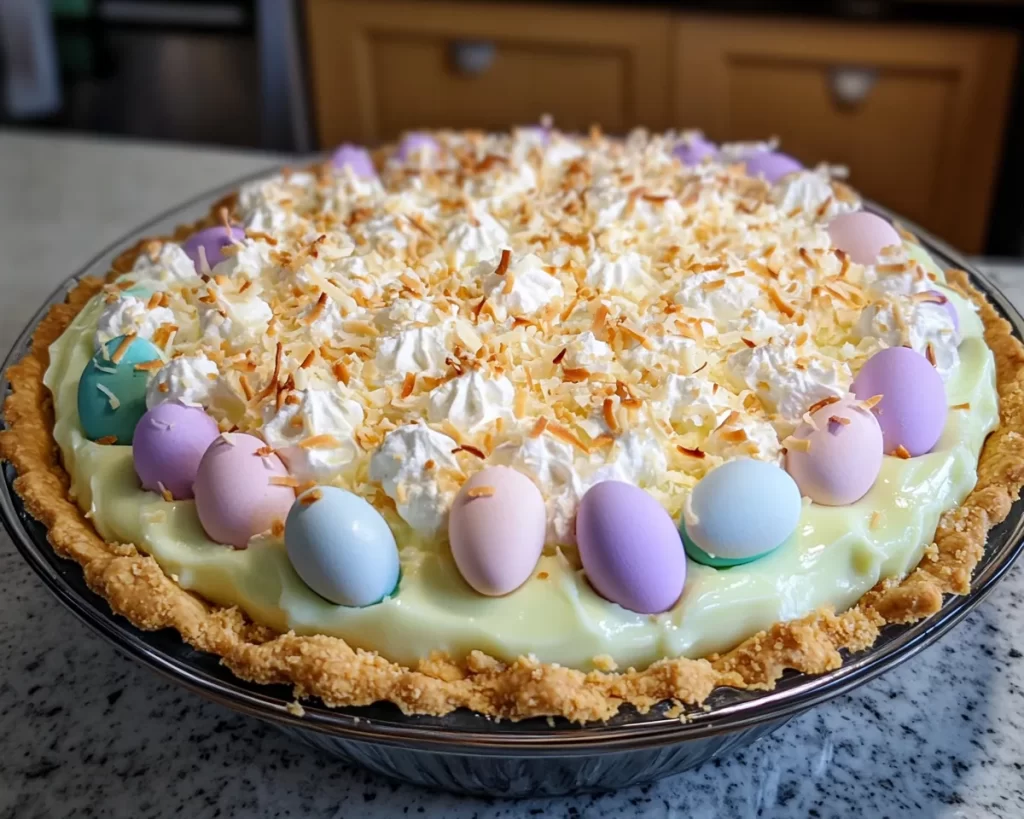
Prep time: 30 minutes
Cook time: 25 minutes
Total time: 55 minutes
Servings: 8 servings
There’s something undeniably special about an Easter gathering. The aroma of spring flowers in the air, laughter among family and friends, and of course, delightful desserts gracing the table. One particular gem that never fails to spark joy is the **Easter Coconut Cream Pie**. Imagine slicing into a luscious pie with a flaky crust, revealing layers of velvety coconut cream, and crowned with a cloud of fluffy whipped cream. Each bite transports you to a world of tropical bliss, making it an irresistible choice for special occasions.
The beauty of this recipe lies in its classic appeal while offering a modern twist with the addition of coconut. Whipping up this delightful pie is simpler than it seems, with straightforward ingredients that many of us have on hand. By the end of this article, not only will you master the art of crafting the perfect **Easter Coconut Cream Pie**, but you’ll also discover tips, variations, and even ways to avoid common pitfalls. It’s a celebration of flavors that brings together nostalgia and innovation in one stunning dessert.
What Is Easter Coconut Cream Pie?
**Easter Coconut Cream Pie** is a delightful dessert that blends the rich flavors of coconut with a traditional custard base, often enjoyed during holiday gatherings. Originating from classic American pie recipes, this variation incorporates shredded coconut, which adds a delightful chewiness and an unmistakable tropical aroma. The piquant sweetness of the coconut complements the rich vanilla flavor of the custard, creating a symphony of textures and tastes.
At its core, this pie features a tender, flaky crust that envelops a creamy coconut filling. The filling is typically made from a combination of milk, eggs, sugar, and cornstarch, which thickens beautifully as it cooks. Once baked and cooled, it is lavishly topped with freshly whipped cream and toasted coconut for an elegant finishing touch. The contrast of the smooth filling with the crunch of the toasted coconut enhances the experience, making each slice a celebration of flavors and textures.
Enjoying this pie is more than just about taste. It evokes cherished memories of family gatherings, sunny afternoons, and joyous celebrations where desserts steal the show. The **Easter Coconut Cream Pie** is not just a dish; it’s a symbol of love, care, and tradition, making it a must-have at any festive table.
Why You’ll Love This
There are numerous reasons to fall head over heels for **Easter Coconut Cream Pie**. First and foremost, the flavor is simply out of this world. The creamy coconut filling combined with a *hint of sweetness* creates a delectable balance, making it wonderfully satisfying. If you’re a fan of tropical flavors, this pie will quickly become a staple in your dessert repertoire.
Additionally, the ease of preparation makes it a favored choice among home cooks, whether you are a beginner or a seasoned chef. Most of the ingredients are simple and affordable, allowing you to whip up a stunning dessert without breaking the bank. This recipe proves that you don’t need to be a culinary expert to impress your guests; even novice bakers can create a pie that looks and tastes like it came from a gourmet bakery.
Common misconceptions about cream pies suggest that they are complicated or tedious. With this recipe, you’ll learn just how straightforward it can be. By following the step-by-step instructions, you can easily navigate through the process, ensuring a successful outcome every time. Moreover, there are endless possibilities for customization, allowing you to tailor the pie to your taste preferences or dietary needs, making it versatile for various occasions.
Ingredients You’ll Need
- Pie crust: You can use store-bought or homemade for this recipe. It provides a buttery and flaky base that complements the creamy filling.
- Coconut milk: This serves as the base for the filling, giving it a rich coconut flavor. You can substitute it with whole milk or almond milk if preferred.
- Shredded coconut: Sweetened or unsweetened, this ingredient adds texture and flavor. Opt for unsweetened if you’re watching your sugar intake.
- Sugar: Regular granulated sugar works best, providing the necessary sweetness to balance the coconut’s natural flavors.
- Eggs: Eggs help thicken the pie filling and add richness. Make sure to use fresh eggs for the best taste.
- Cornstarch: This thickening agent ensures a smooth and creamy filling. Be cautious not to overcook it, or it may become lumpy.
- Vanilla extract: A key flavor enhancer, vanilla elevates the overall taste of the pie. Use high-quality pure vanilla extract for the best results.
- Heavy cream: For topping, freshly whipped cream adds lightness and richness. Avoid pre-made whipped toppings for the best flavor.
- Toasted coconut: Used as a garnish, it not only enhances the presentation but also adds a delightful crunch.
Understanding each ingredient helps you appreciate its role in creating the pie’s wonderful flavors and textures. Additionally, it allows for easy substitutions if you’re working with dietary restrictions or personal preferences.
How to Make
Now that you have an overview of the deliciousness waiting for you, let’s dive into the steps of making your own **Easter Coconut Cream Pie**. Each step is designed to be easy to follow, ensuring your success in the kitchen.
- Prepare the pie crust: If using a store-bought crust, simply follow the instructions on the package. If you prefer homemade, preheat your oven to 375°F (190°C) and roll out your dough. Lay it in a 9-inch pie pan, and trim the edges. Prick the bottom with a fork to prevent bubbling. Bake for 15-20 minutes or until golden brown, then let it cool completely.
- Make the coconut filling: In a medium saucepan, combine the coconut milk, shredded coconut, and sugar. Heat the mixture over medium heat until it’s steaming but not boiling. In a separate bowl, whisk together the eggs and cornstarch until smooth. Gradually pour in half of the heated coconut mixture into the egg mixture while whisking constantly to temper the eggs. This will prevent them from scrambling. Pour the tempered mixture back into the saucepan and continue to cook over medium heat, stirring constantly until the mixture thickens to a custard-like consistency, about 5-7 minutes. Remove from heat and stir in the vanilla extract.
- Assemble the pie: Pour the thickened coconut filling into the cooled pie crust, smoothing it out with a spatula. Allow the pie to chill in the refrigerator for at least 4 hours or until set. This step is crucial for achieving the right texture, so be patient!
- Create the whipped topping: Once your pie has set, it’s time to prepare the whipped cream. In a mixing bowl, beat the heavy cream with an electric mixer until soft peaks form. Gradually add powdered sugar to taste and continue to beat until stiff peaks form. This whipped cream will top your pie and add a fluffy contrast to the creamy filling.
- Garnish and serve: Spread the whipped cream over the chilled coconut filling, smoothing it out evenly. For a beautiful presentation, sprinkle toasted coconut on top. Slice into generous servings, and enjoy the blissful flavors of your **Easter Coconut Cream Pie**!
Taking your time with each step ensures that every element of the pie is executed perfectly. From the golden-brown crust to the fluffy whipped cream topping, you’ll be rewarded with a dessert that will impress everyone at your gathering.
Variations & Substitutions
Almond Coconut Cream Pie: For a nutty twist, consider incorporating almond extract. Instead of vanilla, add one teaspoon of almond extract to the filling. This variation offers a delightful change, enhancing the tropical flavor profile with a rich, nutty aroma. Additionally, you can top it with sliced almonds for added texture.
Gluten-Free Coconut Cream Pie: To cater to gluten-sensitive guests, use a gluten-free pie crust. There are excellent pre-made options available, or you can create a crust from ground almonds and coconut cookies. This adaptation maintains all the delicious flavors while ensuring that everyone can indulge.
Chocolate Coconut Cream Pie: If you’re a chocolate lover, consider adding cocoa powder to the filling or drizzling melted chocolate over the top before applying the whipped cream. This variation adds a rich chocolate flavor that pairs beautifully with coconut. For an extra touch, consider adding mini chocolate chips to the whipped cream.
Vegan Coconut Cream Pie: To adapt this recipe for a vegan diet, replace the eggs with a mixture of silken tofu and cornstarch for thickening. Use canned coconut milk and sweeten with maple syrup instead of sugar. The whipped topping can be made using coconut cream whipped until fluffy. This version is just as creamy and delicious!
Mini Coconut Cream Pies: For a fun twist, consider making individual servings in muffin tins or small tart shells. This not only makes for easier serving but also creates a delightful presentation. Just adjust the baking time for the crust as they will likely need a shorter time in the oven.
Each of these variations showcases how flexible the base recipe is, allowing you to experiment and make it your own while still enjoying the core flavors that make this pie so beloved.
Common Mistakes to Avoid
When preparing your **Easter Coconut Cream Pie**, there are a few common pitfalls to watch out for. One major mistake is not tempering the eggs properly. If you add the eggs directly into the hot mixture, they can scramble, resulting in an undesirable texture. To avoid this, always whisk a small amount of the hot liquid into the eggs before mixing them back into the saucepan.
Another potential issue is undercooking or overcooking the filling. If you undercook it, the filling will be too runny, while overcooking can result in a grainy texture. To ensure perfect consistency, keep a close eye on the mixture as it thickens, stirring constantly, and remove it from heat once it reaches a custard-like thickness.
Lastly, don’t skip the chilling time! Allowing your pie to fully set in the refrigerator is essential for developing the right texture. Cutting into it too soon can cause the filling to ooze out, rather than maintaining the wonderfully creamy consistency.
Storage, Freezing & Reheating Tips
Proper storage is key to maintaining the freshness of your **Easter Coconut Cream Pie**. If you have leftovers, store them covered in the refrigerator for up to three days. To keep the crust from getting soggy, place a piece of parchment paper between the pie and the lid of the container.
For longer storage, this pie can be frozen. However, it’s crucial to do so before adding the whipped cream topping. Wrap the pie tightly in plastic wrap and aluminum foil, then freeze for up to two months. When you’re ready to enjoy it again, thaw it overnight in the refrigerator and add the whipped cream just before serving to ensure it remains fresh and fluffy.
Reheating is generally not applicable to **Coconut Cream Pie** since it is typically enjoyed chilled. However, if you prefer it at room temperature, allow it to sit on the countertop for about 30 minutes before serving.
Frequently Asked Questions
Can I use fresh coconut instead of shredded coconut? Absolutely! Fresh coconut can add a delightful texture and flavor to your **Easter Coconut Cream Pie**. Just be sure to grate it finely to mimic the texture of shredded coconut, and keep in mind that it may alter the moisture content slightly.
How can I make the filling thicker? If you find that your filling is too thin, consider adding a bit more cornstarch. Mix a small amount of cornstarch with cold water to create a slurry before whisking it into the filling while it’s cooking. This will help achieve a thicker consistency.
Can I make this pie ahead of time? Yes! In fact, making the pie a day in advance is often beneficial. It allows the flavors to meld beautifully and ensures that the filling has set perfectly. Just be sure to top it with whipped cream right before serving.
What can I substitute for coconut milk? If you’re not a fan of coconut milk, you can use whole milk or a non-dairy alternative like almond or soy milk. However, keep in mind that this will alter the flavor slightly, as coconut milk contributes a unique richness.
Is there a way to make this pie less sweet? Yes! Reducing the amount of sugar can be an easy way to adjust the sweetness. You can also use natural sweeteners like honey or maple syrup for a different flavor profile without the extra sweetness.
Conclusion:
In conclusion, the **Easter Coconut Cream Pie** is a harmonious blend of tropical flavors and creamy textures that make it a showstopper at any gathering. With its simple preparation and the option for various adaptations, it’s an accessible dessert for anyone, whether you’re a kitchen novice or a skilled baker. I encourage you to give this recipe a try, unleash your creativity with the variations, and certainly share it with loved ones. After all, nothing brings people together quite like delicious food!