Prep time: 15 minutes
Cook time: 30 minutes
Total time: 45 minutes
Servings: 4
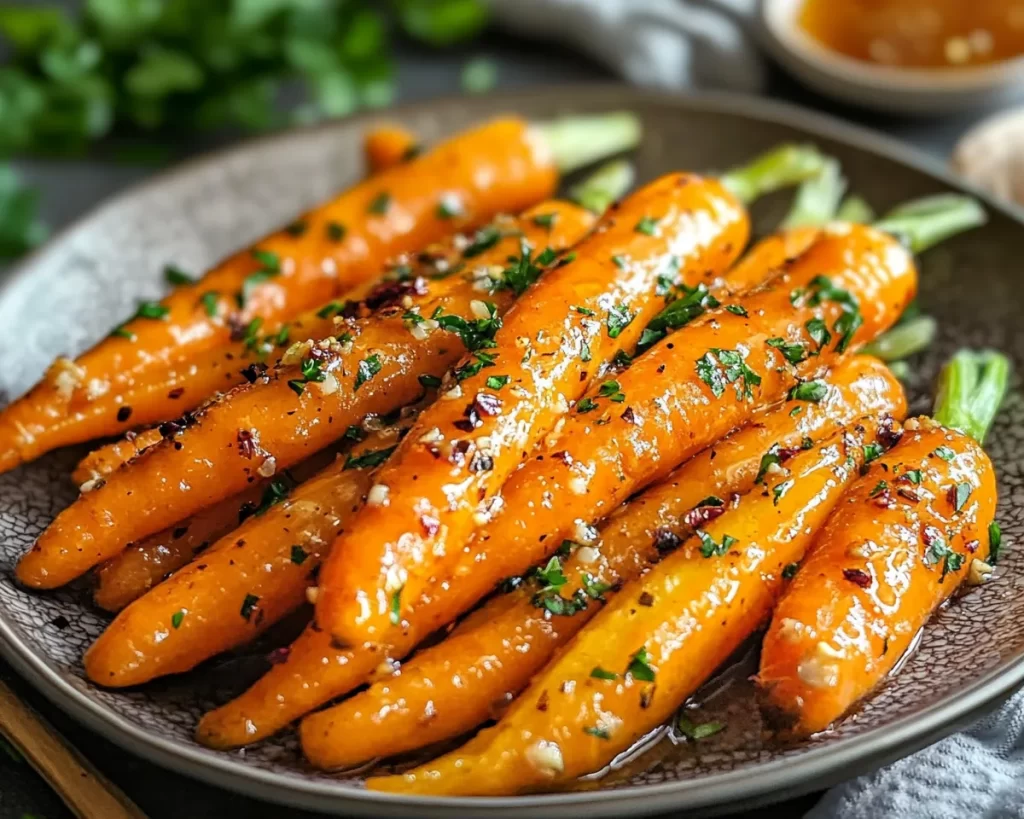
Nothing brings the warmth of a family meal quite like perfectly glazed carrots. If you are looking for a dish that is both visually appealing and incredibly delicious, then look no further than these Easter Glazed Carrots with Honey. This recipe not only serves as a delightful side but also brings a touch of sweetness and brightness to your holiday table. Let the aroma of honey and butter fill your kitchen as you prepare this delightful recipe that will surely impress both guests and family alike.
What makes this dish so special is the combination of fresh, tender carrots with a luscious glaze that comprises honey, butter, and a hint of salt. The natural sweetness of the carrots is elevated by the honey, providing a rich, glossy finish that looks and tastes gourmet. This dish not only offers a beautiful burst of color but also balances the rich flavors of holiday meals, making it a must-try for your gathering. As we dive deeper, I’ll guide you through the process, share cooking tips, and explore variations that cater to different dietary preferences.
What Is Easter Glazed Carrots with Honey?
Easter Glazed Carrots with Honey is a classic side dish often served during spring celebrations and holiday feasts. Carrots, known for their vibrant color and crunchy texture, are transformed when cooked, becoming tender and flavorful. Traditionally, this dish is made by sautéing or boiling fresh carrots until tender and then coating them with a glaze made primarily of honey and a source of fat, typically butter.
The origins of glazed carrots can be traced back to French cuisine, where they are often prepared as a way to enhance the natural sweetness of root vegetables. The caramelization that occurs during the glazing process creates a beautiful, glossy finish, making it an appealing addition to any plate. When paired with the right seasonings, these glazed carrots not only satisfy hunger but also delight the senses through their sweet aroma and delightful texture, merging the concepts of comfort food and gourmet dining.
What sets Easter Glazed Carrots apart from other vegetable sides is their versatility. You can serve this dish as is, or spice it up with variations such as adding herbs or citrus zest. This recipe fits seamlessly into various dietary needs, standing as a center stage to highlight the star ingredient, the humble carrot, which is both nutritious and full of flavor. The result is a side dish that’s not just pleasant to eat, but also brings with it a sense of nostalgia and warmth, ideal for sharing with loved ones during special occasions.
Why You’ll Love This
There are endless reasons to adore these Easter Glazed Carrots with Honey. First and foremost, the taste is simply irresistible. The sweet and buttery glaze perfectly complements the natural earthiness of the carrots, creating a savory yet delicate balance. You’ll find that even those who typically avoid vegetables will be reaching for seconds!
In terms of preparation, this dish is incredibly straightforward, making it perfect for busy parents or anyone who may not consider themselves a culinary expert. With just a handful of ingredients and simple techniques, you can whip up a restaurant-quality side dish in under an hour. Simplicity doesn’t mean sacrificing flavor; you’ll be amazed at how such a straightforward recipe can yield such delectable results.
Moreover, these glazed carrots are budget-friendly. Carrots are often low-cost, especially in spring when they are in season. This recipe encourages healthy eating without breaking the bank, making it an appealing choice for families and individuals alike who are looking to eat well on a budget.
Also noteworthy is the dish’s versatility. You can easily modify it to cater to various dietary preferences or add in seasonal ingredients. For example, substituting maple syrup for honey accommodates those who follow a vegan diet. In addition to being delicious, this dish is a great way to incorporate more vegetables into your daily meals without sacrificing taste or enjoyment.
Ingredients You’ll Need
- Fresh Carrots: The main ingredient; opt for medium-sized carrots for the best size and tenderness. You can substitute with baby carrots for ease and convenience.
- Honey: This natural sweetener enhances the carrots’ sweetness. If vegan, you can substitute with maple syrup or agave nectar.
- Unsalted Butter: It adds richness to the dish. You can also use olive oil or plant-based butter as a substitute for a dairy-free option.
- Salt: Enhances the flavors; a pinch of kosher salt is recommended. Avoid table salt as it may be too salty for this recipe.
- Fresh Parsley (optional): For garnish; adds a pop of color and freshness. Feel free to skip if you don’t have it on hand.
Each ingredient plays a crucial role in this recipe, contributing to the overall flavor and experience of the dish. The freshness of the carrots is essential, as it presents both taste and texture; they should snap when you bite into them, rather than being mushy or overly soft. For the honey, its distinct flavor is what glues everything together, providing not only sweetness but also a lovely stickiness that makes the carrots shine.
If you’re looking to modify any ingredient, consider what will best suit your specific dietary needs or preferences. The key is to balance flavors while maintaining the core essence of this beautiful dish.
How to Make
To prepare these delightful Easter Glazed Carrots with Honey, follow these simple, yet detailed steps:
- Prepare the Carrots: Start by washing the carrots under cold running water to remove any dirt. Peel them thoroughly using a vegetable peeler. If you’re using larger carrots, chop them into equal-sized pieces, about 1–2 inches in length, to ensure even cooking. If you decide to use baby carrots, you can skip the peeling step but ensure they are scrubbed clean. The goal here is to create uniform pieces that will cook at the same rate.
- Boil the Carrots: In a large pot, fill it with water and bring it to a boil over high heat. Once the water comes to a boil, carefully add the carrots and a pinch of salt. Boil the carrots for about 10 minutes until they are just tender but still have some bite to them; they should not be falling apart. This is an essential step in achieving the perfect texture for your glazed carrots.
- Drain and Dry: After boiling, drain the carrots in a colander and set them aside. It’s important to allow any excess moisture to escape. You can gently pat them dry with a clean kitchen towel, as this will help the glaze adhere better to the carrots. The drier they are, the better the caramelization from the glaze will be.
- Make the Glaze: In a large skillet, melt 2 tablespoons of unsalted butter over medium heat. Once the butter has melted and started to bubble slightly, add the honey to the skillet. Keep stirring the mixture together, allowing it to blend and start to caramelize slightly—this should take about 2-3 minutes. The aroma will be divine, signaling that the glaze is coming together nicely.
- Add the Carrots: Once the glaze is fragrant and bubbling, add the prepared carrots to the skillet. Gently stir them until they are evenly coated in the honey-butter mixture—this should take about 2-3 minutes. You’ll want to ensure every carrot is coated for that rich flavor. You will notice the carrots start to take on a beautiful shine as they absorb the glaze.
- Finish Cooking: Continue cooking the carrots in the glaze for an additional 5–10 minutes on low heat. This allows the carrots to absorb even more of the glaze’s flavor. After about 5 minutes, you can taste one to check for tenderness and sweetness. The goal is to have the glaze caramelize lightly, providing a sticky, sweet coating on the carrots.
- Serve: Remove the skillet from the heat and transfer the carrots to a serving platter. If desired, sprinkle fresh parsley on top for a added color and freshness. Serve these delicious glazed carrots warm as a side dish at your holiday table, and watch as they disappear quickly!
Following these steps will ensure a delightful end product that will leave your guests raving about the flavors and colors of this dish. Each step is simple but crucial in developing that rich and glossy finish that makes glazed carrots such a favorite.
Variations & Substitutions
Honey Maple Glazed Carrots: If you want a new twist, consider using maple syrup in place of honey for a distinct flavor profile that is still delicious! Maple syrup offers a warm and rich sweetness that pairs beautifully with the carrots. This version appeals particularly to vegans or those looking to cut sugar intake, as maple syrup is a natural alternative. When using maple syrup, maintain similar measurements as honey to achieve desired sweetness.
Spiced Glazed Carrots: Elevate your dish with spices! By adding a pinch of cinnamon or nutmeg while glazing the carrots, you introduce a warm flavor that acts beautifully in cooler months. This variation enhances the earthy tones of the carrots and complements holiday spices. To incorporate this, simply sprinkle in the spices once you combine the butter and honey—just a pinch will suffice, as you don’t want to overwhelm the natural flavor of the carrots.
Garlic-Infused Glazed Carrots: For those who enjoy a savory twist, adding minced garlic to the glaze can transform the dish. Sauté 1–2 cloves of minced garlic in the melted butter before adding honey. The garlic provides an unexpected yet delicious complexity; however, take care not to burn it, as burnt garlic can turn bitter. This version is terrific if you’re serving the carrots alongside heartier meat dishes, as it pairs wonderfully with them.
Vegan Coconut Glazed Carrots: For a tropical twist, substitute coconut oil for butter and maple syrup for honey. You can add a splash of coconut milk to further enrich the sauce’s flavor. This variation provides a light and refreshing take on glazed carrots, with a hint of creaminess that makes it fun and different. You’ll create a unique side dish that surprises the taste buds without losing any charm.
Each variation allows you to personalize the dish, making it a versatile addition to your recipes. These modifications ensure that you can cater to different tastes and dietary needs while still enjoying the heart of the original recipe.
Common Mistakes to Avoid
Cooking glazed carrots may seem simple, but certain pitfalls could lead to less-than-ideal results. First and foremost, avoid overcooking the carrots. Overcooked carrots can become mushy and unappealing; they should be tender but still have some crunch when bitten into. The boiling step is particularly crucial, requiring careful attention to time.
Also, be cautious with the amount of glaze you use. Adding too much honey or butter can lead to an overly sweet and greasy dish instead of a nice balance between sweet and savory. Aim for the right proportion to keep the essence of the carrots shining through.
Another common mistake is neglecting the drying step after boiling. If the carrots are too wet when adding them to the glaze, the moisture will dilute the honey and butter, preventing proper caramelization. Be sure to adequately drain and dry the carrots before proceeding with the glaze.
Lastly, consider your seasoning carefully. Under-salting can result in bland flavors, while over-salting can overpower the natural sweetness of the carrots. Since salt enhances flavor, use a pinch and taste; you can always add more, but you cannot take it away once it’s added.
By implementing these simple precautions, you can ensure that your Easter Glazed Carrots with Honey turn out perfectly every time.
Storage, Freezing & Reheating Tips
Storing your glazed carrots properly can help ensure you enjoy them beyond the initial meal. If you have leftovers, cool them down to room temperature and transfer them to an airtight container. They can be refrigerated for up to four days. Always check for any unusual odors or discoloration before reheating; if anything seems off, it’s best to discard them for safety.
For long-term storage, consider freezing your glazed carrots. It’s a suitable option, especially if you want to batch-cook for future meals. To freeze, place the cooled carrots in a single layer on a baking sheet, allowing them to freeze separately before transferring to a freezer-safe zip-lock bag. This method prevents them from clumping together. They can be stored in the freezer for up to three months. When you’re ready to enjoy them, simply thaw them in the fridge overnight before reheating.
To reheat, place the glazed carrots in a skillet over medium-low heat. Add a touch of water or a splash of broth to prevent sticking and help maintain moisture. Stir frequently to avoid burning. Alternatively, you can reheat in the microwave; cover with a damp paper towel to retain moisture, heating in short bursts until they are warmed through.
It’s essential to remain mindful of food safety best practices when storing and reheating leftovers. Never leave cooked carrots out at room temperature for an extended period, as they can harbor bacteria. By following these guidelines, you can enjoy your Easter Glazed Carrots with Honey for days to come, making less work for future meals.
Frequently Asked Questions
Can I use frozen carrots for this recipe?
While fresh carrots are highly recommended for their texture and flavor, frozen carrots can also work in a pinch. However, frozen carrots may be more watery and less crisp. If using frozen, ensure they are completely thawed and drained to prevent excess moisture in the glaze.
How can I make this recipe vegan?
This recipe can easily be adapted for a vegan diet by using maple syrup instead of honey and substituting butter with plant-based margarine or olive oil. The essential flavors remain intact, and you’ll still enjoy a delightful dish that everyone can savor.
Can I prepare these glazed carrots in advance?
Absolutely! You can prep the carrots up to a day in advance. Simply peel and cut them ahead of time, storing them in water in the refrigerator to keep them fresh. On the day of serving, boil and glaze them according to the recipe. This makes it easy for busy hosts to serve delicious side dishes without the last-minute rush.
What main dishes pair best with glazed carrots?
Easter Glazed Carrots with Honey pair well with a variety of main dishes, including roasted lamb, baked ham, or herb-crusted chicken. The sweetness of the carrots complements savory meats beautifully, providing a stunning contrast of flavors on your plate.
Can I include other vegetables in the dish?
Certainly! Feel free to add other vegetables such as baby potatoes or parsnips for extra variety. Just ensure they have similar cooking times to the carrots so they cook evenly. Combining different colors and textures can make your dish even more visually appealing.
Conclusion:
These Easter Glazed Carrots with Honey are guaranteed to become a favorite in your home. Their beautiful appearance and delightful flavor can elevate any meal, making them a perfect choice for holiday gatherings or family dinners alike. I encourage you to try this easy recipe, customize it to your liking, and share it with friends and family.
Don’t hesitate to experiment with variations or make it your own, because in the kitchen, the possibilities are endless. Enjoy bringing this dish to life, and relish in the joy and warmth it will bring to your table!