Prep time: 10 minutes
Cook time: 30 minutes
Total time: 40 minutes
Servings: 4 servings
French-style caramelized onions are more than just a simple ingredient; they are the canvas upon which countless culinary masterpieces are created. Picture this: a sweet, rich flavor enveloping your taste buds, lifting ordinary dishes into realms of gourmet delight. Whether slathered on a crusty baguette, mingled with savory cheeses, or incorporated into a luxurious soup, these onions deliver an unparalleled depth of flavor that simply can’t be matched.
What makes this recipe special is its simplicity. With just a handful of ingredients and a little patience, you can create a batch of caramelized onions that will transform even the simplest meals. As you follow along, you’ll learn not only how to get the perfect caramelization but also tips on ideal variations, storage techniques, and common pitfalls to avoid.
With this guide, you’ll dive deep into the world of French-style caramelized onions, discovering their versatile applications and how their sweet, savory flavor can enhance dishes from gourmet burgers to pastas and beyond.
What Is French-Style Caramelized Onions Recipe?
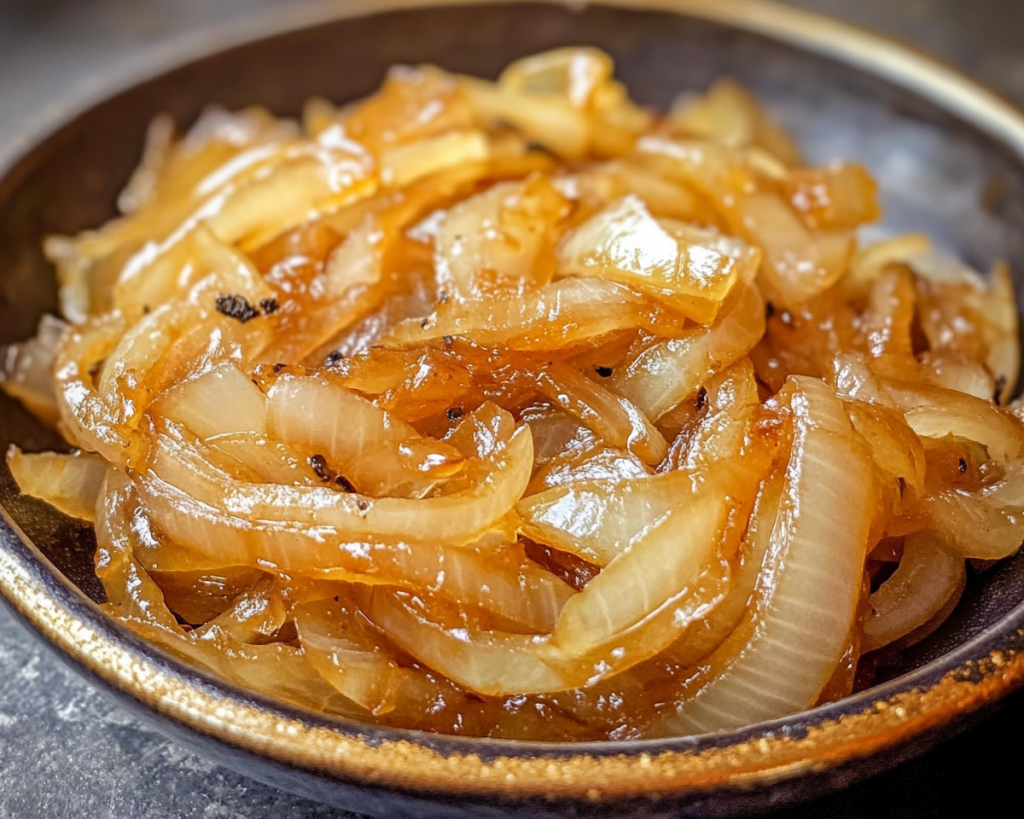
French-style caramelized onions originated in the kitchens of France, celebrated for their ability to transform a simple dish into something spectacular. The process involves slowly cooking onions until they become golden brown and sweet, achieving a rich complexity that is both comforting and indulgent. As the onions cook, natural sugars break down, resulting in an incredible depth of flavor.
The texture becomes luscious—soft and silky with a slight chew, while the flavor profile shifts from sharp and pungent to sweet, and savory. The aroma is intoxicating, filling your kitchen with a scent that draws friends and family together, inviting them to indulge in whatever culinary creation you have in store.
From a classic French onion soup to a savory tart, caramelized onions are a timeless ingredient that effortlessly enhances a wide range of dishes. Understanding how to prepare them correctly will elevate your cooking to new heights.
Why You’ll Love This
There are countless reasons to fall in love with French-style caramelized onions. First and foremost, their ability to add a rich, sweet, and savory flavor to meals makes them a favorite in kitchens worldwide. Not only do they elevate the taste of dishes, but they also provide a budget-friendly solution, allowing you to create gourmet flavors without sacrificing quality.
Furthermore, the cooking process is quite forgiving, making it suitable for beginners. You can mix up the timing according to your own schedule, allowing you to multitask while the onions are cooking. While some might fear that caramelized onions require expertise, the key is a low and slow approach—the longer you cook them, the better they become.
Another notable aspect is their versatility. They can be used in appetizers, main dishes, and even side dishes, making them an excellent addition to your culinary repertoire. Whether you’re a busy parent trying to whip up a quick meal or a gourmet cook indulging in a new recipe, caramelized onions are here to enhance your kitchen experience.
Ingredients You’ll Need
- Onions: The star of the show! Yellow onions are commonly used due to their balanced sweetness, but white or red onions can also be used for a milder flavor.
- Butter: Adds richness and depth. For a dairy-free option, olive oil or vegan butter can be substituted.
- Salt: Essential for drawing out moisture from the onions, which aids in achieving the desired caramelization.
- Sugar: A touch of sugar enhances the sweetness, aiding in the caramelization process. You can use brown sugar or coconut sugar for different flavor profiles.
- Black pepper: Offers a slight kick to balance the sweetness. Feel free to experiment with other spices such as thyme or rosemary for a unique twist.
Each ingredient plays a crucial role in not just flavor but also in the cooking process. Onions provide the base flavor, while butter aids in achieving that golden brown color. When combined with salt and sugar, you create the ideal environment for caramelization to occur.
How to Make
- Begin by preparing your onions. Peel and slice them thinly into uniform pieces. This will ensure even cooking. The goal is to have about 4 large onions, which will yield a substantial batch.
- In a large skillet, melt 2 tablespoons of butter over medium heat. Allow the butter to foam slightly before adding the sliced onions. This foaming indicates that the butter is hot enough.
- Add the sliced onions to the skillet and stir them to coat with the melted butter. Add 1 teaspoon of salt and stir again. The salt will help to draw out the moisture, making the cooking process smoother.
- Cook the onions on medium heat for about 10 minutes, stirring occasionally to prevent sticking. You want to start cooking them down, softening and releasing their natural sugars. Keep an eye on them to ensure they do not burn. Lower the heat if necessary.
- After 10 minutes, reduce the heat to low and continue to cook the onions for an additional 20 minutes. Stir every few minutes to promote even caramelization. During this stage, the onions will begin to turn a lovely golden brown color. If you notice any sticking, add a small splash of water or a bit more butter.
- If desired, sprinkle in 1 tablespoon of sugar about halfway through the cooking process (after 15 minutes). This will enhance the caramelization. Continue stirring gently to incorporate the sugar.
- Keep a close eye on the onions in the last few minutes of cooking. When they reach a deep golden brown and are soft, they are done! Remove from heat and sprinkle a pinch of black pepper for added flavor before serving.
- Transfer to a serving dish or store in an airtight container for future use. Enjoy your delicious caramelized onions as a versatile ingredient in many meals!
The key to a successful batch of French-style caramelized onions lies in patience. Remember, slower cooking will yield superior flavors and textures.
Variations & Substitutions
Vegan Variation: For those following a vegan lifestyle, you can easily replace butter with olive oil or a plant-based buttery spread. The resulting flavor profile remains rich and satisfying, ensuring that everyone at your table can enjoy this delicious ingredient without compromising their dietary choices.
Herb-Infused Variation: Add fresh herbs such as thyme or rosemary during the cooking process. This addition not only changes the flavor but also adds complexity to the dish. The earthy notes from the herbs beautifully complement the sweetness of the onions, resulting in a truly aromatic experience that elevates any dish.
Alcohol-Infused Variation: Deglaze the pan with a splash of red wine or balsamic vinegar during the cooking process. This step enhances the depth of flavor, adding a tangy, rich component that pairs beautifully with meat dishes. It’s an excellent choice for special occasions, transforming everyday meals into gourmet experiences.
Spicy Variation: For those who like a little kick, consider adding red pepper flakes or chopped jalapeños during the cooking phase. The heat balances the sweetness beautifully, appealing to those who enjoy a savory twist. This addition transforms traditional applications such as French onion soup into something entirely unique.
Caramelized Onion and Goat Cheese Spread: If you’re feeling adventurous, consider mixing your caramelized onions with creamy goat cheese after cooking. This blend creates a luxurious spread perfect for charcuterie boards or as a flavorful topping for crostini. The tangy cheese beautifully complements the sweetness of the onions, ensuring everyone will be talking about your appetizer.
Each variation opens a door to new culinary artistry while allowing you to adapt the recipe to your personal preferences, dietary restrictions, or the particular dish you are creating.
Common Mistakes to Avoid
One common mistake is cooking the onions on too high of a heat. This will cause them to burn instead of caramelize, resulting in an unappealing flavor. It’s essential to maintain a low and steady temperature; patience is crucial here.
Another pitfall is not slicing the onions uniformly. If they are uneven, some slices will cook faster than others, leading to a dish with inconsistent textures. Aim for even thickness to ensure all pieces cook simultaneously.
Finally, don’t forget about the importance of stirring! Although this recipe allows for a bit of hands-off cooking, stir the onions about every 5–10 minutes to keep them from sticking to the pan. Skipping this often results in burning or uneven coloring.
By keeping these warnings in mind, you’ll master the art of caramelized onions with fantastic flavor that enhances your dishes beautifully.
Storage, Freezing & Reheating Tips
For optimal freshness, store your caramelized onions in an airtight container in the refrigerator. They will stay good for about 4 to 7 days. Be sure that they are completely cool before sealing to avoid condensation buildup, which can lead to spoilage.
If you wish to keep them longer, consider freezing them. Spread the cooled caramelized onions on a parchment-lined baking sheet and freeze until solid. Once frozen, transfer to a freezer-safe container or bag. They can be stored in the freezer for up to 3 months. When you’re ready to use some, simply remove what you need and reheat in a skillet over low heat until warmed through.
When reheating, add a splash of water or butter to help revive their texture, ensuring they don’t dry out. This method makes them perfect for meal prepping and great for adding to stews, sauces, or as toppings any time you need a flavor boost.
Frequently Asked Questions
Can I use different types of onions for caramelizing?
Absolutely! While yellow onions are preferred for their balanced flavor, white, red, or even sweet onions can provide different flavor profiles. Each variety will yield a unique taste and texture, giving you the flexibility to experiment based on your preferences or the dish you are preparing.
How long does it take to caramelize onions properly?
Typically, it takes around 30 to 40 minutes to achieve the perfect caramelization. However, the time may vary depending on the size of your heat and the thickness of your onion slices. The key is patience; cooking them slowly over low heat allows their natural sugars to develop, providing the rich flavor you desire.
Are caramelized onions healthy?
Yes, caramelized onions retain the nutrients found in raw onions, such as Vitamin C and antioxidants. However, keep in mind the method of preparation. Using excessive oils or sugars can change the health profile slightly; moderation is key for a healthy diet.
Can I make caramelized onions in advance?
Certainly! You can make caramelized onions ahead of time and store them in the refrigerator for a week or freeze them for longer storage. This is an excellent way to enhance your meal prep, allowing you to have flavorful onions at your fingertips whenever you need them.
What dishes can I use caramelized onions in?
The possibilities are endless! They are wonderful in French onion soup, as toppings for burgers, in quiche, or alongside grilled meats. You can even incorporate them into pasta dishes, salads, or savory tarts, allowing your creativity to shine.
Conclusion:
French-style caramelized onions are a culinary treasure that can redefine your cooking experience. Their ease of preparation combined with rich flavor and versatility makes this recipe a must-try for both novice cooks and seasoned chefs. Try your hand at customizing this staple by exploring different variations or using them in new dishes.
Don’t hesitate to share your creations with friends or family; who knows, you may inspire someone else to explore the delightful world of caramelized onions! Enjoy your cooking journey!