Prep time: 15 minutes
Cook time: 30 minutes
Total time: 45 minutes
Servings: 4 servings
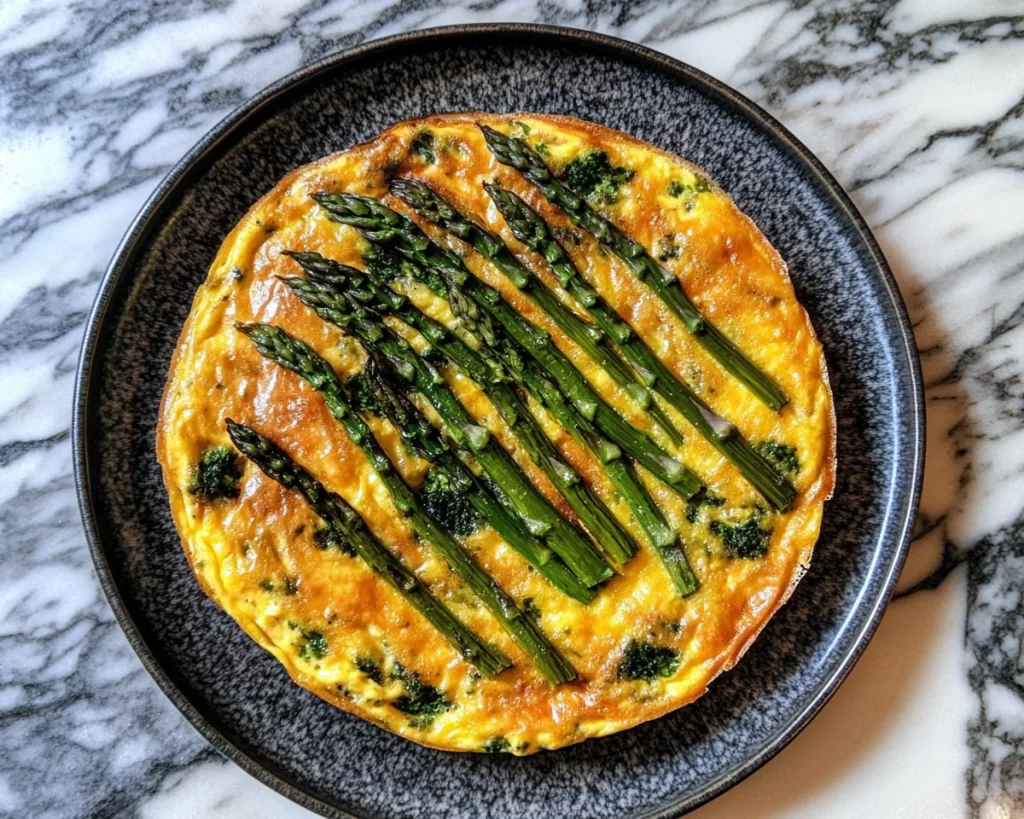
Have you ever craved a dish that feels like a warm hug on a spring evening? The Frittata Recipe with Asparagus is the perfect solution. It’s not just a meal; it’s a symphony of flavors that embraces the essence of the season. Imagine a golden, fluffy frittata, with tender asparagus spears mixed in, creating a delightful balance of texture and taste. This dish is not only a culinary joy but also an ideal choice for busy parents and anyone looking to whip up a satisfying dinner quickly.
In this article, you will discover how to make this remarkable frittata, the magic behind its flavors, and tips to customize it to suit your preferences. You will also learn about the nutritional benefits, the versatility of the ingredients, and variations that cater to various dietary needs. The ease of preparation, combined with radiant spring flavors, makes this frittata a go-to dish in your cooking repertoire.
What Is Frittata Recipe with Asparagus (Perfect Spring Dinner)?
A frittata is an Italian dish that is often likened to a crustless quiche, making it a fantastic option for those who want to enjoy a filling meal without the extra carbohydrates from pastry. This dish is typically made with eggs but can be packed with a myriad of ingredients—vegetables, meats, and cheeses—providing an opportunity for creativity in the kitchen. The inclusion of *asparagus* not only adds a fresh taste, but it also brings a delightful crunch and vibrant color to the frittata.
Asparagus is in its prime during spring, making it a seasonal star in this recipe. The texture of the frittata is a perfect blend of creamy from the eggs and tender from the sautéed asparagus. With each bite, you can taste the wholesome fusion of flavors, supported by the subtle seasoning that complements the natural taste of the eggs and vegetables.
Whether served for brunch or dinner, the Frittata Recipe with Asparagus stands out for its simplicity and elegance. Perfect for busy weeknights or leisurely weekends, this dish showcases a variety of cooking techniques and flavors, all encapsulated within a single skillet.
Why You’ll Love This
This frittata is not just another egg dish; it’s a culinary wonder that combines convenience with delightful taste. First and foremost, you will appreciate the *easy preparation*. The ingredients are simple, and the steps are straightforward, which makes it accessible for beginners. You can have this dish ready in under an hour, allowing you to spend more time with family or just enjoying your evening.
Another reason you’ll love this frittata is its *cost-effectiveness*. The main ingredients—eggs and asparagus—are relatively inexpensive and readily available, so you can make this dish without breaking the bank. This recipe also lends itself well to *meal prep*. You can make a larger batch and enjoy reheated portions throughout the week, making it a wonderful choice for busy parents navigating hectic schedules.
In addition, this frittata is a powerhouse of nutrition. Eggs provide high-quality protein, and asparagus is rich in vitamins A, C, and K, along with fiber. This makes the dish not only satisfying but also beneficial for your health. The versatility of the recipe allows you to *experiment with ingredients*, adding seasonal vegetables or even proteins like cheese or cooked ham when desired.
Finally, with its beautiful presentation and lovely aroma while cooking, this frittata is sure to impress your guests. Friends and family alike will adore the fluffy texture and flavorful combination, making it perfect for any occasion—weeknight dinners, brunch gatherings, or holiday celebrations.
Ingredients You’ll Need
- 6 large eggs: The base of the frittata. You can substitute with egg whites for a lighter version.
- 1 cup asparagus, trimmed and cut into 1-inch pieces: This fresh vegetable brings a crisp texture and is rich in nutrients.
- 1/2 cup milk: Helps to create a creamy texture. Almond or soy milk can be used as alternatives.
- 1 cup shredded cheese (like cheddar or feta): Adds flavor and richness. Feel free to skip or use a low-fat option for a healthier dish.
- 1 small onion, diced: Adds sweetness and depth of flavor to the frittata.
- 2 cloves garlic, minced: Enhances the overall taste of the dish.
- Salt and pepper to taste: Essential seasoning for enhancing the flavors.
- 1 tablespoon olive oil: For sautéing the vegetables.
Each ingredient in this frittata plays a crucial role. The eggs are the star, providing structure, while the asparagus gives it a seasonal touch. Milk adds creaminess, making each bite tender and luscious. Cheese can take it up a notch with flavor and richness, while onion and garlic contribute to a savory depth. Don’t hesitate to adjust the seasonings based on your taste preference.
How to Make
1. **Preheat the oven to 350°F (175°C).** This ensures that when the frittata is ready to be baked, the cooking temperature is just right for that lovely golden crust.
2. **In a large bowl, beat the eggs with milk, salt, and pepper until well combined.** Ensure there are no streaks of egg whites left. This mixture is the foundation of the frittata and should be fluffy and uniform.
3. **Heat olive oil in a large, oven-safe skillet over medium heat.** Once hot, add the diced onion, cooking until it becomes translucent, about 3-5 minutes. The kitchen will start to smell heavenly as the onions caramelize.
4. **Add the minced garlic and asparagus to the skillet.** Sauté for about 5-7 minutes until the asparagus is vibrant green and tender, but still firm. Be careful not to overcook, as you’ll still be baking the frittata.
5. **Pour in the egg mixture**, making sure it equally surrounds the asparagus and onions. Use a spatula to gently stir the mixture for even distribution.
6. **Sprinkle the shredded cheese on top** of the egg mixture. This adds a beautiful melty layer that enhances both flavor and texture.
7. **Transfer the skillet to the preheated oven** and bake for 20-25 minutes, or until the eggs are set and the top is lightly golden. Check for doneness by inserting a knife into the center; it should come out clean.
8. **Let the frittata cool for a few minutes** before slicing into wedges. This is crucial as it allows the eggs to fully set and makes for easier serving.
9. **Serve warm** or at room temperature. It pairs beautifully with a simple green salad or crusty bread.
Remember, each step is significant in contributing to the final texture and taste of your frittata. Feel free to adjust the cooking times slightly based on your oven or personal preference.
Variations & Substitutions
Vegetarian Frittata Variation:
If you want to enhance the flavors even more, try adding other vegetables like bell peppers, spinach, or mushrooms. These add wonderful layers of texture and taste. This variation is perfect for vegetarians looking to enjoy a wholesome dinner full of plant-based nutrients.
Cheesy Spinach Frittata Variation:
Instead of asparagus, use fresh spinach as your main green. Sauté it along with the onions and garlic until wilted. The spinach adds a beautiful color and is loaded with iron. Add a mix of mozzarella and ricotta cheese for a creamy texture. This is a delightful option for anyone looking for a green-packed dish full of flavor.
Protein-Packed Frittata Variation:
For those needing more protein, add cooked chicken, ham, or even crumbled sausage. It turns the dish into a more filling option and is great for a post-workout meal. Just ensure that the meats are cooked beforehand, as this recipe focuses on cooking the vegetables and eggs.
Breakfast Frittata Variation:
For a fantastic breakfast twist, incorporate ingredients like diced bacon, eggs, and your choice of breakfast vegetables or spices. Adding spices like smoked paprika brings warmth and a hint of smokiness to your morning plate.
Dairy-Free Frittata Variation:
Replace dairy products with non-dairy alternatives. For example, use coconut milk instead of regular milk and a dairy-free cheese option. This makes the frittata suitable for those who are lactose intolerant or following a vegan lifestyle.
With these variations, you can adapt this Frittata Recipe with Asparagus to suit a range of dietary needs and personal tastes. Don’t hesitate to explore different flavors and textures, making each frittata uniquely yours!
Common Mistakes to Avoid
When making a frittata, a common mistake is overcooking the eggs. Ensure to keep a close watch on the baking time. If the frittata is left in the oven too long, it can become dry and rubbery—definitely not the texture you’re aiming for. A perfectly cooked frittata should be fluffy and tender.
Another mistake is not adequately seasoning the egg mixture. Eggs can be quite bland on their own. Taste your egg mixture before baking and make necessary adjustments. A simple addition of herbs or a pinch of salt can elevate the flavors immensely.
Lastly, some often overlook the importance of using an oven-safe skillet. If your skillet isn’t suitable for the oven, you risk not achieving that lovely browning on top. Always use a cast iron or stainless-steel skillet that can withstand high temperatures.
By being aware of these pitfalls, you can feel confident in your frittata-making skills.
Storage, Freezing & Reheating Tips
Proper storage of your frittata is essential to maintaining its deliciousness. Allow the frittata to cool completely before slicing it into wedges. Store leftovers in an airtight container in the refrigerator for up to 4 days. Alternatively, you can freeze slices by wrapping them individually in plastic wrap and placing them in a zip-top bag. They can last in the freezer for up to 3 months.
When you’re ready to enjoy your frittata again, reheating is simple. For refrigerator storage, microwave slices for 30-60 seconds, or until warmed through. If frozen, it’s best to thaw slices in the refrigerator overnight before reheating. You can also reheat in an oven preheated to 350°F (175°C) for about 10-15 minutes until warmed evenly.
Always follow food safety practices, especially with egg dishes, to avoid any health risks.
Frequently Asked Questions
Can I use frozen asparagus for the frittata?
Yes, you can absolutely use frozen asparagus. However, make sure to thaw and drain any excess water before adding it to the frittata. Frozen asparagus is typically blanched first, which slightly alters the texture, so keep that in mind when you prepare your dish.
What’s the best way to flip a frittata?
If you want to turn your frittata out onto a plate, run a spatula around the edges to loosen it. Place a large plate over the skillet, flip it over, and let it gently release. Just ensure the skillet has cooled for a few minutes, as this decreases the chances of a burn while flipping.
Can I add more cheese to the recipe?
Absolutely! Cheese enhances the flavor and creaminess of your frittata. Feel free to experiment with different varieties such as goat cheese, feta, or even mozzarella. Just be cautious not to overload it, as too much cheese can make it heavy.
Is it necessary to use milk in the egg mixture?
While milk does provide creaminess, it’s not strictly necessary. You can opt for additional eggs instead, or use a dairy-free alternative if you’re looking for a lighter or non-dairy version.
Can I make this frittata ahead of time?
Yes, preparing your frittata ahead of time is a great option for brunches or busy weeknights. Just store it covered in the refrigerator and reheat as needed. It can taste even better the next day as flavors continue to meld.
Conclusion:
The Frittata Recipe with Asparagus embodies the spirit of spring through its vibrant flavors and nourishing ingredients. It stands as a versatile dish perfect for any meal and is easy to customize to fit your preferences. Whether for a spontaneous weeknight dinner, meal prep, or a cozy brunch, this frittata will deliver satisfaction every time. I encourage you to explore your unique combinations and share it with others. Dive into this recipe, elevate your cooking skills, and let the aroma of this wonderful dish fill your home. Enjoy your cooking journey!