Prep time: 10 minutes
Cook time: 20 minutes
Total time: 30 minutes
Servings: 4
Golden Skillet Flatbread No Yeast Needed invites you to forget everything you thought you knew about baking bread. This delightful, golden-brown flatbread is not just a quick solution for busy weeknights; it’s a delicious canvas for all your favorite toppings. Imagine the warm aroma wafting through your kitchen as you create your flatbread, its texture perfectly crisp on the outside while soft and chewy on the inside. Whether you’re trying to impress guests or simply looking to whip up something special for your family, this flatbread will certainly bring joy to your table.
In this article, we’re going to delve deep into the world of homemade flatbread. You’ll learn how to navigate through the simple steps of making the dough, cooking it in a skillet, and even experimenting with a variety of toppings. By the end of this guide, you’ll be equipped with all the knowledge needed to make the perfect flatbread that speaks to your taste buds.
What Is Golden Skillet Flatbread No Yeast Needed?
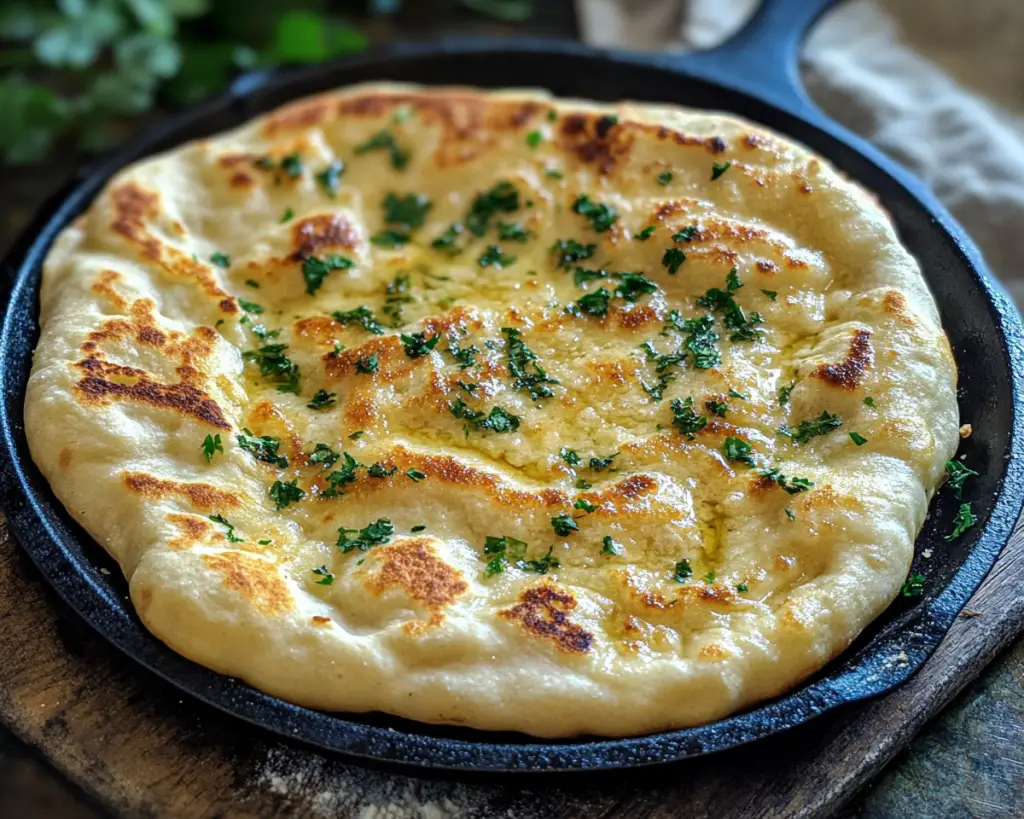
Golden Skillet Flatbread, as the name suggests, is a simple yet delightful bread that does not require the use of yeast, making it accessible for everyone, especially those who may not be comfortable with advanced baking techniques. This dish has its roots in various culinary traditions, often made in kitchens around the world where quick and satisfying bread is needed. The flatbread comes out golden and crisp when cooked properly in a skillet, giving it a rich texture that serves as the perfect complement to an array of dishes.
The beauty of using no yeast lies in the immediate gratification of fresh bread. You won’t have to wait for the dough to rise, allowing you to enjoy the satisfaction of homemade flatbread in a fraction of the time. The flavor is subtly rich, which can be enhanced with toppings like garlic, herbs, or even a sprinkle of cheese. This flatbread doesn’t just stand as a side; it can also carry your favorite spreads, dips, or main dishes, showcasing its versatility in the kitchen.
Why You’ll Love This
One of the primary reasons you’ll fall in love with Golden Skillet Flatbread No Yeast Needed is its exceptional taste combined with a simplicity that even novice cooks can appreciate. Imagine biting into warm, pillowy bread that is crispy on the outside and soft inside; it’s just the kind of comfort food we all crave. Coupled with the fact that it only takes about 30 minutes from start to finish, this recipe is perfect for those busy family dinners or last-minute gatherings.
In addition to its deliciousness, cost-effectiveness marks another feather in the cap of this flatbread. Most of the ingredients are pantry staples, making it budget-friendly while delivering a gourmet experience. It’s also a wonderful opportunity to engage children in the kitchen. They can help mix the ingredients or shape the dough, making it a fun family activity. Golden Skillet Flatbread is not just food; it’s an experience, a way to bond over cooking while satisfying hunger.
It’s important to note that many people shy away from homemade bread due to misconceptions about complexity and time commitment. However, this flatbread is straightforward; there are no specialized tools or lengthy processes involved. You only need a skillet and a few simple ingredients. Don’t let the lack of yeast fool you; this bread holds its own and offers a lovely addition to any meal.
Ingredients You’ll Need
- All-purpose flour: The primary ingredient that provides structure. You can substitute with whole wheat flour or gluten-free options if desired.
- Baking powder: Acts as a leavening agent, giving the bread its airy texture. Ensure it is fresh for the best rise.
- Salt: Enhances flavor. You can also use sea salt or kosher salt for a different taste profile.
- Greek yogurt: Adds moisture and tang. You can substitute with sour cream or any plain yogurt.
- Water: Helps to bring the dough together. Adjust the amount based on the moisture content of the flour.
- Olive oil: Gives richness and can also be used for brushing the flatbread before cooking for extra flavor.
Each ingredient has its crucial role in achieving the perfect texture and flavor. Feel free to experiment with herbs and spices in the dough for added flavor; for example, rosemary or garlic powder can lend a lovely aromatic touch.
How to Make
- Prepare the Dry Ingredients: In a large mixing bowl, combine all-purpose flour, baking powder, and salt. Whisk them together to ensure they are evenly incorporated, which helps in achieving consistent rise and flavor. This step is crucial as it eliminates lumps and invites air into the mixture.
- Incorporate the Wet Ingredients: Next, add the Greek yogurt to the dry ingredients. You can do this using a spatula or a wooden spoon. Gradually add water and stir until the mixture begins to form a shaggy dough. At this stage, it’s optimal to use your hands to knead the dough lightly, just until it comes together. Over-kneading can lead to a tough texture.
- Shape the Dough: Once your dough is combined, lightly flour a clean surface and transfer the dough onto it. Divide it into 4 equal portions. Roll each portion into a ball, then gently flatten each one into a round disc about a half-inch thick. Use your hands or a rolling pin, ensuring they are relatively uniform in thickness to cook evenly.
- Heat the Skillet: Preheat a non-stick skillet or cast-iron skillet over medium heat. You want it hot enough that a drop of water sizzles on contact but not so hot that it will scorch the bread. Lightly coat the skillet with a drizzle of olive oil for extra flavor.
- Cook the Flatbreads: Place the first disc of dough into the skillet and cook for 2-3 minutes until small bubbles form on top and the bottom is golden brown. Using a spatula, carefully flip it over and cook for another 2-3 minutes. You should notice the flatbread puffing slightly; this indicates that it’s cooking properly.
- Keep Warm: Once cooked, remove the bread from the skillet and keep it warm by placing it in a towel or wrapping it in foil. This will help retain its softness while you cook the remaining pieces. Repeat the process for the remaining rounds of dough, adjusting the heat as necessary.
- Serve Beautifully: Once all are cooked and rested, serve the Golden Skillet Flatbread warm. You can brush them with extra olive oil and sprinkle with sea salt or fresh herbs to elevate their appearance and flavor. Enjoy with dips, as wraps, or on the side of your favorite dishes!
Variations & Substitutions
Garlic Herb Flatbread: For those who love a flavorful twist, mixing in minced garlic and chopped fresh herbs like rosemary, thyme, or oregano can change the flatbread into a delightful garlic herb version. This variation not only enhances the aroma while cooking but also adds a burst of flavor in every bite, perfect for dipping in olive oil or serving alongside pasta.
Whole Wheat Flatbread: If you’re looking for a healthier alternative, substituting half or all of the all-purpose flour with whole wheat flour can create a nutty flavor profile. Whole wheat flour adds more fiber and nutrients, appealing to health-conscious eaters. To prevent the dough from becoming too dense, consider adding a tad more water to maintain moisture during cooking.
Cheesy Flatbread: Adding shredded cheese—like mozzarella or cheddar—into the dough before cooking introduces a delightful cheesy flavor that pairs excellently with soups or salads. You could also sprinkle cheese on top just before the flatbread finishes cooking to create a bubbly, golden crust, enhancing both taste and texture.
Sweet Flatbread: For a unique twist, infuse the dough with a bit of sugar and cinnamon, creating a sweet flatbread ideal for breakfast or dessert. You could serve it warm with honey or a sprinkle of powdered sugar, transforming it into a delightful treat that can be topped with fresh fruit or yogurt.
Gluten-Free Flatbread: For those with gluten sensitivities, using gluten-free flour blends can provide an alternative without sacrificing taste. Ensure that you follow the package instructions for best results, as gluten-free flours may require different amounts of water or additional binding agents.
Common Mistakes to Avoid
One of the most frequent issues when making Golden Skillet Flatbread is over-kneading the dough, which can lead to a tough texture. Remember, the key to a soft and tender flatbread is to mix until just combined. Additionally, if the skillet is too hot, you may find the flatbread browning too quickly on the outside while remaining doughy inside. Always monitor the heat closely and adjust as necessary.
Another common mistake is not allowing the flatbreads to warm up in a towel or foil after cooking. This step is important to maintain softness, and failing to do so can result in a dry texture. Lastly, always check that your baking powder is fresh, as this can make a significant difference in the rise of your flatbread. If it’s expired, your bread may come out flat instead of fluffy.
Storage, Freezing & Reheating Tips
To store leftover Golden Skillet Flatbread, place it in an airtight container or wrap it in foil and keep it at room temperature for up to 2 days. You can also refrigerate it for up to a week, but be aware it may lose some of its original texture.
For longer storage, freezing is a fantastic option. Wrap each piece of flatbread separately in plastic wrap and then place them in a ziplock freezer bag. They can be frozen for up to three months. To reheat, simply thaw them at room temperature and then warm them in a skillet or toaster oven until they’re heated through, which should take about 2-3 minutes. Avoid microwaving, as this can make them chewy rather than soft.
When you reheat, consider brushing them with a bit of olive oil or adding toppings like cheese for an extra treat. Always follow food safety best practices by ensuring that any stored food is protected from contamination and consumed within safe time frames.
Frequently Asked Questions
Can I make Golden Skillet Flatbread ahead of time?
Yes, you can prepare the dough ahead of time and refrigerate it for up to a day. When ready to cook, let it sit at room temperature for about 30 minutes before rolling it out to ensure the flatbread cooks evenly.
What can I serve with Golden Skillet Flatbread?
This flatbread pairs wonderfully with various dishes. You can enjoy it with dips like hummus, tzatziki, or baba ganoush. It can also serve as a base for wraps filled with grilled vegetables, meats, or even breakfast items like eggs and avocado.
Is it possible to prepare the flatbread without yogurt?
Yes, if you prefer not to use yogurt, you can substitute it with an equivalent amount of sour cream or even a non-dairy yogurt for a vegan version. However, keep in mind that this may alter the flavor slightly, but it should still yield decent results.
What should I do if the dough is too sticky?
If you find the dough is too sticky, you can gradually add a bit more flour until it reaches a manageable consistency. It’s essential to add flour incrementally; adding too much at once can make the dough tough.
Can I make this recipe vegan?
Absolutely! To make a vegan version of Golden Skillet Flatbread, replace the yogurt with a plant-based yogurt or a silken tofu blended until smooth. Adjust the water content as necessary to keep the dough from getting too dry or too wet.
Conclusion:
Golden Skillet Flatbread No Yeast Needed offers a delightful, quick, and easy way to enjoy homemade bread without the fuss of traditional baking. With its rich, versatile nature, this flatbread can complement numerous meals or even stand on its own with simple toppings. Don’t hesitate to experiment with variations, making this dish uniquely yours. Your kitchen is a great space for creativity, and this recipe is a wonderful canvas! So gather your ingredients, ignite your culinary adventure, and enjoy the fruits of your labor with friends and family. You won’t regret it!