Prep time: 15 minutes
Cook time: 10 minutes
Total time: 25 minutes
Servings: 6
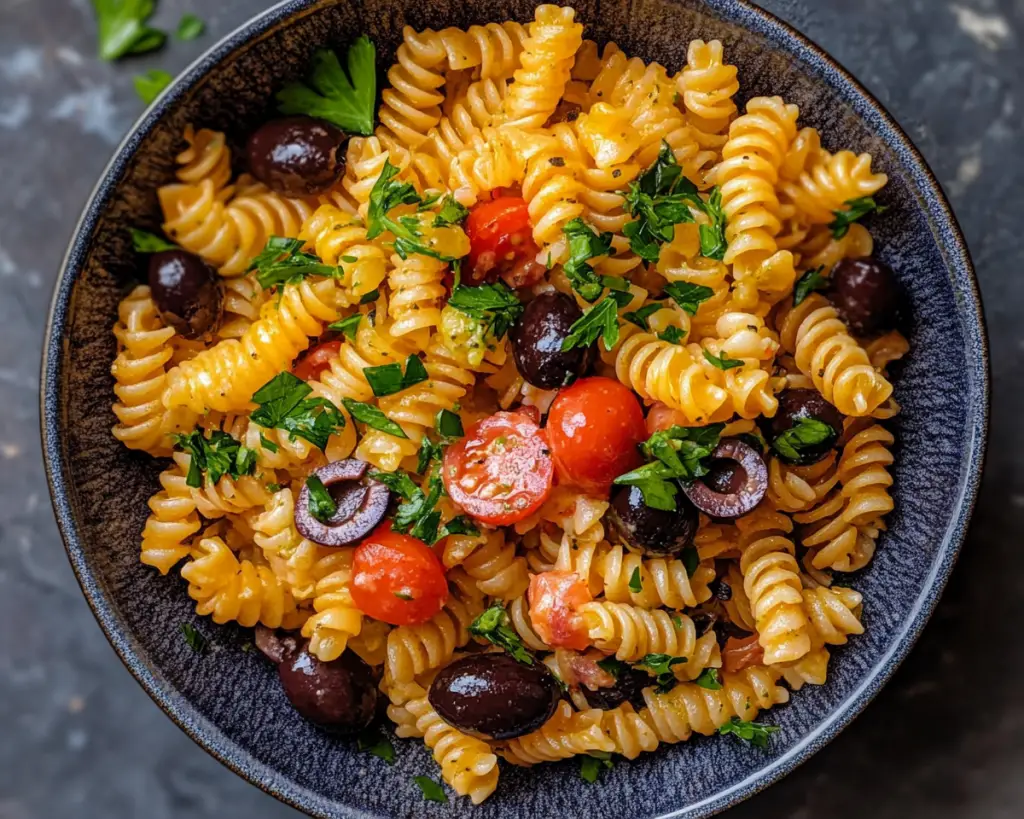
Are you craving a dish that marries the bold flavors of the Mediterranean with the hearty comfort of pasta? Look no further; Greek Pasta Salad with Olives is here to satisfy that longing! Whether you’re gearing up for a picnic, throwing a potluck, or simply seeking a nutritious meal, this salad checks all the boxes. This dish not only delivers on taste but is also incredibly easy to throw together, making it perfect for busy parents or anyone new to cooking.
What makes this recipe stand out is its vibrant blend of fresh vegetables, aromatic herbs, and, of course, the deliciousness of olives that bring a slight tang to every bite. Imagine the satisfying crunch of cucumbers combined with the creaminess of feta cheese, all coated in a light dressing that sings of lemon and olive oil. It’s a dish that offers just the right balance of flavors. In this article, you’ll learn how to prepare Greek Pasta Salad with Olives, explore variations, discover common mistakes to avoid, and find answers to frequently asked questions to ensure your culinary success.
What Is Greek Pasta Salad with Olives?
Greek Pasta Salad with Olives is a delightful creation that has its roots embedded in traditional Greek cuisine. Characterized by the use of fresh ingredients, robust flavors, and vibrant colors, this pasta salad is a hearty yet refreshing dish. The base consists of cooked pasta, which provides a satisfying texture and serves as a blank canvas, ready to absorb flavors from the other components. The addition of olives—typically Kalamata olives—introduces a salty depth that elevates the whole dish.
In terms of flavor, you can expect a wonderful medley of tastes and textures in every bite. The crunchiness of bell peppers and cucumbers harmonizes with the creaminess of feta cheese, creating an inviting contrast. The dressing, often made from olive oil and lemon juice, adds a tangy freshness that brightens the dish. This salad is not just a meal but a celebration of Mediterranean culture, and it often finds a place on dinner tables across Greece and beyond.
Why You’ll Love This
You’re bound to love Greek Pasta Salad with Olives for its multitude of benefits. First and foremost, the taste is simply exceptional; each bite is packed with flavor and freshness that transports you straight to a sunny Greek island. The ease of preparation cannot be overstated either. With just a few components and minimal effort, you can create a dish that looks and tastes impressive, which is a bonus for busy parents or novice cooks.
Moreover, this pasta salad is budget-friendly, allowing you to enjoy a culinary experience without breaking the bank. The ingredients are often common items found in your pantry or local grocery store. Health-wise, it’s a nutritious option that provides essential vitamins and healthy fats while allowing you to control the ingredients based on dietary needs. And let’s not forget the versatility; whether you’re gluten-free, vegetarian, or simply want to incorporate seasonal produce, this salad can easily adapt to fit your needs.
Common misconceptions surrounding pasta salads often include the belief that they are heavy and unhealthy. However, with the right ingredients, Greek Pasta Salad manages to be filling without overloading on calories. A simple vinaigrette drizzled over fresh vegetables keeps it light, making it an excellent choice for warm weather meals, barbecues, or as a side dish alongside many main courses.
Ingredients You’ll Need
To make this delectable Greek Pasta Salad with Olives, you will need the following ingredients:
- Pasta: Use any short pasta like rotini or penne. Whole grain and gluten-free options work well.
- Cherry Tomatoes: These add juiciness and sweetness to the salad; consider halving them for easier eating.
- Cucumber: A crunchy base that provides a refreshing element. You can peel the skin for more tenderness.
- Bell Peppers: Vibrant colors and crisp texture enhance the dish. Opt for a mix of red, yellow, or orange for visual appeal.
- Kalamata Olives: Essential for the classic Greek flavor. If preferred, green olives can be substituted.
- Feta Cheese: Brings a creamy, tangy taste that pairs beautifully with the olives; use crumbled for distribution.
- Red Onion: Adds a sharp bite; soaking it in cold water can tone down the flavor.
- Olive Oil: The base for the dressing; the quality affects the overall taste, so opt for extra virgin olive oil.
- Lemon Juice: A zesty element to brighten the salad; freshly squeezed juice is preferable.
- Oregano: Dried or fresh for that distinctive Mediterranean flavor.
- Salt and Pepper: Essential for seasoning.
Each ingredient plays an important role. For instance, the pasta serves as a starch that fills you up, while the vegetables provide essential nutrients. If you need alternatives, feel free to experiment with other ingredients like artichoke hearts, sun-dried tomatoes, or even chickpeas for added protein.
How to Make
Making Greek Pasta Salad with Olives is a straightforward process that yields a delicious result. Follow these easy steps:
- Cook the Pasta: Begin by boiling a large pot of salted water. Add your choice of pasta and cook according to the package instructions until al dente. This usually takes around 8 to 10 minutes. Once done, drain the pasta and rinse it under cold water to stop the cooking process. This step ensures that your pasta remains firm and doesn’t become mushy in the salad.
- Prepare the Vegetables: While the pasta is cooking, wash and chop your vegetables. Slice the cherry tomatoes in half, dice the cucumber (peeling if desired), and thinly slice the bell peppers and red onion. This preparation allows for an even mix of flavors and textures throughout the salad.
- Combine Base Ingredients: In a large mixing bowl, combine the cooked pasta with the prepared vegetables and Kalamata olives. Stir gently to avoid breaking the pasta. At this stage, you can also add in the crumbled feta cheese for an extra rich flavor.
- Whisk the Dressing: In a separate bowl, whisk together olive oil, lemon juice, dried oregano, salt, and pepper. Aim for a balanced dressing that complements, rather than overpowers, the salad. A good rule of thumb is to taste as you mix, adjusting flavors to your liking.
- Toss It All Together: Pour the dressing over the salad and mix everything thoroughly, ensuring that each component is well coated. The pasta should absorb the flavors of the dressing, enhancing the overall taste.
- Chill and Serve: For best results, let the salad chill in the refrigerator for at least 30 minutes before serving. This allows the flavors to meld beautifully. When ready to serve, give it a final stir, and garnish with extra feta cheese or fresh herbs if desired. Enjoy your colorful, flavorful creation!
Variations & Substitutions
Vegetarian Variation: For a vegetarian twist, consider adding chickpeas or white beans as a substitute for feta or as additional protein. This variation is perfect for those looking to increase their plant-based protein intake while still enjoying the delightful flavors of this dish.
Gluten-Free Variation: If you’re following a gluten-free diet, simply replace traditional pasta with gluten-free pasta. There are excellent varieties available made from rice or quinoa. This ensures that everyone can enjoy this dish without compromising flavor or texture.
Greek Yogurt Dressing: For a creamy version, substitute olive oil and lemon juice for Greek yogurt. This gives a rich texture while still allowing the pepperiness of the oregano to shine through. It’s perfect for those who want a heartier salad.
Spicy Kick Variation: If you love heat, add sliced jalapeños or a sprinkle of red pepper flakes to your dressing. This small adjustment elevates the dish’s flavor profile while still maintaining its Mediterranean roots.
Seasonal Variations: Take advantage of seasonal produce by adding ingredients like roasted zucchini during summer or roasted Brussels sprouts in winter. Seasonal ingredients not only enhance flavor but also make your salad more colorful and enticing.
Common Mistakes to Avoid
Creating the perfect Greek Pasta Salad requires attention to detail. One common mistake is overcooking the pasta, leading to a mushy texture. To avoid this, be vigilant while boiling and always taste for doneness a minute or two before the package timing suggests.
Another common error is opting for low-quality olives or cheese, which can drastically alter the salad’s taste. Invest in good-quality Kalamata olives and feta—these critical ingredients should shine. Lastly, failing to chill the salad before serving can result in a less flavorful dish; allowing time for flavors to meld is essential!
Also, be cautious when storing leftovers. Exposure to air can lead to undesirable texture changes. Airtight containers are your best friends in preserving the dish over the following days.
Storage, Freezing & Reheating Tips
To keep your Greek Pasta Salad fresh, store it in an airtight container in the refrigerator. Generally, it will stay good for about 3-5 days. As the days pass, the flavor tends to deepen, but be mindful that vegetables may lose their crunch over time. If you can, try to eat it within the first 72 hours for the best texture and flavor.
Freezing is not advisable for this dish, as the texture of folded pasta and fresh vegetables can suffer when thawed. If you must freeze it due to leftovers, consider freezing the pasta separately from the mixed salad ingredients. That way, you can retain the pasta’s integrity after reheating.
When ready to enjoy your salad again, simply let it sit in the fridge to thaw. For best results, freshen it up with a drizzle of olive oil or an extra squeeze of lemon juice before serving.
Frequently Asked Questions
Can I make Greek Pasta Salad ahead of time? Yes, this salad actually benefits from being made ahead of time! Preparing it a few hours in advance—or even the night before—allows the flavors to meld beautifully, enhancing the overall taste. Be sure to store it properly in the refrigerator until you’re ready to serve.
Can I substitute other ingredients for the feta cheese? Absolutely! If you’re not a fan of feta cheese or want a dairy-free option, consider using dairy-free crumbles or omitting it altogether. Another popular substitute is creamy avocado or even a nut-based cheese that mimics the texture without compromising flavor.
Is this dish suitable for meal prep? Definitely! Greek Pasta Salad is an excellent choice for meal prep, as it holds up well in the refrigerator and makes for a satisfying lunch or dinner throughout the week. Portion it out into individual containers to save time during busy weekdays.
What can I serve with Greek Pasta Salad? This salad pairs well with grilled chicken, fish, or lamb for a complete meal. It’s also fantastic as part of a buffet spread, alongside dishes like tzatziki, hummus, or pita bread.
How do I make the dressing less acidic? If you find the dressing too acidic, consider adding a touch of honey or maple syrup to balance the flavors. A pinch of sugar can also effectively counteract the sourness of the lemon juice. Adjust to your personal taste for a dressing that’s just right for you.
Conclusion:
Greek Pasta Salad with Olives is not just a meal; it’s an experience filled with vibrant flavors and textures that anyone can enjoy. This dish is a beautiful canvas for customization, allowing you to adapt it to your tastes or dietary needs. So gather your ingredients, get in the kitchen, and create your own masterpiece. I encourage you to share your creations with friends and family or even experiment with variations that suit your preferences. Enjoy the delightful journey of flavors, and happy cooking!
[Read also: Easy Dessert Recipes for Beginners]