Prep time: 10 minutes
Cook time: 10 minutes
Total time: 20 minutes
Servings: 4
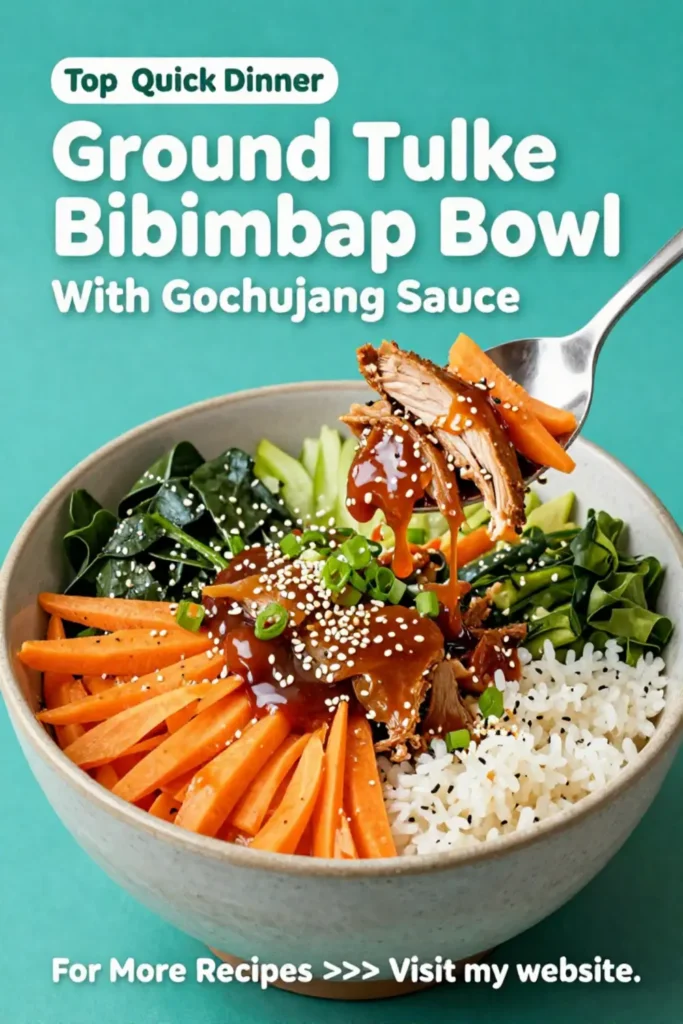
Ground Turkey Recipes: Ground Turkey Bibimbap Bowl With Gochujang Sauce in 20 Minutes
Want a quick, delicious meal that brings the vibrant flavors of Korea to your kitchen? This Ground Turkey Bibimbap Bowl with Gochujang Sauce is the perfect solution for busy parents, kitchen beginners, and anyone looking to eat healthy without sacrificing taste. Packed with protein and fresh vegetables, this dish comes together in just 20 minutes, making it ideal for weeknight dinners or meal prep for the week ahead. Plus, it’s an affordable recipe that won’t break the bank!
What Is Ground Turkey Recipes: Ground Turkey Bibimbap Bowl With Gochujang Sauce in 20 Minutes?
Bibimbap is a traditional Korean dish that means “mixed rice.” The beauty of this dish lies in its versatility, featuring a variety of colorful vegetables, rice, and protein, all topped with a rich and spicy sauce. In this rendition, we use ground turkey, which is not only **lean** but also absorbs flavors beautifully. Gochujang, a Korean fermented chili paste, adds a depth of spice and sweetness that elevates the dish to a new level. You’ll love how all these elements come together in this quick and satisfying bowl of goodness.
Why You’ll Love This
This recipe is appealing for many reasons. First, it’s incredibly quick to prepare, making it an excellent choice for busy weeknights. Second, the use of ground turkey keeps the dish lean and healthy, helping you meet your dietary goals without sacrificing taste. Third, the customizable nature of bibimbap means you can easily tailor the ingredients to suit your family’s preferences, making it a win for picky eaters. Finally, the spice level can be adjusted to your liking, whether you prefer a light drizzle of gochujang or a generous heaping!
Ingredients You’ll Need
- 1 lb ground turkey: Lean meat that cooks quickly and absorbs flavor well, enhancing the overall taste of the dish.
- 2 cups cooked rice: Traditional bibimbap uses white rice, but brown rice or quinoa can be good alternatives for added nutrition.
- 1 cup spinach: To add color and a handful of nutrients, plus it wilts nicely when cooked.
- 1 carrot, julienned: Provides a sweet crunch and vibrant color.
- 1 zucchini, julienned: Adds texture and moisture.
- 1 bell pepper, sliced: For sweetness and a pop of color.
- 2 tablespoons sesame oil: Brings a nutty flavor that’s essential to the dish.
- 4 tablespoons gochujang: The key ingredient that adds authentic Korean flavor.
- 1 tablespoon soy sauce: Enhances the umami flavor of the dish.
- 1 teaspoon garlic, minced: Adds aromatic depth.
- 1 teaspoon ginger, minced: Offers a warm, spicy undertone.
- Optional toppings: Sliced green onions, sesame seeds, or a fried egg.
How to Make
- In a large skillet, heat 1 tablespoon sesame oil over medium heat. Add the minced garlic and ginger, cooking for about 1 minute until fragrant. This step builds a wonderful aromatic base for your dish.
- Add the ground turkey to the skillet, breaking it apart with a spatula. Cook for around 5 minutes or until browned and fully cooked. Ensure to stir frequently, allowing the meat to absorb the flavors from the garlic and ginger.
- With the turkey cooked, it’s time to toss in the zucchini and carrot. Stir-fry for another 2-3 minutes until they’re tender but still crisp. The vibrant colors will make your dish visually enticing!
- Next, add the bell pepper and spinach. Cook until the spinach has wilted, which should take about 1-2 minutes. This is when the meal begins to fill your kitchen with mouth-watering aromas.
- Pour in the soy sauce and another tablespoon of sesame oil. This final addition creates a beautiful glaze over your turkey and veggies.
- Assemble your bibimbap bowls. Start with a base of cooked rice. Top with the turkey and vegetable mixture. Drizzle the gochujang over the top and add any optional toppings you prefer, like fried eggs or green onions. Serve immediately and enjoy!
Variations & Substitutions
Vegetarian Option: For a plant-based twist, replace ground turkey with **mushrooms** or **tempeh**. Both options provide texture and absorb the flavors of the dish wonderfully.
Spicy Twist: If you love heat, add thin slices of Jalapeño or drizzle extra gochujang. You can also splash in some chili oil for an additional kick.
Rice Substitute: Try quinoa or cauliflower rice for a low-carb option. Both serve as excellent bases that provide different nutritional benefits and flavors.
Add More Veggies: Feel free to load this dish with your favorite vegetables such as broccoli, napa cabbage, or bean sprouts. Mix and match based on what you have on hand to ensure nothing goes to waste!
Common Mistakes to Avoid
When making this bibimbap, one common pitfall is overcooking the vegetables. It’s essential to keep them tender-crisp, as they add both texture and freshness to the dish. When sautéing, keep an eye on your veggies and remove them from the heat as soon as they start to soften.
Another mistake is not properly seasoning the turkey. Ensure to add enough soy sauce and consider using a salt substitute if you’re watching your sodium intake. Adjust seasoning to your taste when cooking, allowing the spices to infuse the meat.
Lastly, when adding gochujang, use it sparingly at first and adjust to your heat preference. The paste can be quite spicy, so always remember that you can add more but can’t take it out once it’s in.
Storage, Freezing & Reheating Tips
To store your leftovers, place the bibimbap in an airtight container and refrigerate for up to 3 days. When reheating, use a microwave or skillet, adding a splash of water to prevent the rice from drying out.
If you’d like to freeze the bibimbap, store the turkey and veggie mix separately from the rice. This allows for better texture once defrosted. It can last in the freezer for up to 2 months. For best results, thaw overnight in the refrigerator before reheating.
When reheating frozen bibimbap, heat the turkey and vegetables in a skillet and add in the rice once it’s warmed through. A drizzle of fresh gochujang right before serving will liven up the flavors beautifully.
Frequently Asked Questions
Can I make this dish ahead of time?
Absolutely! You can prepare all the components ahead of time. Cook the turkey and vegetables, then store them in the refrigerator for up to three days. Simply reheat everything together with the rice when you’re ready to eat.
Is the gochujang sauce necessary?
While gochujang is a traditional element in bibimbap, you can certainly adjust the sauce to your personal preferences. Try a mixture of soy sauce and sesame oil for a milder option, or even use sriracha if you prefer!
Can I use a different protein?
Yes, ground turkey is just one option. You can substitute chicken, beef, or even tofu for a vegetarian version. Each of these alternatives will lend a different flavor, so feel free to experiment!
How can I make this dish gluten-free?
To make this bibimbap gluten-free, substitute soy sauce with tamari, which is a gluten-free alternative. Always check the labels on any sauces or additional ingredients you use.
What’s the best way to serve bibimbap?
Traditionally, bibimbap is served hot in a bowl, allowing the rice to slightly crisp at the bottom if using a stone bowl. This adds a delightful texture but is not necessary. You can serve it in any bowl you have on hand!
Conclusion:
If you’re looking for a colorful, nutritious, and quick dinner option, this Ground Turkey Bibimbap Bowl with Gochujang Sauce is a fantastic choice. The combination of textures, flavors, and an easy preparation process makes it an essential recipe for anyone’s weeknight arsenal. Make it tonight and experience the joy of cooking delicious, wholesome meals at home!