Prep time: 15 minutes
Cook time: 20 minutes
Total time: 35 minutes
Servings: 4
Imagine a dish that combines vibrant vegetables with tender strips of beef, all enveloped in a savory sauce that dances on your taste buds. That’s exactly what a Healthy Beef and Vegetable Stir Fry delivers. This recipe is not just a meal; it’s an experience filled with colorful sights and sumptuous flavors. Whether you’re a busy parent trying to whip up something satisfying for your family or a beginner in the kitchen, this stir fry is uncomplicated yet deeply satisfying.
This recipe is special for numerous reasons. Not only does it focus on health by featuring lean beef and a plethora of vegetables, but it also offers incredible versatility. You can swap in whatever veggies you have on hand, making this an excellent dish for using up leftovers. Let’s dive into the details of this enticing dish, where you will learn about the best ingredients, efficient cooking methods, helpful variations, and of course, the joy of sharing a homemade meal.
What Is Healthy Beef and Vegetable Stir Fry?
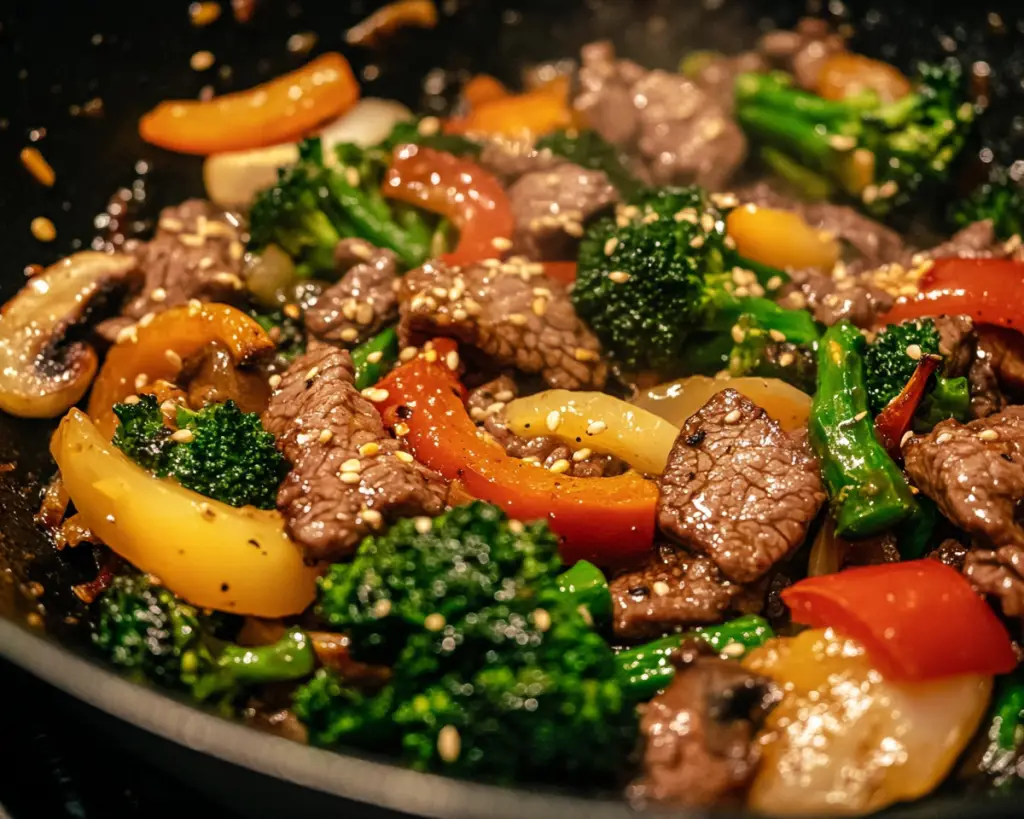
Healthy Beef and Vegetable Stir Fry is a delightful dish that hails from Asian culinary traditions. Its origins can be traced through various cultures, where quick cooking methods meet fresh, wholesome ingredients. The dish features tender slices of beef, typically made from cuts such as sirloin or flank steak, paired with a colorful assortment of vegetables like bell peppers, broccoli, and snap peas.
The beauty of a stir fry lies not just in its bright colors but also in its texture. The beef, when cooked correctly, should be tender and juicy, while the vegetables offer a satisfying crunch that complements the meat beautifully. A well-executed stir fry achieves a balance of flavors – savory, sweet, and umami – enveloped in a fragrant sauce that ties everything together. The result is a nutritious, filling dish that is both comforting and energizing.
In the simplest terms, this stir fry is a reflection of balance—between health and taste, between quick cooking and satisfying meals. On top of that, it allows you to bring your personal flair to the table. So whether you’re cooking for yourself, your family, or entertaining guests, this dish will surely impress.
Why You’ll Love This
Healthy Beef and Vegetable Stir Fry isn’t just a dish; it’s a culinary triumph that will captivate your heart and taste buds. First and foremost, the **taste** is unmatched. The rich flavors of the beef combined with the crisp freshness of the vegetables result in a delightful explosion in your mouth. If you’ve ever tasted a mediocre stir fry, this will renew your faith in this cooking method.
The **ease** of preparation is another reason why you’ll love this recipe. With just a handful of ingredients and minimal equipment, you can create a restaurant-quality meal at home. This makes it an ideal choice for **busy parents** or anyone juggling a hectic schedule. You can whip up a dinner that feels indulgent without spending your entire evening in the kitchen.
Moreover, the **affordability** cannot be overlooked. Using budget-friendly beef cuts and seasonal vegetables allows this dish to fit into almost any budget. Plus, it’s a fantastic way to feed your family without breaking the bank. You’ll find that the **health benefits** are equally enticing; packed with lean protein and various vitamins and minerals, every bite contributes to your well-being.
You may have misconceptions about stir fry being overly greasy or unhealthy; however, by using fresh ingredients and controlling the amount of oil, you can create a dish that is nutrient-dense and incredibly satisfying. Unlike many takeout options, this homemade version gives you full control over the ingredients and quality, making it a smart choice for anyone trying to eat healthier.
Ingredients You’ll Need
- Beef (sirloin or flank steak) – These cuts are lean and flavorful, perfect for quick cooking. Feel free to substitute with chicken or tofu for a different protein source.
- Bell peppers – Adding sweetness and color, bell peppers are versatile and easy to find. You can choose any color – red, yellow, or green.
- Broccoli – Packed with vitamins K and C, broccoli adds a lovely crunch. Consider replacing it with asparagus or green beans if you prefer.
- Snap peas – Their sweetness pairs wonderfully with beef and adds textural contrast. Frozen peas can also work in a pinch.
- Garlic – A quintessential flavor enhancer, garlic caramelizes beautifully and adds depth to your dish. Fresh garlic is preferred over powdered for maximum flavor.
- Ginger – This adds warmth and a hint of spice, making your stir fry even more irresistible. Dried ginger can be used, although fresh is preferable.
- Soy sauce – The backbone of your sauce, soy sauce brings umami flavor. Consider low-sodium versions if you’re watching your salt intake.
- Cornstarch – Used for thickening the sauce, it ensures a glossy finish. Arrowroot can be used as an alternative thickener.
- Sesame oil – A splatter of this oil at the end brings out a rich, nutty flavor. It can be replaced with olive oil or any cooking oil.
By understanding each ingredient’s role and the options available for substitutions, you can make this dish not just healthy but highly adaptable based on your preferences or pantry availability.
How to Make
Follow these steps carefully to ensure a perfect Healthy Beef and Vegetable Stir Fry:
- Begin by preparing your beef. Thinly slice the beef across the grain into strips about 1/4 inch thick. This method ensures that the beef remains tender. For extra tenderness, you can marinate the beef in a combination of soy sauce, ginger, and cornstarch for about 15 minutes before cooking.
- As your beef marinates, wash and chop your vegetables. Cut the bell peppers into strips, chop the broccoli into florets, and trim the edges off the snap peas. The uniformity of the sizes will allow even cooking. Think vibrant colors—use a mix of red, yellow, and green peppers to make the dish visually appealing.
- Heat a large skillet or wok over medium-high heat. Once hot, add a tablespoon of sesame oil. Let it shimmer (but not smoke), which indicates that it’s ready. If using a regular frying pan, monitor the heat closely to prevent burning.
- Add the marinated beef to the pan in a single layer. Allow it sear without crowding to achieve that beautiful caramelization on the meat. Cook for about 2-3 minutes on each side until browned but still slightly pink in the center. Remove the beef and set aside to keep it juicy.
- In the same pan, add a little more sesame oil if necessary, followed by minced garlic and ginger. Stir-fry for about 30 seconds until fragrant; be careful not to burn them. As soon as the aromas hit, add your chopped vegetables. Stir-fry for about 4-5 minutes, aiming for a slight crunch while ensuring they’re cooked through.
- Return the cooked beef to the skillet, mixing it with the vegetables. Add the soy sauce and stir well to combine. Allow the mixture to cook for another 2-3 minutes, during which time the beef will finish cooking, and the flavors meld beautifully.
- If you prefer a thicker sauce, mix a tablespoon of cornstarch with a tablespoon of cold water and add it to the stir-fry. Stir it in quickly; you’ll notice the sauce begins to thicken as it heats. The glossy coat is what makes stir-fry so appealing. Adjust seasoning if needed.
- Before serving, garnish with sesame seeds or chopped green onions for an extra flavor boost. This is such an easy yet impactful finishing touch which enhances the aesthetic of your dish! Serve immediately with steamed rice or noodles, and enjoy your healthy, homemade meal.
This step-by-step guide breaks down the cooking process so that even beginners will find it manageable. Keep in mind, practice makes perfect, so don’t be discouraged if it takes a couple of tries to get it just right.
Variations & Substitutions
Vegetarian Version
If you’re looking for a vegetarian or vegan alternative, consider using **tofu** as your protein source. Firm tofu holds up well in stir-frys and absorbs flavors beautifully. You can also experiment with a variety of vegetables, such as kale, zucchini, and mushrooms, allowing for a different texture and taste. Just ensure to press the tofu to remove excess moisture before cooking for the best results.
Gluten-Free Option
For those on a gluten-free diet, substituting **soy sauce** with *tamari* or coconut aminos can still yield the umami flavor without the gluten. Many brands offer these alternatives, so you won’t have to miss out on flavor while keeping your dish safe for gluten sensitivities. Always check the ingredient labels to ensure that they are indeed gluten-free.
Spicy Stir Fry
If you crave more heat, you could incorporate **sriracha** or red pepper flakes to elevate the spiciness. Consider sautéing sliced **jalapeños** along with the other vegetables for an added tang. This variation is excellent for those who enjoy a kick in their meals, and it enhances the overall flavor profile with explosive taste.
Protein Diversity
Feel free to mix and match proteins according to your dietary requirements. Instead of beef, you can opt for **chicken**, **shrimp**, or even **seitan** for a plant-based protein option. Each protein brings a unique flavor and texture, adding another dimension to this dish. This flexibility is one of the key reasons why stir-fries are so beloved across various culinary traditions.
Common Mistakes to Avoid
One common mistake is overcrowding the pan, which leads to steaming rather than stir-frying. When too many ingredients are added, moisture builds up, preventing the beef and vegetables from achieving that delightful quick-cooked char. Always cook in batches if necessary to maintain high heat.
Another issue can arise from using the wrong cut of meat. Opting for tough cuts can lead to chewing disappointments; instead, choose lean cuts like sirloin or flank steak, which are not only flavorful but also tender when cooked properly.
If you notice your sauce isn’t thickening, it may be due to insufficient heat or an imbalanced cornstarch-to-water ratio. A quick fix is to mix a bit more cornstarch with cold water and add to the stir-fry, ensuring you stir immediately to prevent clumping.
Lastly, many home cooks overlook the importance of flavor layering. Instead of just adding soy sauce at the end, incorporate seasonings at multiple stages, like when cooking the vegetables and beef, to create a richer flavor profile.
Storage, Freezing & Reheating Tips
To store your Healthy Beef and Vegetable Stir Fry, allow it to cool completely before transferring it to an airtight container. Keeping the leftovers in the refrigerator can last for about 3-4 days at best. When reheating, be sure to do it gently on the stovetop or in the microwave, ensuring the beef doesn’t become tough.
If you want to store it for longer, consider **freezing**. Divide it into portions and freeze in airtight containers or freezer bags, removing as much air as possible. The stir fry will hold its quality for about 2-3 months in the freezer. When ready to enjoy, thaw overnight in the fridge and reheat on the stove or microwave until heated through.
Always prioritize **food safety**; never leave cooked food at room temperature for more than two hours, as this promotes the growth of bacteria.
Frequently Asked Questions
Can I use frozen vegetables for this stir fry?
Absolutely! Using frozen vegetables is a convenient option and they can retain their nutrients well. Just add them directly to the hot pan without thawing, adjusting the cooking time to ensure they don’t overcook.
What is the best way to cut vegetables for stir fry?
Aim for uniform sizes as much as possible to ensure even cooking. Cutting them into bite-sized pieces works best; usually, thin strips or small florets work well. This helps retain crunch while ensuring they cook through quickly.
Can I make this stir fry ahead of time?
While you can pre-cut your vegetables and marinate your beef ahead of time, it’s best to cook the stir fry just before serving to maintain texture and freshness. The biproduct is the dish tastes better when prepared fresh.
What type of pan should I use for stir fry?
A *wok* is ideal due to its high walls and heat conductivity, allowing for quick cooking. However, a large skillet can work just as well. Ensure the pan you choose is able to withstand high temperatures for optimal frying.
Can I double the recipe?
Yes, you can double this Healthy Beef and Vegetable Stir Fry recipe! Just ensure not to overcrowd the pan and cook in batches if necessary. Doubling the ingredients may require extra cooking time, but the delicious outcome is worth the effort.
Conclusion:
This Healthy Beef and Vegetable Stir Fry is truly a transformative dish that combines flavor, health, and ease into one beautiful meal. You’ll find that it’s not only something you’ll want to make on busy weeknights but also on lazy weekends when you’re craving something delicious yet nutritious. By customizing it to your preferences and accommodating any dietary needs, you can make it uniquely yours. So go ahead and give this recipe a try, and feel free to share the results with family and friends. Enjoy creating your masterpiece in the kitchen!