Prep time: 15 minutes
Cook time: 20 minutes
Total time: 35 minutes
Servings: 4
In the hustle and bustle of daily life, it can be challenging to prepare a meal that is both healthy and delicious, but let me introduce you to the joy of a Healthy Chicken Stir Fry with Vegetables. This dish is not only vibrant and colorful but also packed with flavor and nutrition. Imagine tender pieces of chicken tossed with a variety of fresh vegetables, all enveloped in a light and tantalizing sauce. Every bite is a delightful explosion of taste, making you feel like you’re indulging in a takeout treat while knowing you’re making a healthy choice.
What sets this recipe apart from ordinary stir-fries is the balance of flavors and textures. The chicken is marinated to perfection, ensuring that every piece is juicy and flavorful. The crisp vegetables add a satisfying crunch, while the sauce ties it all together for a comforting yet invigorating dish. Whether you’re a busy parent, a novice cook, or someone simply looking to meal prep for the week, this recipe is intuitive and forgiving, making it perfect for various culinary skills.
You’ll learn how to whip up a quick yet nutrient-rich meal, include variations to cater to different dietary preferences, and pick up some tips on achieving the best flavor and texture for your stir fry. Let’s dive in!
What Is Healthy Chicken Stir Fry with Vegetables?
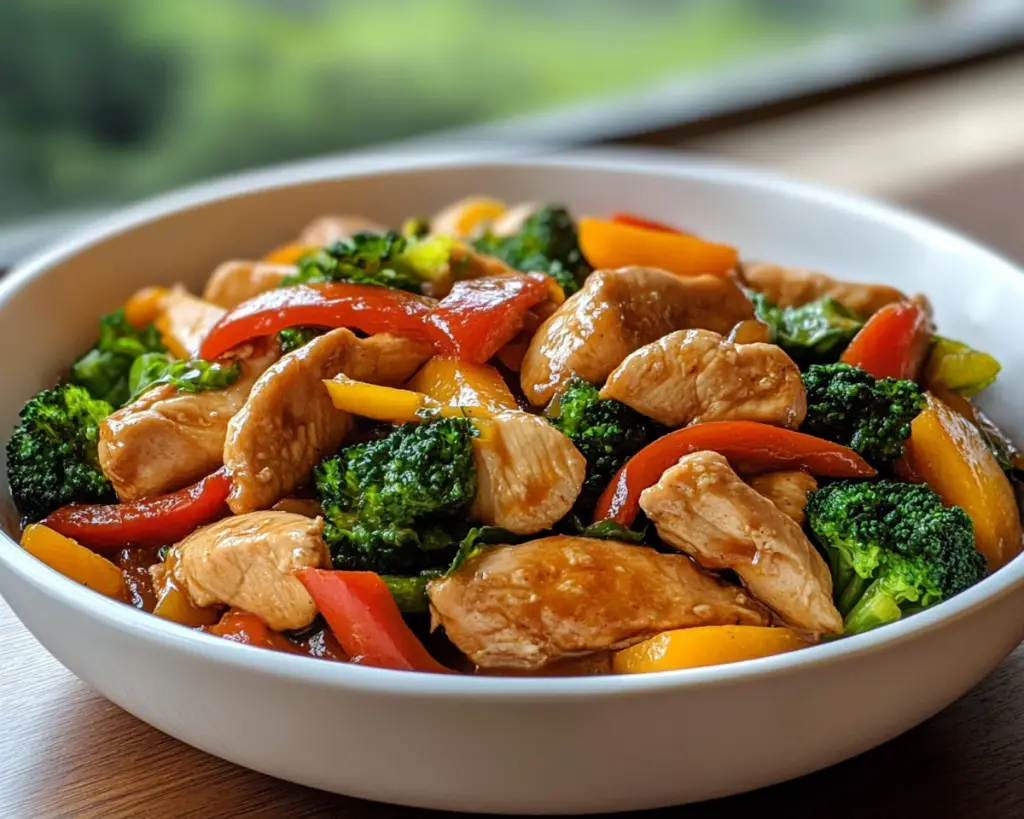
Healthy Chicken Stir Fry with Vegetables is a classic dish that showcases the beautiful marriage of protein and vegetables. Originating from Asian cuisine, stir-frying is a cooking method that allows food to be cooked quickly over high heat, resulting in tender yet crisp ingredients. The key to a successful stir fry lies in its balanced combination of flavors and textures—think juicy chicken, colorful bell peppers, crunchy broccoli, and vibrant carrots, all cooked to perfection in a light sauce that elevates the entire dish.
The texture of this stir fry is a big draw. The chicken is pan-seared to create a light crust, while the vegetables retain their natural crunch, providing a satisfying contrast with every bite. This dish is not only visually appealing but also has an aromatic appeal that makes it a feast for the senses. With a medley of ingredients and a flavorful sauce, this dish can satisfy your palate while delivering on health benefits.
What’s more, Healthy Chicken Stir Fry is easily customizable. You can adjust the vegetables based on what you have at hand or your personal preferences. Whether you’re cooking for yourself or a family, the versatility of this dish allows for creativity in the kitchen, making it a beloved go-to for many home cooks.
Why You’ll Love This
This Healthy Chicken Stir Fry with Vegetables stands out for several reasons. First, the taste is undeniably delightful. The combination of marinated chicken and crisp vegetables smothered in a savory sauce makes this dish a permanent favorite. You’ll experience a wave of flavors that tantalize your taste buds while leaving you feeling satisfied, not sluggish.
In terms of ease, this recipe is straightforward and quick to prepare. With just a handful of ingredients, you can have a wholesome meal ready in less than 40 minutes. It’s a fantastic option for those hectic weekday evenings when you lack the time but still want to enjoy a nutritious home-cooked meal. Additionally, this dish fits beautifully within a budget; it’s thoughtful on the wallet, especially with seasonal vegetables that can be sourced at lower prices.
Health-wise, this stir fry provides lean protein from chicken and an abundance of vitamins and minerals from the vegetables, contributing to a balanced diet. It encourages serious nutritional benefits without compromising on taste. You can also make it gluten-free or low-carb with simple substitutions, catering to various dietary needs. Overall, this dish combines taste, health, and convenience, all wrapped in one easy-to-make recipe.
Ingredients You’ll Need
- Chicken Breast: 1 pound, boneless and skinless. This is the primary protein source in the dish, ensuring a satisfying and filling meal.
- Broccoli: 2 cups, cut into florets. Broccoli adds crunch and is rich in vitamins.
- Bell Peppers: 1 cup, sliced (mix of red, yellow, or green for color). They add sweetness and vibrant color.
- Carrots: 1 cup, julienned. These provide natural sweetness and added texture.
- Garlic: 3 cloves, minced. Garlic is aromatic and enhances the flavors of the dish.
- Ginger: 1 inch, grated. Ginger adds a warm spiciness and depth to the flavor profile.
- Soy Sauce: 3 tablespoons. This adds a salty, umami flavor. Use low-sodium if preferred.
- Sesame Oil: 2 tablespoons for cooking and drizzling. It provides a rich, nutty flavor and aroma.
- Rice or Quinoa: for serving. This is not part of the stir fry but serves as a base to soak up the sauce.
- Cornstarch: 1 tablespoon, optional for thickening the sauce. This helps create a glossy finish.
Each ingredient plays a crucial role, from the proteins to the vegetables. Feel free to substitute chicken with tofu or shrimp, depending on your dietary needs. Additionally, any seasonal vegetables can be added to make the dish even more versatile.
How to Make
- Begin by preparing the chicken. Cut the chicken breast into bite-sized pieces and place them in a bowl. Add 2 tablespoons of soy sauce, 1 tablespoon of sesame oil, and sprinkle with salt and black pepper to taste. Allow it to marinate for at least 15 minutes. This step is essential as marinating infuses the chicken with flavor.
- While the chicken is marinating, you can prepare your vegetables. Broccoli should be cut into small florets, bell peppers should be sliced thinly, and carrots should be julienned. The aim is to create uniform-sized pieces so they cook evenly during stir-frying.
- Next, heat a large skillet or wok over medium-high heat. Once the pan is hot, add 1 tablespoon of sesame oil and swirl it around to coat the bottom. Add the marinated chicken to the pan in a single layer. It’s important not to overcrowd the pan, allowing the chicken to sear properly. Cook for about 4-5 minutes or until the chicken is golden brown and cooked through. Stir occasionally to ensure even cooking.
- Once the chicken is cooked, remove it from the skillet and set it aside on a plate. In the same skillet, add a bit more oil if necessary and add the minced garlic and grated ginger. Sauté them for about 30 seconds until fragrant, being careful not to burn them.
- Quickly add the prepared broccoli, bell peppers, and carrots into the skillet. Stir-fry the vegetables for about 5-7 minutes, or until they are tender-crisp. The goal is to preserve some crunch for texture while also allowing the flavors to meld.
- Return the cooked chicken to the skillet, along with any juices that have accumulated on the plate. Pour in the remaining 1 tablespoon of soy sauce and if desired, 1 tablespoon of cornstarch mixed with a splash of water to thicken the sauce. Toss everything together to combine and heat through, cooking for another couple of minutes. The cornstarch will help thicken the sauce slightly, making it glossy.
- Once everything is combined and heated, taste and adjust seasoning if necessary. If you prefer a bit of heat, feel free to add a splash of hot sauce or a sprinkle of red pepper flakes.
- Lastly, serve the stir fry over a bed of rice or quinoa, and enjoy the colorful, flavorful meal! Garnishing with sliced green onions or sesame seeds can add that final touch of flavor and presentation.
Cooking doesn’t have to be a chore; simply follow these steps, and you’ll create a meal that is not only aesthetically pleasing but also comforting and nourishing.
Variations & Substitutions
Vegetarian Variation: For those who prefer a meatless option, you can easily swap out the chicken for tofu. Firm tofu works best, as it holds its shape during cooking. Simply press the tofu to remove excess water, cut it into cubes, and follow the same marinating and cooking process. The combination of tofu and vegetables creates a hearty meal that is just as satisfying.
Low-Carb Variation: If you’re following a low-carb diet, consider swapping rice for cauliflower rice or zucchini noodles. Both options are lower in carbs and calories but still provide a satisfying base for your stir fry. Simply spiralize zucchini or pulse cauliflower in a food processor to create a rice-like texture, then sauté in the pan before adding your stir-fry mixture.
Gluten-Free Variation: To make the stir fry gluten-free, opt for tamari instead of regular soy sauce. It has a similar flavor profile but is made without gluten, making it suitable for those with dietary restrictions. Additionally, check that your cornstarch is gluten-free to ensure the entire dish adheres to your dietary needs.
Extra Crunch Variation: For added crunch and flavor, consider adding nuts such as cashews or almonds to your stir fry. Add them at the end of cooking to maintain their texture. They offer healthy fats and protein, giving your meal an extra layer of crunch and nuttiness that complements the vegetables and chicken perfectly.
Spicy Variation: If you love heat, add sliced fresh chilies or a drizzle of chili oil to the dish while cooking. Not only does this enhance the flavor, but it also provides a satisfying kick that elevates the overall taste. For an even spicier option, you might consider adding a tablespoon of sriracha or another hot sauce to the sauce mix.
Common Mistakes to Avoid
When preparing stir fry, certain mistakes can compromise your dish’s quality. One common error is overcrowding the pan. It’s essential to cook in batches if necessary, as too many ingredients can lead to steaming rather than stir-frying. This method affects the dish’s overall texture—causing vegetables to become soggy instead of remaining crisp.
Another pitfall is under-seasoning. Don’t be afraid to taste as you go. A well-seasoned stir fry should have a balance of flavors, and adjusting seasoning and sauce at different stages ensures you achieve this balance. Also, make sure to use high heat when cooking, as this is critical for achieving that signature char and flavor that’s characteristic of good stir fry.
Lastly, be cautious when using cornstarch. If added directly into a hot pan without being mixed with water first, it can clump together. Instead, always mix it with a small amount of liquid before adding it into the dish, which will create a smooth sauce without lumps.
Storage, Freezing & Reheating Tips
Proper storage is crucial for maintaining the quality of your Healthy Chicken Stir Fry with Vegetables. If you have leftovers, allow the stir-fry to cool completely before transferring it into airtight containers. Store in the refrigerator where it can last up to three days. Be sure to keep rice or quinoa separately to maintain their texture until you’re ready to serve.
For longer storage, consider freezing the stir fry. Place the cooled stir-fry into freezer-safe bags or containers, ensuring that you remove as much air as possible. This helps prevent freezer burn and preserves quality. Your stir fry can be frozen for up to three months. When you’re ready to eat it, simply thaw overnight in the refrigerator and reheat in a skillet over medium heat.
When reheating, add a splash of water or broth to avoid drying out the chicken and vegetables. Stir gently until everything is heated through. For best results, try to reheat on the stove rather than the microwave so the stir fry retains its original texture and flavor.
Frequently Asked Questions
Can I use frozen vegetables in this stir fry?
Yes, you can use frozen vegetables if fresh ones aren’t available. Frozen veggies are convenient and save prep time; however, be aware that they may release more moisture while cooking, leading to a less crisp texture. To manage this, you might want to stir-fry them longer on higher heat to evaporate excess water.
What can I serve with a chicken stir fry?
This stir fry pairs beautifully with a variety of bases such as steamed rice, brown rice, quinoa, or even noodles. Each of these options provides a different texture, complementing your stir fry. Additionally, you can garnish with sesame seeds or chopped green onions for added flavor and presentation.
How do I make the stir fry spicy?
To add heat, consider incorporating sliced fresh chilies, red pepper flakes, or a drizzle of hot sauce into your stir fry. Each of these options allows you to regulate the spice level according to your preferences. Start small and adjust accordingly, tasting as you go.
Can I make this recipe in advance?
Yes, this stir fry can be made ahead of time. Prepare the ingredients and cook the stir fry, then store it in an airtight container in the refrigerator. Enjoy within three days for the best flavor and freshness. You may want to keep your grains separate until just before serving to maintain their texture.
Are there other protein options I can use?
Definitely! You can substitute chicken with shrimp, beef, pork, or a plant-based protein like tofu or tempeh. Each protein offers its unique flavor and texture, allowing you to customize the dish according to your dietary needs or preferences. Just ensure you adjust cooking times based on the protein you choose.
Conclusion:
This Healthy Chicken Stir Fry with Vegetables is a culinary gem that delivers a satisfying, nutritious meal in just a few simple steps. Not only does it provide an excellent balance of flavors and textures, but it also accommodates various dietary preferences and is incredibly easy to prepare. I encourage you to try cooking it for your family this week, allowing everyone to appreciate the delightful taste and vibrant colors. Feel free to customize the ingredients to your liking, and remember to share your experience! Enjoy the delicious journey of healthy eating with a dish that’s quick, flavorful, and bursting with possibilities.